

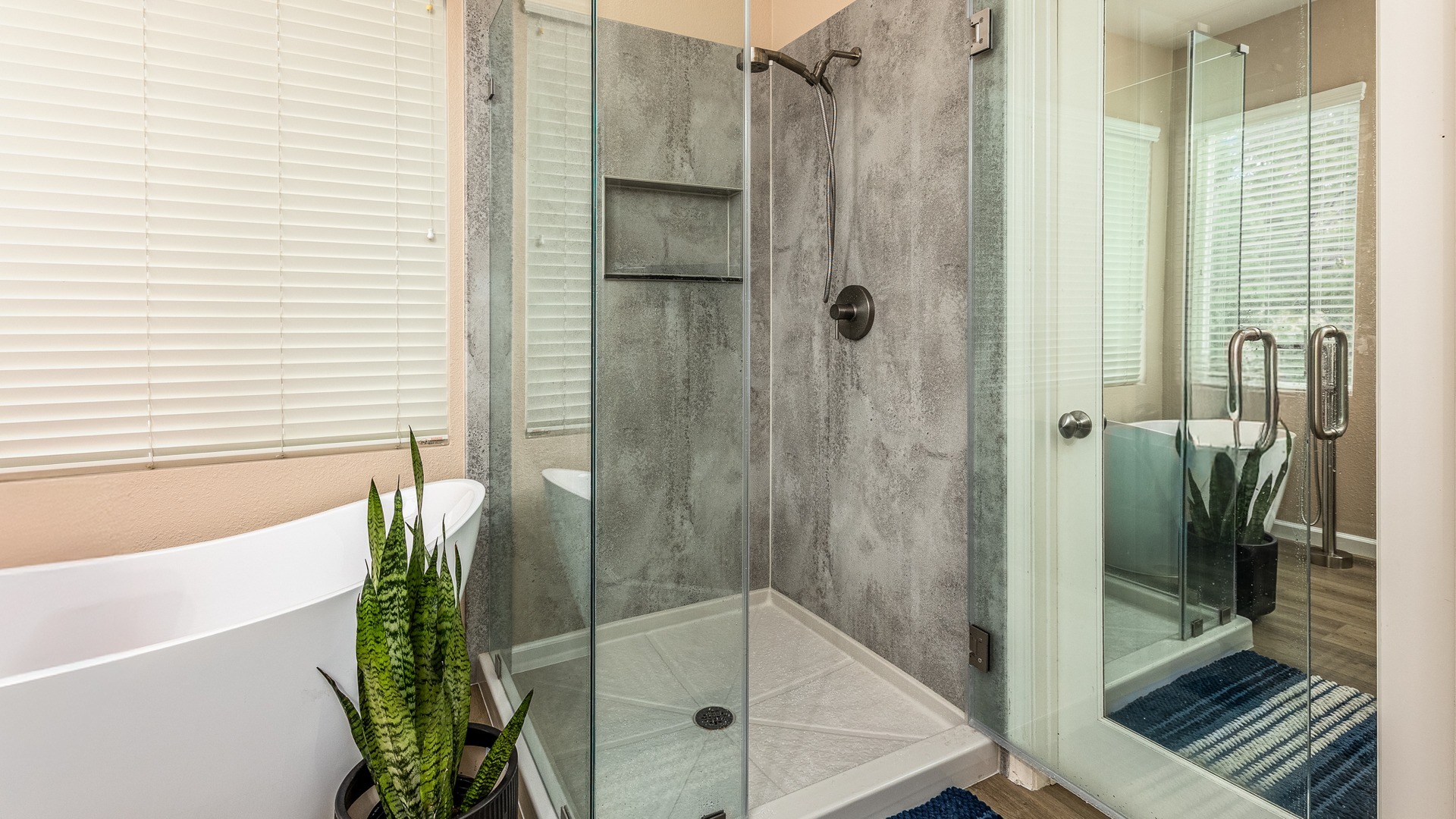
What Matters Most
|
You’re probably well aware of tile, fiberglass, and acrylic for showers. It’s difficult to know which one is worth the investment. The last thing you would want is to spend a good chunk of change on a remodel, only to need another one a few years down the line.
Shugarman's Bath has completed more than 6,500 tub and shower remodels. The materials we use are non-porous composite walls built to last for years. But our materials aren’t for everyone. Because of this, we want you to know the best materials to use to get the tub or shower you desire.
This article breaks down the best composite shower wall materials, how each one performs, and what to look for so you know you're getting the most out of your remodel.
Table of Contents:
- What Are Composite Shower Walls? Why Do They Work Well?
- What Are the Best Composite Shower Wall Materials?
- What Are Acrylic Copolymer Shower Walls and How Do They Perform?
- What Makes BP-Cor2 Different From Standard Acrylic Copolymer Walls?
- What Are Stone Resin Composites?
- Can the Best Shower Wall Material Fail After Installation?
What Are Composite Shower Walls? Why Do They Work Well?
Composite shower walls are walls made from two or more materials bonded together. This means everything from acrylic copolymers to stone resin panels.
Composite materials work well together because they combine the strengths of each material. One material might add strength and flexibility, while another might add a protective surface layer.
The best composite shower walls are non-porous, have as few seams as possible, and are built to handle the daily stress of heat, cold, and moisture without breaking down.
What Are the Best Composite Shower Wall Materials?
Two composite shower wall materials worth looking at are acrylic copolymers and stone resin composites.
|
Acrylic Copolymer (BP-Cor2) |
Stone Resin Composite |
|
|
What it’s made of |
ABS core with a co-extruded acrylic surface layer |
Crushed stone mixed with resin, similar to quartz countertops |
|
Durability |
Handles daily heat, cold, and moisture well. Very hard to crack. |
Hard to scratch. Surface damage doesn’t expose a different layer. |
|
Installation |
Easy to install. Flexible enough to bend around corners to reduce seams. |
Rigid and heavy. Cuts need to be precise. More seams are needed to fit panels into the space. |
|
Seam Risk |
Flexibility means fewer seams overall, especially at corners. |
More seams are required due to rigidity. Each one needs to be properly waterproofed. |
|
Maintenance |
Non-porous surface making it easy to wipe clean. Scratches can be buffed out. |
Non-porous surface. Wipes clean easily. Seams require periodic inspection and resealing. |
There are other composite wall options, but they come with their own tradeoffs.
- Standard acrylic walls vary widely in quality, and thin versions are prone to cracking and permanent scratching.
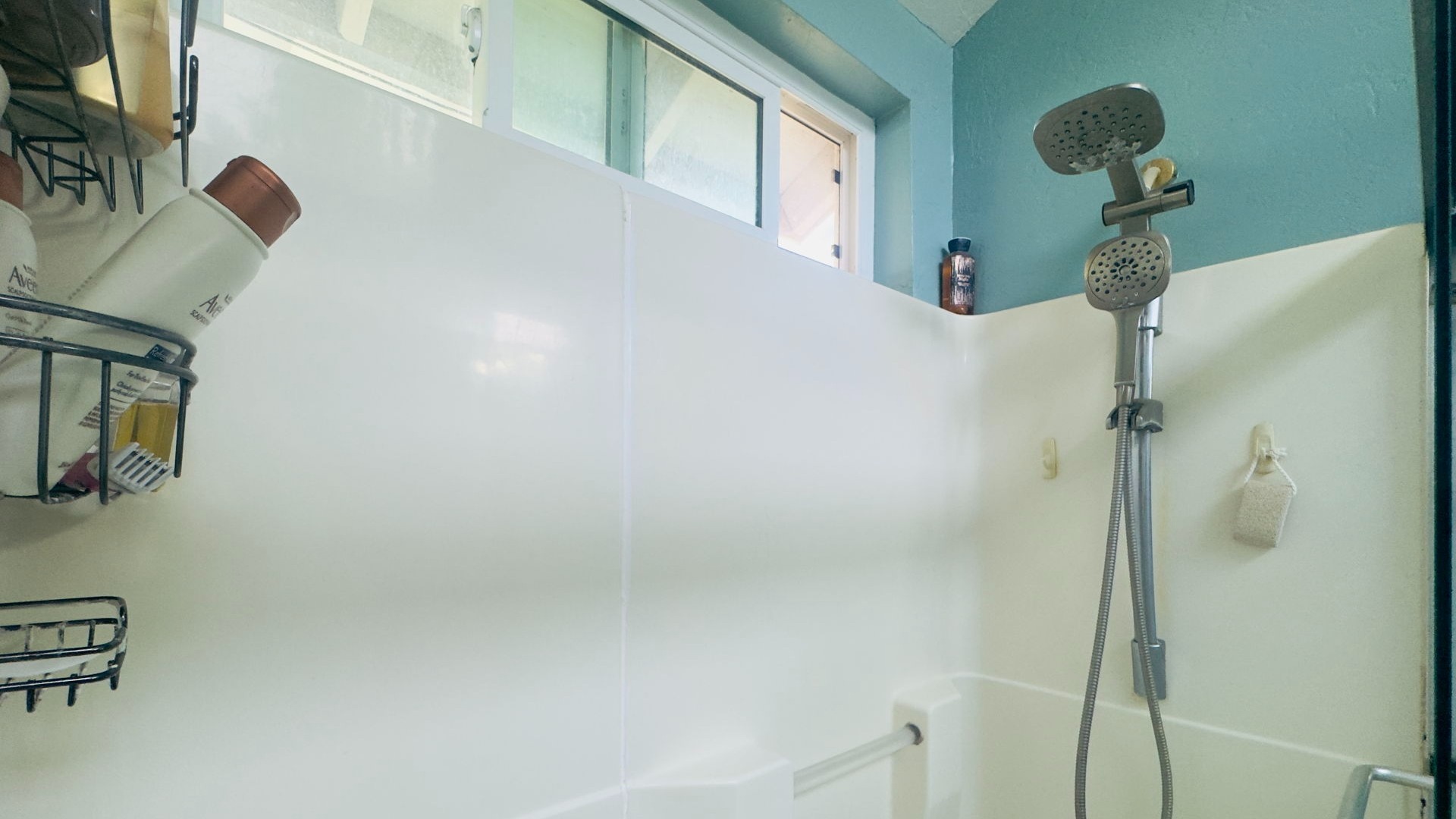
- Fiberglass works fine in new construction but becomes porous once the gel coat wears down.
- PVC panels are waterproof by nature but are a newer product with an unproven long-term track record, and they have bulky trim pieces that customers tend to dislike.
Better composite materials are better at avoiding the problems these options leave behind.
|
Acrylic Copolymer (BP-Cor2) |
|
|
|
|
|
Stone Resin Composite |
|
|
|
|
What Are Acrylic Copolymer Shower Walls and How Do They Perform?
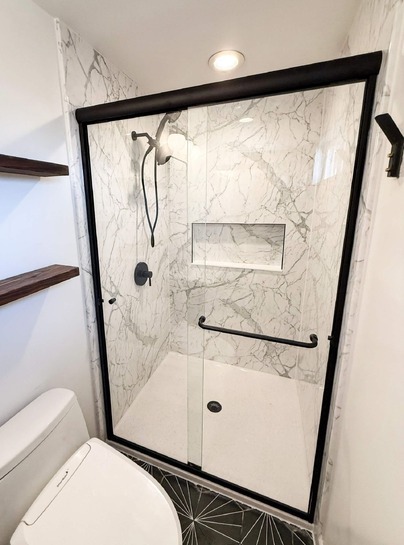
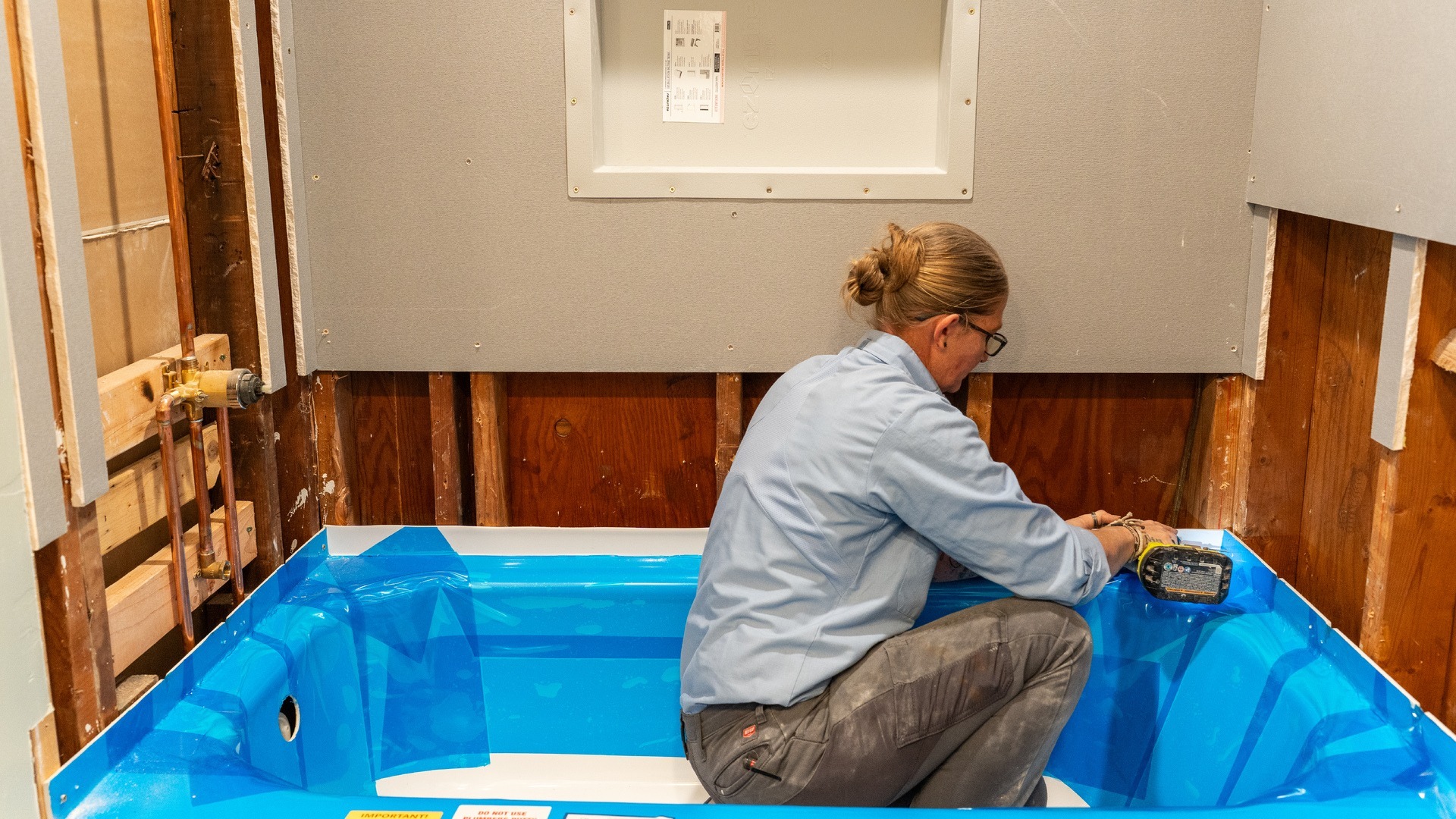
Acrylic copolymer walls, such as BP-Cor2, are made by bonding two materials together: a strong inner core and a protective outer surface layer. The core gives the wall its structure and flexibility. The outer layer protects the color and finish underneath it.
The walls are non-porous, flexible, and built to handle the daily stress of a shower. The material has enough give so installers can bend it around corners without needing extra pieces to cover the joint. This means you have fewer seams and places for water to get into your shower walls.
The quality of acrylic copolymer walls varies by manufacturer. Some produce thinner versions that can be rolled up and shipped in a tube, which are prone to microcracks and scratching. They might also lose their finish quickly if the color or pattern is only printed in the top coat and doesn't go deeper into the material.

What Makes BP-Cor2 Different From Standard Acrylic Copolymer Walls?
BP-Cor2 is a copolymer wall material made from 85% ABS and 15% co-extruded acrylic. ABS is the same impact-resistant material used in car bumpers. The acrylic layer is bonded to it during manufacturing to protect the surface. The surface can be buffed out if it gets scratched.
Standard acrylic walls are made from fiberglass-reinforced acrylic, which makes them lighter and thinner. It's more difficult to buff out standard acrylic. A scratch cuts through the surface, and there's likely no way to repair it short of replacing the panel.
BP-Cor2 is designed to withstand temperature fluctuations in the tub and shower area without cracking. Compare this to thinner acrylic products, which are more resistant to that movement. They’re likely to crack and degrade over time.
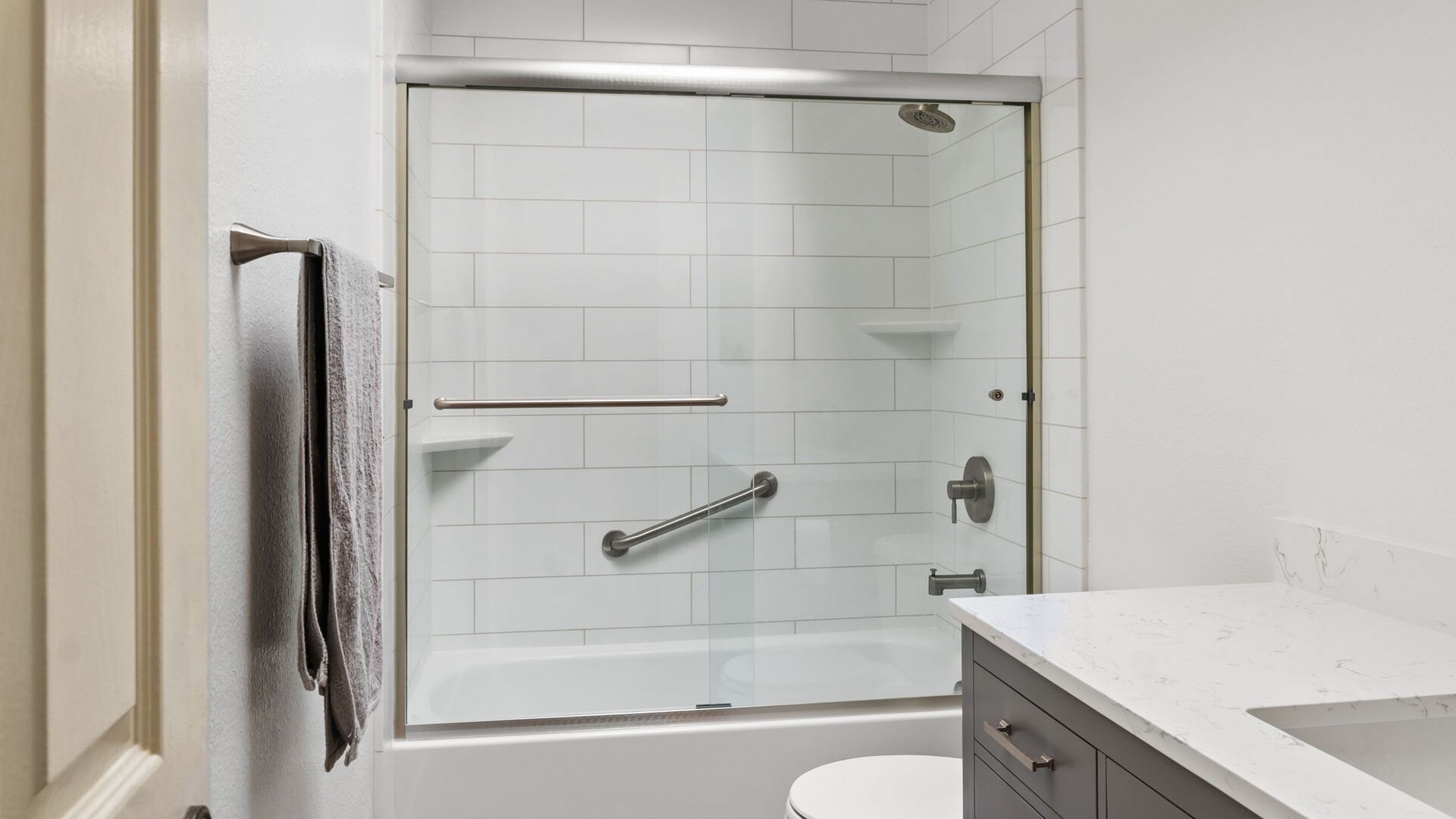
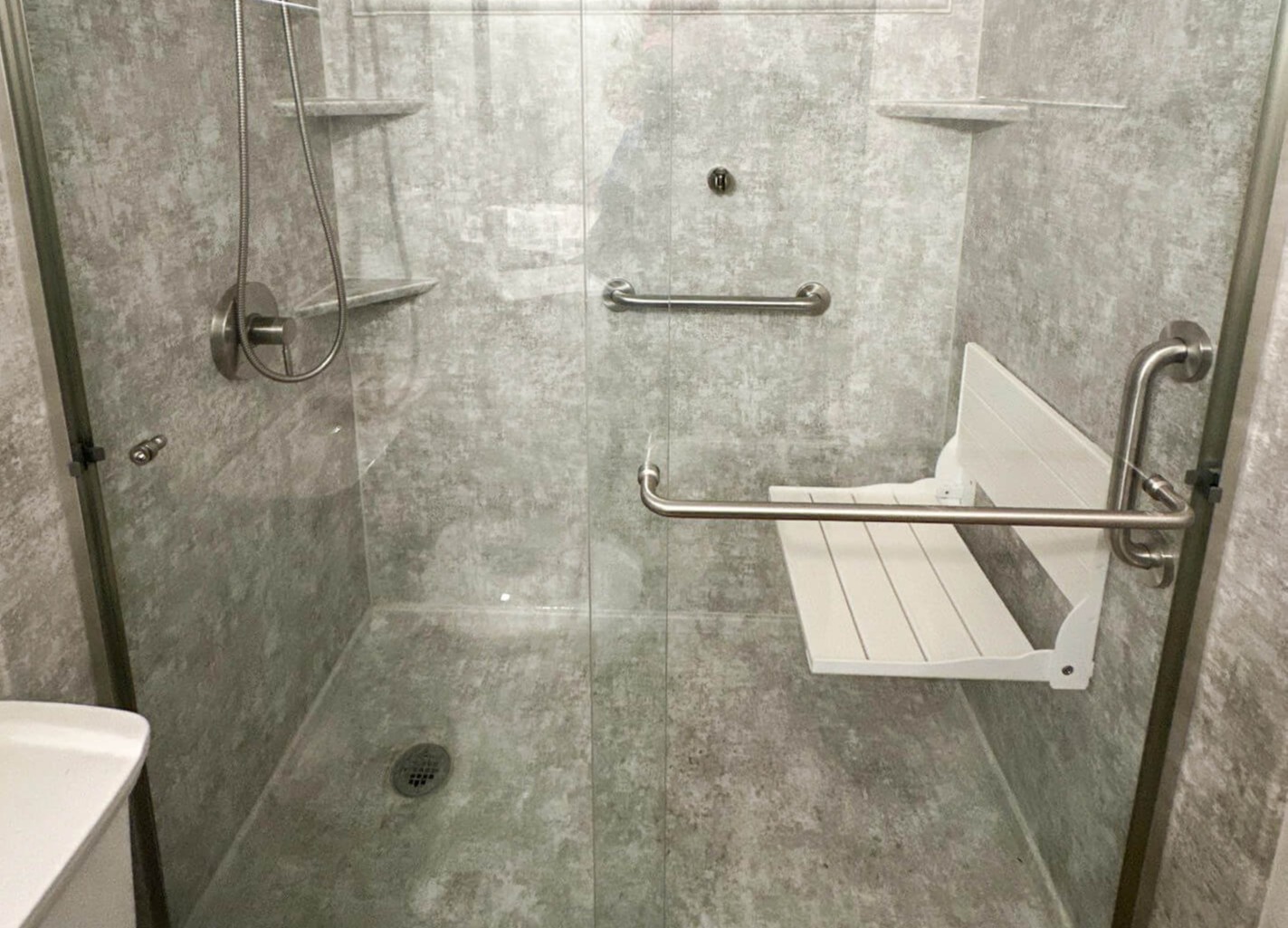
BP-Cor2 also supports laser-etched tile designs that resemble grout but require less maintenance because the lines are nonporous. It’s more difficult to achieve clean, laser-etched grout lines with standard acrylic because the material is thinner and less dense.
For a full breakdown of the material, read our article on BP-Cor2 and why it's used in the tub and shower area.
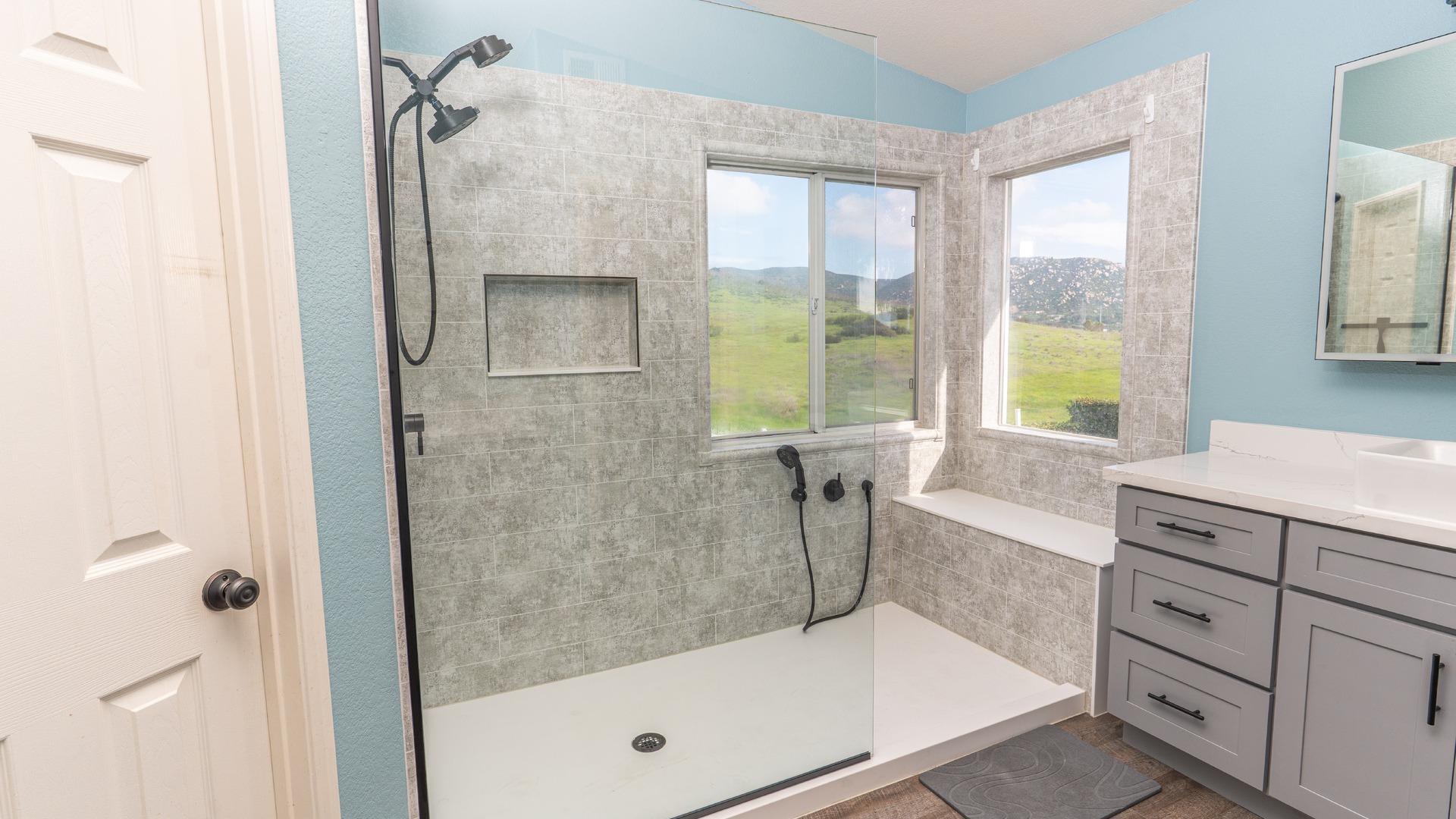
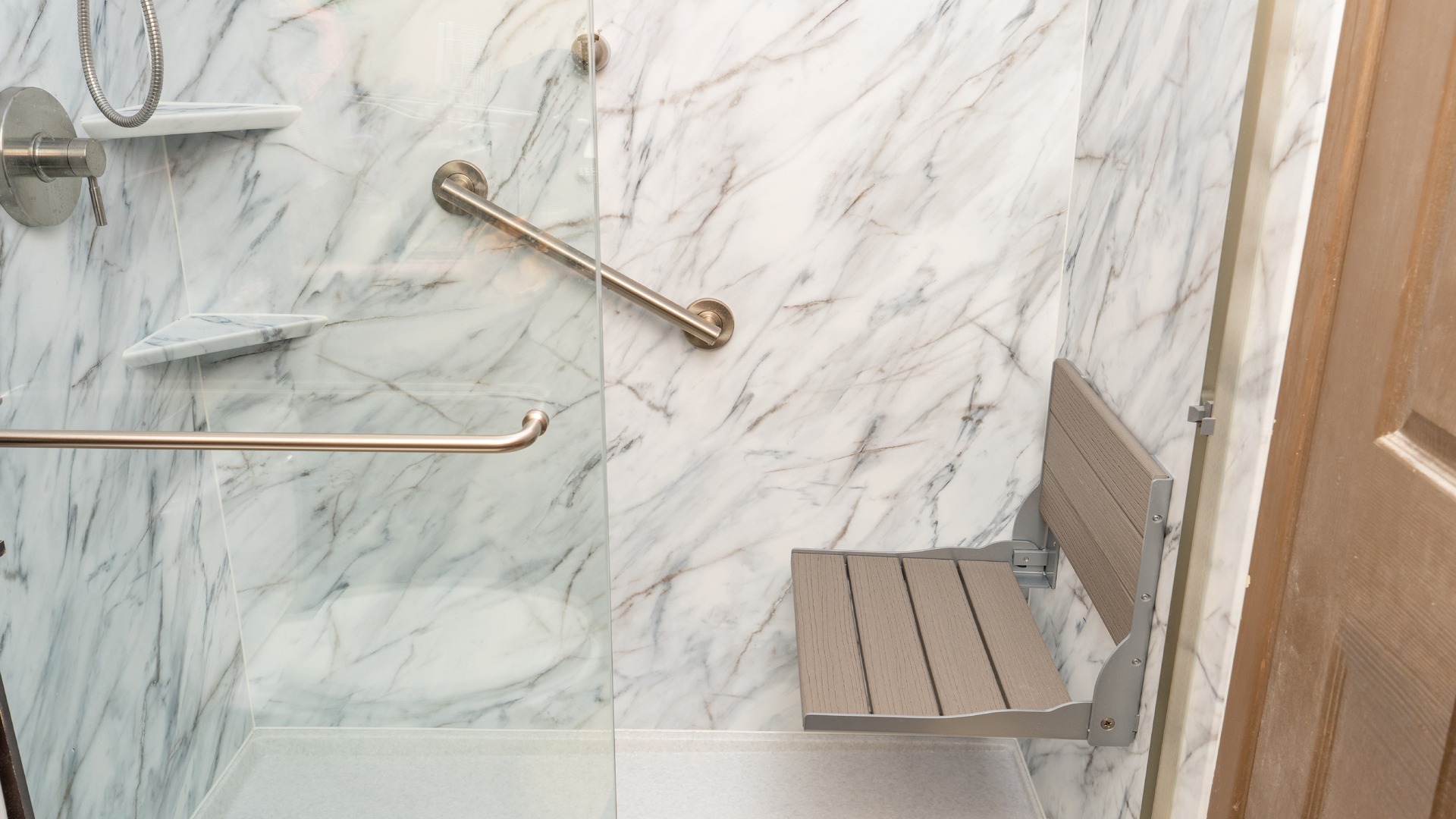
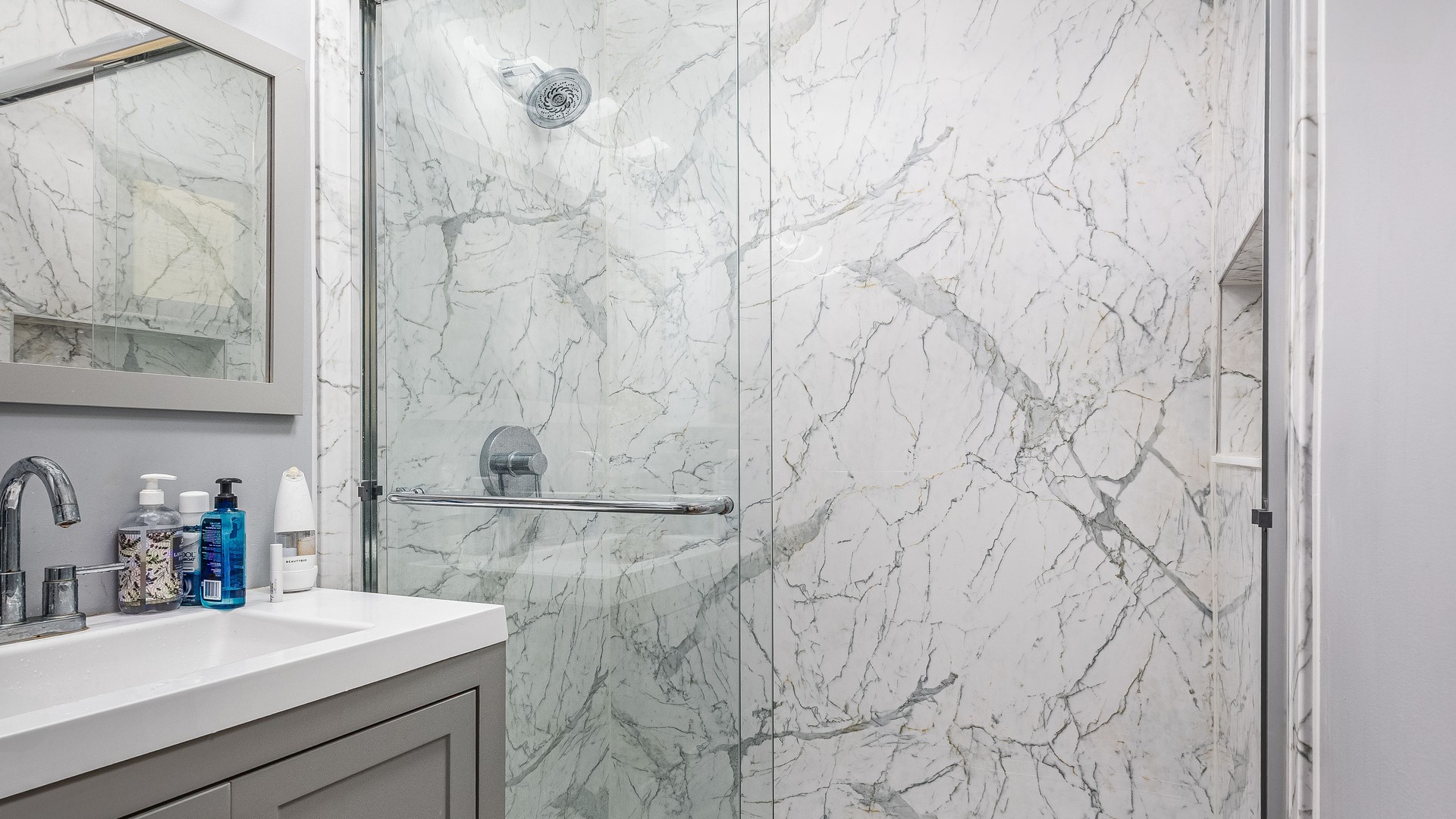
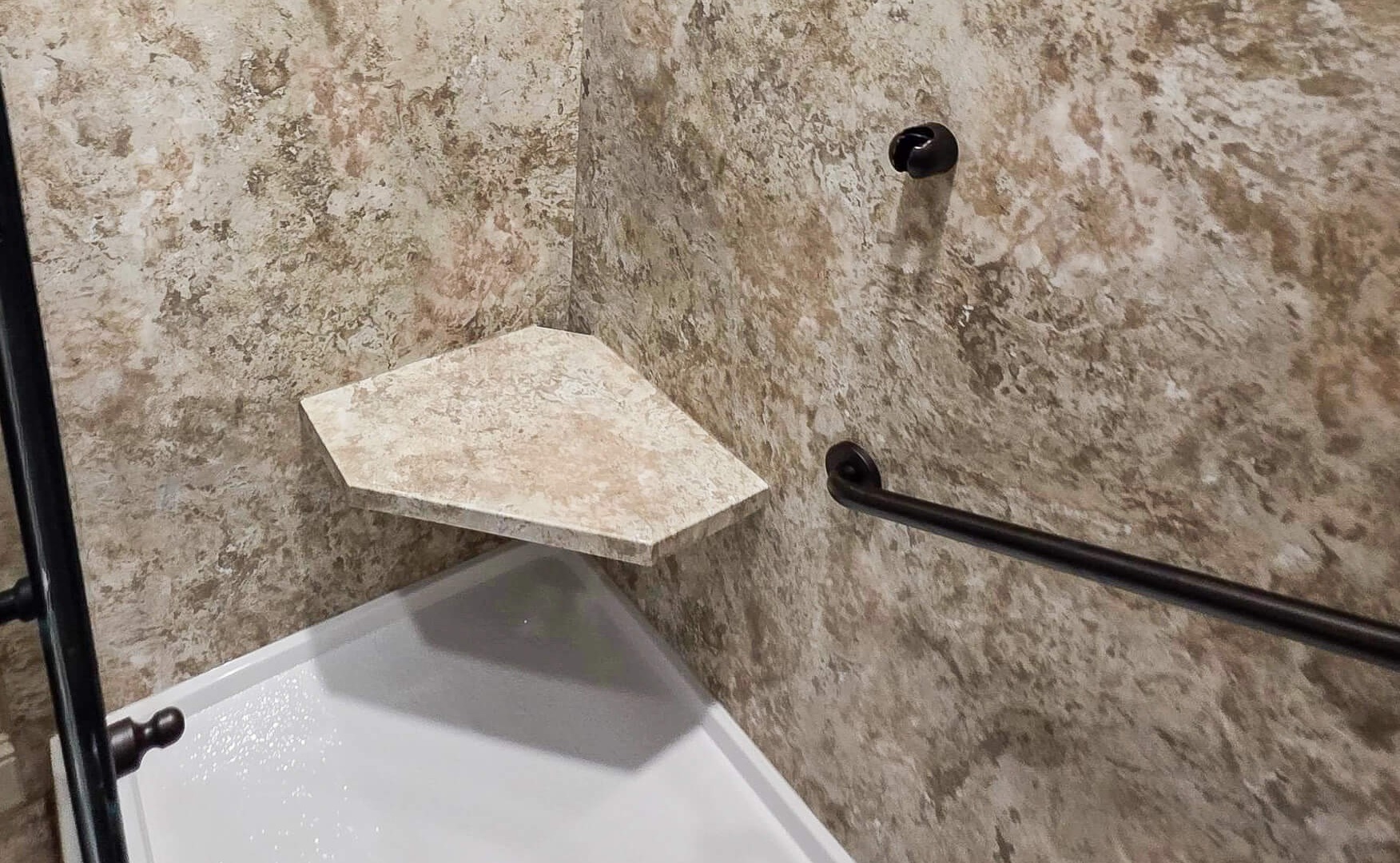
Look at our project gallery to see how BP-Cor2 could look in your shower.

What Are Stone Resin Composites?
Stone-resin composite walls are made by mixing crushed stone with resin. You’ll see this with brands like Sam Mueller, Swanstone, and Corian that fall into this category.
If you have quartz countertops, you have a good idea of how the material functions. The stone provides density and hardness, while the resin binds everything together and fills the gaps that would otherwise make natural stone porous.
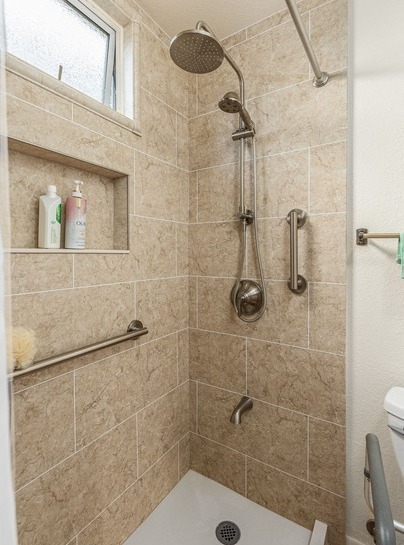
Stone resin walls are difficult to scratch. Because of how this material is made, surface damage doesn’t expose an underlying layer.
Stone resin walls do have their issues. They are rigid and heavy. They’re difficult to install since getting them into a bathroom, fitting them into a shower space, and cutting them precisely is harder work than installing a flexible material.
Because the material is rigid, there are more seams in many installations, particularly on the back wall of a larger shower. Every seam needs to be waterproofed carefully, and over time, those seams may require maintenance as the sealant breaks down.
When it comes to cost, stone resin composites fall into a higher price range compared to other composite shower walls.
Can the Best Shower Wall Material Fail After Installation?
Yes, because any material you use only performs as well as the waterproofing behind it. A premium wall panel works well on its own, but it’s useless for your home if your whole remodel isn’t properly waterproofed.
Many installations fail at the seams, especially in corners. Water won’t penetrate the panels themselves, but it will get through the gaps at seams. More rigid materials also tend to require more seams to fit the panels into the space.
There also needs to be consideration for temperature fluctuations and natural home movement. Hot and cold water cause materials to expand and contract. If a wall panel is installed too tightly with no room for that movement, rigid materials eventually crack.
Poor waterproofing and improper installation aren’t problematic on day one. Moisture issues will show up months or years after your remodel.
Now That You Know the Materials, Where Do You Start?
Choosing a material comes down to what it's made of and how it's installed. Get both right, and your shower holds up for years.
Now that you know about the best materials for shower walls, learn about what proper waterproofing looks like in the tub and shower area.
Want to see how the best quality shower wall materials could look and work in your home? Schedule a free consultation with Shugarman’s Bath to walk you through options and decide what works for your space.
The opinions expressed in the referenced materials are those of the authors only, not necessarily of Shugarman’s Bath. While these referenced materials are useful in answering generalized questions, each bathroom is unique. For a particular question about your tub or shower remodeling project, contact your Shugarman’s Bath consultant.
FAQs on Tub and Shower Remodeling:Q: How long does a typical shower remodel take?A typical shower remodel takes 1-2 days. More complex projects in larger areas can take longer. Q: Does Shugarman's Bath Install Alternatives to Tile?Yes. Instead of conventional tile, Shugarman's Bath installs a modern shower wall system with a non-porous, antimicrobial surface. The grout lines are laser-etched, giving you the look of tile without the upkeep that comes with it. If you want to learn more, read our full breakdown of traditional tile vs. modern shower wall systems. Q: How many design options does Shugarman's Bath offer?Shugarman's Bath offers 500-600 color and style options, so you can find a combination that fits your bathroom and your taste. |

.png?width=1920&height=1080&name=VERSUS%20(1).png)



-1.jpeg?width=1920&height=1080&name=After%203%20(1)-1.jpeg)




.png?width=1919&height=1080&name=Screenshot%20(177).png)
