What Matters Most
|
You might have heard the benefits of a tub-to-shower conversion and how it could help your home. But some things sound too good to be true. You’re here wondering about the drawbacks to a tub-to-shower conversion.
At Shugarman's Bath, we've completed more than 6,500 tub and shower remodels, with a large portion of those being tub-to-shower conversions. We know the benefits and drawbacks of a conversion well.
This article breaks down six drawbacks to think through, so you can decide if a conversion fits your home.
Table of Contents:
- What Are the Drawbacks of a Tub-to-Shower Conversion?
- How Could Removing a Tub Hurt Your Home's Resale Value?
- Will You Miss Being Able to Take a Bath?
- You Stand When Using a Walk-In Shower
- Water Can Escape the Shower Area
- Could Drain Relocation Add Cost to Your Conversion?
- You Lose a Tub Ledge You Might Use to Shave or Rest Your Foot
- What Are the Benefits of a Tub-to-Shower Conversion?
What Are the Drawbacks of a Tub-to-Shower Conversion?
Here is a brief list of the drawbacks of a tub-to-shower conversion:
- A tub-to-shower conversion can lower your home's resale value depending on the market and location.
- You lose the option to take a bath.
- Walk-in showers require standing, though a seat is available for an extra cost.
- Water can escape more easily past a low shower threshold.
- Some conversions need the drain moved, which adds to the overall remodeling cost.
- You lose the tub ledge many people use to shave or rest a foot.
We’ll expand on each point throughout this article.
How Could Removing a Tub Hurt Your Home’s Resale Value?
Real estate agents typically recommend keeping at least one tub in your home, though it depends on your market and geography. Talk to a realtor and see what they recommend if you’re planning to sell your home.
Younger families prefer bathing their young kids or pets in a tub. Plus, some homeowners enjoy soaking in a tub for relaxation.
On the other hand, older homeowners may prefer a walk-in shower, especially when they’re aging in place. If your home is in an area with more older buyers, a shower conversion may not hurt your resale value at all.
Will You Miss Being Able to Take a Bath?
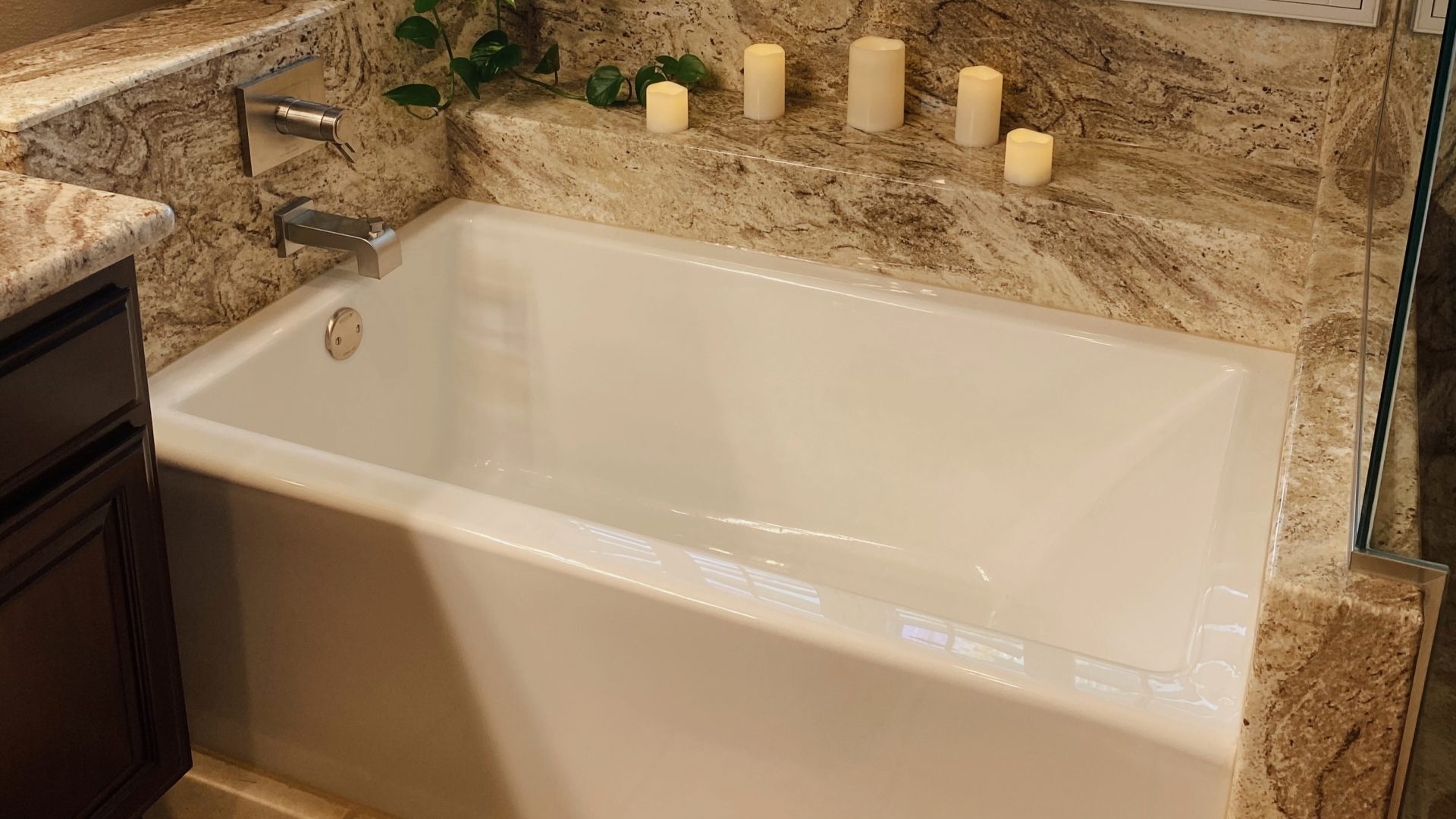
If you enjoy the frequent or occasional soak in your tub, a tub-to-shower conversion might not be right for you. Your bath might be part of your lifestyle, used to wind down after a long day. A tub-to-shower conversion will take away that relaxation.
If you don't use your tub much, or you have another bathtub in the house, this drawback may not affect you at all.
You Stand When Using a Walk-In Shower
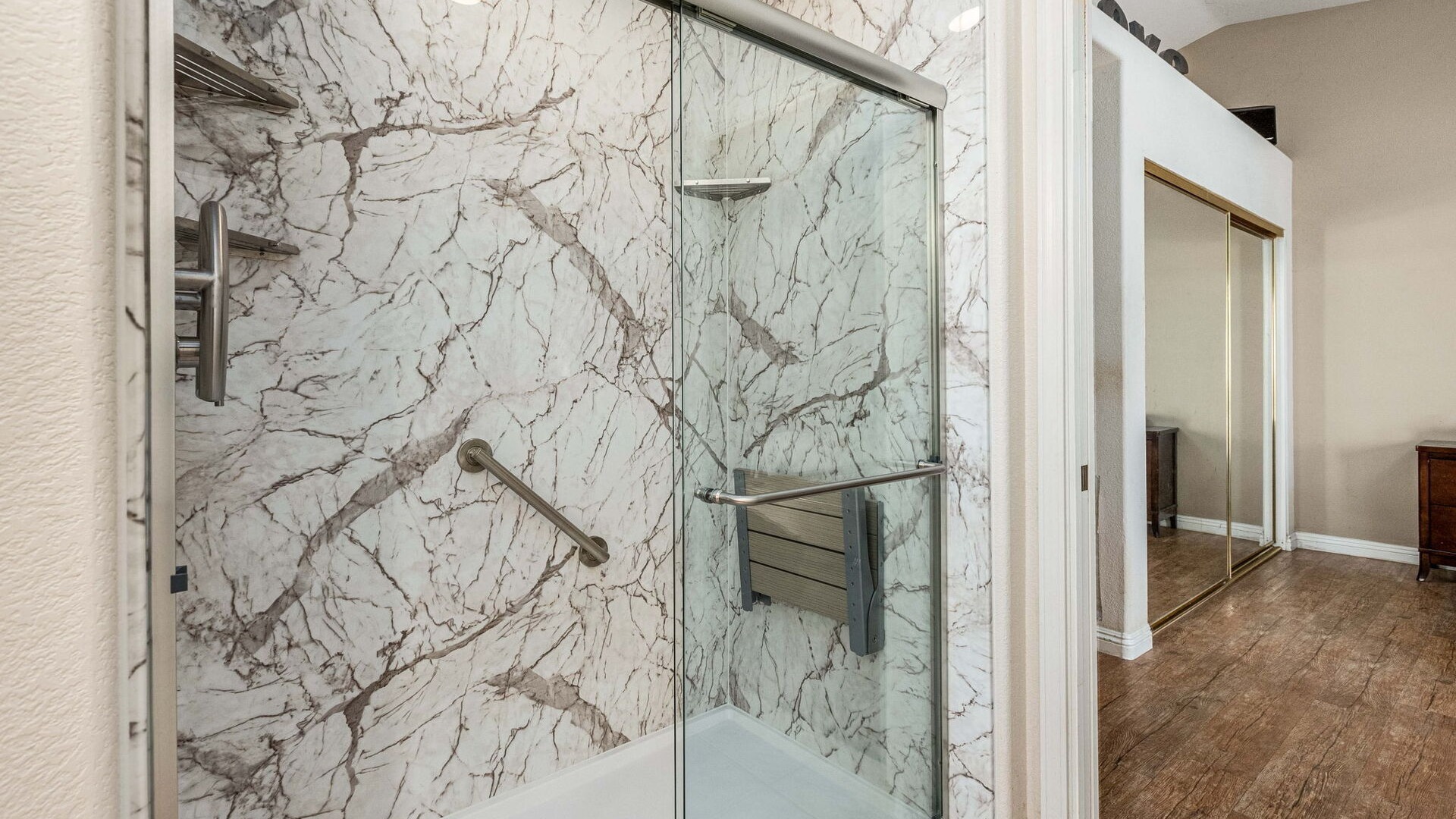
Using a walk-in shower might require more standing. If you struggle to stand for long periods of time, you’ll need to install some sort of seat in your walk-in shower. A built-in or portable seat can be added, but it increases the cost of your tub-to-shower conversion.
Keep in mind that taking a shower in a tub-and-shower combo requires standing, too. Sitting or lying down in a bath means getting up from a lower position. If standing is an issue, you would likely need a seat with your tub-and-shower combo, too. While you could use a tub ledge, it might be uncomfortable. You might not have room to fit a seat in the space.
Water Can Escape the Shower Area
Depending on your setup, water might escape the area. Walk-in showers have a lower threshold compared to tubs.
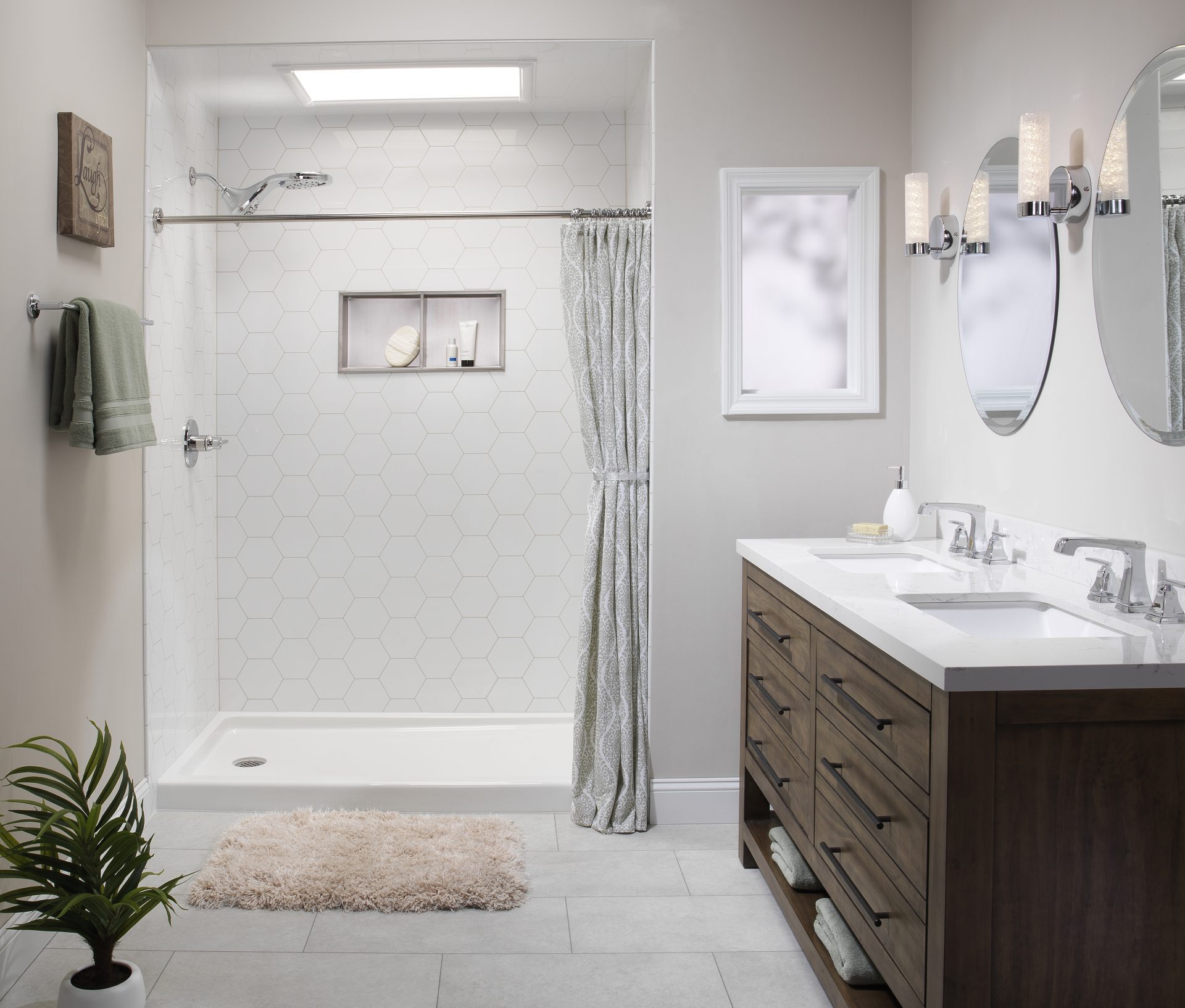
Shower curtains could allow water to escape the area. A simple elbow push can move a shower curtain inches, which is more than enough room for water to get out.
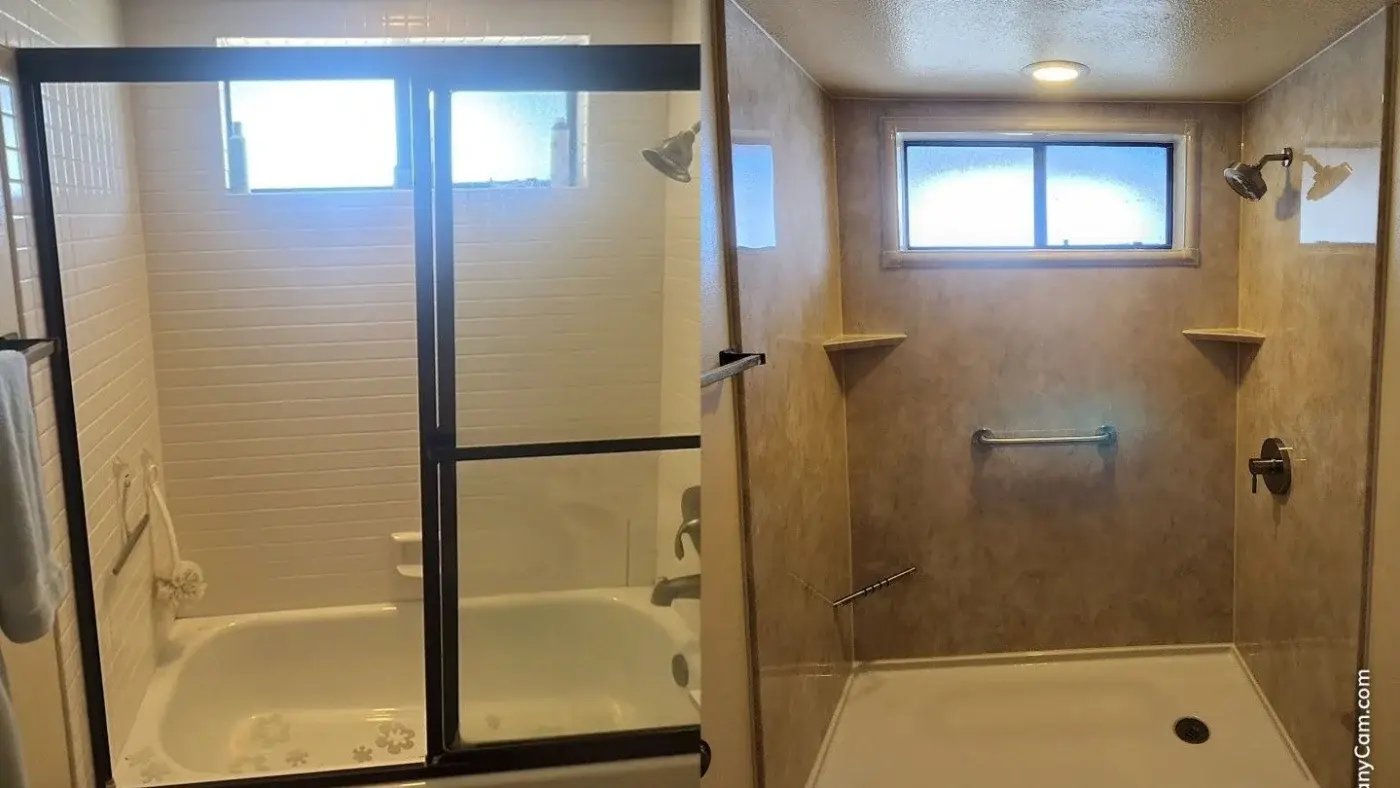
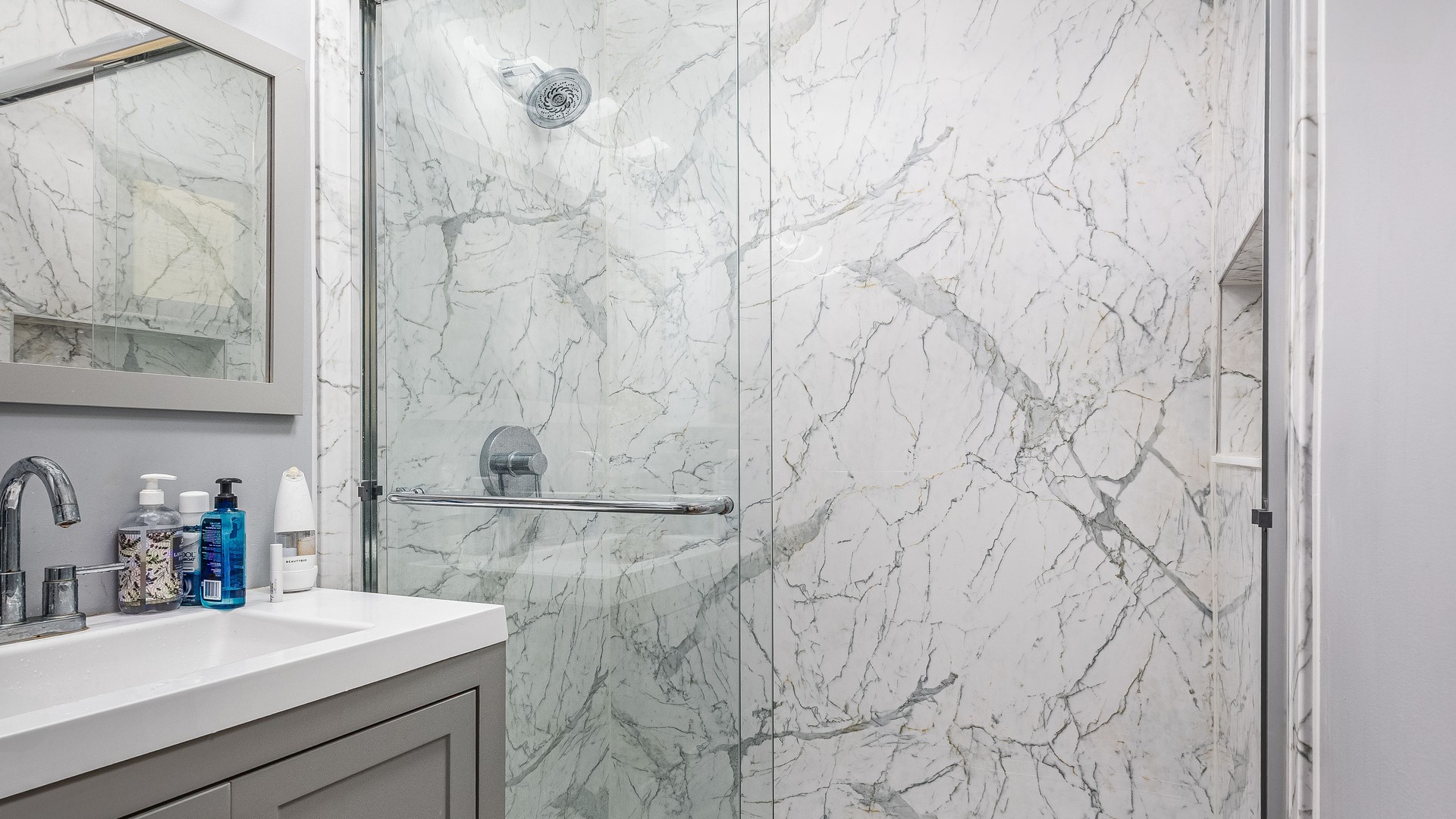
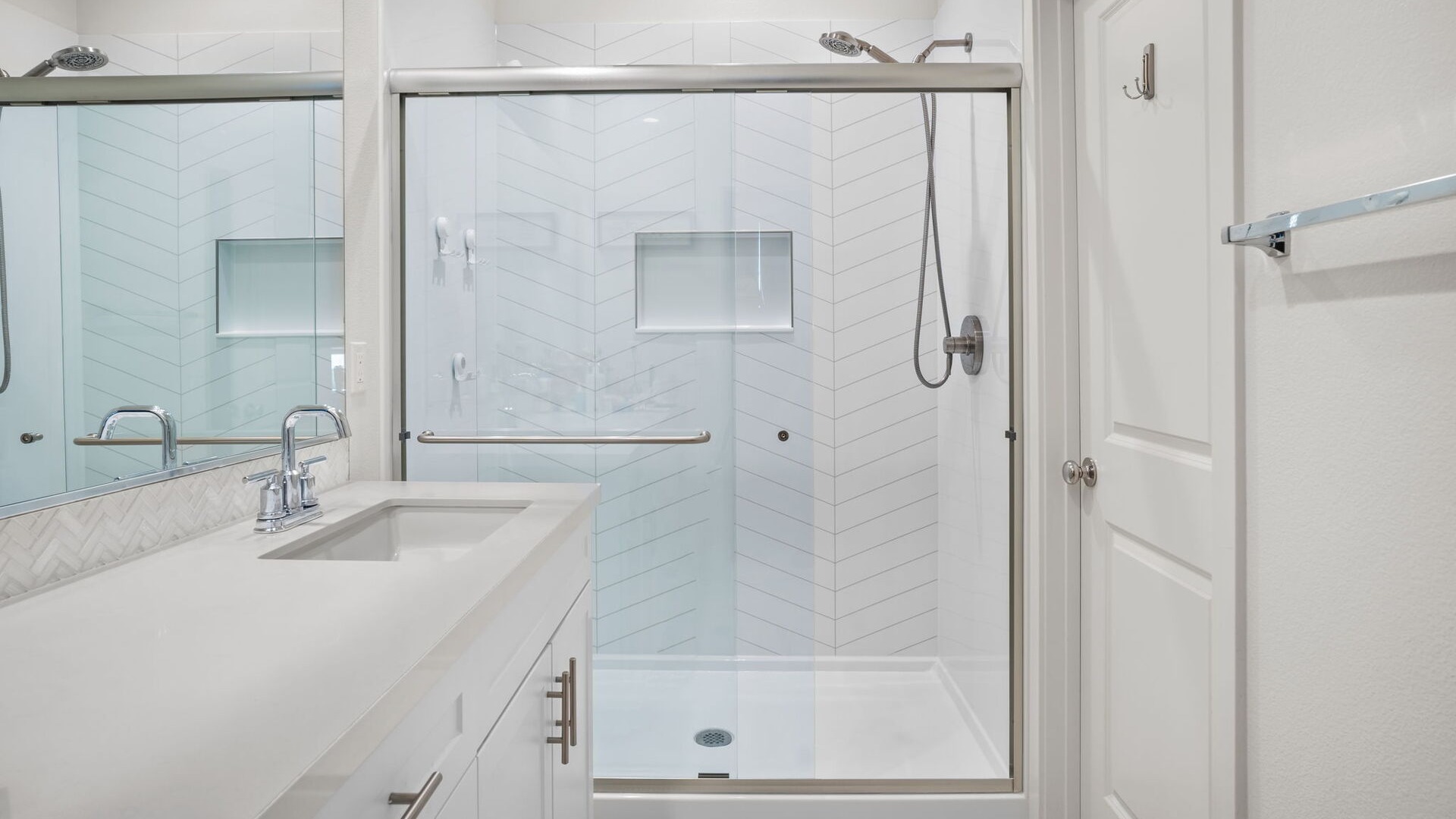
This can be mitigated by installing properly sealed glass shower doors. These do cost more and will add to your tub-to-shower conversion cost.
Could Drain Relocation Add Cost to Your Conversion?
Sometimes. If your new shower base is wider than 36 inches, the drain needs to sit in the center of the floor.
If you have a left- or right-sitting drain that needs to be relocated on a slab foundation, this adds labor and cost to the project.
You Lose a Tub Ledge You Might Use to Shave or Rest Your Foot
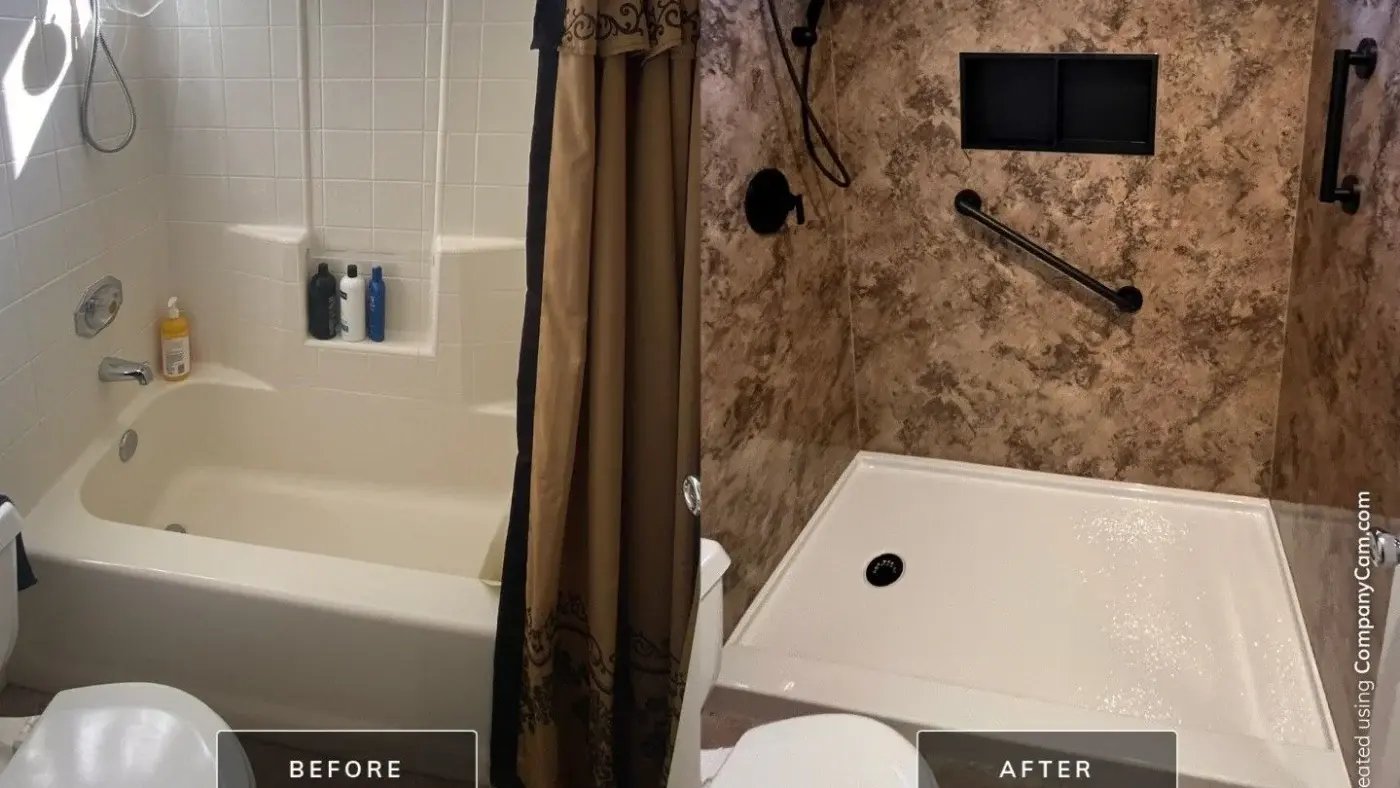
A standard walk-in shower doesn't come with the ledge a tub wall provides. Many people use that edge to prop up a foot while shaving or washing their legs.
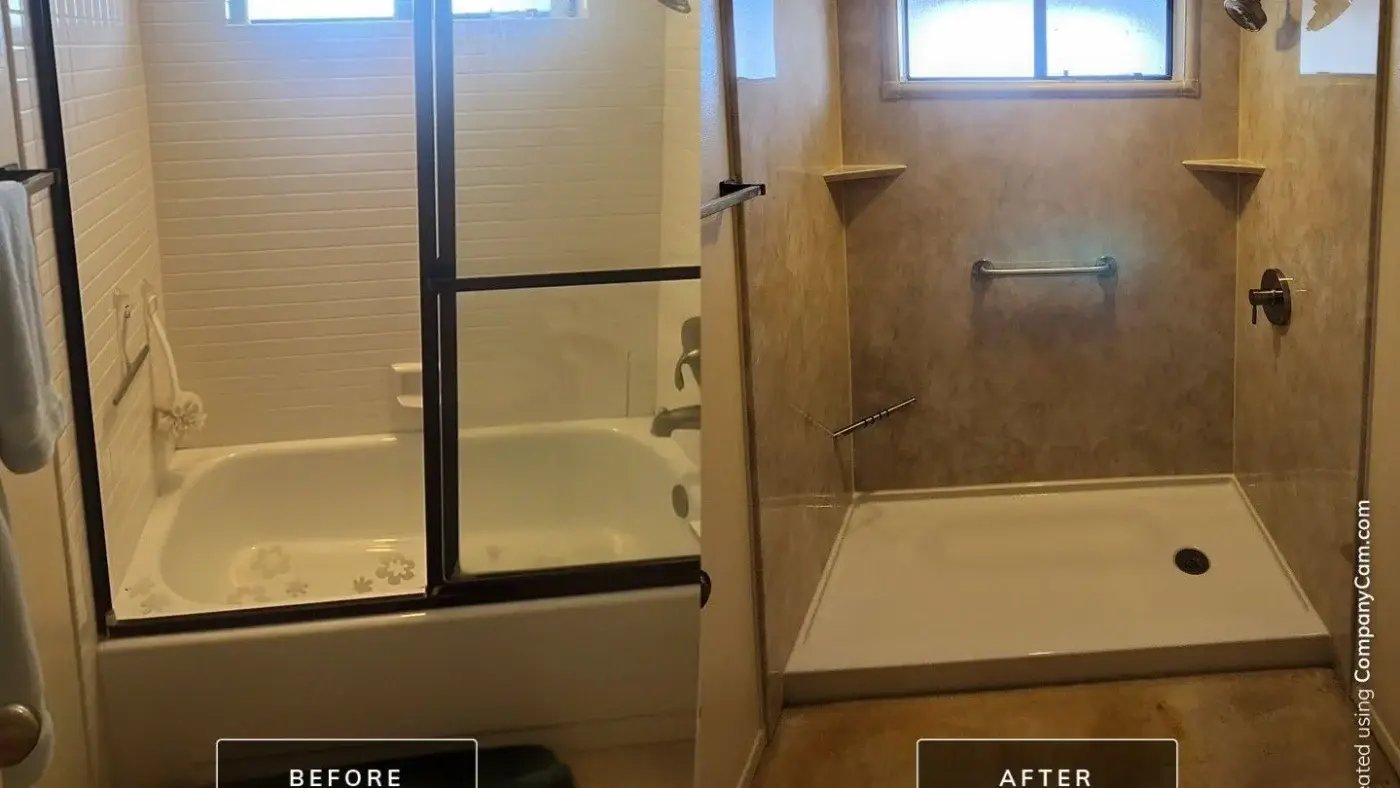
A shower foot rest (sometimes referred to as a shave ledge) can be added to your shower to replace this feature. Or you can use a shower seat if you install one. This is something to keep in mind if you rely on a ledge when shaving.
What Are the Benefits of a Tub-to-Shower Conversion?
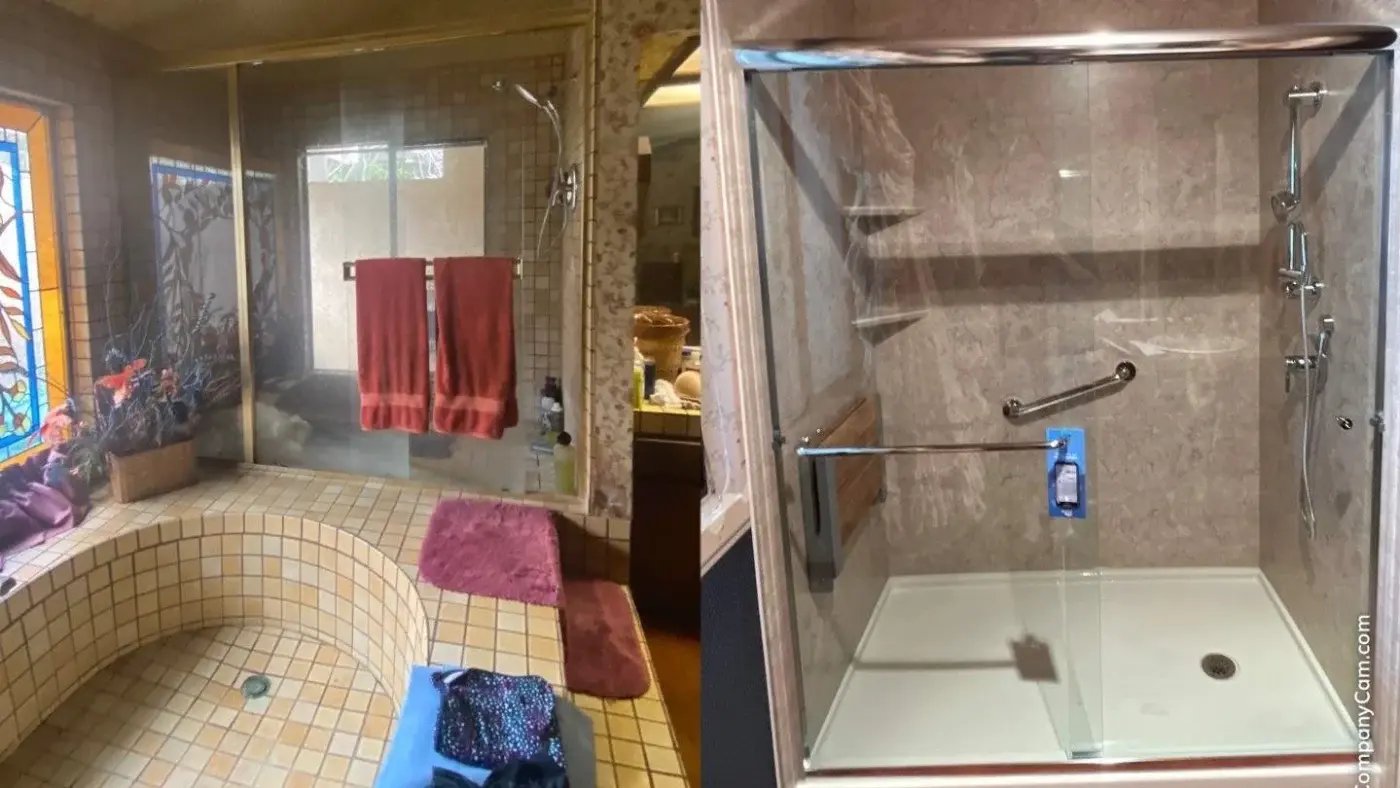
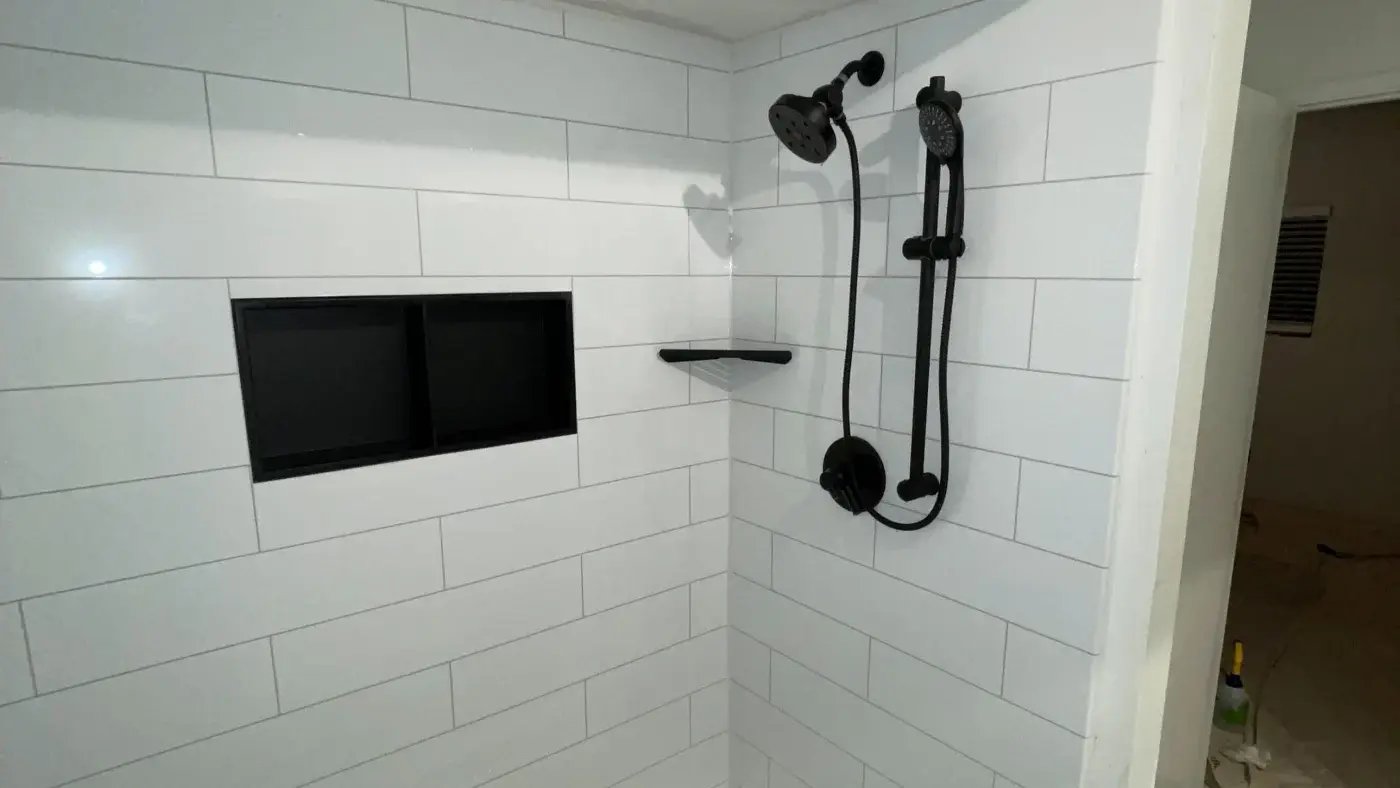
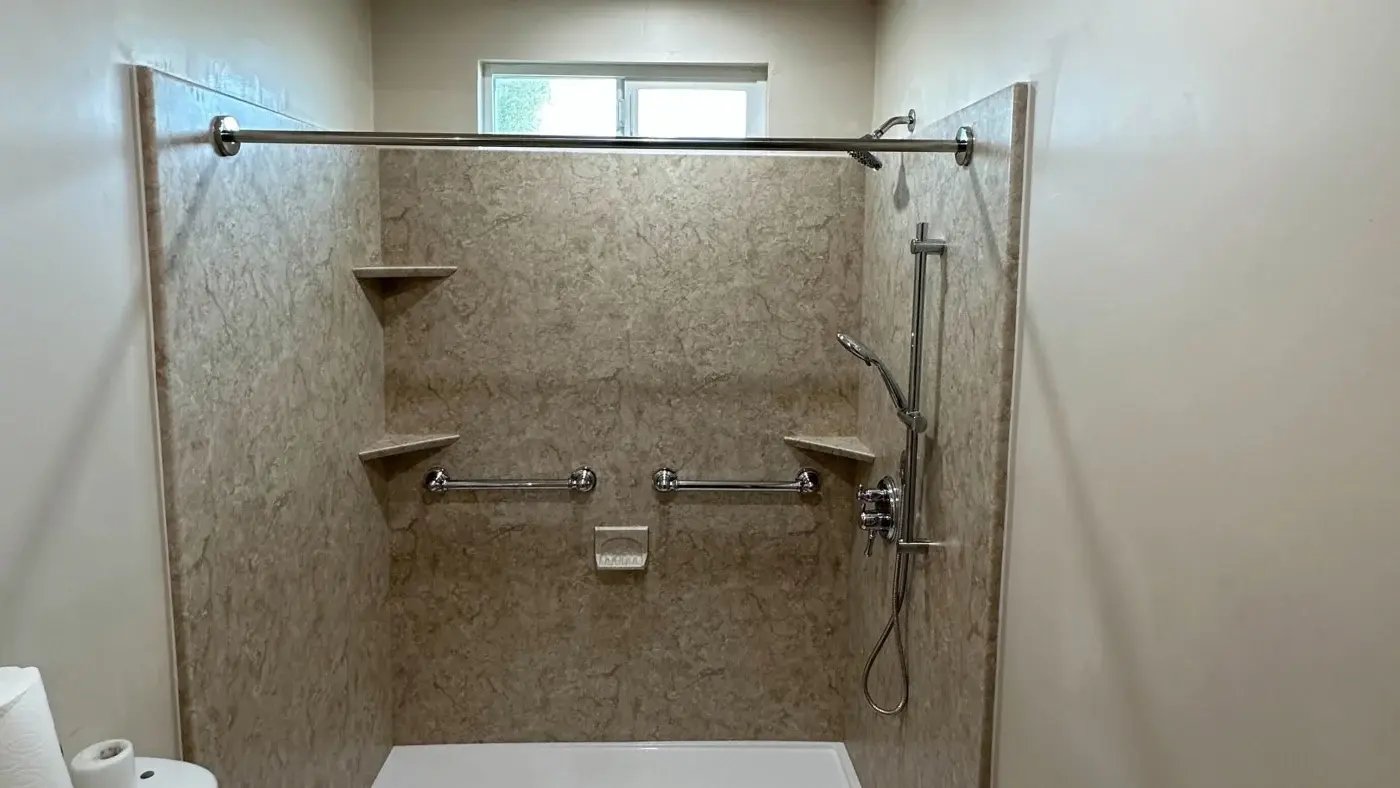
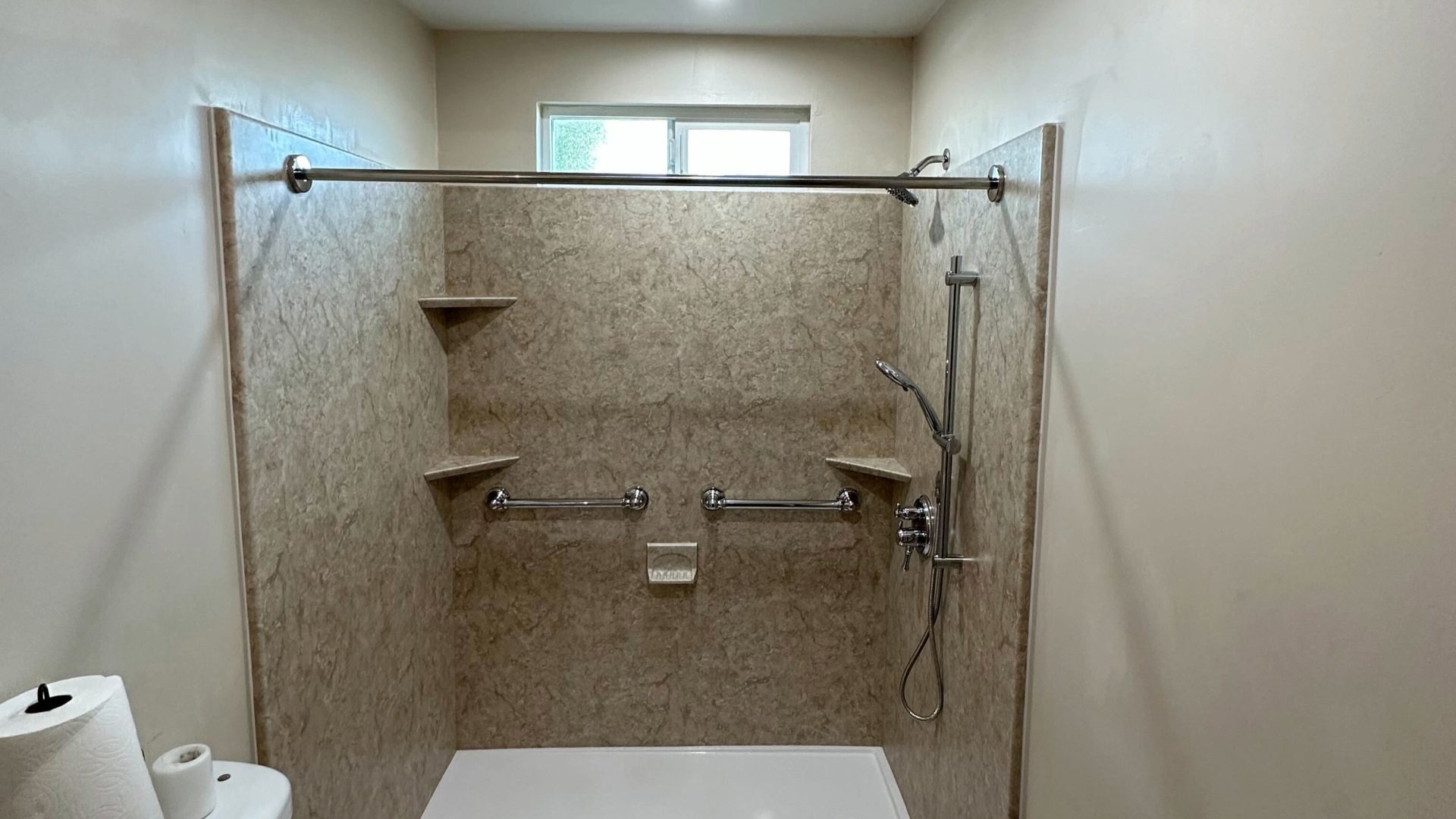
Walk-in showers are safer to step into, especially for older homeowners or anyone planning to stay in their home long term. You don’t have to lift your leg as high when you lower the threshold, lowering your risk of falling. You can make the area extra safe by adding grab bars, ADA slide bars, and a shower seat.
Showers are also faster for daily use. You don't have to wait for a tub to fill or cool down before you get in.
For a full breakdown of who benefits most and how, check out our article on the benefits of a tub-to-shower conversion.
Want to Learn More About Tub-to-Shower Conversions?
A tub-to-shower conversion means you get safety and ease of use. However, you have to weigh these factors against aspects such as resale appeal, enjoying a bathtub, and small conveniences like a tub ledge.
Don’t stop learning about tub-to-shower conversions. Read our article on how a tub-to-shower conversion makes your space safer.
Looking to get a tub-to-shower conversion? Schedule a free design consultation with Shugarman’s Bath to have someone walk through your bathroom and figure out the best solution for your home.

The opinions expressed in the referenced materials are those of the authors only, not necessarily of Shugarman’s Bath. While these referenced materials are useful in answering generalized questions, each bathroom is unique. For a particular question about your tub or shower remodeling project, contact your Shugarman’s Bath consultant.
FAQs About Tub-to-Shower Conversions:Q: How long does a typical shower remodel take?A typical tub-to-shower conversion takes 1-2 days. More complex projects in larger areas can take longer. Q: What materials do you use for your tub and shower products?Our products are mainly composed of a material called BP-Cor2. It's a high-tech polymer made up of 15% acrylic and 85% ABS, the same material used to make football helmets. It's a step up from traditional tile and standard acrylic. We can laser-etch grout lines into the material to give it the look of tile without the cleaning and maintenance that comes with it. We call it Modern Tile. |
-1.jpeg?width=1920&height=1080&name=CherylJordan_Web7%20(1)-1.jpeg)
-1.jpg?width=1920&height=1280&name=AmandaCheyney_Print2%20(1)-1.jpg)