
What Matters Most
|
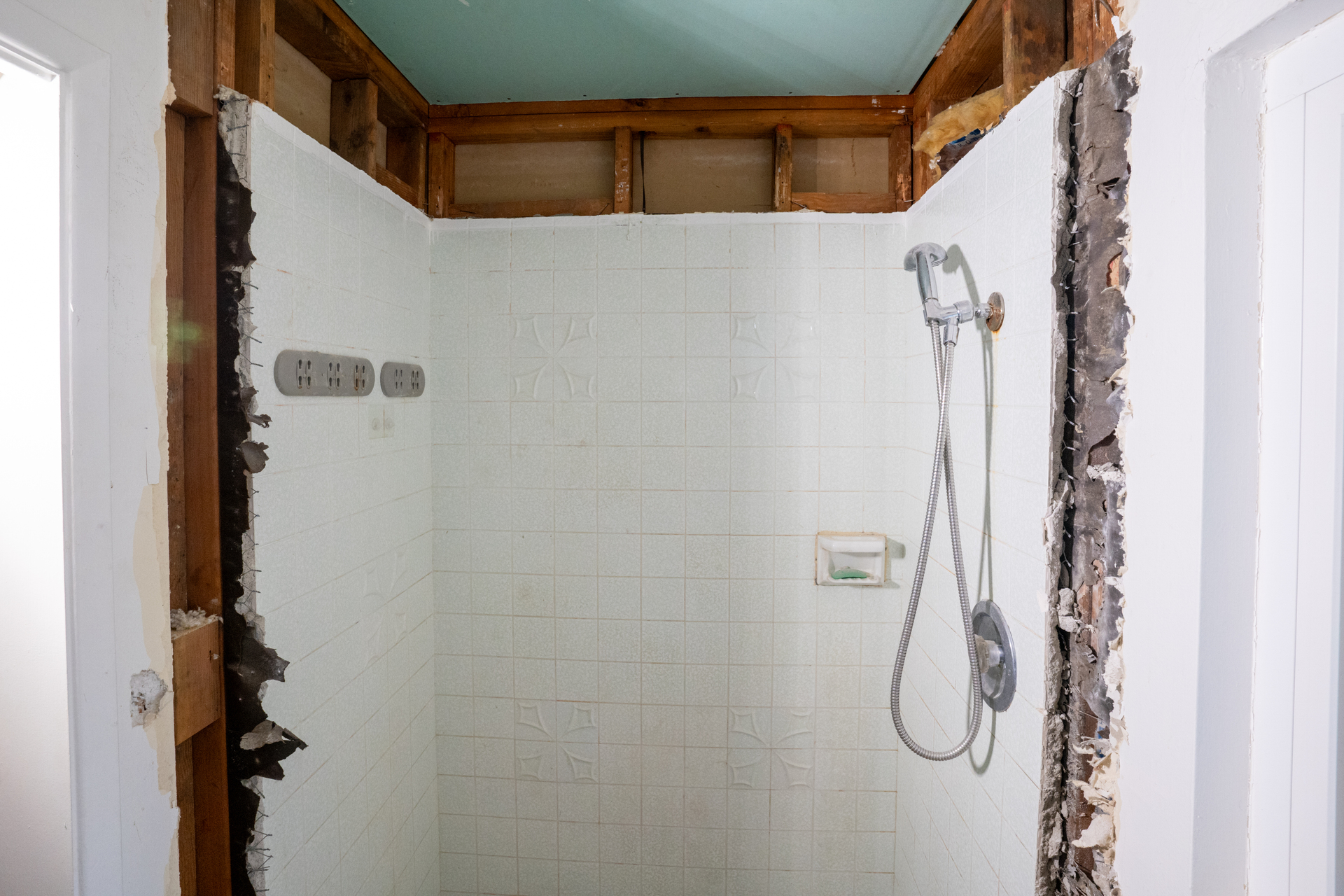
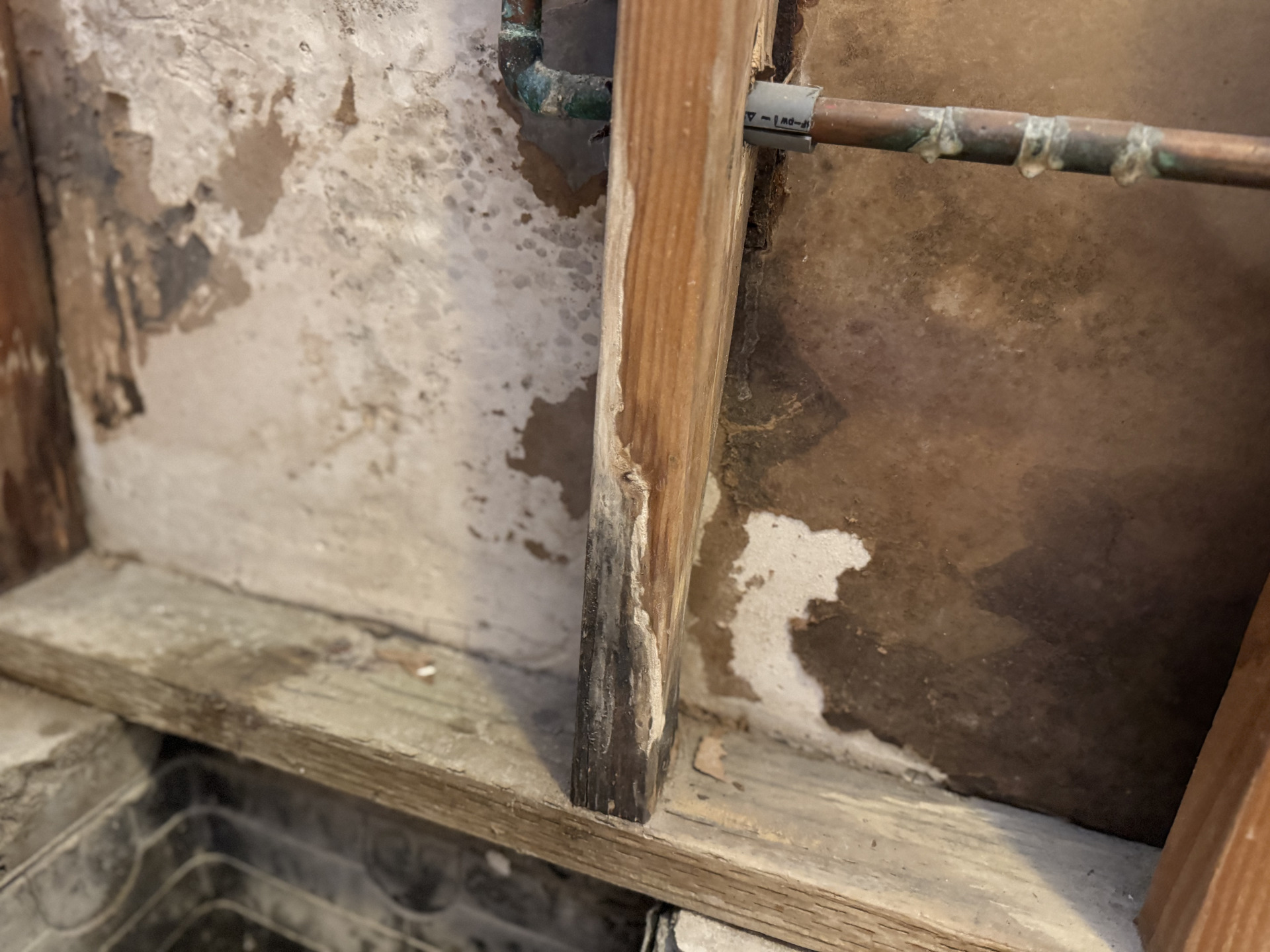
Water damage behind a wall is one of the most expensive problems a homeowner can face. And most leaks won’t be obvious. General contractors can sometimes make mistakes when waterproofing your bath or shower.
It might sound like we’re picking on general contractors… and that’s because we are. While we know of plenty that are great, the fact remains that shower remodels are specialty work. The last place you want people to cut corners is in waterproofing.
Shugarman’s Bath specializes in tub and shower remodeling. We remodel hundreds of bathtubs and showers every month. We’re used to seeing the horrors behind the walls during waterproofing.
In this article, you’ll learn the five waterproofing mistakes general contractors often make during a shower remodel. You’ll also see how to spot them before they cost you thousands in repairs.
Table of Contents:
- Where Does Waterproofing Fail Most in a Shower?
- What Waterproofing Mistakes Do General Contractors Make During a Shower Remodel?
- What Questions Should Homeowners Ask to Avoid Waterproofing Mistakes?
- A Shower Remodel is More Than What You See
Where Does Waterproofing Fail Most in a Shower?
Waterproofing problems often show up at the seams of a bath or shower where two walls meet.
There are also the top corners of a shower where you might see cracks. These joints experience a lot of stress from temperature changes and structural movement. Showers go from a cool room temperature to being shocked by hot water, causing the walls to expand. And when the shower cools down, they contract again. This happens over and over. Water doesn’t “shock” the walls in a dramatic way, but the expansion can be measurable over time.
More rigid materials, such as tile, fiberglass, and lower-quality acrylic shower walls, have difficulty flexing. So when they’re hit with movement, the stress can shift at the seams. When they move, the sealant in the corners takes the strain, weakening the seal and causing gaps to form.
What Waterproofing Mistakes Do General Contractors Make During a Shower Remodel?
Here are the five waterproofing mistakes contractors make during a shower remodel.
1. Failing to Seal Corner Seams Properly
Inside corners are structural transition points where two wall planes meet. Movement naturally occurs in these areas since the framing shifts. Even minor movements create stress at the corners.
Cracking or separation will happen if those areas aren’t properly treated as movement joints.
Corners require deliberate handling and must be treated as movement zones. Some contractors may not reinforce them, allow for movement, or may skip proper joint preparation altogether. If the installer doesn’t understand that corners are engineered stress points and doesn’t detail them correctly, the joints will eventually show it by cracking or separating.
2. Using Lower-Quality Backer Boards
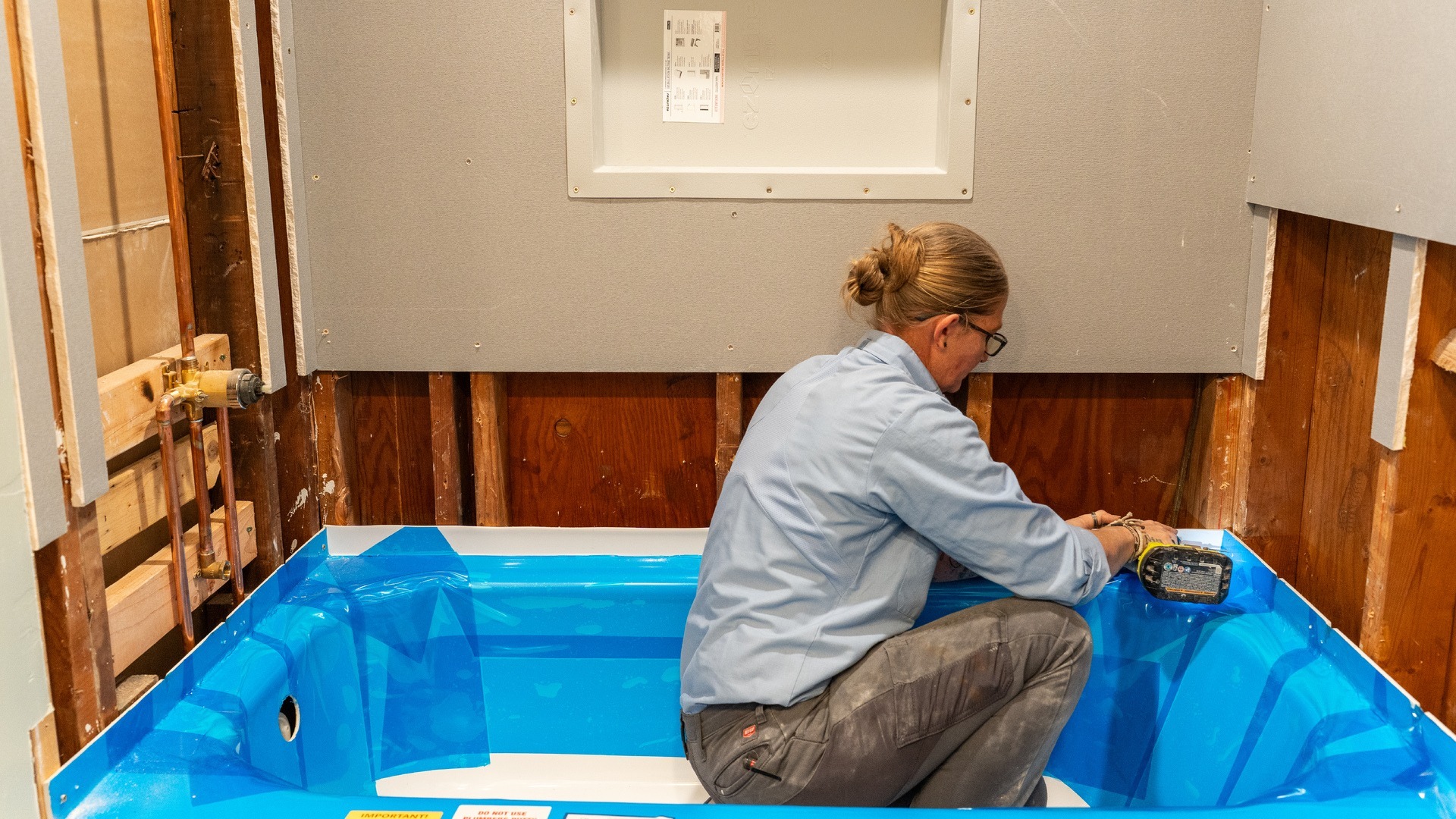
There’s more to your tub and shower area than meets the eye. What sits behind the surface matters more than most homeowners realize. Sure, everything on the surface may look fine. However, the structure behind it might not be built for long-term daily water use.
Some contractors use lower-quality backer board products, like greenboard and purple board. These materials typically contain a paper-faced gypsum, which includes organic material. When it’s constantly exposed to moisture, the material can break down, creating conditions where mold may develop.
Building codes have reflected concerns about the use of paper-faced gypsum products. In 2006, the International Residential Code removed paper-faced gypsum products from the list of approved backer materials for direct wet areas. The California Residential Code follows similar requirements. Yet some contractors still use them out of habit, cost considerations, or misunderstandings about moisture-protection requirements. Material selection practice can vary depending on code interpretation and enforcement.
When a lower-quality backer board is installed, long-term water exposure can lead to problems behind the shower walls and cause damage to structural elements of your home. Compare this to higher backer board products such as DensShield, which uses high-performing fiberglass mat gypsum panels better suited for moisture resistance.
3. Using Cheap Silicone Or Standard Caulking That Dries and Peels
When some contractors rely on surface materials as the primary waterproof barrier, it’s the silicone that can make or break the system's effectiveness. Some contractors also do the big no-no of applying standard, general-purpose caulking. Caulking like that is meant for dry areas in spaces with occasional moisture. It does not last long in an area with repeated water exposure.
Cheaper silicone and standard caulking can shrink, crack, or peel away from the surface. And your shower is hit with about 17.2 gallons of water on average per use. So, if there are any cracks or spaces for water to get through, it will.
4. Not Replacing Old Plumbing Behind the Walls
It’s already bad enough when water goes from the surface to behind your walls. Now imagine how much of a nightmare it is when water is coming from right behind the wall.
Some contractors reuse old plumbing behind your shower walls. Older pipes are likely to develop leaks later.
Before starting a shower remodel, ask how the contractor will handle the existing plumbing. Some older pipes may need to be replaced, while others may still be in good condition. What matters most is that the plumbing is properly evaluated and covered under warranty. It’s even better if your contractor holds a C36 plumbing license.
If your plumbing fails after your shower remodel, you will essentially be paying for another shower remodel to fix it.
5. Rushing Installation or Skipping High-Stress Areas
When a contractor rushes a job, the quality of workmanship can take a hit. High-stressed areas, such as seams and corners, can be missed and need reinforcement. Potential leak zones may not be identified.
Waterproofing needs to be done carefully and taken seriously. If an installer doesn’t slow down to ensure waterproofing is done properly, they’re leaving weak points for water to damage your home.
During your consultation, ask your design consultant what steps the installers take to ensure the shower is properly waterproofed.
What Questions Should Homeowners Ask To Avoid Waterproofing Mistakes?
To reduce the risk, ask clear questions:
- What backer board do you use in the tub and shower area?
- How do you evaluate and handle existing plumbing during the remodel?
- Do you guarantee the shower is watertight?
- How do you protect the structure behind the tub and shower walls?
For more questions to ask during a consultation and answers to look for, download our full buyer’s guide!

A Shower Remodel Is More Than What You See
Waterproofing failures will start at seams, corners, behind backer boards, or inside old plumbing. Rigid materials, cheap sealants, and botched installation work can increase the likelihood of waterproofing failure. All of these are reasons why a shower remodel needs to be done well behind the surface shower walls.
Small shortcuts can lead to big problems that burn a hole in your pocket. That’s why you need to be sure a general contractor takes waterproofing very seriously.
Next, read our article on how to find the right contractor for your tub and shower remodel. That way, you can make sure your project goes smoothly and is of high quality.
Have general questions or want to schedule a design consultation? Contact Shugarman’s Bath today for your tub and shower remodeling needs!
The opinions expressed in the referenced materials are those of the authors only, not necessarily of Shugarman’s Bath. While these referenced materials are useful in answering generalized questions, each bathroom is unique. For a particular question about your tub or shower remodeling project, contact your Shugarman’s Bath consultant.
FAQs on Tub and Shower Remodeling:Q: How long does a typical shower remodel take?A typical shower remodel takes 1-2 days. More complex projects in larger areas can take longer. Q: Does Shugarman's Bath Do Repair Work?No, Shugarman's Bath does not do general repair work. The reason is that repairs are temporary fixes that buy time but do not solve the underlying problem. Most homeowners end up paying for the same repair more than once, or eventually replacing the materials anyway after spending money trying to maintain them. Q: Do you remodel the whole bathroom or just the tub and shower area?We're specialists in the tub and shower area. That's where our focus stays. For other parts of your bathroom, we work with trusted contractors regularly and can refer you to the right people at no extra charge. That referral can save you 10-20% on a larger project. |
-1.jpg?width=1920&height=1080&name=JoniCoci_Demo23%20(1)-1.jpg)
.png?width=1920&height=1080&name=VERSUS%20(1).png)


-1.jpeg?width=1920&height=1080&name=After%203%20(1)-1.jpeg)