

-1.jpeg?width=1920&height=1080&name=After%203%20(1)-1.jpeg)
What Matters Most
|
When you're planning a shower remodel, choosing a shower head should feel simple. But once you start looking at your options, the differences between a fixed head, a handheld, a rain shower, or a combo aren’t always apparent. The wrong choice is one you’ll notice every morning.
Shugarman's Bath conducts more than 500 design consultations every month. We are often asked questions about shower heads. We know which choices work in which spaces, and we understand the trade-offs most homeowners don't consider.
This article covers the 4 types of shower heads, what factors determine which one makes sense for certain spaces, and the mistakes to avoid when deciding.
Table of Contents:
- Why Do Most Homeowners Replace Their Shower Heads?
- What Types of Shower Heads Can You Choose From?
- Does the Size of Your Shower Affect Which Head You Should Choose?
- What Should You Know Before Choosing a Rain Shower Head?
- 4 Mistakes to Avoid When Choosing a Shower Head
- Not Sure Which Shower Head to Choose?
Why Do Most Homeowners Replace Their Shower Heads?
Homeowners do this for one of four reasons:
- They want better water pressure
- They want to replicate the shower setup they already have. They like how their current shower head works and want the upgraded version.
- They want a handheld shower head for convenience and easier cleaning
- Some homeowners want a rain shower head, which is a feature that is chosen more for aesthetic reasons. Homeowners encounter one at a hotel and want that experience at home.
What Types of Shower Heads Can You Choose From?
There are four basic configurations to choose from:
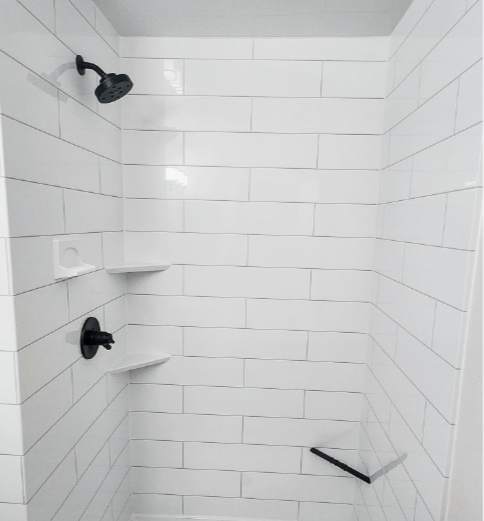
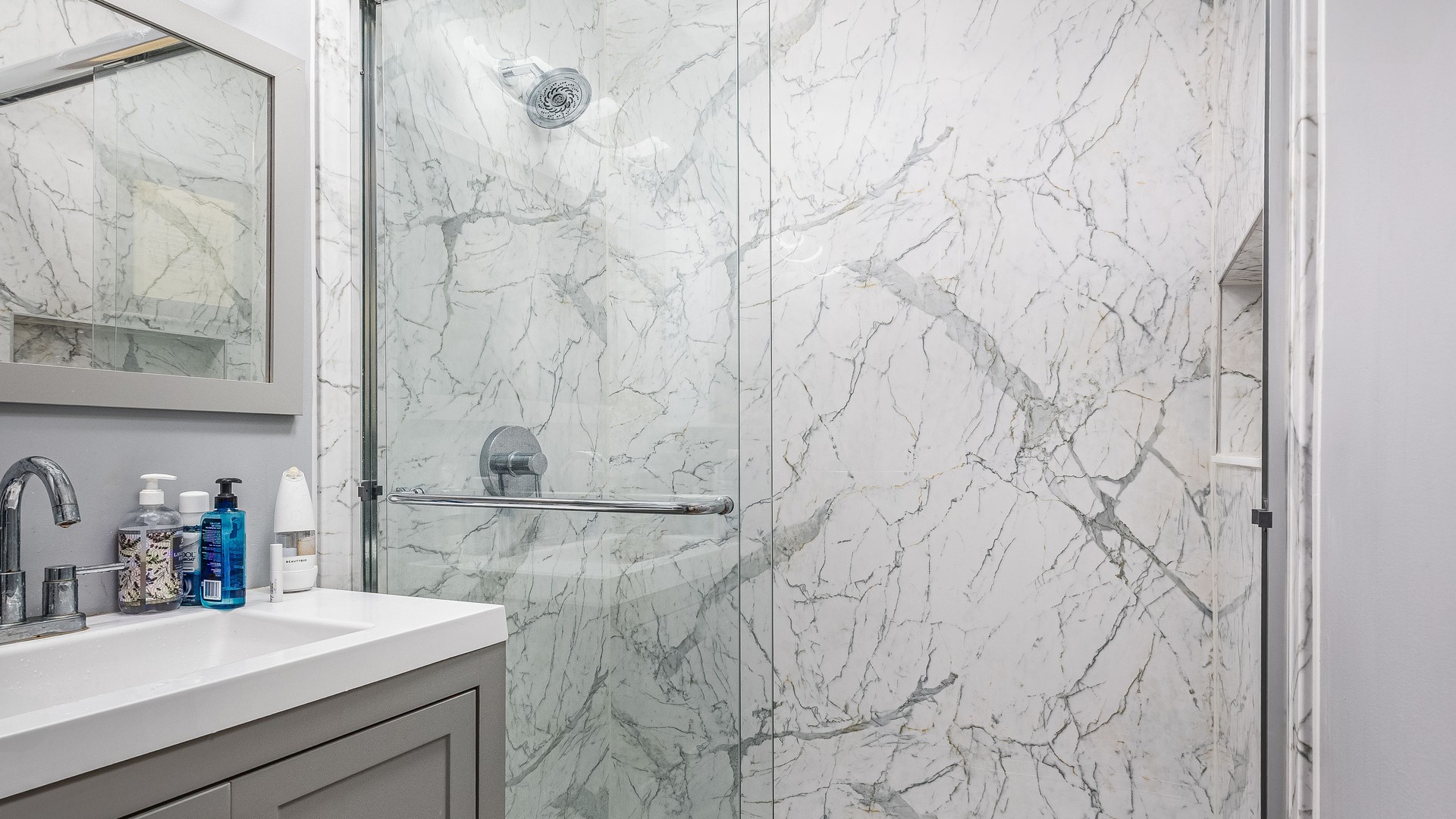
A fixed shower head mounts on the wall and stays in place. It’s the most straightforward option and works well in most showers.
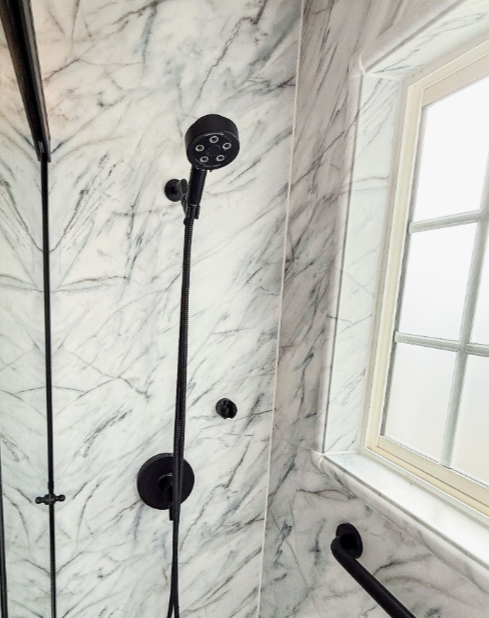
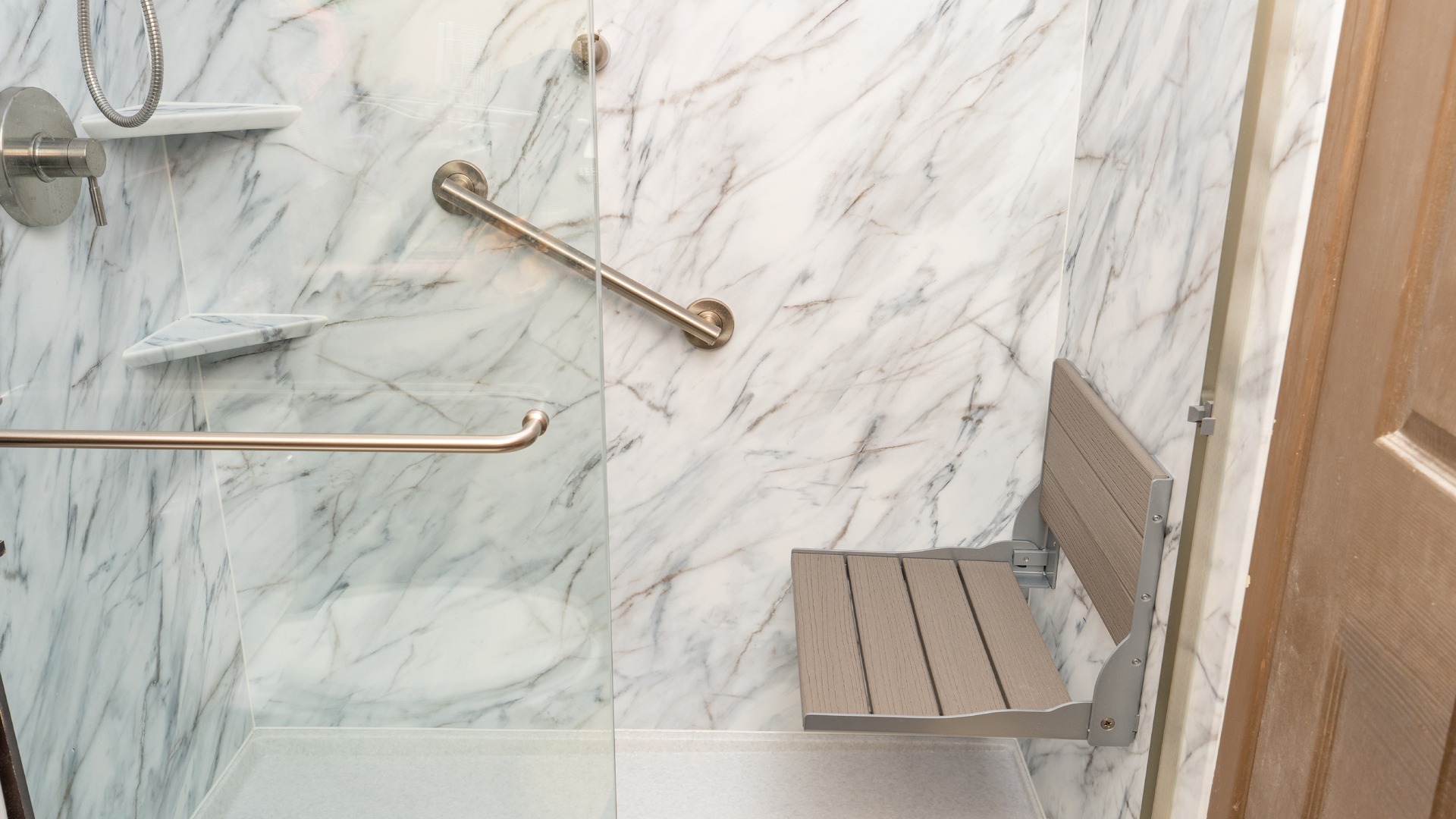
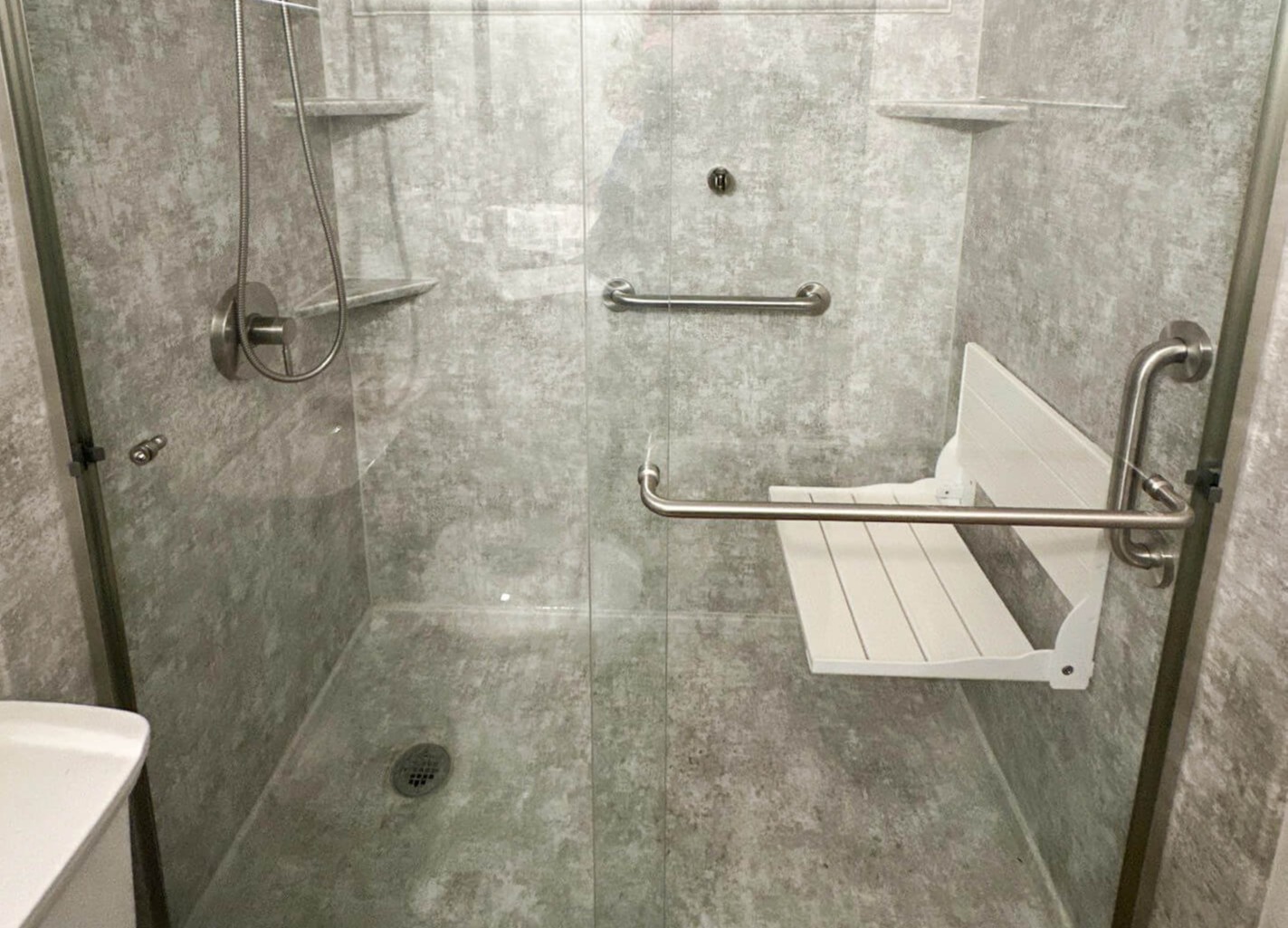
A handheld shower head attaches to a flexible hose. It can be dismounted to make rinsing easier, clean shower walls, and work well for anyone who uses a shower seat.
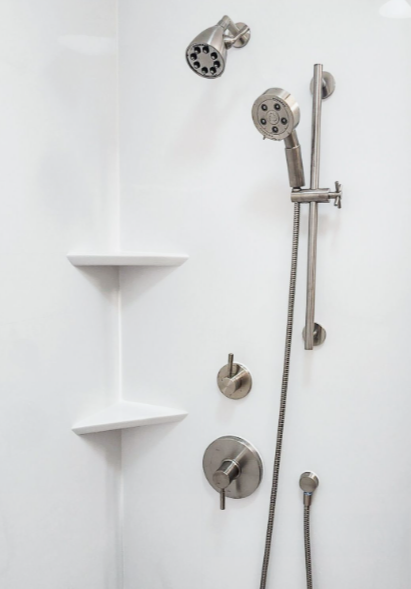
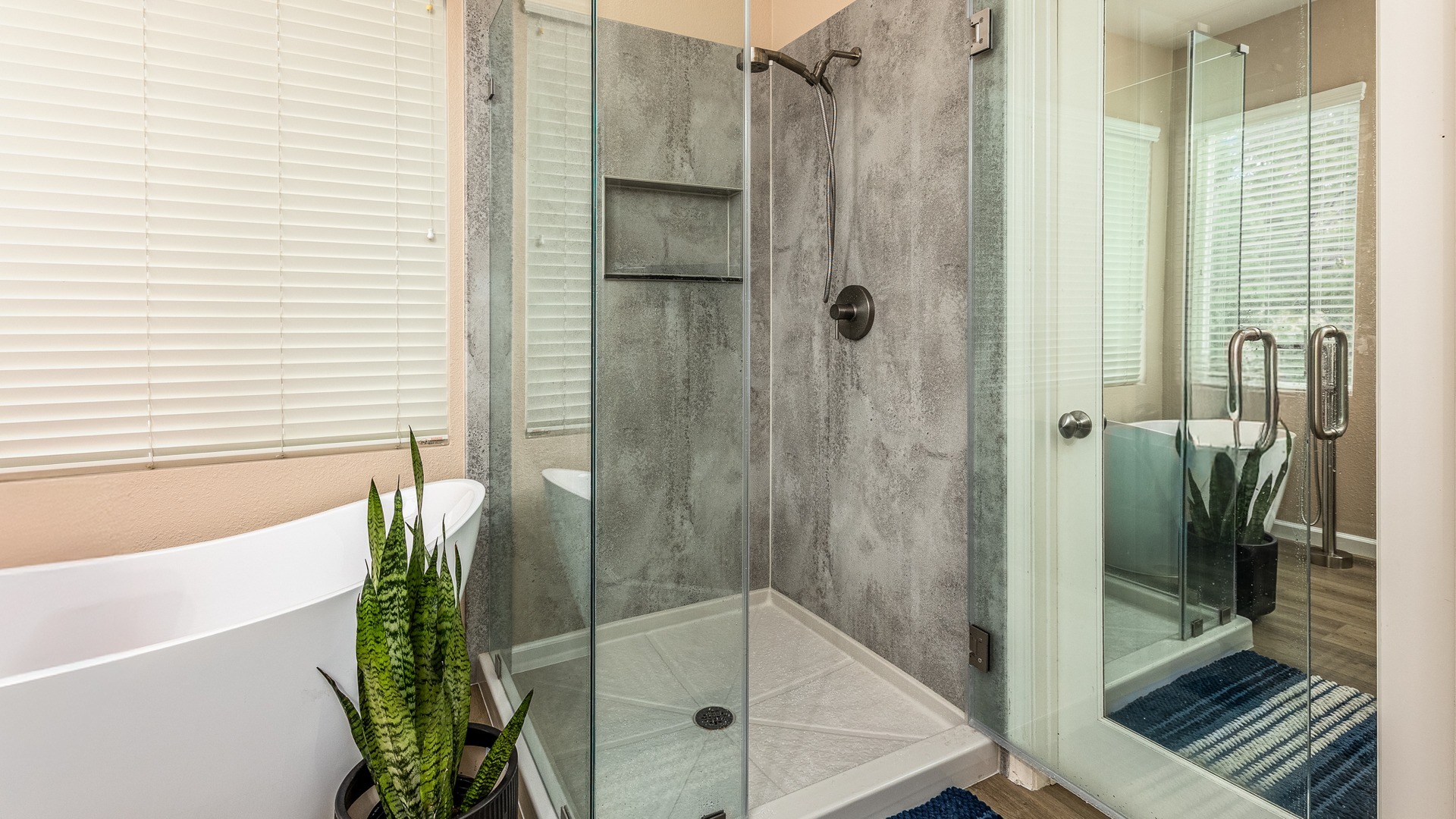
A fixed-and-handheld combo gives you the best of both worlds and is popular among many homeowners.
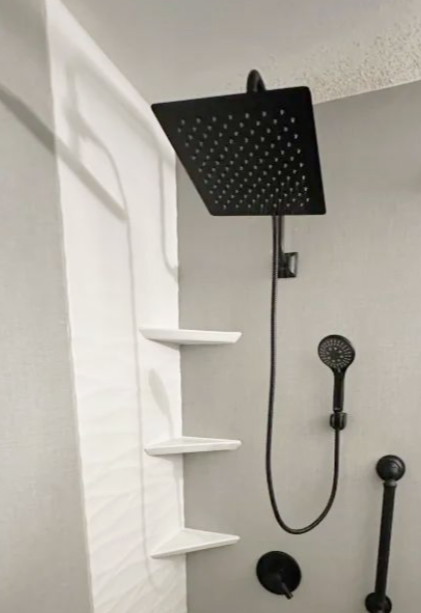
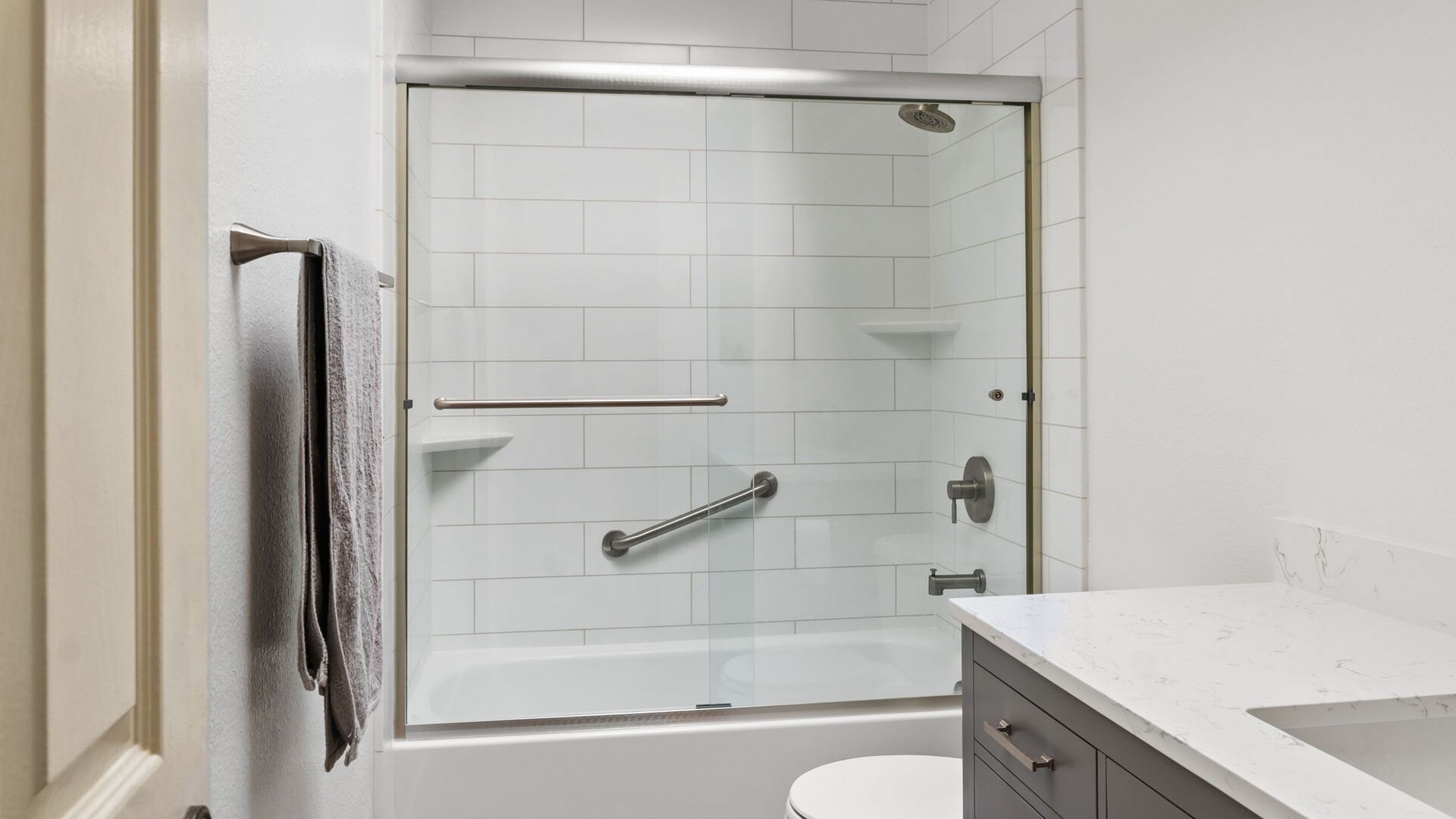
There is a fourth, less-chosen option: the combination of rain and handheld. If a homeowner opts for a rain showerhead, they’ll add a handheld. Rain heads tend to produce less water pressure than a standard head.
|
Fixed Shower Head |
Handheld Shower Head |
|
|
|
|
Fixed-and-Handheld Combo |
Rain-and-Handheld Combo |
|
|
|
Does the Size of Your Shower Affect Which Head You Should Choose?
Yes, the size of your shower could affect which type of shower head you choose. For instance, a rain shower head might not make sense in a small shower. A fixed head might work better.
In a larger shower, a handheld shower would work well since it offers flexibility, especially if you have a shower seat.
What Should You Know Before Choosing a Rain Shower Head?
Rain shower heads are chosen more for looks than performance. The main tradeoff is water pressure. A rain head delivers a softer, wider spray. This means there is less pressure than a standard fixed head. If you want strong water pressure, a rain head might disappoint you.
A standalone rain shower head is less common among homeowners. Ceiling-mounted rain heads exist as an option but are rarely selected.
4 Mistakes to Avoid When Choosing a Shower Head
Here are a few common missteps that could lead you to a choice you’ll hate later.
- Expecting a rain shower head to feel like a standard fixed head. Some shower heads produce a softer spray. A standard head will produce the best results.
- Skipping the handheld because you've never had one. Handhelds are a useful, practical choice. They make cleaning yourself easier, help you clean your shower walls faster, and make bathing kids or pets simpler.
- Choosing a finish based on looks alone. San Diego and Orange County are Southern California areas with hard water. Because of this, water spots stand out like a sore thumb on chrome and matte black finishes. Brushed nickel is generally easier to keep looking clean between washes.
- Waiting until the last minute to mention a rain shower head. If your dream shower includes a rainhead, mention it early in your design consultation. That way, your consultant will show you all the product options, which affect how the rest of your selections come together.
Not Sure Which Shower Head to Choose?
Picking the right shower head comes down to how you use your shower, the size of your space, and the finish you can see yourself living with. If you’re still unsure which configuration would work best for your shower, check out our project gallery to see what could work best for your space.
You don’t need to choose a shower head on your own. Schedule a free consultation with Shugarman’s Bath to have a professional assess your space, ask the right questions, and help you choose a shower head that works for your area.

The opinions expressed in the referenced materials are those of the authors only, not necessarily of Shugarman’s Bath. While these referenced materials are useful in answering generalized questions, each bathroom is unique. For a particular question about your tub or shower remodeling project, contact your Shugarman’s Bath consultant.

.png?width=1920&height=1080&name=VERSUS%20(1).png)










.png?width=1919&height=1080&name=Screenshot%20(177).png)
