
.jpg?width=1920&height=1080&name=VERSUS%20(2).jpg)
What Matters Most
|
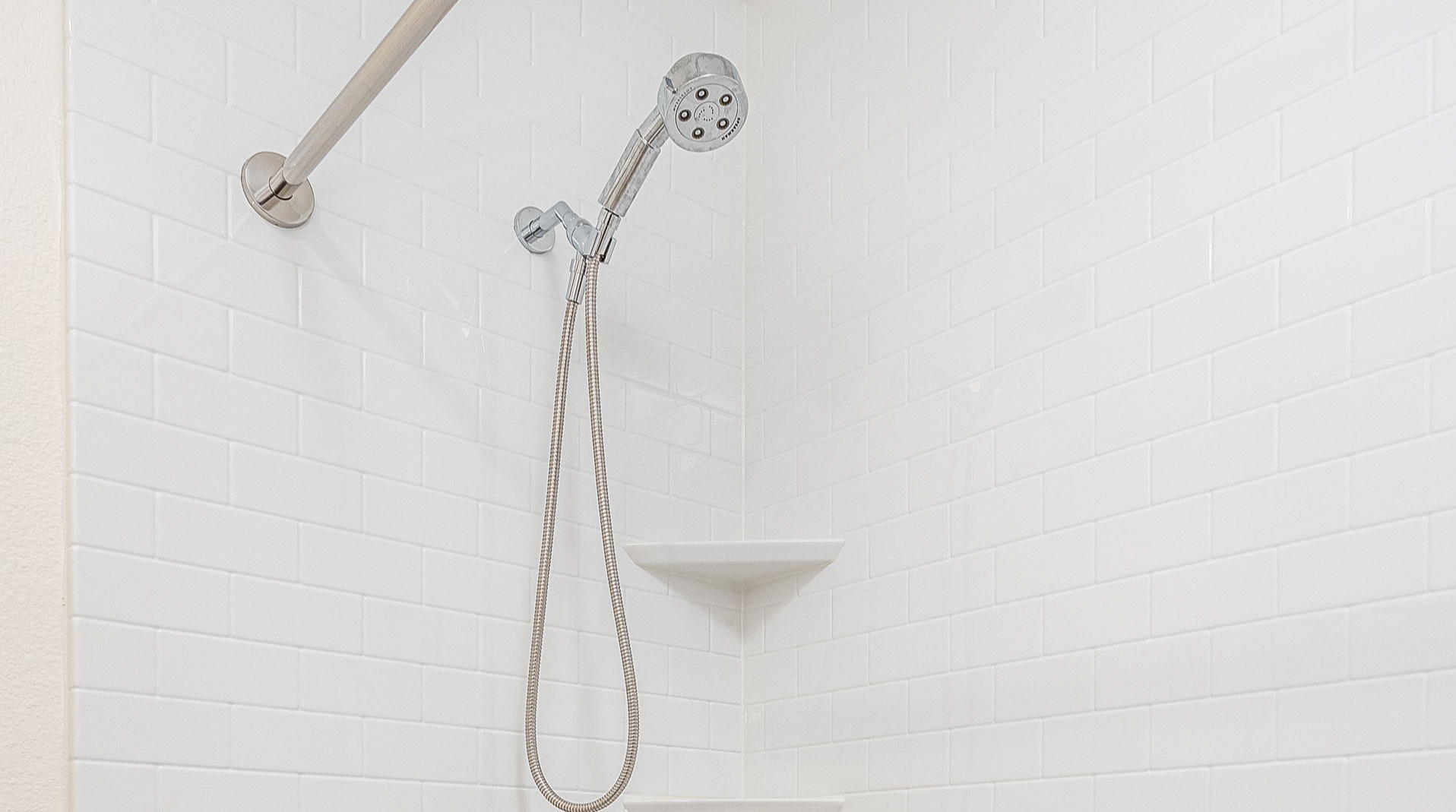
If you’re remodeling your tub or shower, chances are traditional tile is the first option that comes to mind. It’s been used for decades. Most homeowners know what the options look and feel like.
Today, another option many homeowners are less familiar with is modern shower wall systems. These are systems with shower tile patterns that do not use grout.
At Shugarman’s Bath, we specialize in the tub and shower area. Many of our installations involve modern tile wall systems. While we don’t install traditional tile, we regularly speak with homeowners comparing the two. We believe you deserve a clear breakdown between the two options.
In this article, you’ll learn how traditional and modern shower tiles compare in waterproofing, maintenance, installation quality, design flexibility, and cost. By the end, you’ll understand the trade-offs of each system.
Table of Contents:
- What Is Traditional Shower Tile?
- What Is Modern Shower Tile?
- What’s the Cost Difference Between Traditional and Modern Tile For a Shower Remodel?
- How Does Each Shower Tile System Handle Waterproofing?
- How Does Each Shower Tile Choice Compare in Maintenance?
- How Do Traditional and Modern Shower Tiles Compare in Installation Quality?
- Table Comparison of Traditional vs. Modern Shower Tile
- Choosing the Right Shower Tile for Your Tub or Shower Remodel
What Is Traditional Shower Tile?
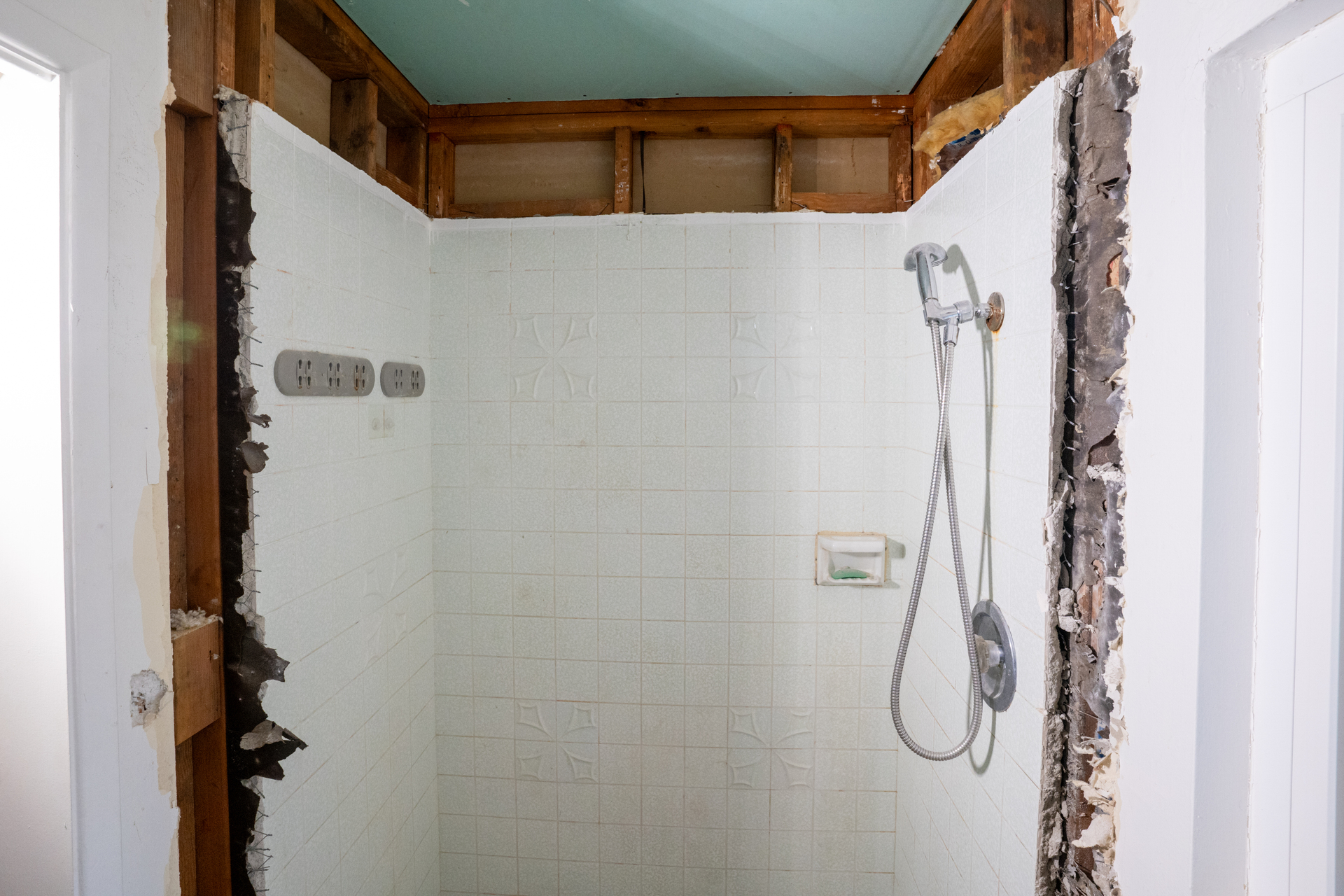
Traditional shower tile is made from individual ceramic, porcelain, marble, or stone tiles. Each tile is set in place and separated by grout lines.

Traditional shower tile is popular because it has been used for decades. Homeowners are familiar with traditional tile, choosing from what feels like an unlimited range of design options, patterns, and colors.
Like any other shower wall material, traditional tile's performance depends heavily on how it’s installed and maintained.
What Is Modern Shower Tile?
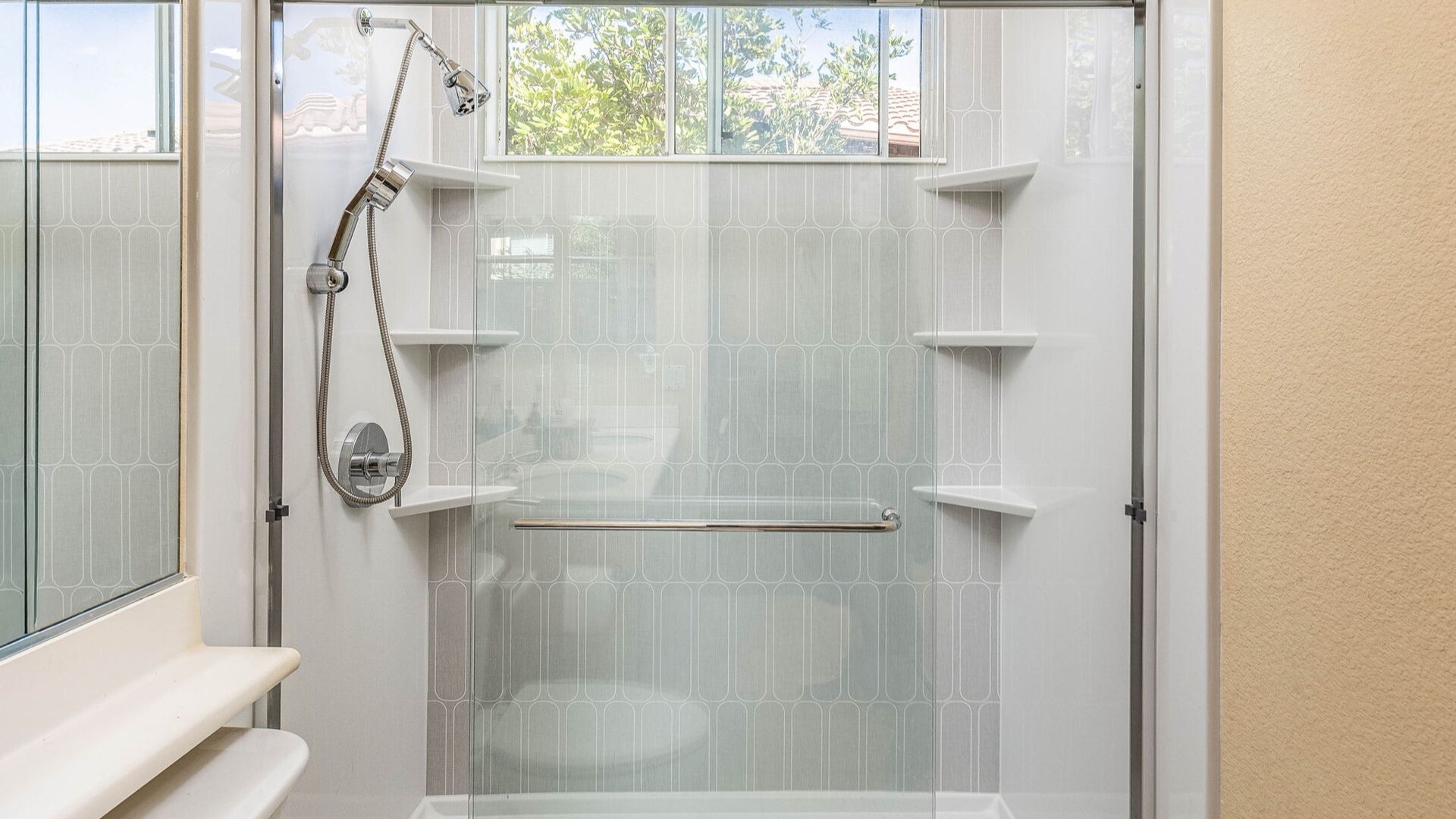
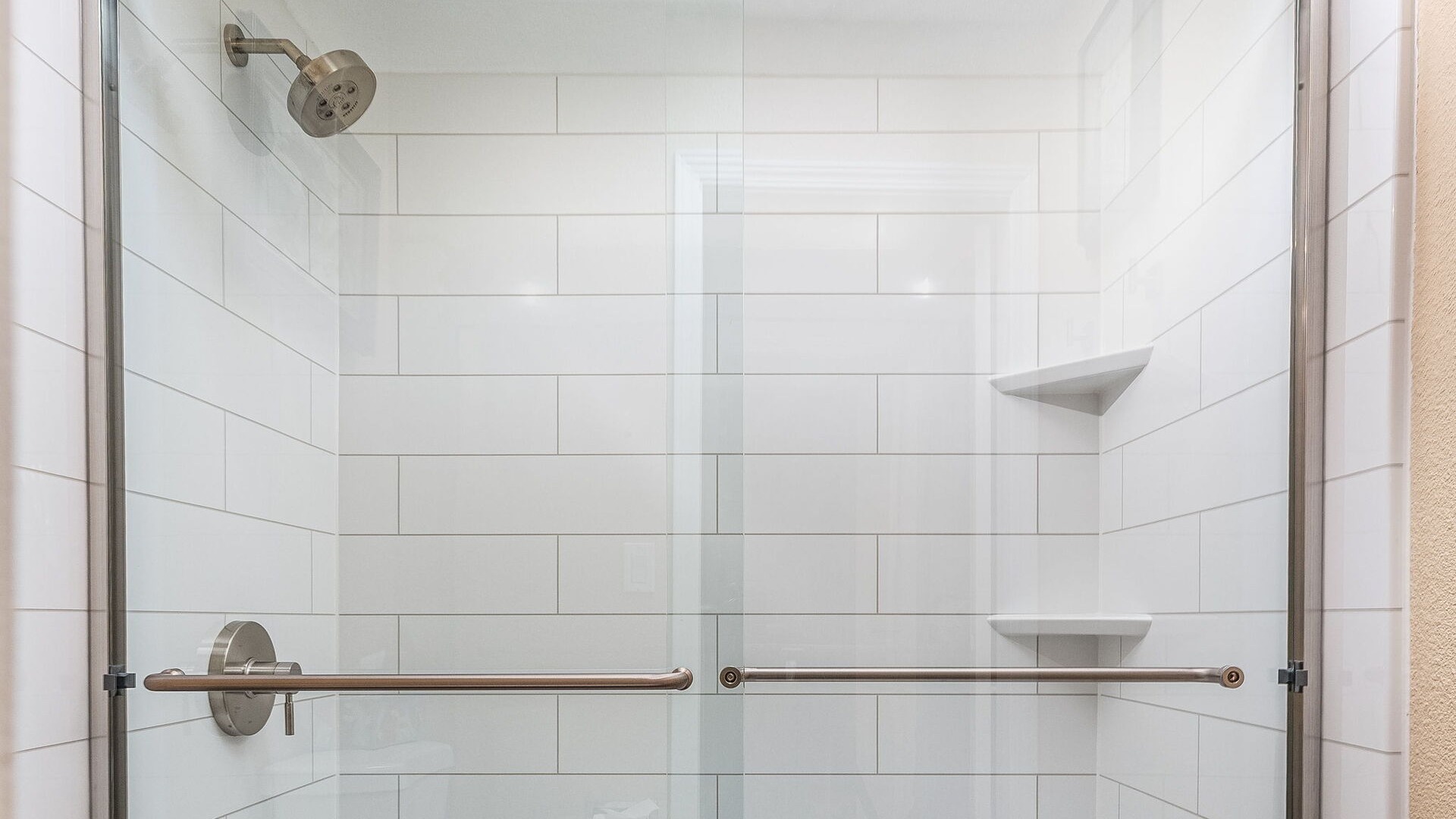
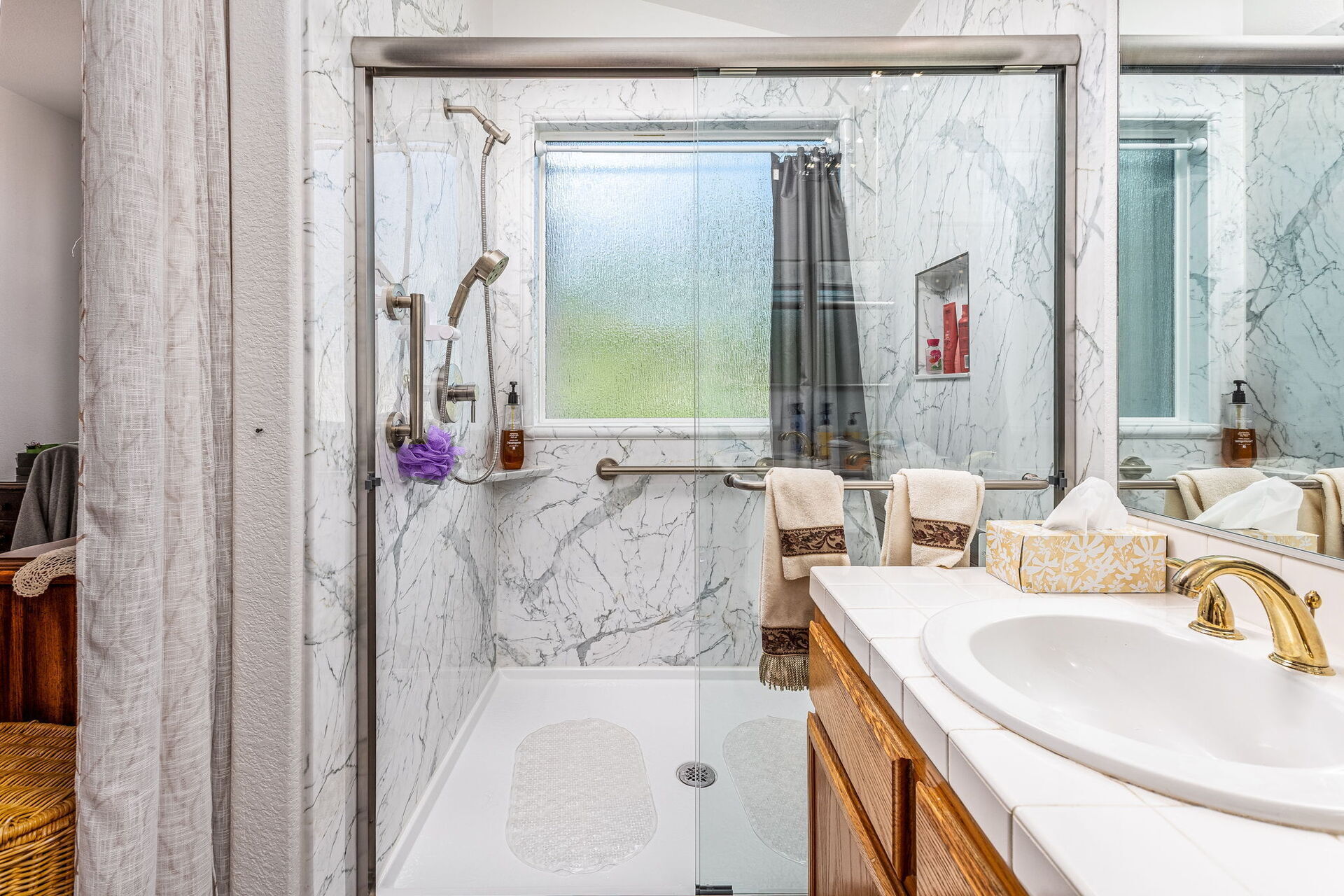
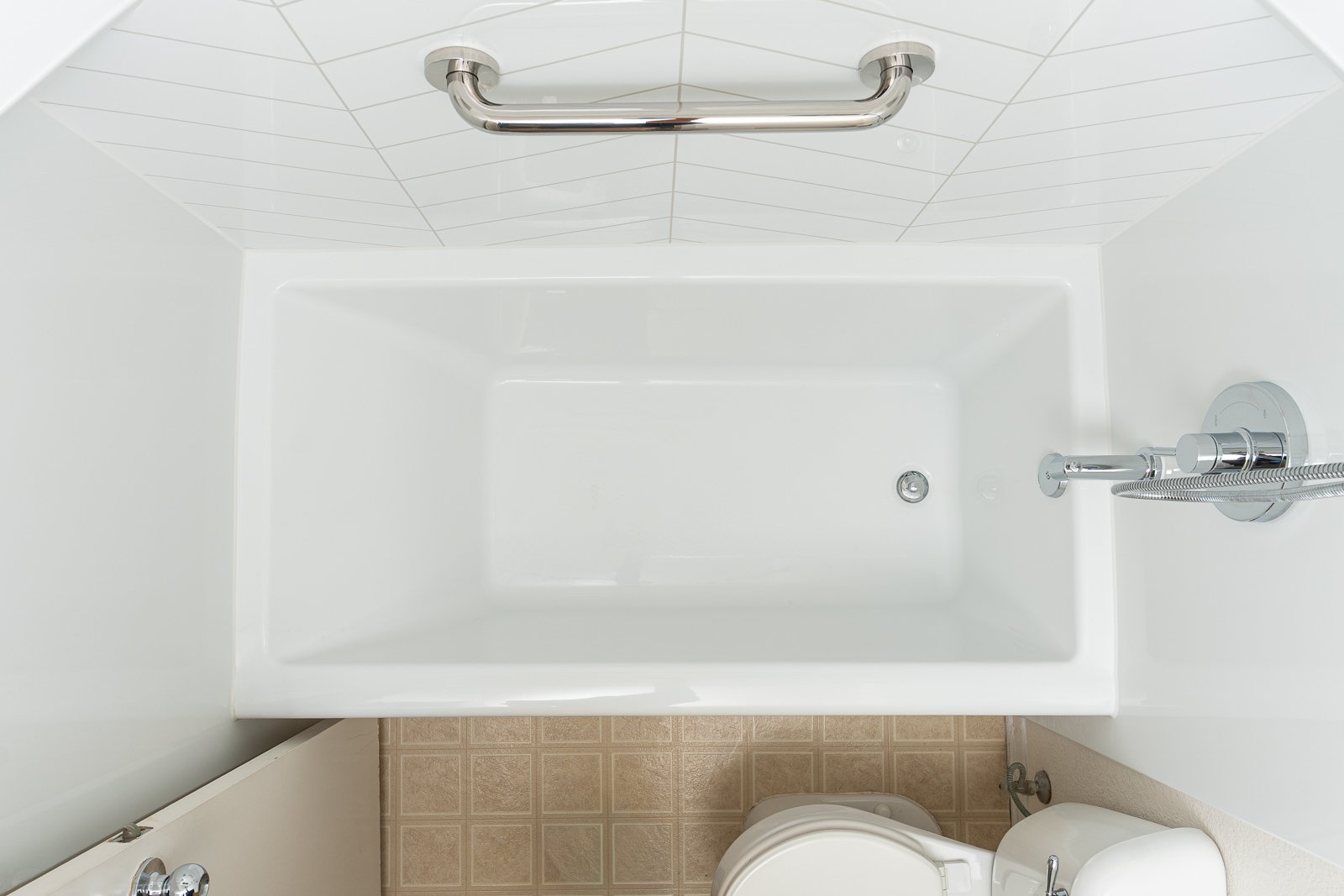
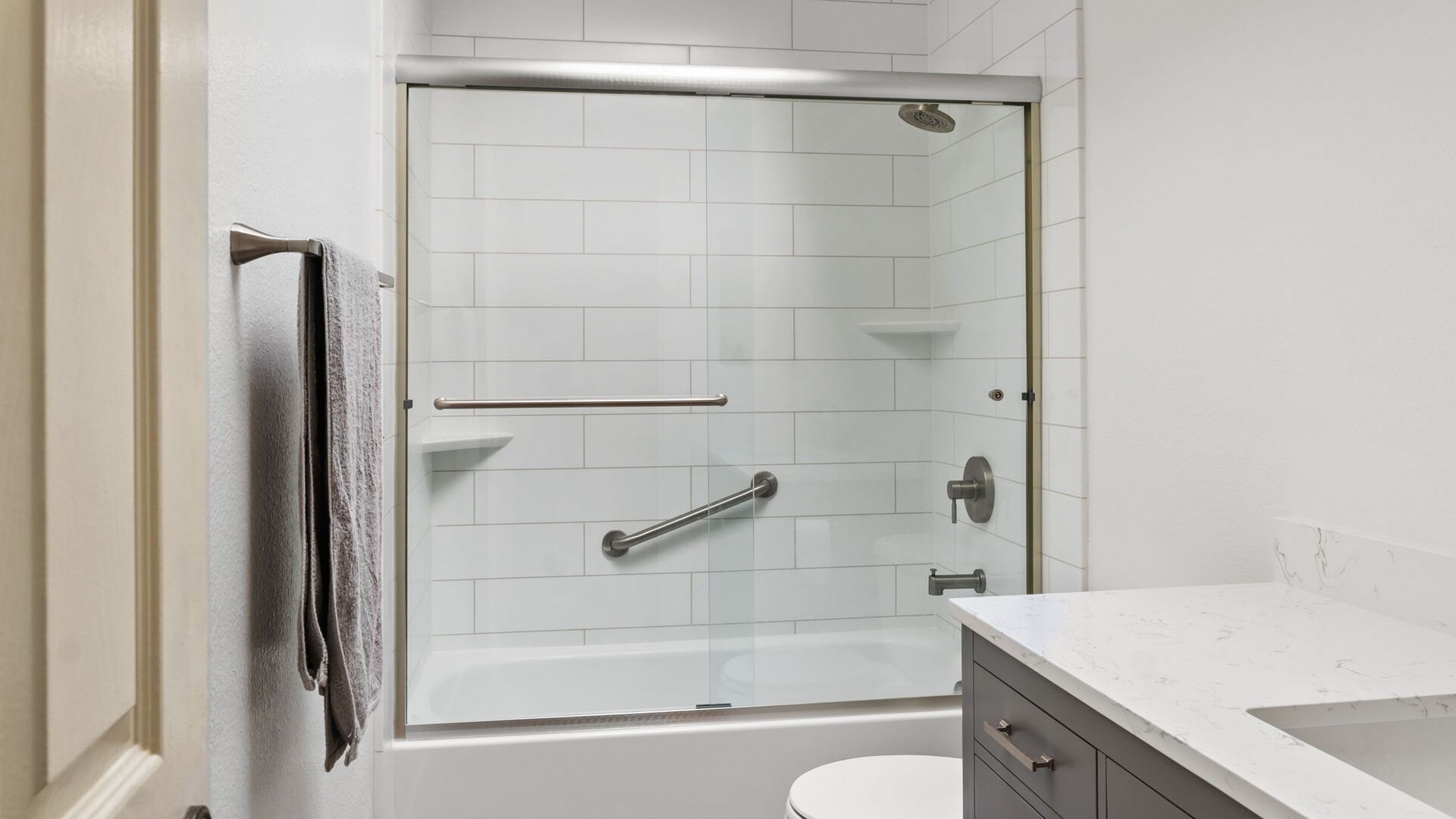
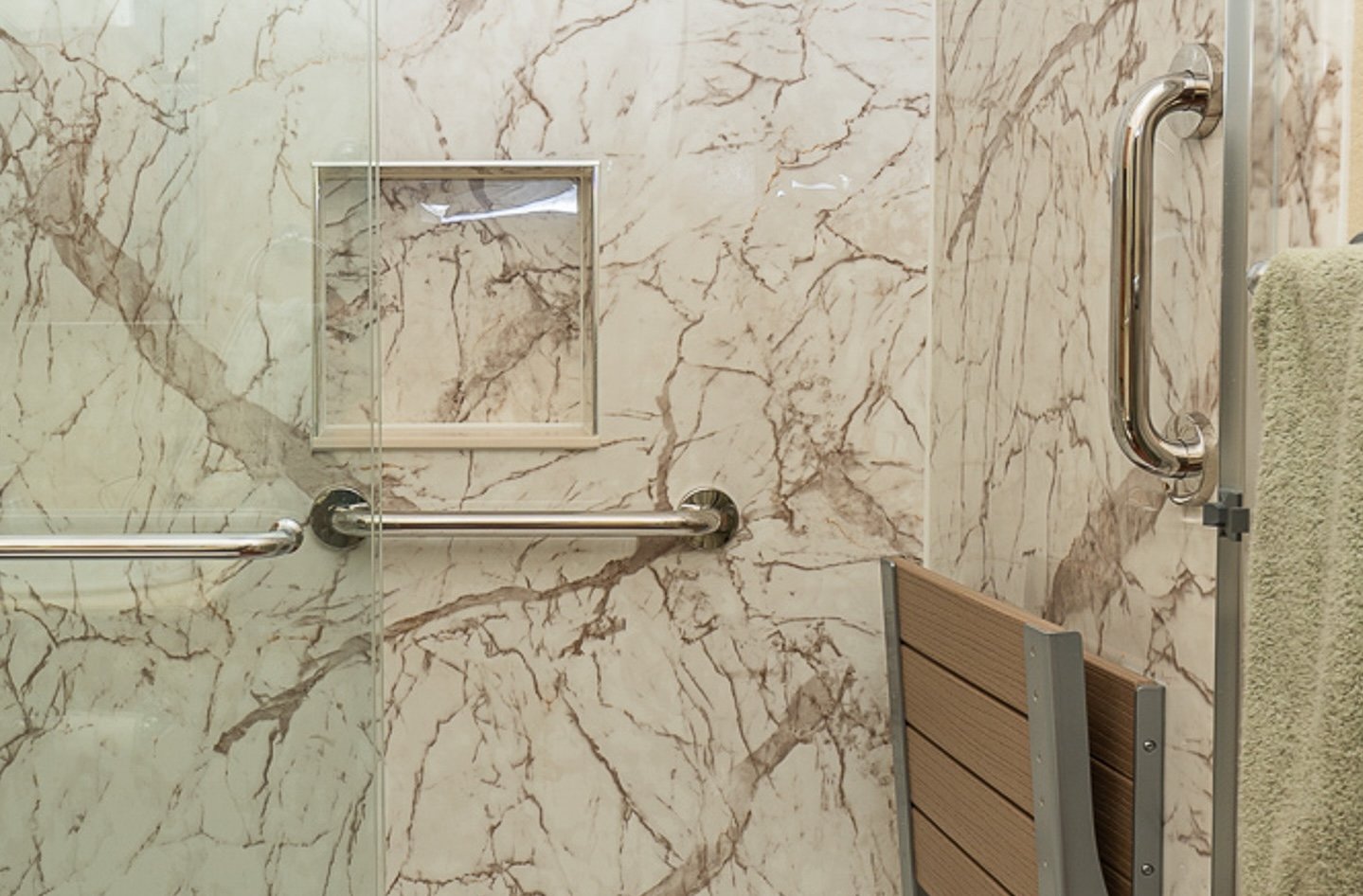
Modern shower tile is a non-porous surface designed to look like traditional tile. The grout lines are laser etched onto a BP-Cor2 shower wall surface. While the lines certainly look like grout, they don’t act like grout.
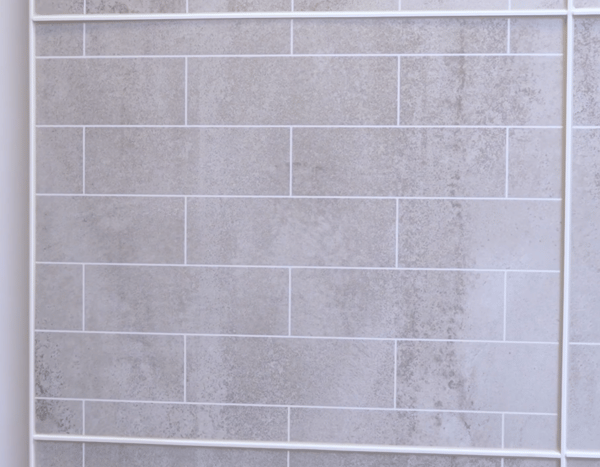
The entire surface is nonporous, meaning water, dirt, and bacteria won’t soak into the material. It makes cleaning a heck of a lot easier.
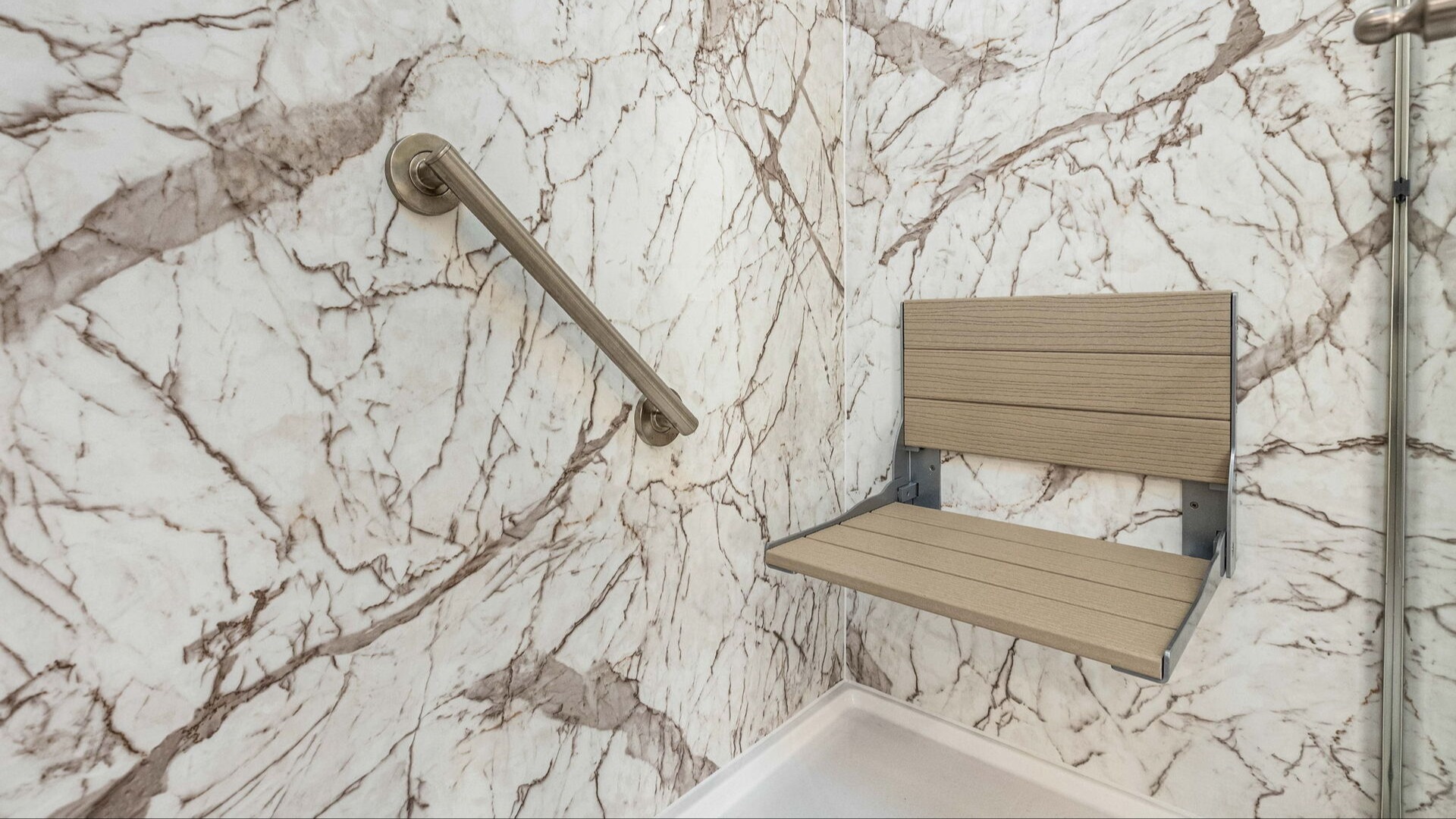
While there are 500-600 color and design combinations available, design options are still more limited than those for traditional shower tile.
What’s the Cost Difference Between Traditional and Modern Tile For a Shower Remodel?
When comparing costs, it’s important to compare the complete tub and shower remodel. Both traditional and modern tile are installed as part of larger wall systems, which include demolition of the area, backer boards, waterproofing, plumbing updates, and installation labor.
Here’s what you need to know about the cost of each type of tile system:
Traditional Shower Tile Costs
Many traditional tile shower remodels typically fall in the range of $9,000 to $14,000, though the cost can vary widely in price through materials and installation approach. The factors you need to consider when installing traditional tile are the tile material, backer board and waterproofing system, and the level of installation labor and craftsmanship required. You also need to consider additional long-term costs, such as grout resealing, tile repair, or replacement if moisture damage occurs behind the wall.
Lower-cost tile and faster installations reduce the upfront costs. However, lower-cost may rely on basic materials and fewer waterproofing steps. You’ll be paying for it later due to maintenance issues.
A properly built traditional tile shower from a professional tile company can cost as much as, or even more than, a modern shower wall system. This is because of proper waterproofing, skilled labor, specialty tile, and the time required for installation, depending on what’s involved.
Modern Shower Tile Costs
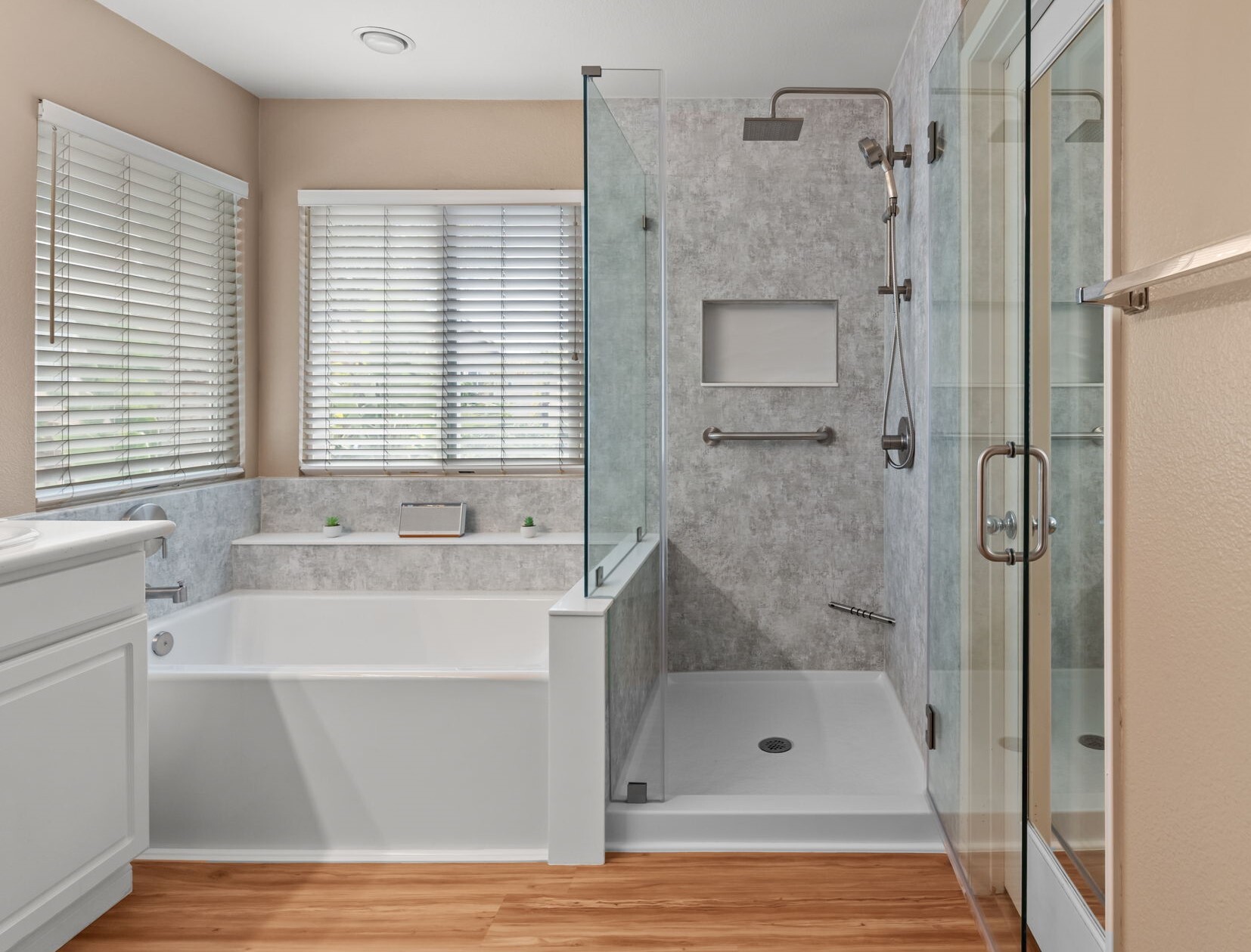
At Shugarman’s Bath, projects that include modern tile shower wall systems typically fall within the range of $16,000 to $22,000, with an average project size of roughly $18,500.
Larger layouts or more customized remodels can exceed $22,000, depending on the size of the project. design selections, additional features, and installation work required.
Modern shower wall systems are typically priced as part of a full tub or shower remodel rather than as individual materials. Cost factors include the size of the tub or shower area, the wall material selected, plumbing updates, the waterproofing system used, and the installation process.
Long-term costs are often more predictable since there are no porous grout lines to reseal, and you’re less likely to worry about individual pieces cracking.
Check out Shugarman’s Bath’s pricing overview page.

How Does Each Shower Tile System Handle Waterproofing?
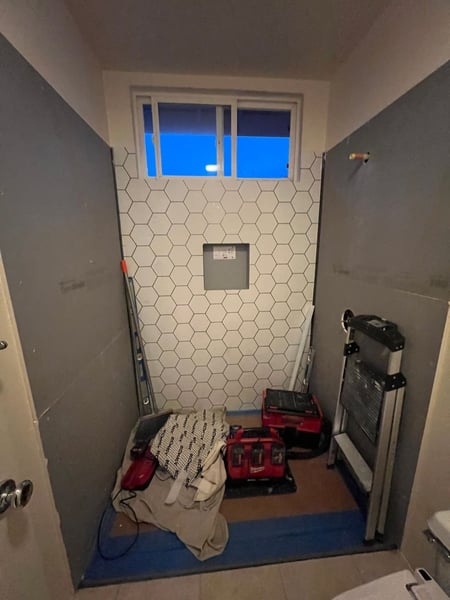
Many traditional shower tile systems rely on the surface materials. The tile may resist water, but the grout is porous and will absorb moisture. There is also caulking or cheap silicone that’s used at the corners, seams, and around fixtures. The caulking or cheap silicone will hold up for a while, but it tends to shrink, crack, or separate. Any opening on the surface is an opportunity for water to sneak in.
A properly waterproofed traditional shower tile system will also have higher-quality backer boards. Many traditional tile installers often use cement boards. To make moisture resistance stronger, installers need to apply a liquid waterproofing membrane to the face of the cement board before installing tile. Many of these products require two coats, with a drying time of up to 48 hours per coat. If the installer rushes the process or the coats are too thin, water can get through the system.
Modern shower tile is installed as part of a layered system, meaning the tub and shower area is essentially waterproofed before the final surface goes up. The wall system is prepared to manage moisture first. The surface is there for appearance and easier cleaning.
Shugarman’s Bath installs modern shower tile over DensShield backer boards as part of that layered approach. DensShield is a high-performing fiberglass mat gypsum backer board, using a fiberglass surface that resists water better than paper-faced products.
How Does Each Shower Tile Choice Compare in Maintenance?
Here is how the upkeep differs between the two types of shower tiles:
With traditional shower tile, the grout absorbs water, dirt, and bacteria. Over time, it needs to be sealed to help prevent staining and moisture problems.
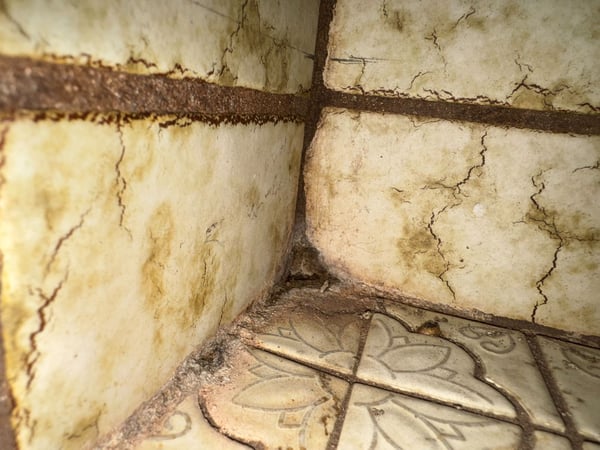
While some shower tiles are nonporous, others are porous, such as natural stone and marble. And nonporous tiles are still susceptible to cracking. Each crack is another entry point for water.
Repairing tile can also be difficult. When a shower tile cracks, removing it can damage the surrounding tiles. This is because removal requires chiseling the tile out of hardened grout and adhesive, potentially loosening or cracking surrounding tiles.
Over time, traditional tile may require more routine maintenance due to grout and surface variations between tiles.
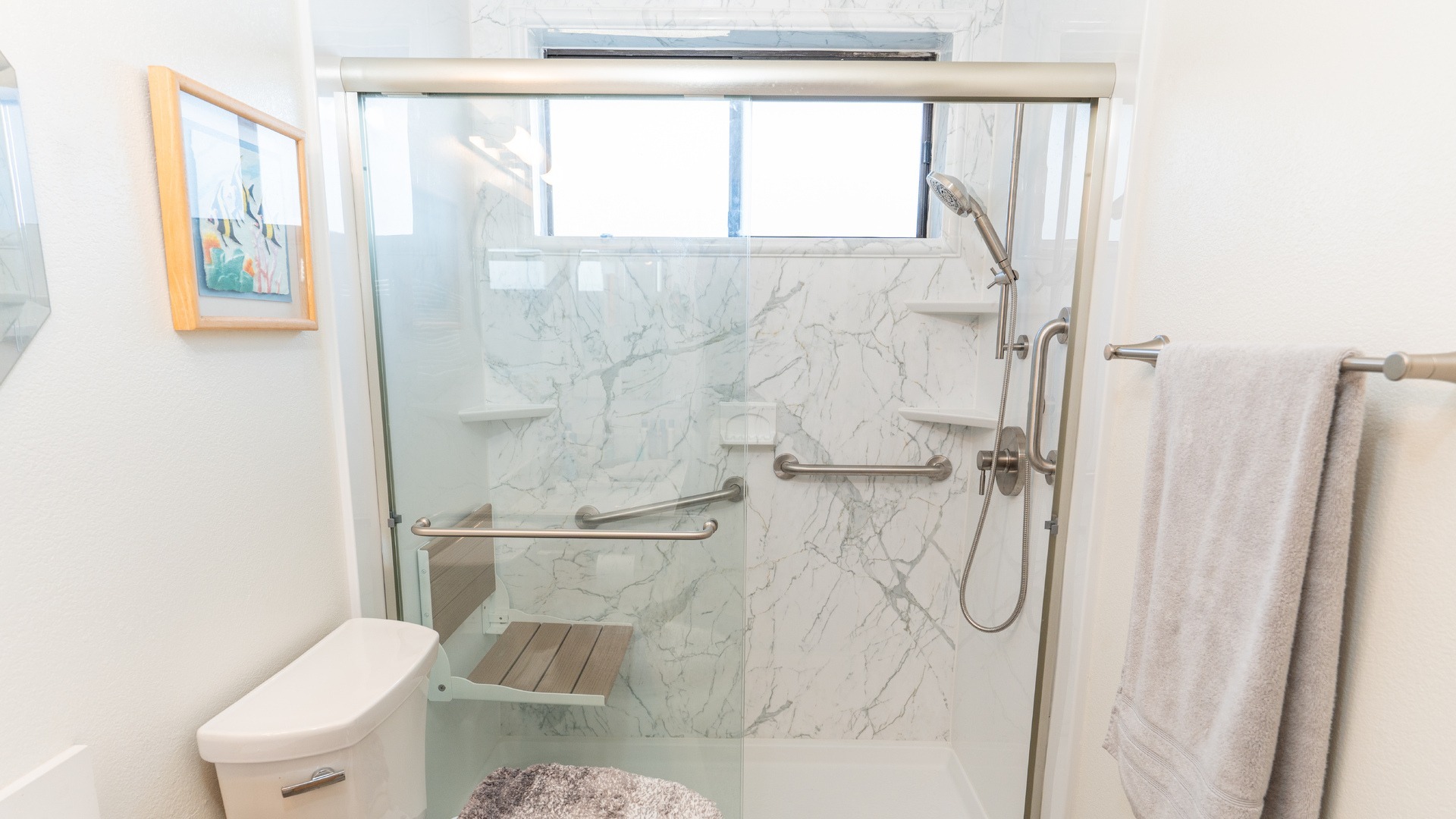
Modern shower tile has a non-porous, antimicrobial surface and smooth finish to reduce surface buildup. And it has no separate grout joints to reseal. And with fewer joints, surface repairs are less common.
Modern shower tile is designed to make upkeep simple. Cleaning is typically done with simple cleaners like 409, Simple Green, or Fantastik.

How Do Traditional and Modern Shower Tiles Compare in Installation Quality?
Traditional tile installation has historically been a skilled craft. Older tile methods involved building up thick mortar beds (often called “mud work”) before setting each tile by hand. Installers would carefully level and align every piece. The finished wall was thick, solid, and built in layers.
Today, many traditional tile installations use thinner adhesive systems. The shower tile is applied directly over backer boards using thin-set mortar.
Because of these changes, the quality of traditional shower tile work can vary widely.
Modern tile is installed differently. The wall surface is installed in larger sections over a prepared backer board. Waterproofing is completed first, followed by laminating the modern shower tile surface to the prepared wall. The surface is a single continuous panel rather than many small pieces, resulting in fewer joints.
Strength in this modern tile system comes from how the layers work together, rather than relying on the surface material as the primary barrier to water.

Table Comparison of Traditional vs Modern Shower Tile
|
Shower Tile Features |
Traditional Shower Tile |
Modern Shower Tile |
|
Surface |
Individual tiles with grout |
Non-porous panel with laser-etched lines |
|
Waterproofing |
Relies on grout, silicone, and a bonding membrane |
Waterproofing is completed before the surface wall is applied |
|
Maintenance |
Requires periodic grout care (recommended once a year) |
Minimal routine upkeep |
|
Repairs |
Individual tiles may be difficult to replace |
Part of a larger wall system. Fewer joints reduce repair points |
|
Design Options |
Nearly unlimited |
Limited in comparison to traditional, but flexible with 500-600 combination options |
|
Average Cost Range |
$9,000 to $14,000 |
$16,000 to $22,000 |
Choosing the Right Shower Tile for Your Tub or Shower Remodel
Traditional shower tile is well known to homeowners for its near-unlimited design flexibility. Now, there are more material options for the tub and shower area. Modern tile eliminates porous grout joints, reducing maintenance and making upkeep easier.
Ultimately, the right choice for your remodel depends on what matters the most to you.
Next, read our article on low-maintenance shower wall materials. That way, you can learn about other options and determine which would work best for your tub or shower remodel.
If you need help determining which system makes sense for your home, schedule a consultation with Shugarman’s Bath to review your options.
FAQs on Tub and Shower Remodeling:Q: How long does a typical shower remodel take?A typical shower remodel takes 1-2 days. More complex projects in larger areas can take longer. Q: Do you remodel the whole bathroom or just the tub and shower area?We're specialists in the tub and shower area. That's where our focus stays. For other parts of your bathroom, we work with trusted contractors regularly and can refer you to the right people at no extra charge. That referral can save you 10-20% on a larger project. Q: How much does a tub or shower remodel cost with Shugarman's Bath?Every remodel comes with a lifetime warranty. Most projects are completed in 1-2 days, though larger or more complex projects can take longer. Here's how we break down our pricing:
|
Topics:
.png?width=1920&height=1080&name=VERSUS%20(1).png)



.jpg?width=1920&height=1080&name=VERSUS%20(5).jpg)
.png?width=1916&height=1075&name=Screenshot%20(173).png)
-1.png?width=1697&height=985&name=Screenshot%20(170)-1.png)