
What Matters Most
|
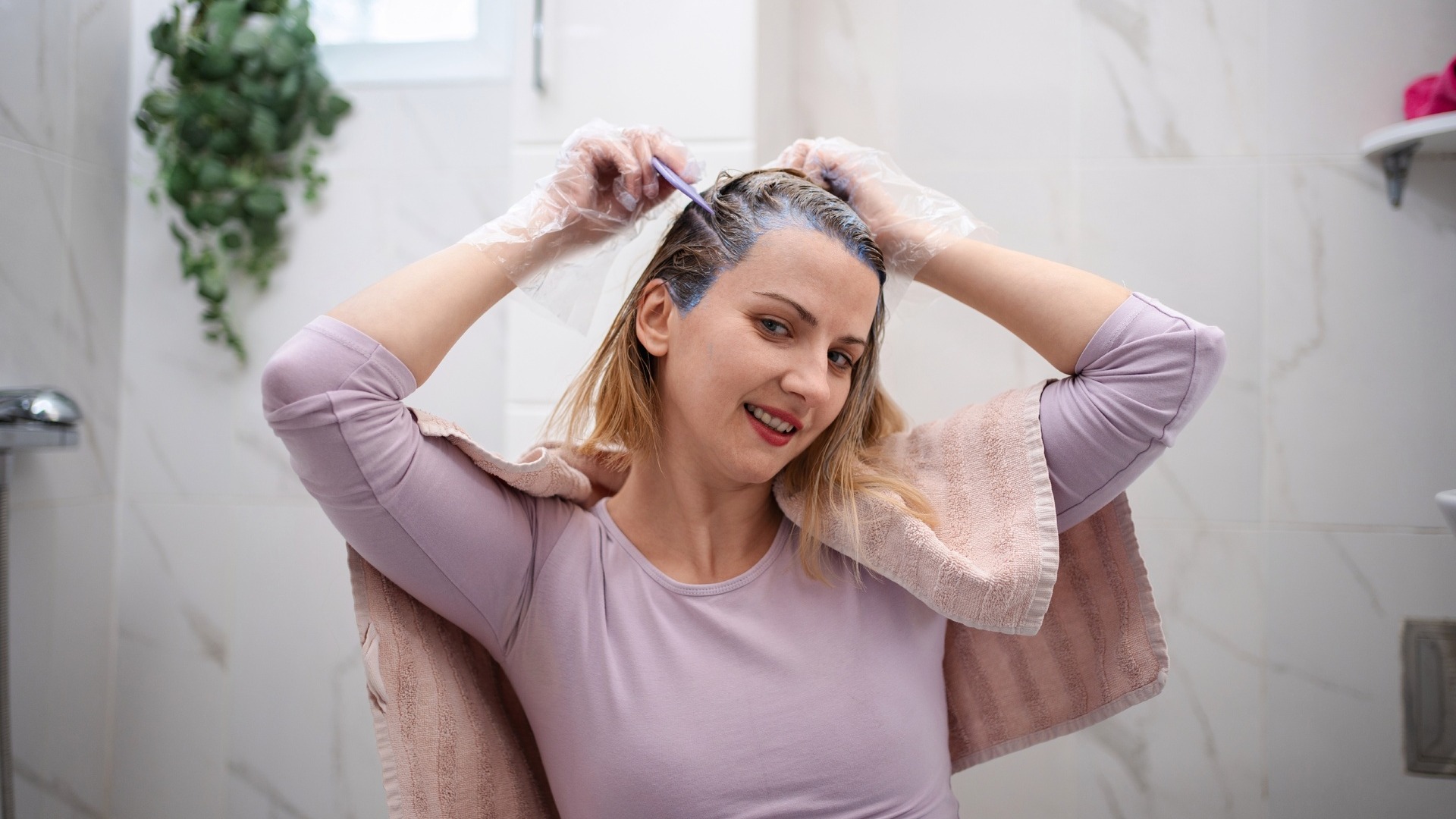
You paid for a new shower and want to make sure your dye touch-up won't ruin it. Maybe you stained your old tub or shower with hair dye before. The last thing you want to do is stain your new remodel.
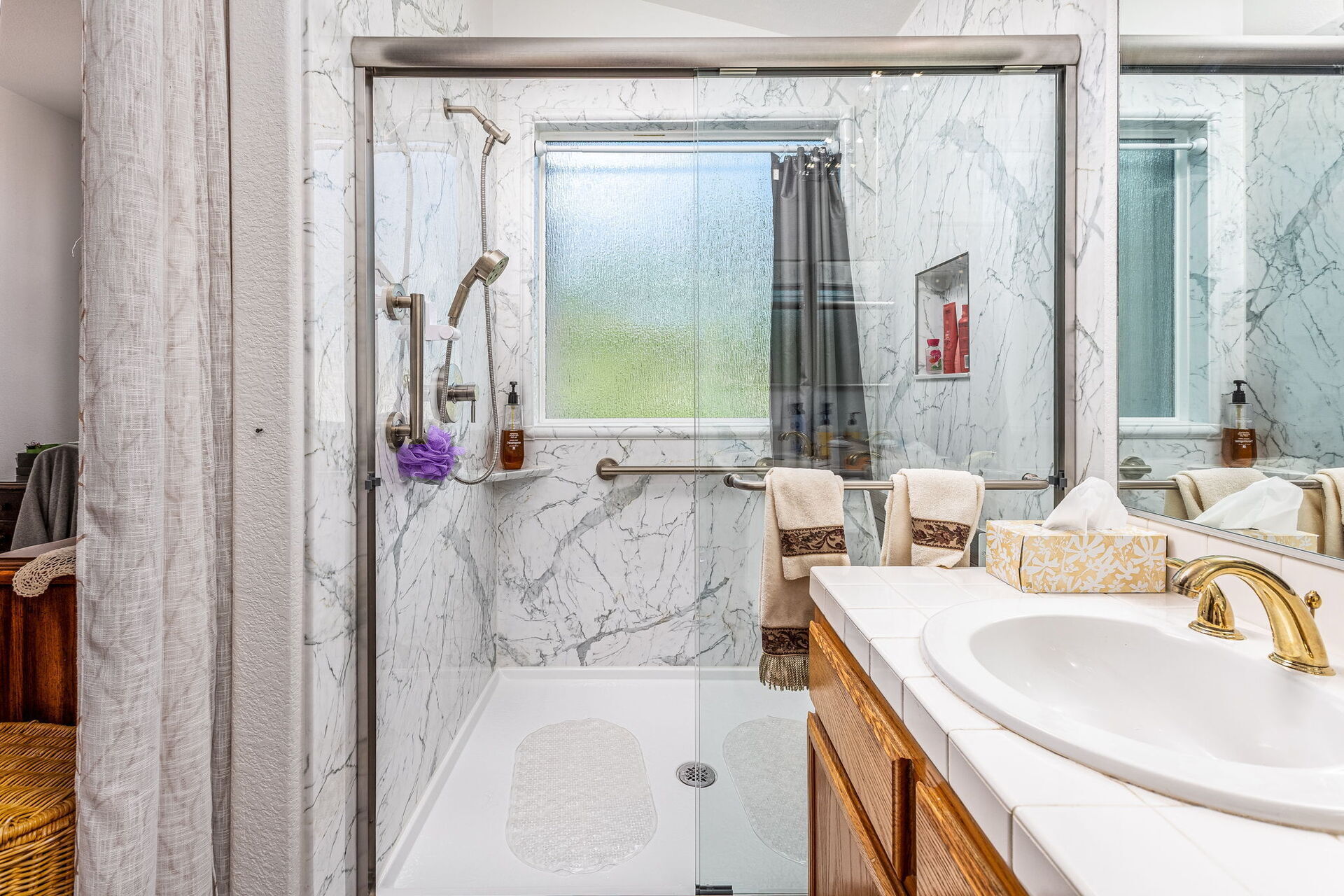
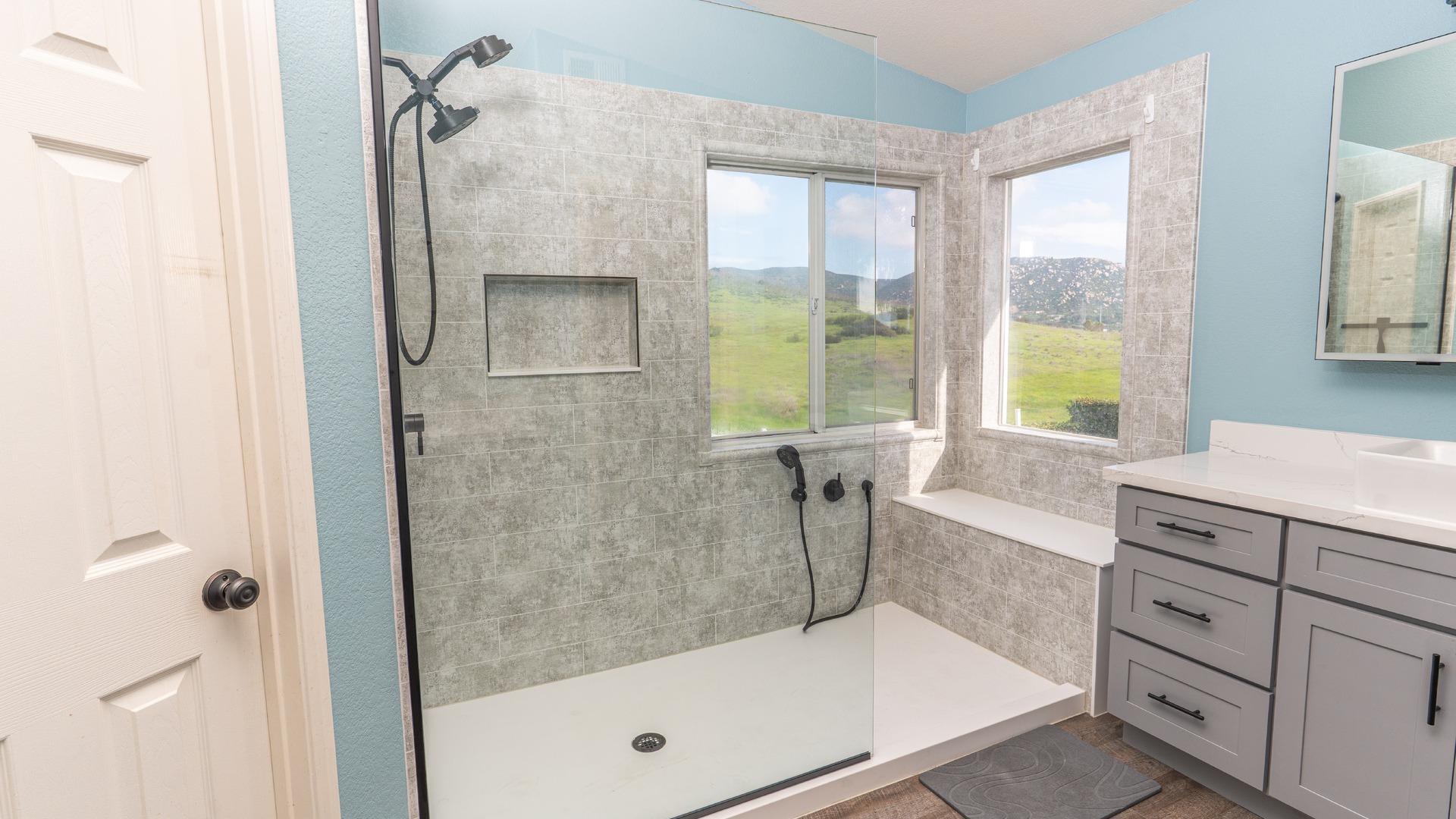
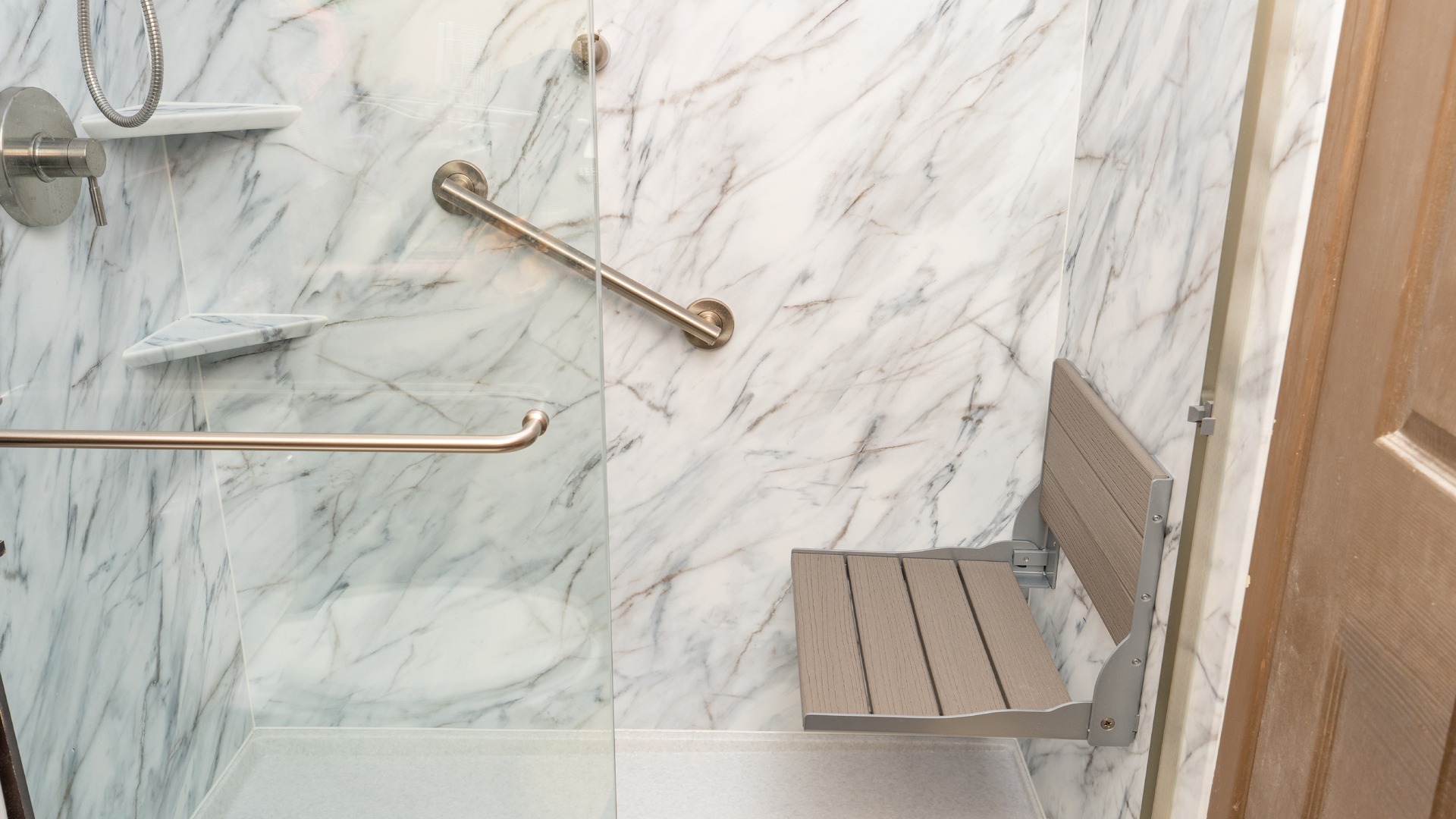
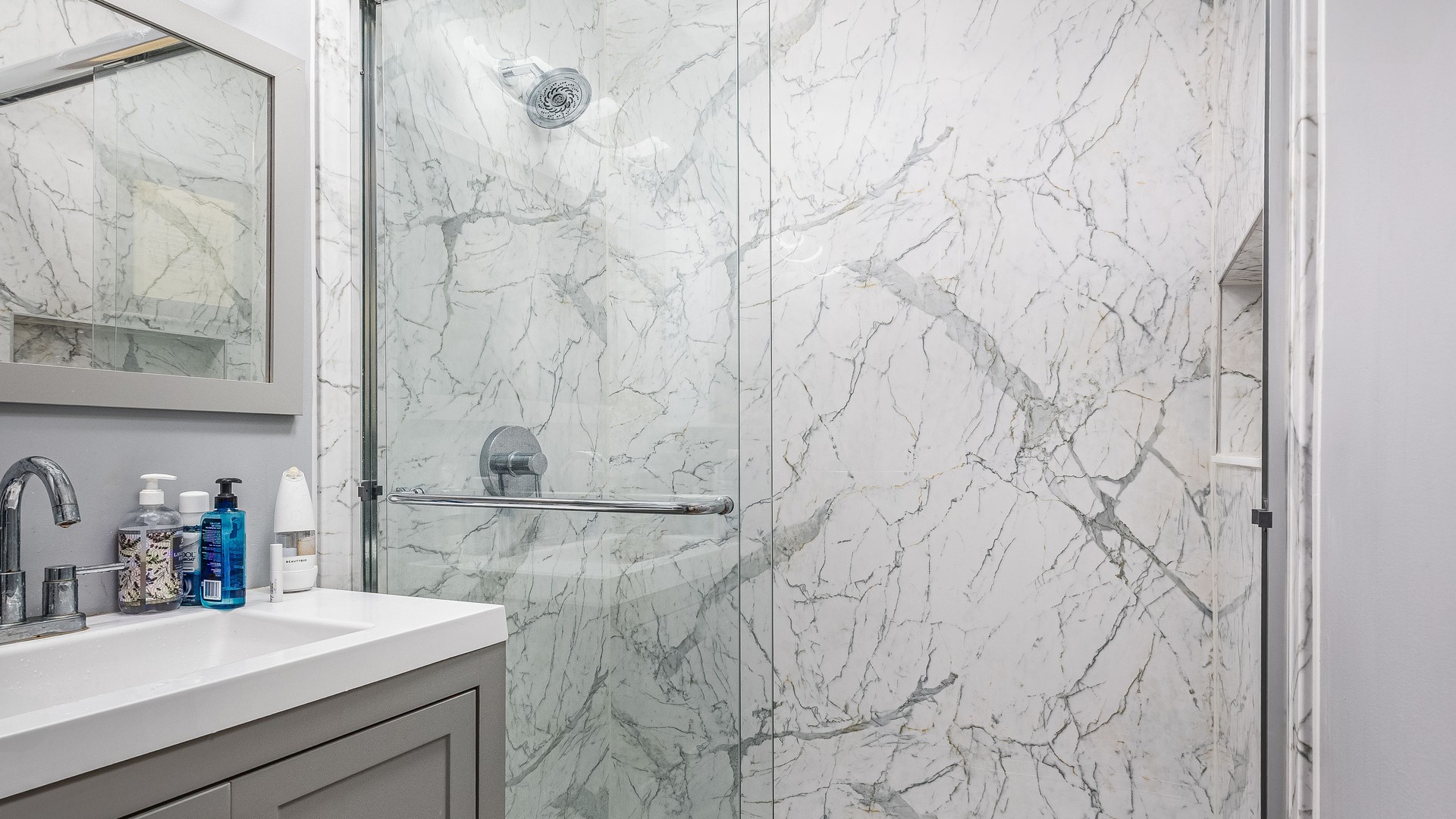
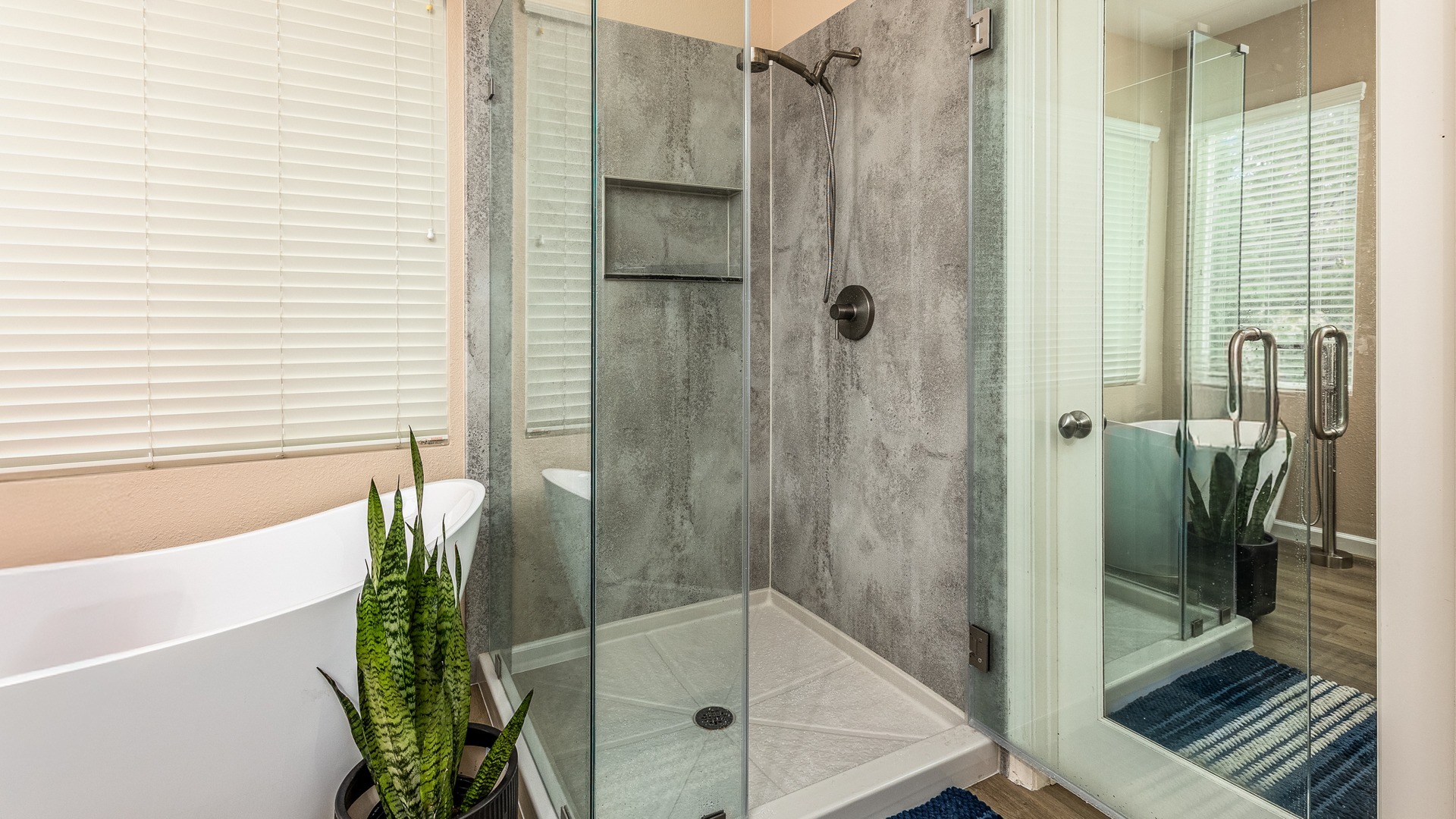
Shugarman's Bath has completed more than 6,500 tub and shower remodels. Each of our projects uses nonporous materials so that hair dye concerns can be a thing of the past.
This article walks through what causes staining, which materials are at risk, and what to do if hair dye stains your remodel.
Table of Contents:
- How Does Hair Dye Affect a New Shower Remodel?
- What Would Cause Hair Dye to Stain Shower Surfaces?
- What Shower Materials Are More Likely to Stain From Hair Dye?
- How Can You Protect Your Shower Remodel If You Dye Your Hair Often?
- What Should You Do If Hair Dye Stains Your Shower?
How Does Hair Dye Affect a New Shower Remodel?
Your shower materials should hold up just fine against hair dye. If staining were to happen, it would show up on the silicone around the shower or in grout lines. You should not see stains in the wall panels.
Well-made shower wall panels should be built to resist stains from hair dye, soap, and everyday products. Grout is porous, meaning it can absorb the pigments in hair dye. Silicone is durable and water-resistant, but it is susceptible to staining and discoloration over time.
What Would Cause Hair Dye to Stain Shower Surfaces?
Two things need to be present to stain a shower surface: the hair dye’s pigment and a porous shower material.
The pigment in hair dye is what causes staining. Permanent hair dye uses a stripping agent to open up the hair so color can soak in and stay. Temporary or semi-permanent dye is designed to wash out after a few showers and typically won’t have the same staining power as permanent dye.
Porous materials that haven’t been sealed will absorb these pigments. This is because porous materials have microscopic pores that trap the hair dye pigmentation.
What Shower Materials Are More Likely to Stain From Hair Dye?
As mentioned, any porous shower material can stain. These would be materials such as grout used with tile, fiberglass, and natural stone.
Grout isn’t waterproof on its own and only resists staining when it’s been properly sealed. Grout should be resealed roughly every six months to a year.
Older fiberglass installations start with a gel coat that covers the porous materials. This coat naturally wears down. Abrasive cleaners can make it break down faster. When the coat is gone, the porous materials are exposed and stain easily. Fiberglass becomes increasingly difficult to clean over time.
Natural stone contains microscopic channels that absorb hair products. Like grout with tile, natural stone needs to be resealed roughly every six months to a year.
How Can You Protect Your Shower Remodel If You Dye Your Hair Often?
If you have already installed porous materials that need to be sealed, reseal them every six months to a year.
Your best solution is to install nonporous shower materials. Nonporous materials are way better at resisting staining since they don’t have the microscopic pores. If you color your hair regularly, look closely into nonporous shower materials.
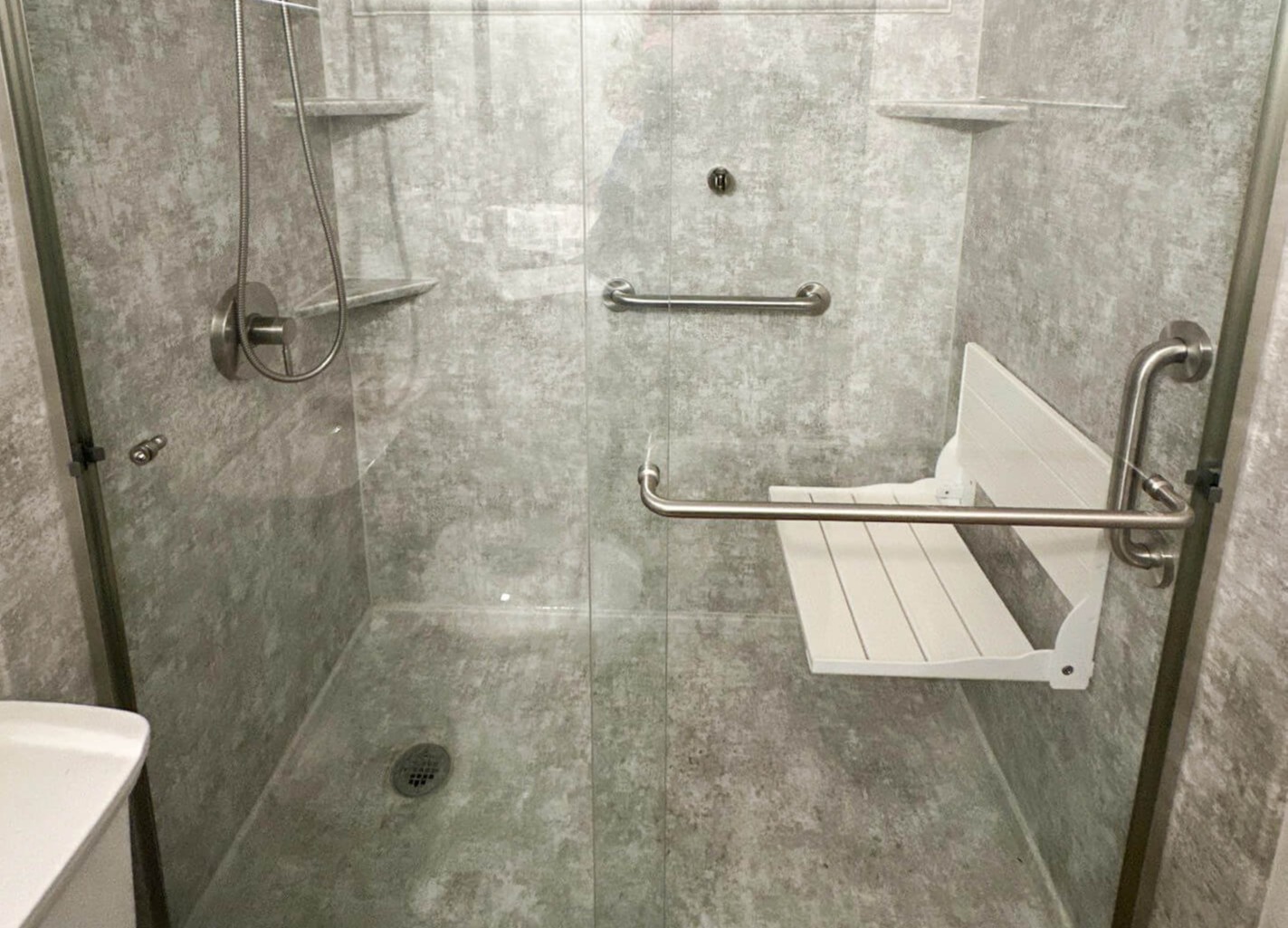
Shugarman’s Bath uses a high-tech polymer material called BP-Cor2, which is designed to be nonporous and doesn’t wear down to expose a porous layer.
What Should You Do If Hair Dye Stains Your Shower?
If dye affects the silicone around your shower, specialty products can treat those stains directly. These are products such as RMR cleaners. They can target stains and handle milder issues that show up in the same spots.
Before paying for a fix, check whether silicone repair is covered under your warranty. Not every contractor or installer covers silicone.
Check our care and maintenance sheet for other products we recommend you clean your space with.
How Do You Keep Hair Dye From Ruining Your Shower?
Hair dye is only a real problem when the surface in your shower is porous. The pigments need something to grab onto. You don’t want to deal with a surface that lets stains stay permanently.
Pick a material that’s built to last. Take a look at the best shower wall materials to see how they hold up over time.
If you're worried about staining, warranty coverage, or have questions about shower materials, contact Shugarman's Bath to speak with an expert.

The opinions expressed in the referenced materials are those of the authors only, not necessarily of Shugarman’s Bath. While these referenced materials are useful in answering generalized questions, each bathroom is unique. For a particular question about your tub or shower remodeling project, contact your Shugarman’s Bath consultant.
Topics:
-1.jpg?width=1920&height=1080&name=JoniCoci_Demo23%20(1)-1.jpg)

.png?width=1920&height=1080&name=VERSUS%20(1).png)



-1.jpeg?width=1920&height=1080&name=After%203%20(1)-1.jpeg)