

What Matters Most
|
When you receive multiple remodeling quotes, they don't all look the same. One has a lower price, another is higher, and you’re not sure what the differences between them are. It’s difficult to tell if a price is fair and if another is leaving out important details. The last thing you want to do is go with the wrong contractor.
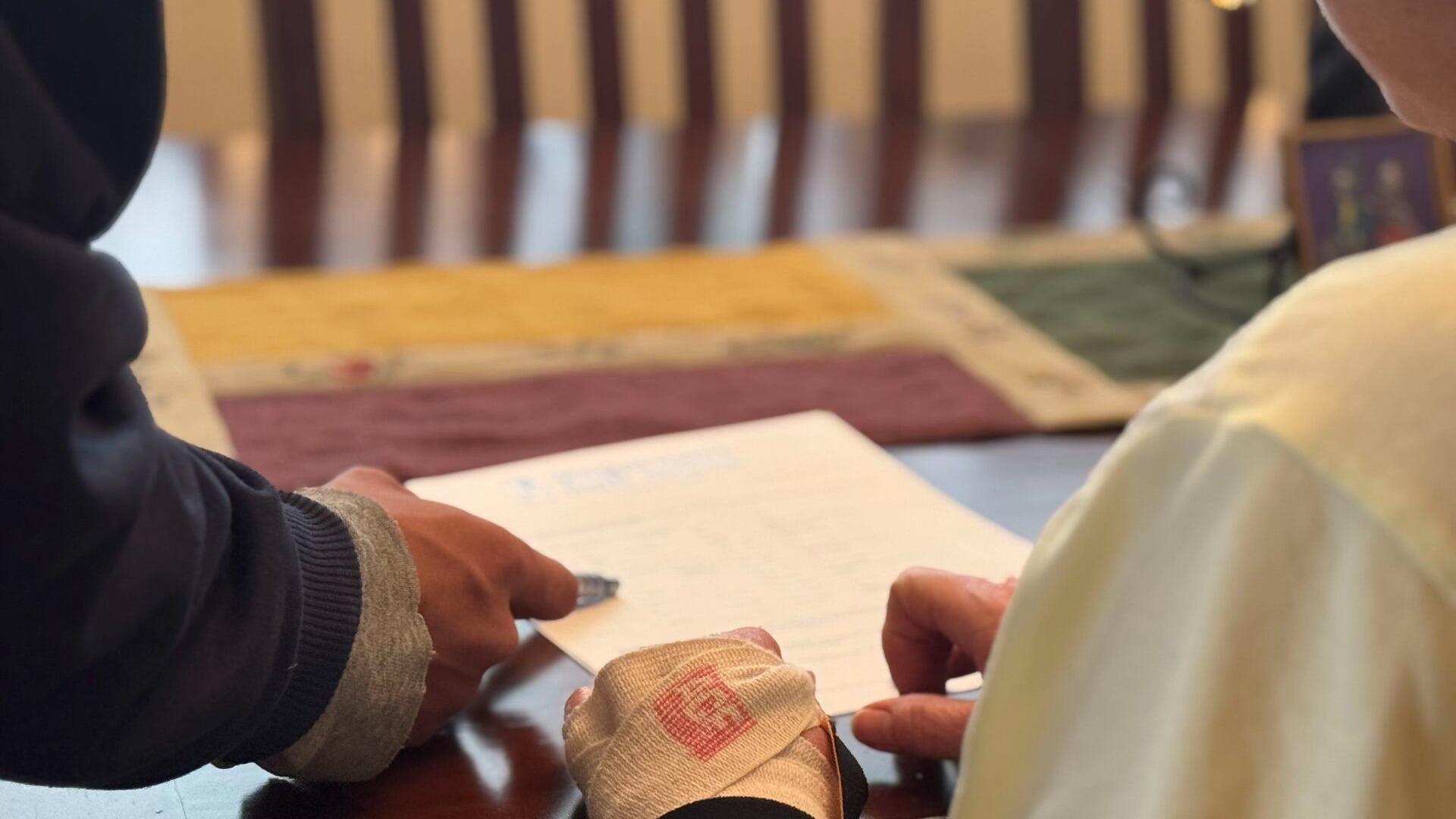
At Shugarman's Bath, we run over 500 design consultations every month. A big part of those conversations is addressing concerns homeowners already have. Many of those concerns come from looking at contracts from other companies. Our consultants walk homeowners through our contracts thoroughly so they know exactly what they would be paying for.
This article will teach you what a lower bid usually leaves out, how warranties can differ more than they seem, and what to check before you sign anything. That way, you can look at multiple quotes to see which contractor will give you the best overall value.
Table of Contents:
- How Do You Compare Multiple Remodeling Quotes?
- What Do Lower Cost Bids Usually Leave Out?
- Why Does a Plumbing License Matter When Comparing Bids?
- What Should You Check Before You Sign a Contract?
How Do You Compare Multiple Remodeling Quotes?
When you’re comparing, you always need to look further than the total cost and invest in the one that gives you the best overall value. A lower price usually means something is being cut, such as materials, the warranty, or installation quality.
Here’s everything you need to compare side-by-side:
- Whether the price includes materials or only labor.
- Legal verbiage that allows a contractor to increase the cost mid-project.
- The contractor (and any subcontractors they use) have active licenses and insurance.
- What their warranty covers and for how long.
- Online reviews and the contractor's reputation.
- The promises a contractor makes are written into your contract.
Many contractors use contract language that allows them to change the price of their project. Read our article on contract loopholes to watch out for.
You can also download our buyer’s guide to help compare contractors and their quotes side by side.

What Do Lower Cost Bids Usually Leave Out?
Some general contractors only quote you for the labor. They’ll have you supply the materials. It should go without saying that materials make up a huge chunk of the job cost.
Buying your own materials might cost more than you expect. If you don’t do shower remodeling for a living, it might be difficult to tell the difference between a good material and a cheap one. Getting the wrong materials can eat up your savings before you know it.
Some companies will underbid to win a job, especially if work is slow. Once the remodel starts, they'll add change orders that increase your contract price to cover unforeseen work that wasn't part of the original contract.
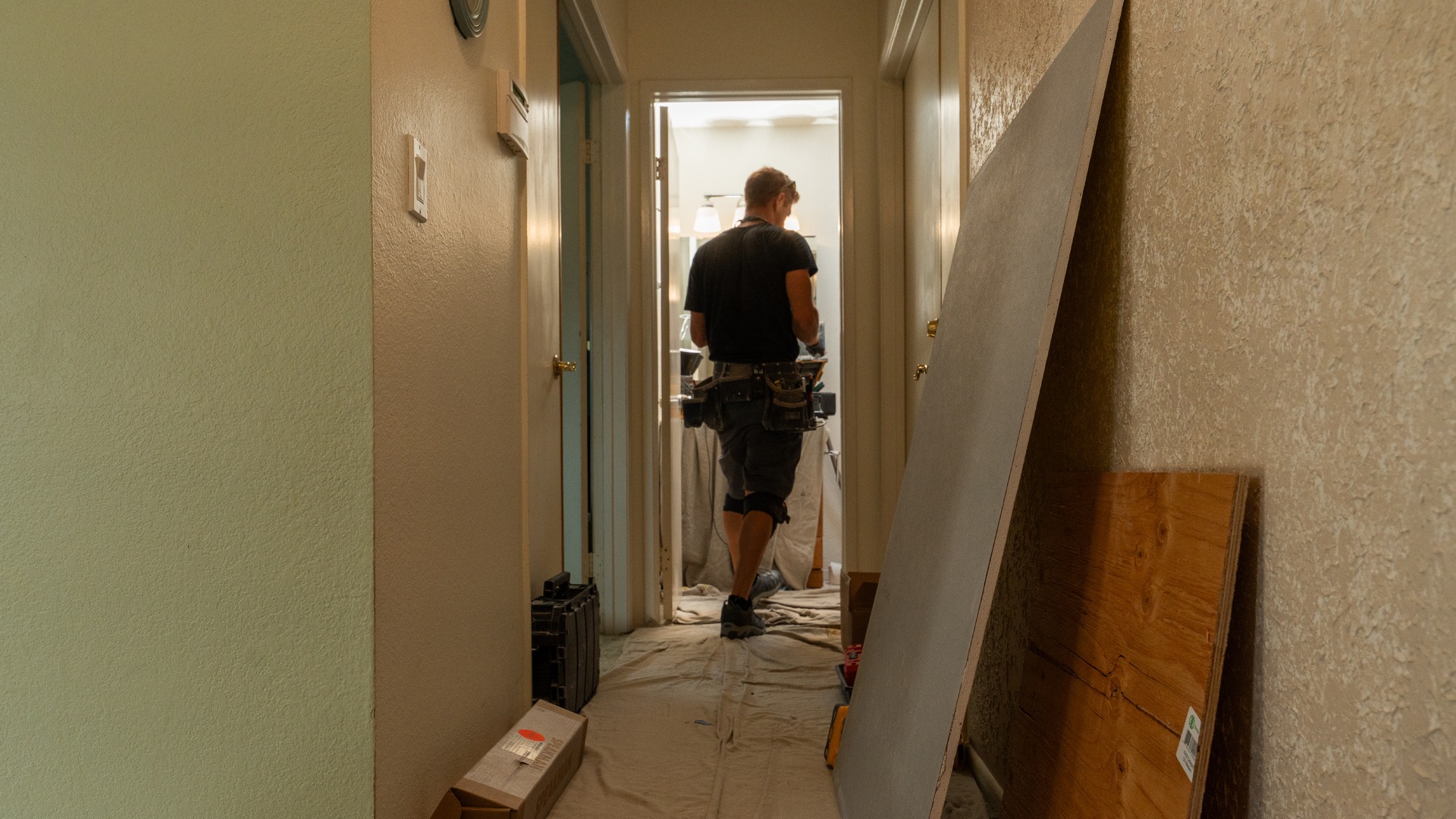
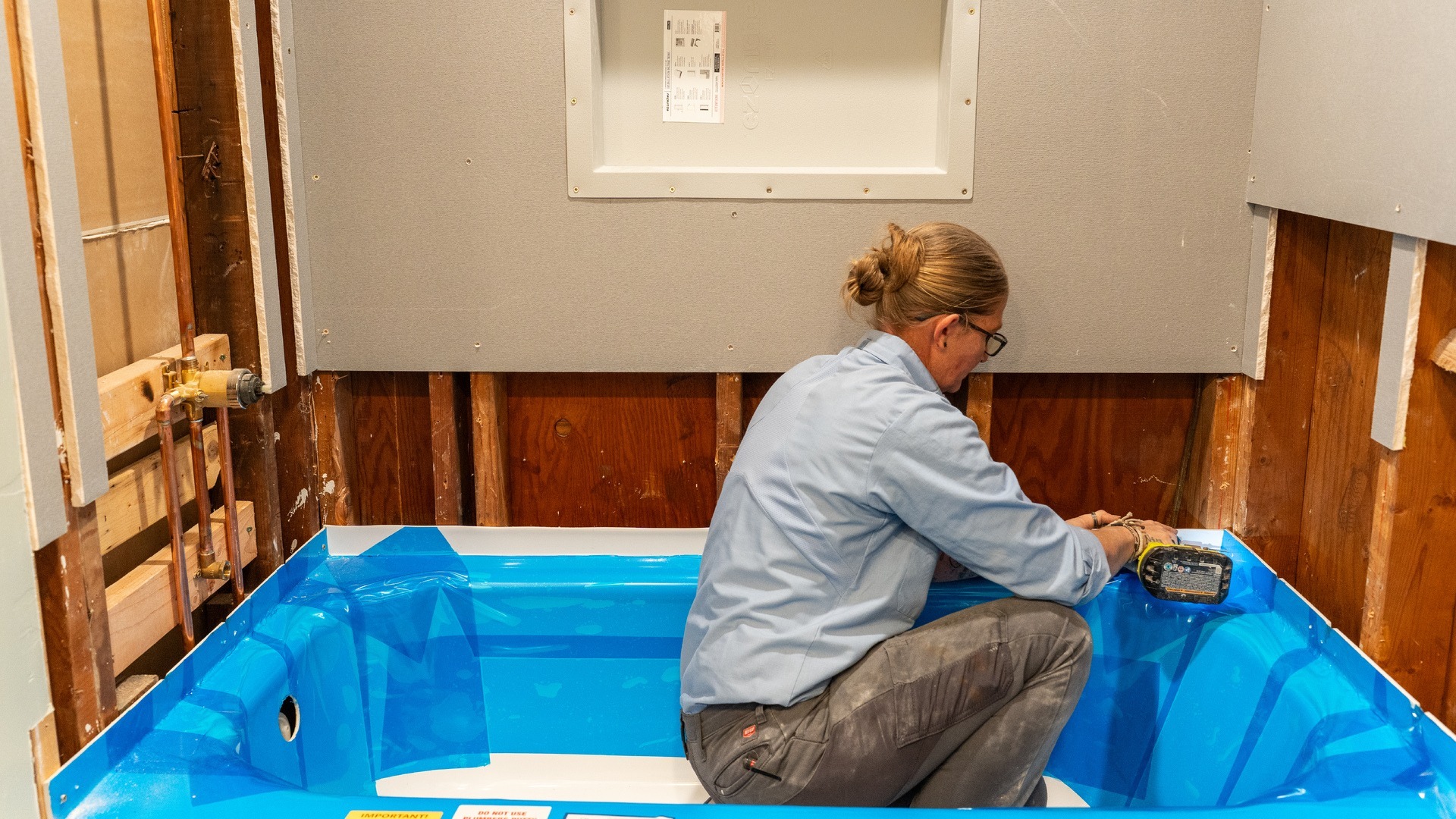
Some companies use non-specialized labor or subcontract instead of using an in-house crew. A contractor using a subcontractor is not a bad thing. However, if something goes wrong later, you may have to track down the specific subcontractor responsible.
For example, a general contractor subcontracts a plumber to do the pipes in your shower walls. If you’re dealing with a leak, the general contractor might tell you to get a hold of the subcontractor to solve the issue.
Lower bids also tend to fall short on their warranties. Some companies claim they have a lifetime warranty, but it’s void after it’s used. Others only last a year or five years, and some require you to reseal the unit yourself every few years or the warranty becomes invalid.
There are also manufacturer warranties. These warranties mean you have to contact the manufacturer directly for any repairs or replacements. The people who installed the product won’t touch it. Contacting the manufacturer for these repairs takes time and makes fixing a problem unnecessarily difficult.
Why Does a Plumbing License Matter When Comparing Bids?
A C36 plumbing license shows a company has demonstrated expertise in plumbing work. Without one, the plumbing is likely subcontracted. If it’s not subcontracted, it’s likely being done by someone without that specific license.
If a company is subcontracting the plumbing, you need to do more research and check that the subcontractor holds that license, along with other licenses and insurance.
An unlicensed plumbing job that leaks and damages a floor below can also cause problems with your homeowners insurance. Many policies won't cover damages caused by unlicensed work.
What Should You Check Before You Sign a Contract?
Some of these you can check before a contractor ever steps foot in your home, and others are worth bringing up during your consultation. Here's what you need to look at:
- The general contractor's active licensing and workers’ compensation insurance status. The same goes for any subcontractors they may use. You can look up this information on the Contractors State License Board website.
- A contractor’s Better Business Bureau (BBB) rating.
- Online reviews through Yelp or Google reviews (or any other review website you prefer).
- Every promise made is in writing in the contract itself.
You can check the first three on your own before anyone comes to your front door. The last one is something you need to ask and read directly when you’re talking to a design consultant.
Most of all, if a bid from a contractor feels off, listen to your gut. After all, you’re hiring a contractor to do work on your home. You should have peace of mind with who you pick.
Comparing Quotes Protects You From Paying for a Remodel Twice
Looking at contracts from other contractors should be more than looking at a few numbers and seeing which one is the better cost. A lower price doesn’t always mean a better deal. Always make sure you fully look at the contracts and see which contractor will provide you with the most overall value.
If you're still working on finding contractors to get quotes from, read our article on finding the right contractor for your tub or shower remodel.
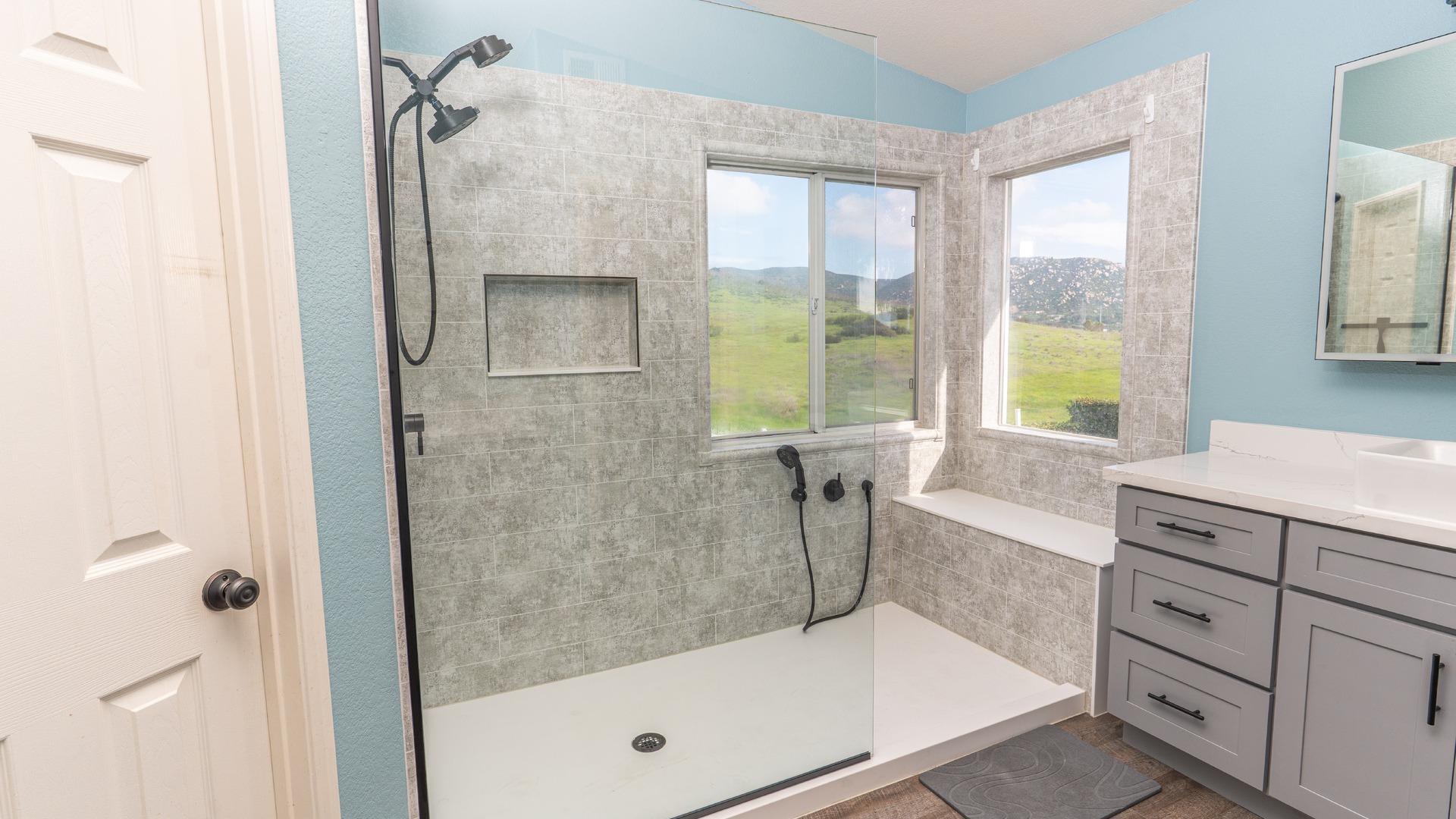
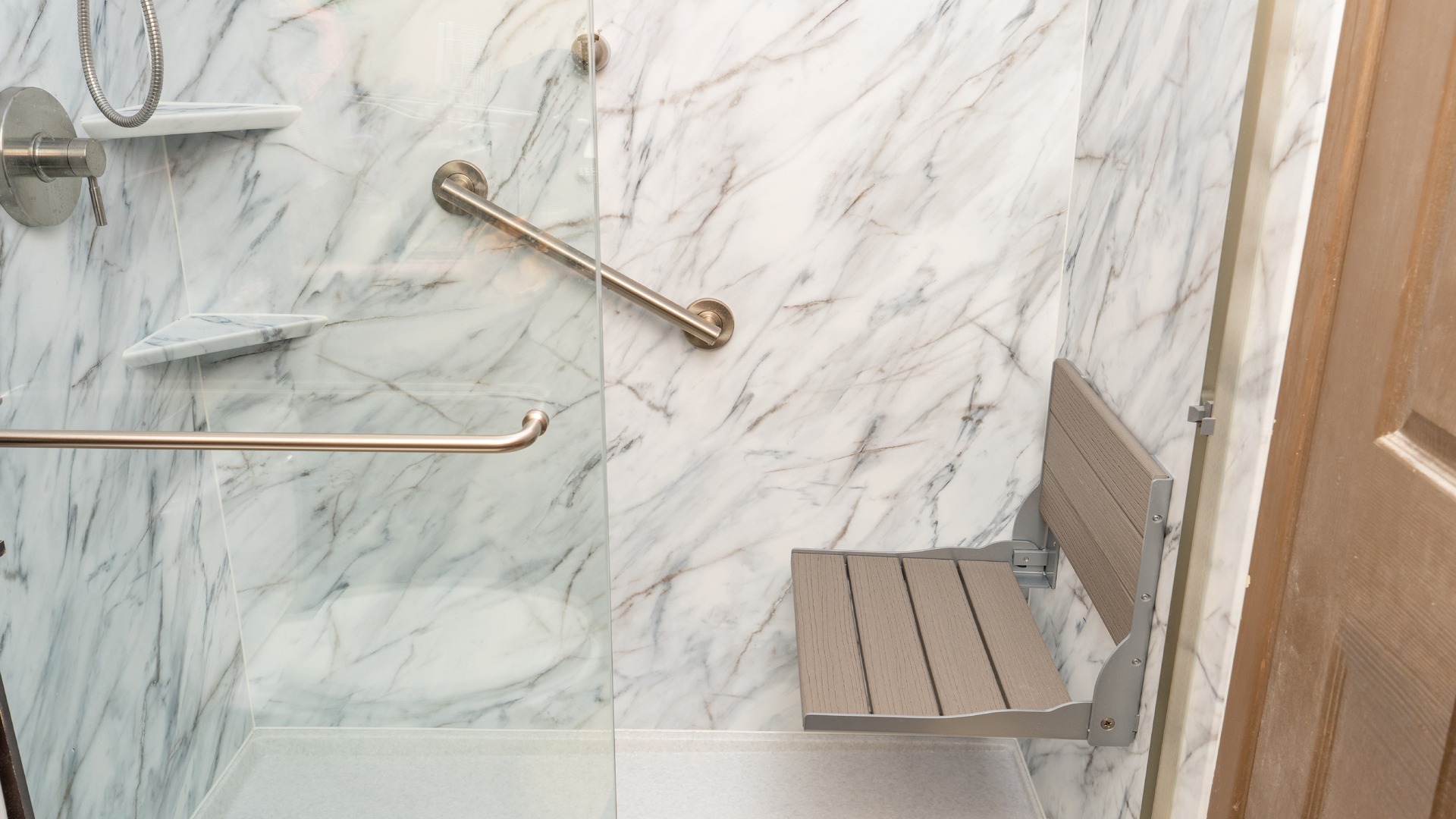
If you're curious how Shugarman's Bath handles pricing, materials, or warranties, talk to one of our experts. We're happy to answer any questions you have about how we operate.

The opinions expressed in the referenced materials are those of the authors only, not necessarily of Shugarman’s Bath. While these referenced materials are useful in answering generalized questions, each bathroom is unique. For a particular question about your tub or shower remodeling project, contact your Shugarman’s Bath consultant.
FAQs About Shugarman’s Bath:Q: How do I get my to-the-penny quote?We offer free in-home design consultations with our expert designers. They’ll inspect your bathroom, listen to your frustrations and goals, and then take you through the step-by-step design of your bath or shower space. You’ll receive your to-the-penny quote at the end of your consultation. Q: How much does a tub or shower remodel cost with Shugarman's Bath?Every remodel comes with a lifetime warranty. Most projects are completed in 1-2 days, though larger or more complex projects can take longer. Here's how we break down our pricing:
Q: What is covered in your lifetime warranty?
We cover the cost of materials AND labor in our lifetime warranty. We believe that nothing beats peace of mind when it comes to a remodel, and this is how we accomplish that with our valued customers. |
Topics:

-1.jpg?width=1920&height=1080&name=JoniCoci_Demo23%20(1)-1.jpg)
.png?width=1920&height=1080&name=VERSUS%20(1).png)



-1.jpeg?width=1920&height=1080&name=After%203%20(1)-1.jpeg)