
What Matters Most
|
You're staring at the tub you’ve had for many years, deciding whether to keep it or convert it to a walk-in shower. It’s a decision you don’t want to regret years down the line.
Shugarman's Bath has completed more than 6,500 tub and shower remodels. We've walked through this exact decision with homeowners across San Diego and Orange County, making sure they land on a choice that fits their lifestyle, needs, and peace of mind.
This article covers whether to keep the tub or convert to a walk-in shower, including which option is safer, what it costs, which is easier to clean and maintain, and whether a tub or shower holds better resale value for your home.
Table of Contents:
- Is a Walk-In Shower or a Bathtub Safer for Your Home?
- What Does It Cost to Convert to a Walk-In Shower Versus Keep Your Tub?
- Is a Bathtub or Walk-In Shower Easier to Clean and Maintain?
- What Are the Reasons to Keep the Bathtub?
- What Are the Benefits and Drawbacks of Converting to a Walk-In Shower?
- Does a Bathtub or a Walk-In Shower Have Better Resale Value for Your Home?
- Questions to Ask Before Deciding Between a Bathtub and Walk-In Shower?
Is a Walk-In Shower or a Bathtub Safer for Your Home?
A walk-in shower is typically the safer choice compared to a bathtub remodel.
A standard tub sits 15 to 19 inches high, meaning you need to lift your leg every time you shower. Lifting your leg and a wet, slippery surface are a dangerous combination. A tub can be difficult to manage as you get older or have mobility changes.
Falls are the leading cause of injury death for adults 65 and older. They caused more than 38,000 deaths in 2021, and emergency rooms treated close to 3 million fall-related visits that year.
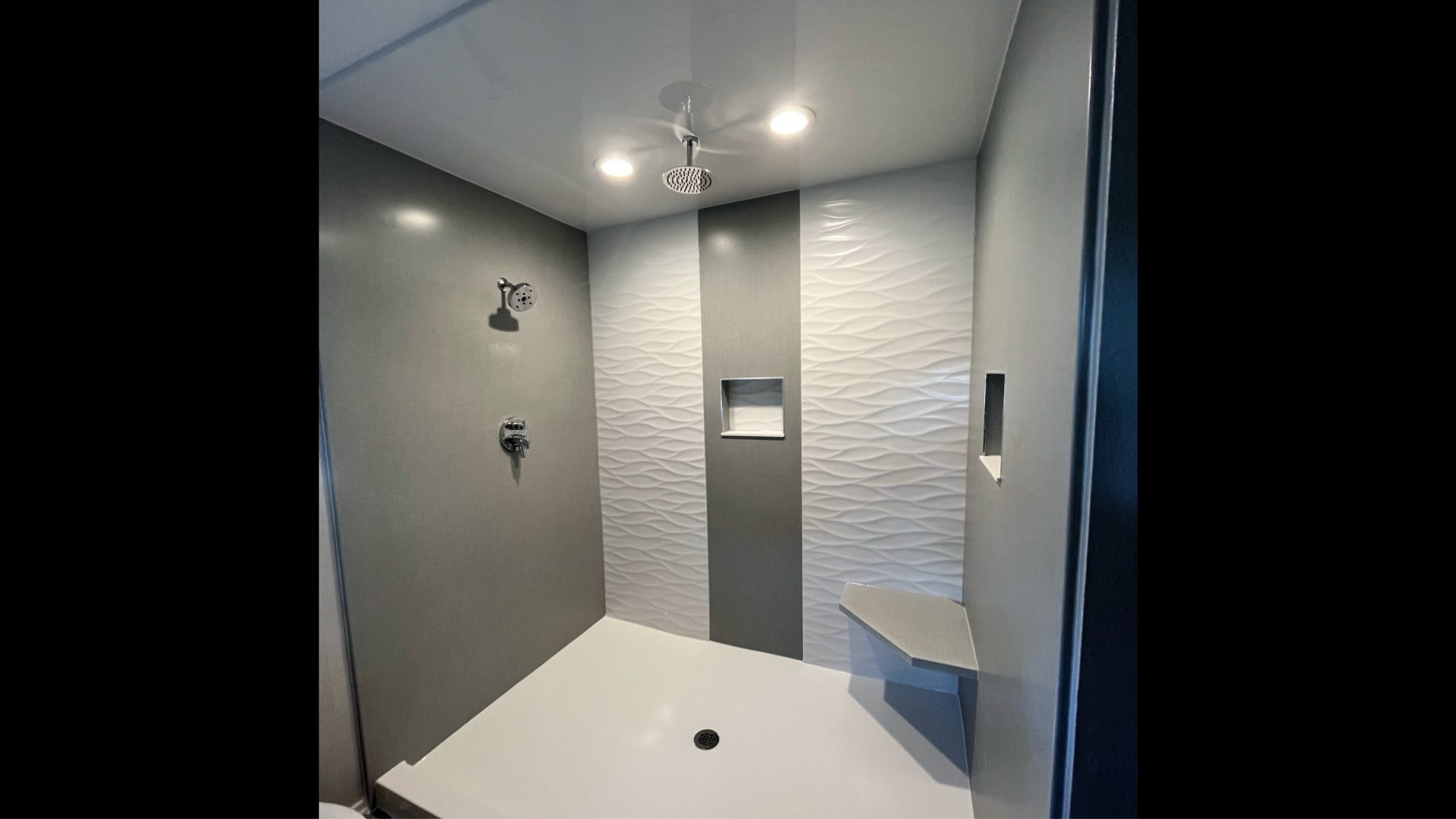
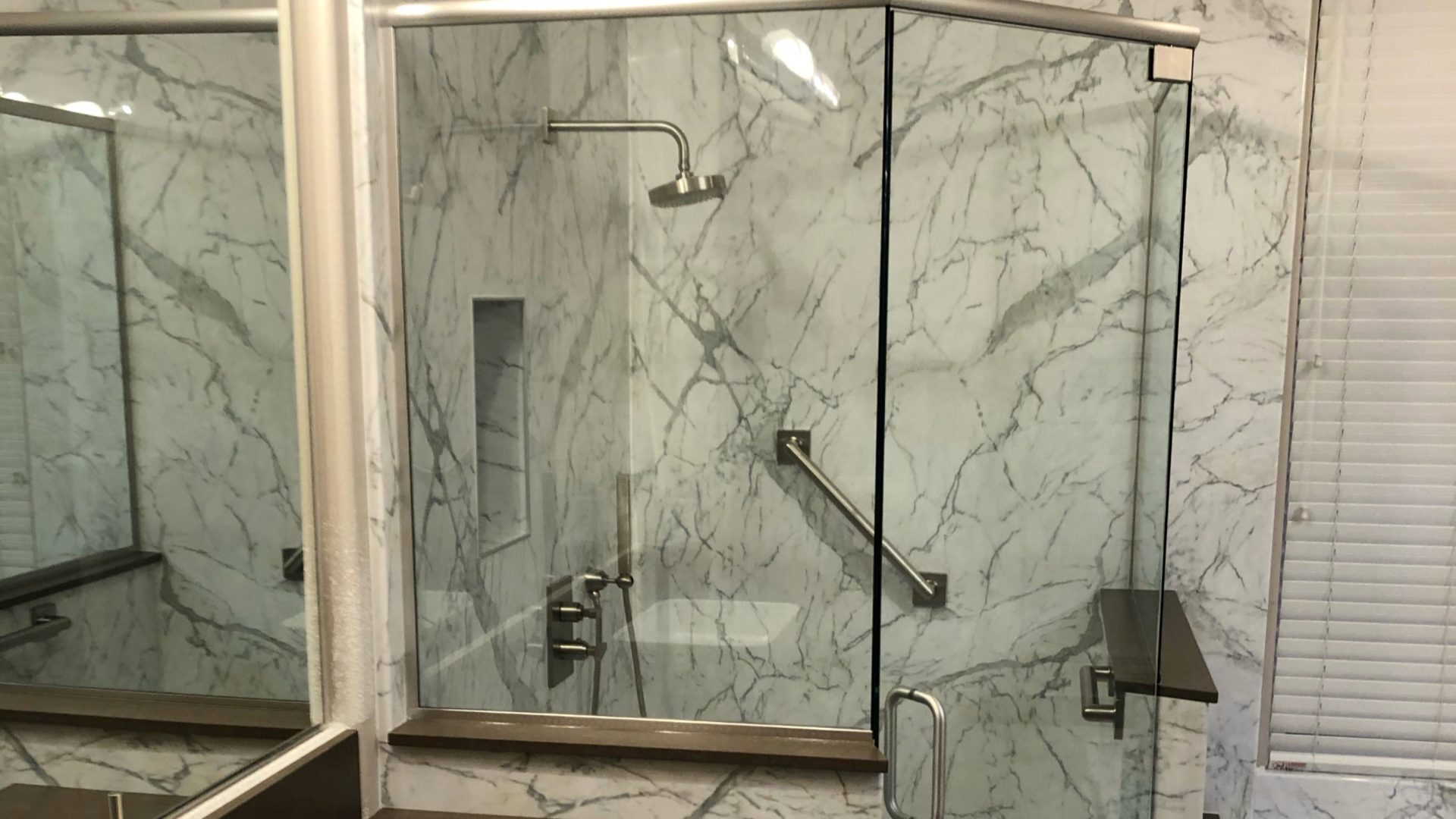
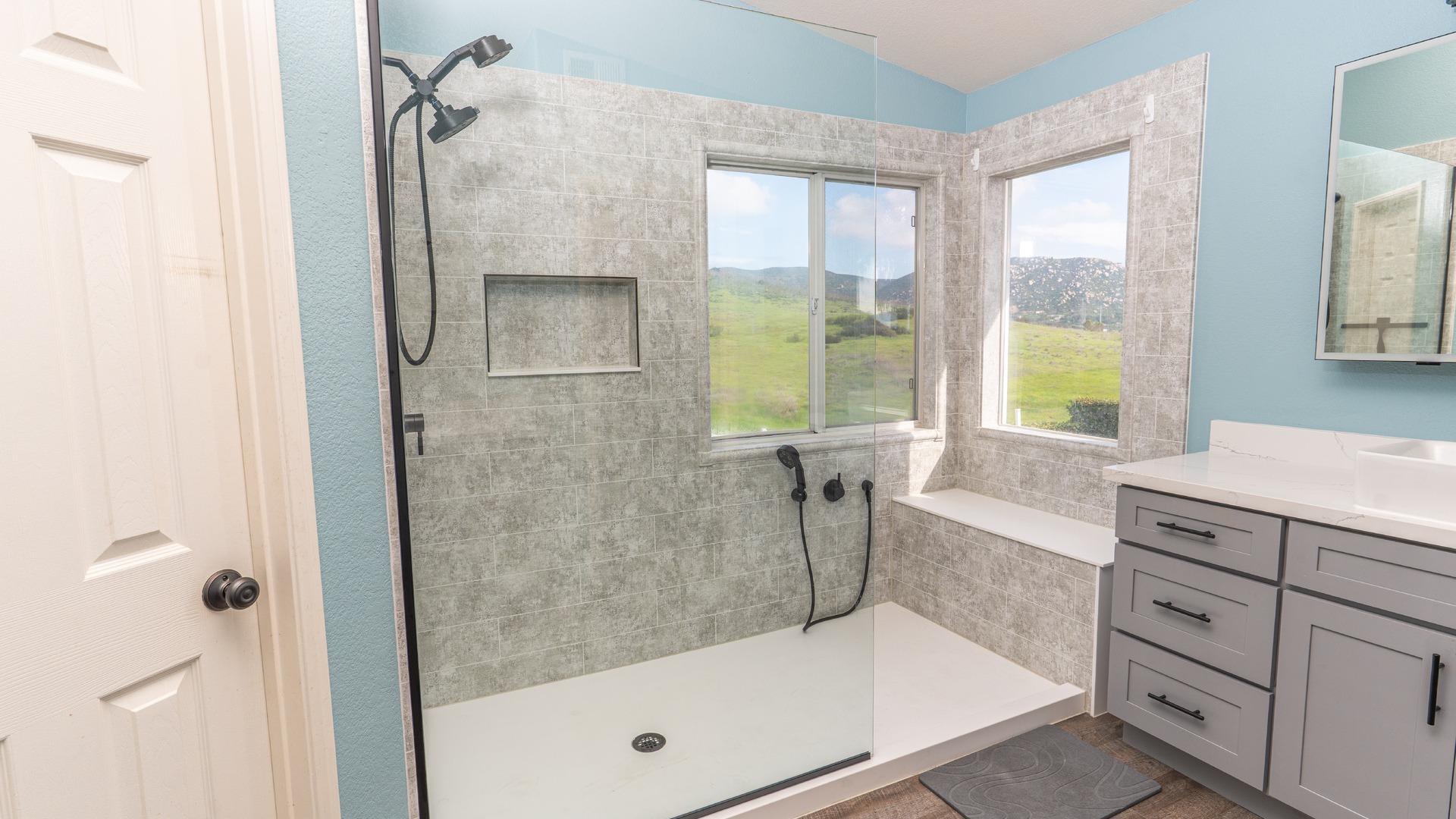
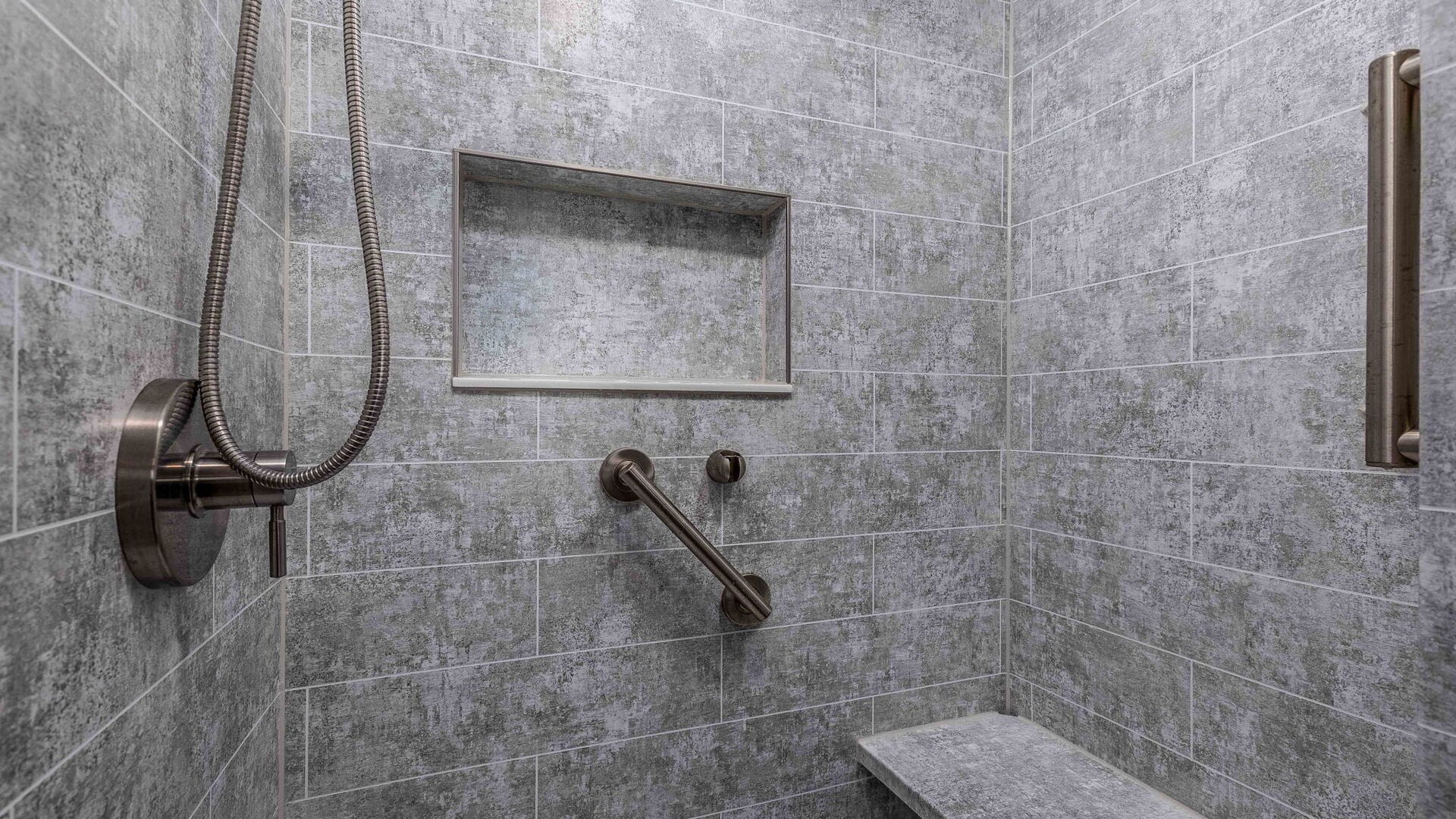
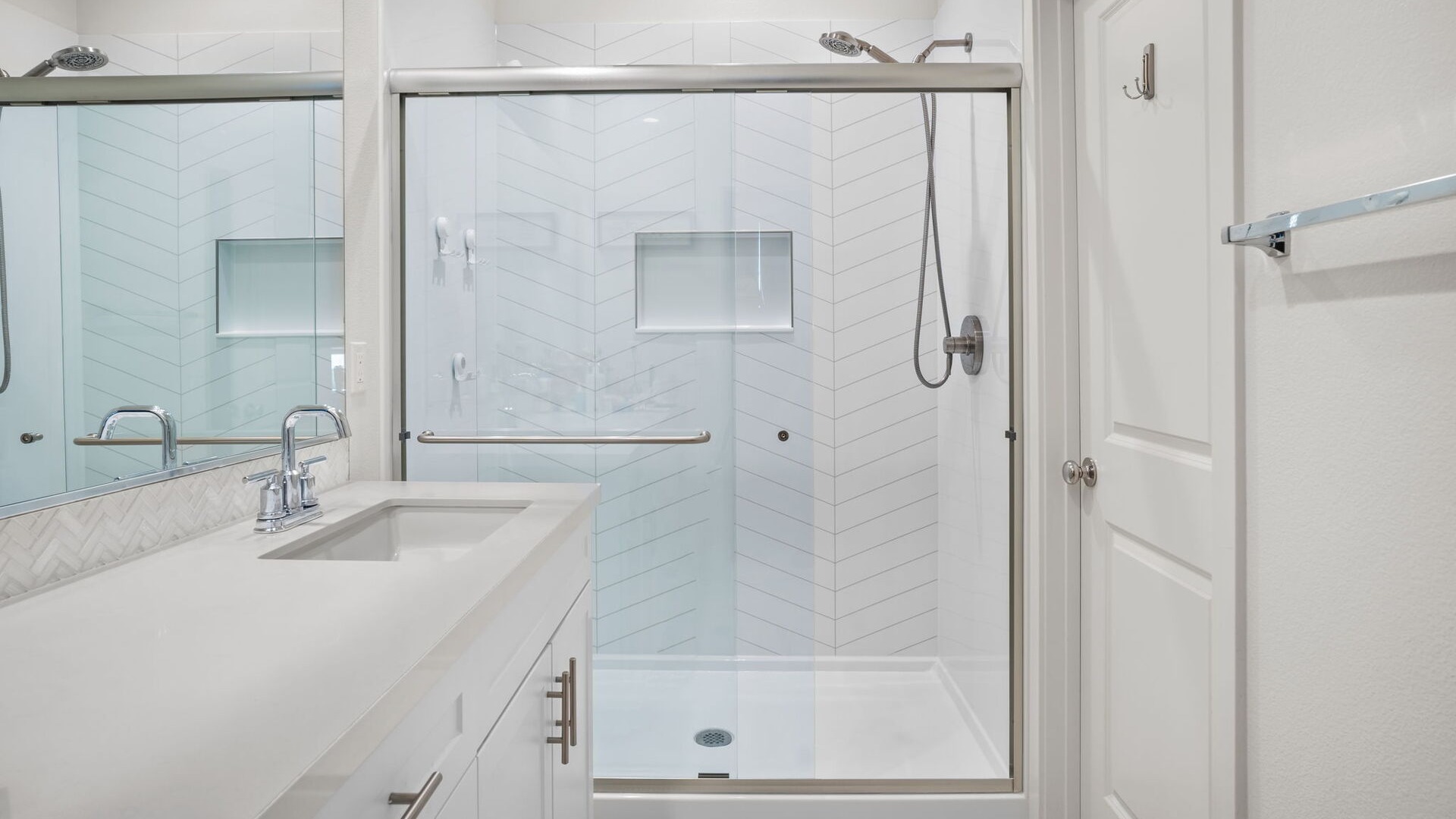
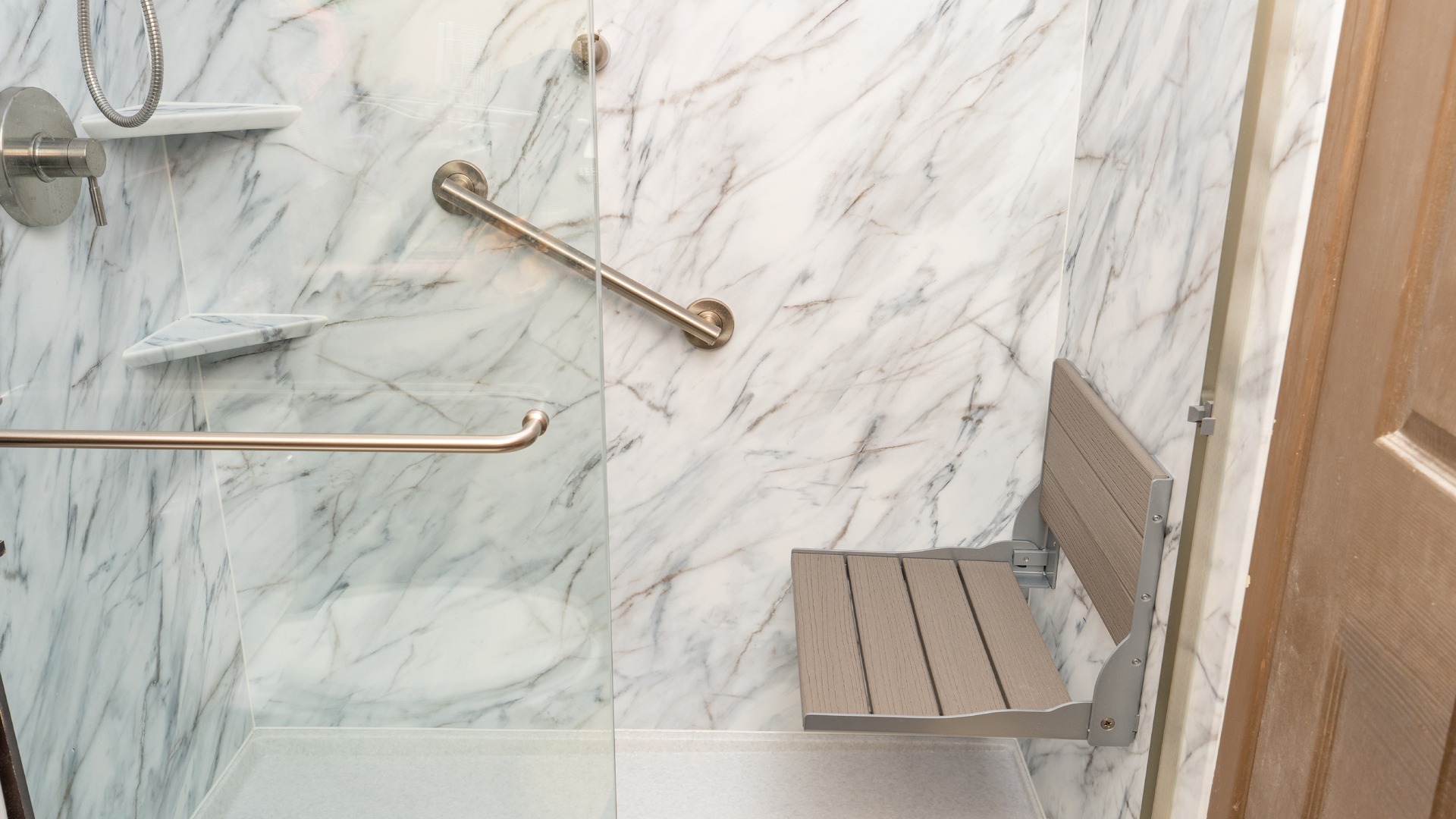
A walk-in shower removes the tub ledge with a low or no threshold entry. You don’t have to work as hard to keep your balance. You can also add grab bars, a shower seat, and anti-slip strips to make the space that much safer.
Check out our article on how a tub-to-shower conversion makes your space safer.
What Does It Cost to Convert to a Walk-In Shower Versus Keep Your Tub?
Pricing has more to do with the size of your tub and shower area, the features you pick, and any layout changes than with whether you choose a tub or a shower. Either way, a tub or shower remodel generally costs around $12,500 to $22,000 or more depending on your space.
If cost is holding you back from either option, ask about financing when you schedule your consultation.

Is a Bathtub or Walk-In Shower Easier to Clean and Maintain?
A walk-in shower is generally easier to clean and maintain.
A bathtub has a smooth surface, but you still need to scrub the basin, sides, and corners. Leaning over the wall to clean it can strain your back and stomach.
For either option, you also need to consider shower wall material choice. Tile and grout trap dirt and need regular scrubbing to stay clean. Nonporous shower materials can be wiped down in seconds with a towel or squeegee.
To learn more about materials, learn about which shower wall options are low-maintenance.
What Are the Reasons to Keep the Bathtub?
Here are a few reasons keeping the tub might make sense:
- You have young kids or pets who are easier to bathe in a tub.
- You enjoy an occasional soak and would miss having that option.
- You live in a neighborhood where families with young children are the main buyer pool. Having a tub could help when selling your home. Consult a realtor for more accurate information on your location.
- Your tub is the only one in the house, and you plan to rent to families down the road.
If a bathtub fits your lifestyle, that's reason enough to keep it. You can read more about the drawbacks of keeping a tub-and-shower combo.
What Are the Benefits and Drawbacks of Converting to a Walk-In Shower?
Here is a brief list of the benefits of converting your tub to a walk-in shower:
- A walk-in shower helps the most if you're aging in place, use a wheelchair or mobility aid, or are recovering from surgery and need to avoid high steps.
- Converting removes the hassle of an unused tub if no one in your home takes baths.
- A walk-in shower is faster for daily use since there's no tub to fill or drain.
- A handheld showerhead can still make bathing kids or pets manageable.
- Your tub and shower area might feel bigger without expanding any walls.
- Non-porous materials wipe clean in seconds instead of requiring a scrub.
You can read more about the benefits of a tub-to-shower conversion for more detail.
Here is a brief list of the drawbacks of converting your tub to a walk-in shower:
- A walk-in shower changes your drain size by about half an inch, which some homeowners' associations won't allow. Make sure to check your HOA rules to see if a conversion could be approved.
- You lose the built-in storage a tub ledge provides, so you'll want to add recessed or corner shelving.
- It can affect resale value in neighborhoods with a strong family buyer pool that prefer keeping at least one tub.
- A conversion may not be the right move if a tub is part of your daily routine.
Read more about the drawbacks of a tub-to-shower conversion.
Does a Bathtub or a Walk-In Shower Have Better Resale Value for Your Home?
It depends on your local market. Consult a local realtor to see which option would help resale value.
In many cases, buyers care more about the condition and quality of the tub and shower area than whether a tub is present at all. Regardless of the option you choose, remodeling your tub or shower can raise your home's value by around 5 to 10%. Buyer preference varies quite a bit by region and property type. In homes with more than one bathroom, keeping at least one tub often appeals to a wider range of buyers.
Questions to Ask Before Deciding Between a Bathtub and Walk-In Shower?
Here are a few honest questions to ask yourself:
- When did I last use my tub?
- Do I feel safe getting in and out of it now?
- Am I remodeling for how I live today, or for resale down the road?
- How long do I plan to stay in this home?
Keep in mind there isn’t a single right answer for every household.
So, Is a Walk-In Shower or a Bathtub the Right Choice for You?
Whether a walk-in shower or a bathtub is the better choice for your home depends on your needs and lifestyle. One option isn’t objectively better than the other.
Now that you have a better idea of whether to convert to a shower or keep the tub, read our article on the best materials to use for shower walls so your tub or shower can be built to last.
To have someone come check out your specific bathroom, schedule a free design consultation with Shugarman’s Bath. An expert will look at your space and offer solutions for your needs.
The opinions expressed in the referenced materials are those of the authors only, not necessarily of Shugarman’s Bath. While these referenced materials are useful in answering generalized questions, each bathroom is unique. For a particular question about your tub or shower remodeling project, contact your Shugarman’s Bath consultant.
The opinions expressed in the referenced materials are those of the authors only, not necessarily of Shugarman’s Bath. While these referenced materials are useful in answering generalized questions, each bathroom is unique. For a particular question about your tub or shower remodeling project, contact your Shugarman’s Bath consultant.
FAQs on Tub and Shower Remodeling:Q: How long does a typical shower remodel take?A typical shower remodel takes 1-2 days. More complex projects in larger areas can take longer. Q: What materials do you use for your tub and shower products?Our products are mainly composed of a material called BP-Cor2. It's a high-tech polymer made up of 15% acrylic and 85% ABS, the same material used to make football helmets. It's a step up from traditional tile and standard acrylic. We can laser-etch grout lines into the material to give it the look of tile without the cleaning and maintenance that comes with it. We call it Modern Tile. Q: How many design options does Shugarman's Bath offer?Shugarman's Bath offers 500-600 color and style options, so you can find a combination that fits your bathroom and your taste. |
.jpg?width=1920&height=1080&name=VERSUS%20(4).jpg)
.png?width=1920&height=1080&name=VERSUS%20(2).png)
-1.jpeg?width=1920&height=1080&name=CherylJordan_Web7%20(1)-1.jpeg)
-1.jpg?width=1920&height=1280&name=AmandaCheyney_Print2%20(1)-1.jpg)