What Matters Most
|
A full shower remodel usually costs $8,000 to $22,000 or more, depending on the material and the size and scope of the work. If you’ve clicked an ad promising that number and never found one, here it is, broken down by material.
Shugarman’s Bath has completed over 7,000 remodels, and every one started with an exact quote. We think you should see the numbers for every option before you talk to a contractor. That way, you can choose the best option for your bathroom.
This guide covers pricing for refinishing, fiberglass, acrylic, BP-Cor2, tile, and composite stone. It also explains why prices vary so much and which option gives you the best long-term value.
Table of Contents:
- What Does Each Shower Option Cost?
- Refinishing · Fiberglass · Acrylic · BP-Cor2 · Tile · Composite Stone
- Why Do Shower Remodel Prices Vary So Much?
- Which Shower Remodel Option Is the Best Value?
- Shower Remodel Option Cost Comparison Table
What Does Each Shower Option Cost?
Here’s how much you can expect to pay for each shower material and installation:
How Much Does Shower Refinishing Cost?
Shower refinishing costs about $300 to $1,000. A refinisher cleans and etches your current surface, then sprays a new coating over it. Any damage behind the walls remains where it is.
The process takes 1 to 1.5 days. The fumes are strong and unpleasant, so plan to stay out of your home for up to 3 days while the coating cures.
Refinishing is a short-term fix. The coating scratches easily and can peel or chip. A refinish usually shows wear within 2 years. Refinishing fits homeowners who only need their shower to look better for a short time. Leaking pipes, rotted wood, mold, termite damage, and soft or spongy floor joists will stay where they are and can get worse over time.
If you’re putting off a full remodel, keep in mind that a full remodel a year or two later will likely cost more than it would today. Learn more in our guide to refinishing vs. a full shower remodel.
How Much Does a Fiberglass Shower Cost?
A fiberglass shower sits at around $8,000-$11,000. Fiberglass is made of woven glass fibers set in resin, with a thin, glossy gel coat on top. Today, you'll mostly find it in shower bases and new-home construction rather than full-wall systems.
Installation takes 1-2 days. The main drawback is that the surface gel coat wears down. This can happen through regular scrubbing, especially on textured, slip-resistant floors. Once it wears through, it exposes the pores in the fiberglass underneath, which trap dirt and soap scum. The fiberglass becomes harder to clean and lets moisture seep through to the backer board and framing behind it. Bases can also flex and crack if they aren't set in a bed of mortar during installation.
Fiberglass can last 3 to 12 years. If the gel coat wears off, refinishing would be the main way to restore the surface. Fiberglass can only take about 2 refinishes before a new coat no longer holds.
How Much Does an Acrylic Shower Cost?
An acrylic shower typically costs $10,000 to $20,000 installed. Acrylic shower panels are fiberglass-reinforced plastic with a printed design and a thin protective film on top. The surface is nonporous, making it easy to clean when it's new.
Installation takes 1-2 days. Acrylic is rigid, so corners and edges often rely on glued-on trim pieces. If the trim pieces fail, they let water into your walls. A deep scratch can cut through the film and into the printed design. Acrylic can also crack, yellow, or warp over time.
Acrylic usually lasts 10-15 years.
How Much Does a BP-Cor2 Shower Cost?
A BP-Cor2 (pronounced "bee-pee core two") shower costs $12,500 to $22,000 or more. A larger tub-and-shower area or California combo usually costs $30,000 or more. It all depends on the scope of work.
BP-Cor2 isn't a well-known material, but Shugarman's Bath installs it in every remodel. BP-Cor2 is about 85% ABS, the impact-resistant plastic used in car bumpers. The other 15% is a thin acrylic cap that’s co-extruded with the ABS, meaning both materials are melted and pressed together into one solid sheet. The thin acrylic top layer that protects the design underneath.
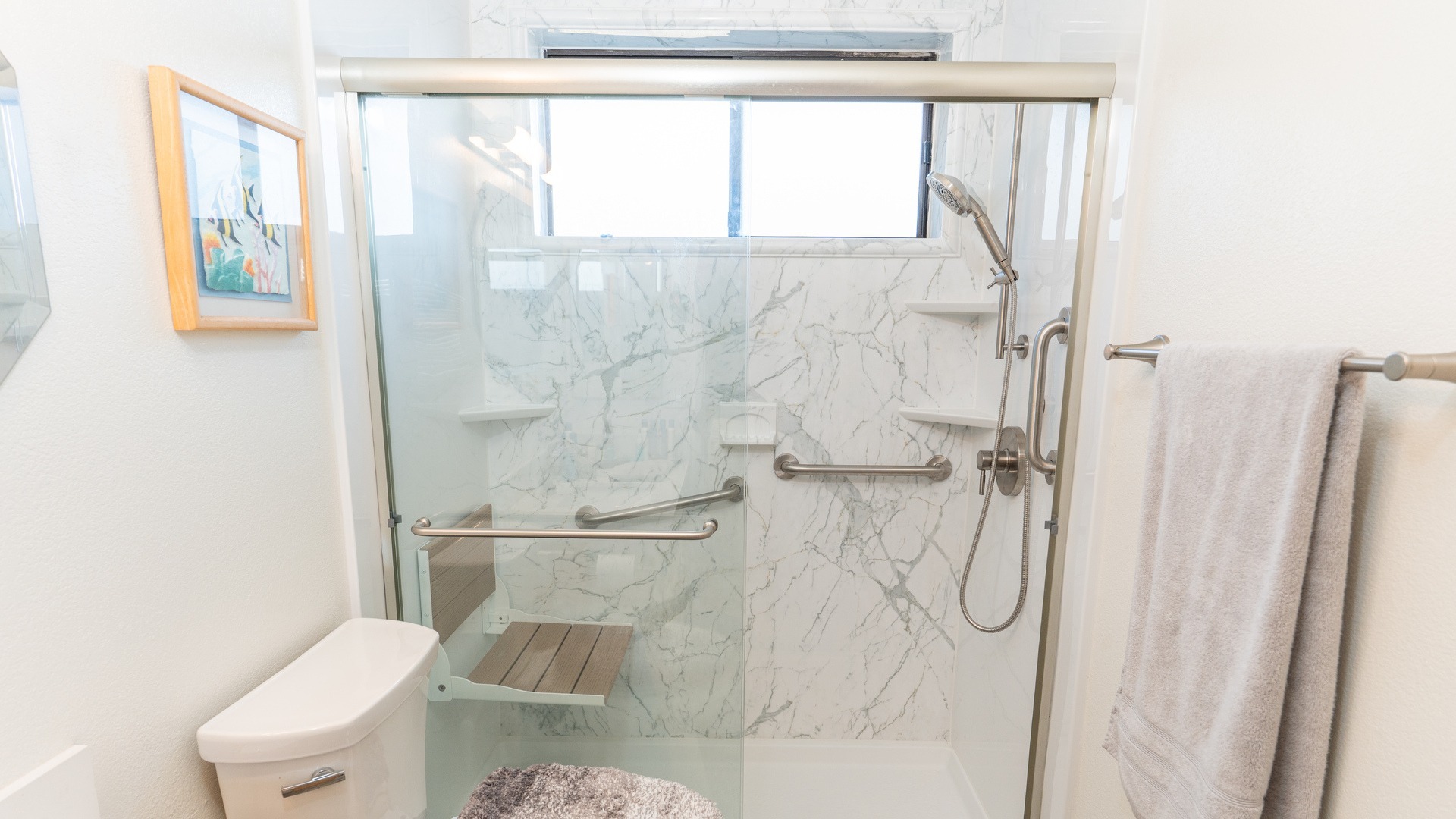
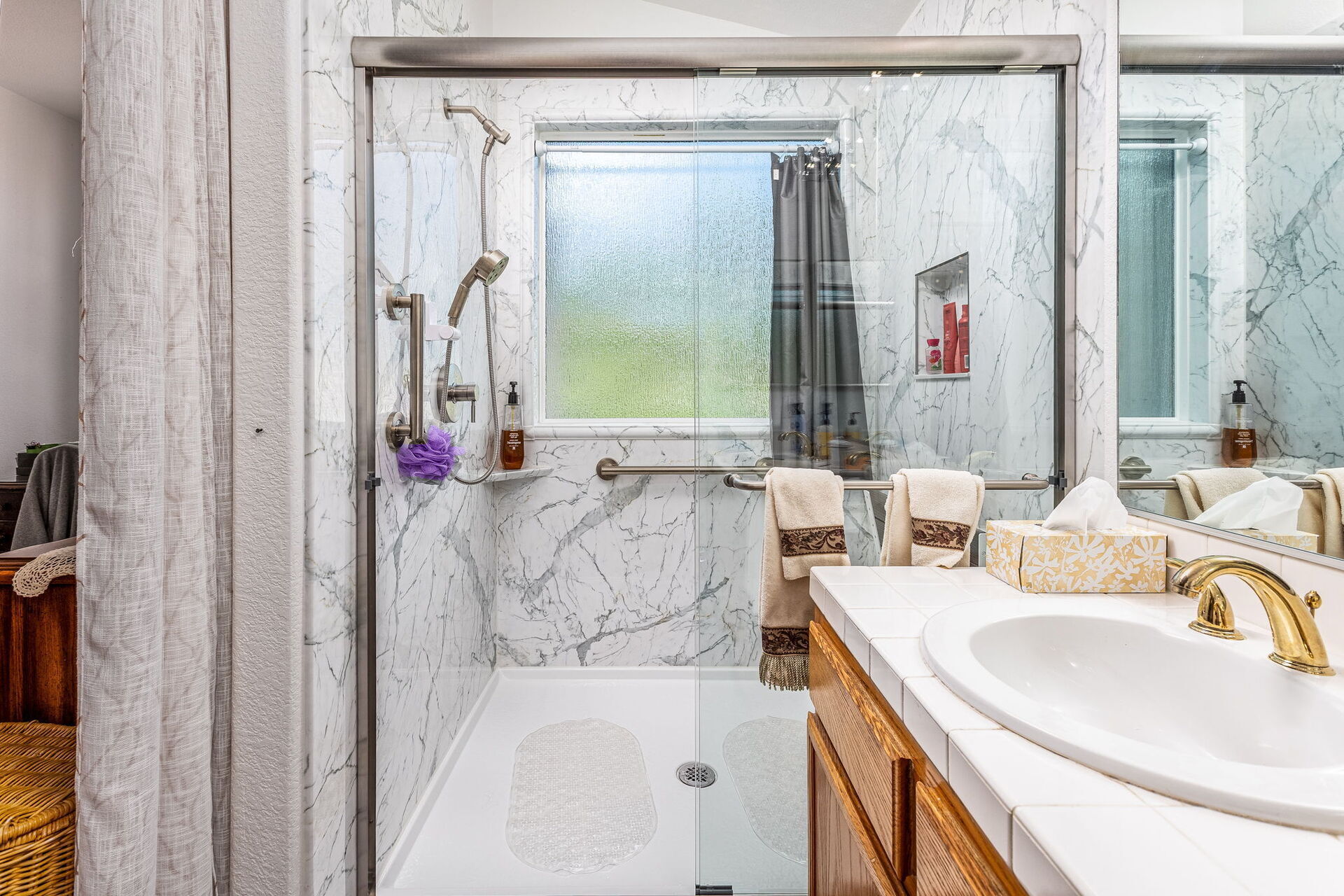
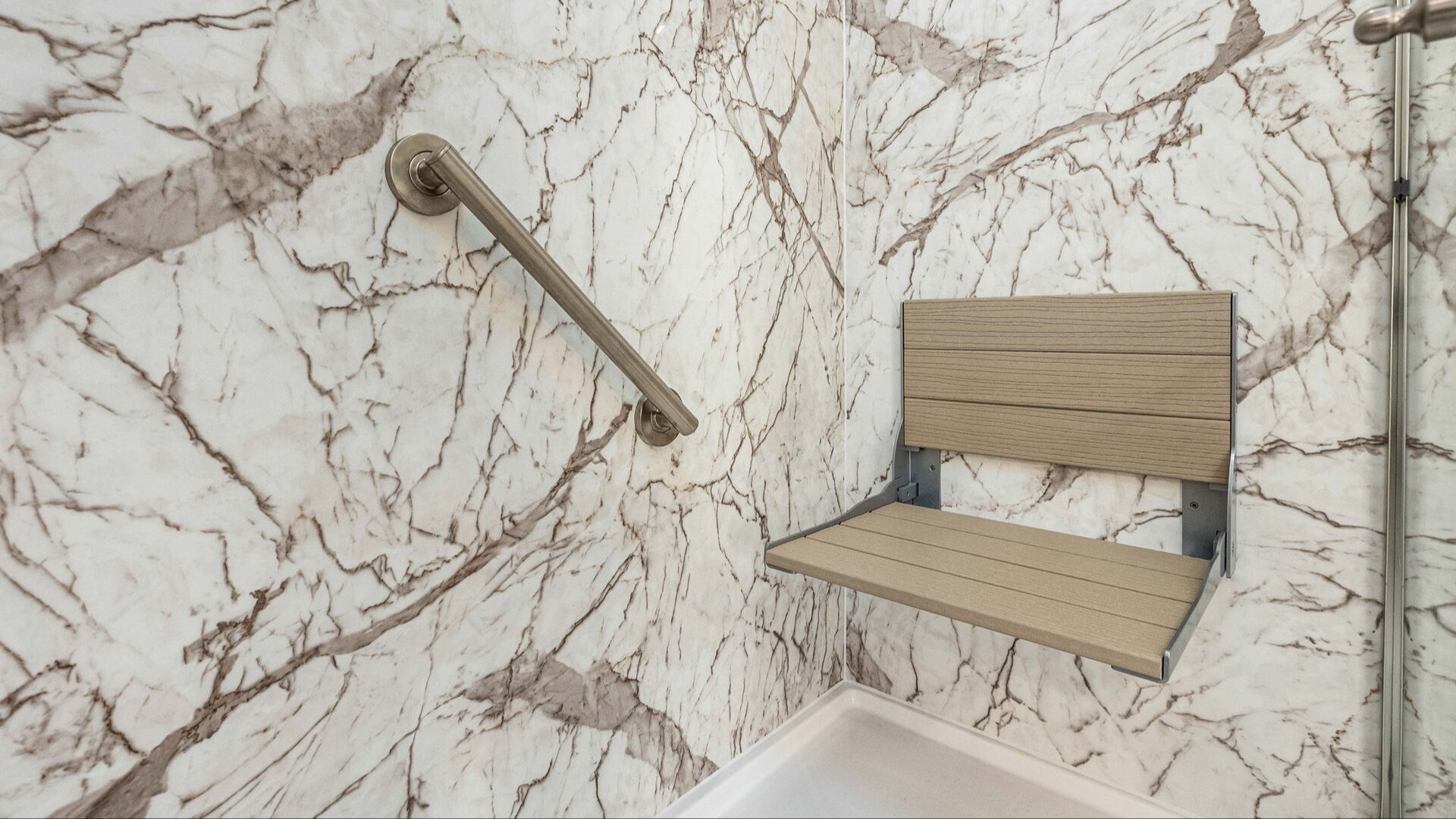
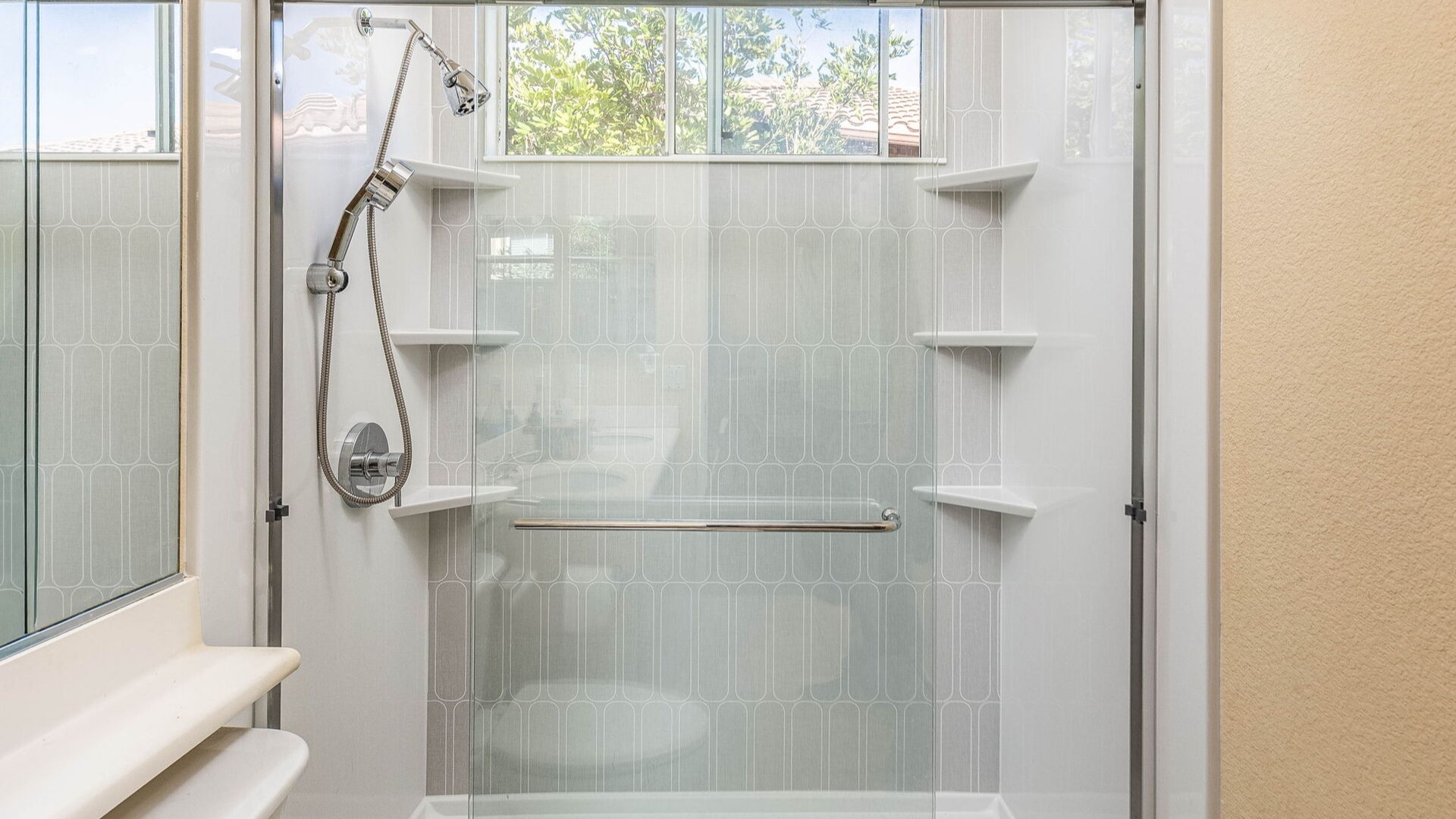
The material flexes and bends around corners, so it needs fewer seams. The top layer of BP-Cor2 protects the design, meaning scratches can often be buffed out. The material is also antimicrobial and nonporous, making cleaning as simple as using warm water, a little dish soap, and a quick wipe-down.
Installation takes 1-2 days. Because BP-Cor2 is a higher-quality shower wall material, it tends to cost more than many shower wall materials. You can choose from about 500 to 600 colors and patterns.
BP-Cor2 is designed to last 30+ years or the lifetime of your home. It suits homeowners who plan to stay put and want to remodel only once. Learn more about what BP-Cor2 is and how it works.
Take a look at our project gallery to see how BP-Cor2 could look in your home.
How Much Does a Tile Shower Cost?
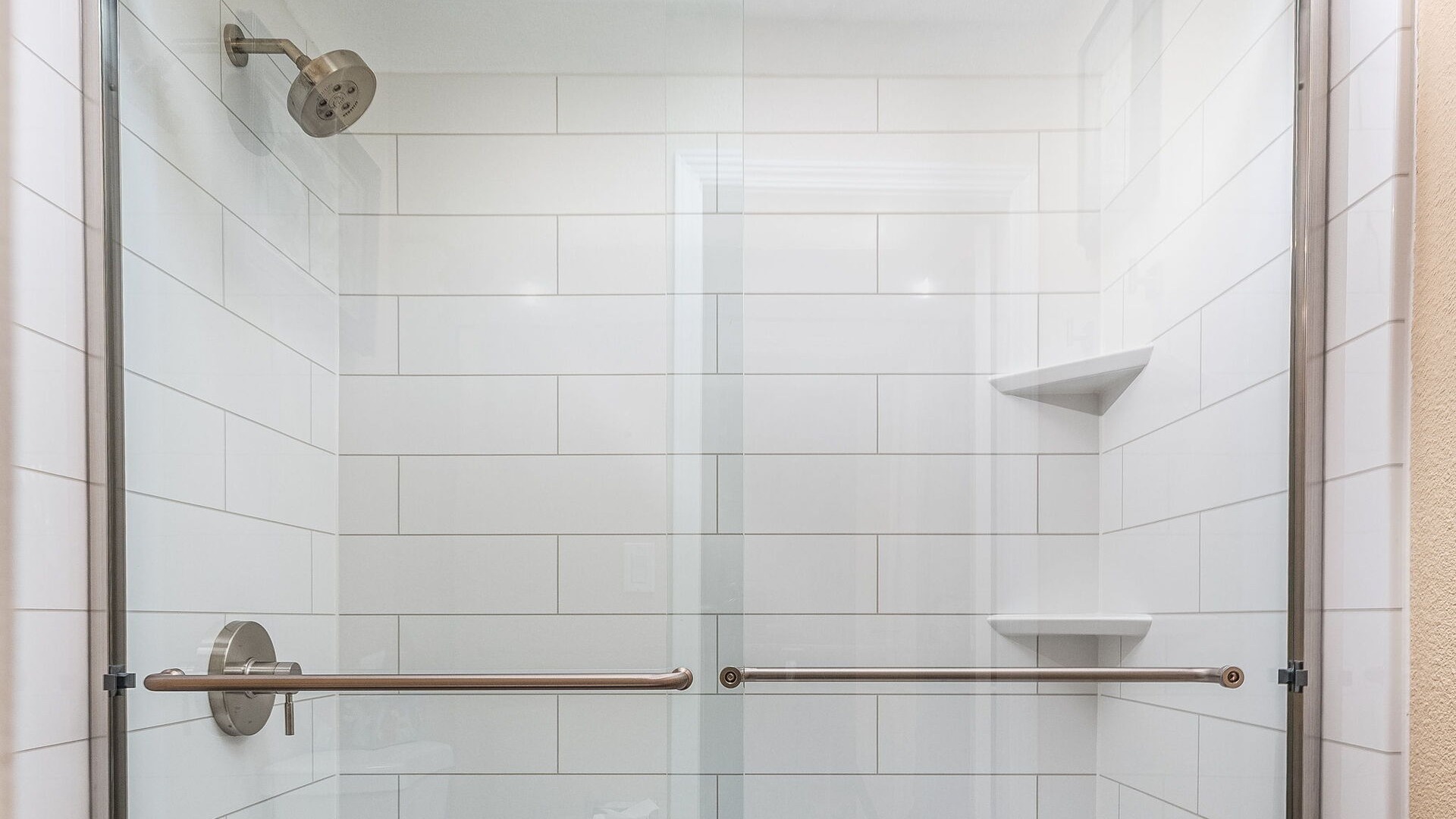
A traditional tile shower installation typically costs $9,000 to $14,000. Custom work with high-end tile and a skilled installer can reach $25,000 or more.
Tile takes the longest to install. Done properly, it usually takes 2 to 4 weeks. Before any tile goes up, separate trades often handle demolition, new plumbing, and carpentry, like leveling walls and hanging backer board. Scheduling can take 2 to 3 weeks on its own.
The tile work then takes at least a week. Waterproofing needs 2 coats, and each coat needs 24 to 48 hours to dry. After the tile is set, the grout needs 1-2 days to dry before it can be sealed.
Some installers skip waterproofing and set tile right over the old walls in a couple of days. That saves time, but it skips the steps that keep water out of your walls.
A large drawback with tile is maintenance and upkeep. Grout is porous, so it holds moisture, dirt, and soap scum, and you need to reseal it every 6 to 12 months. Epoxy grout helps, but it's hard to install well.
Tile installers likely won’t have a manufacturer’s warranty on the tile itself, so if a tile cracks, replacing it without damaging the surrounding tiles can be difficult.
Tile is best for homeowners who want the most design choices and don't mind the upkeep. Read more about tile and how it compares to other shower wall materials.
How Much Does a Composite Stone Shower Cost?
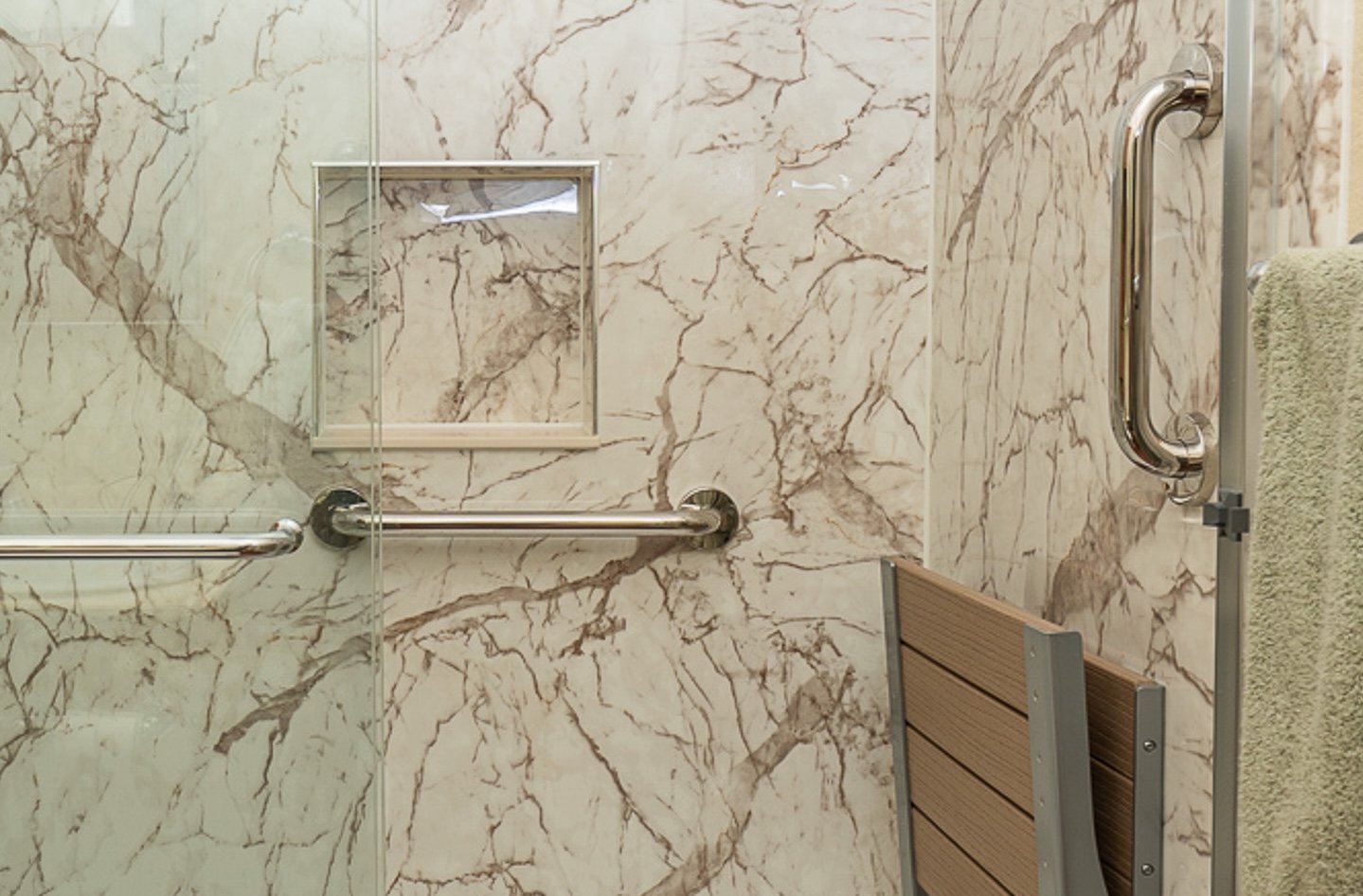
A composite stone shower typically costs $16,000 to $22,000 or more. Composite stone, also called stone resin, is crushed stone bonded with resin into solid panels. It's nonporous, resists scratches, and cleans easily with warm water and mild soap.
Installing stone resin composites can take 1-2 days. Even though the panels are only about a quarter inch thick, they’re heavy because they’re made of crushed stone. They’re harder to handle and can chip or crack during installation.
The panels can’t bend around corners, and their thin edges look unfinished on their own. Installers cover the corners and edges with glued-on trim pieces. Over time, each seam can loosen and let water in.
Composite stone is best for homeowners who want a stone look, easy cleaning, and have the budget for it.
Why Do Shower Remodel Prices Vary So Much?
Shower remodel prices vary based on the materials you choose and how the shower is installed. Different contractors charge at different rates. People often overlook the work and materials that go into the parts you can't see, like the backer board behind the walls and the type of pipes used for plumbing. Tile, for example, can turn an $8,000 shower into a $25,000 shower, depending on the tile you pick and how your new shower is installed.
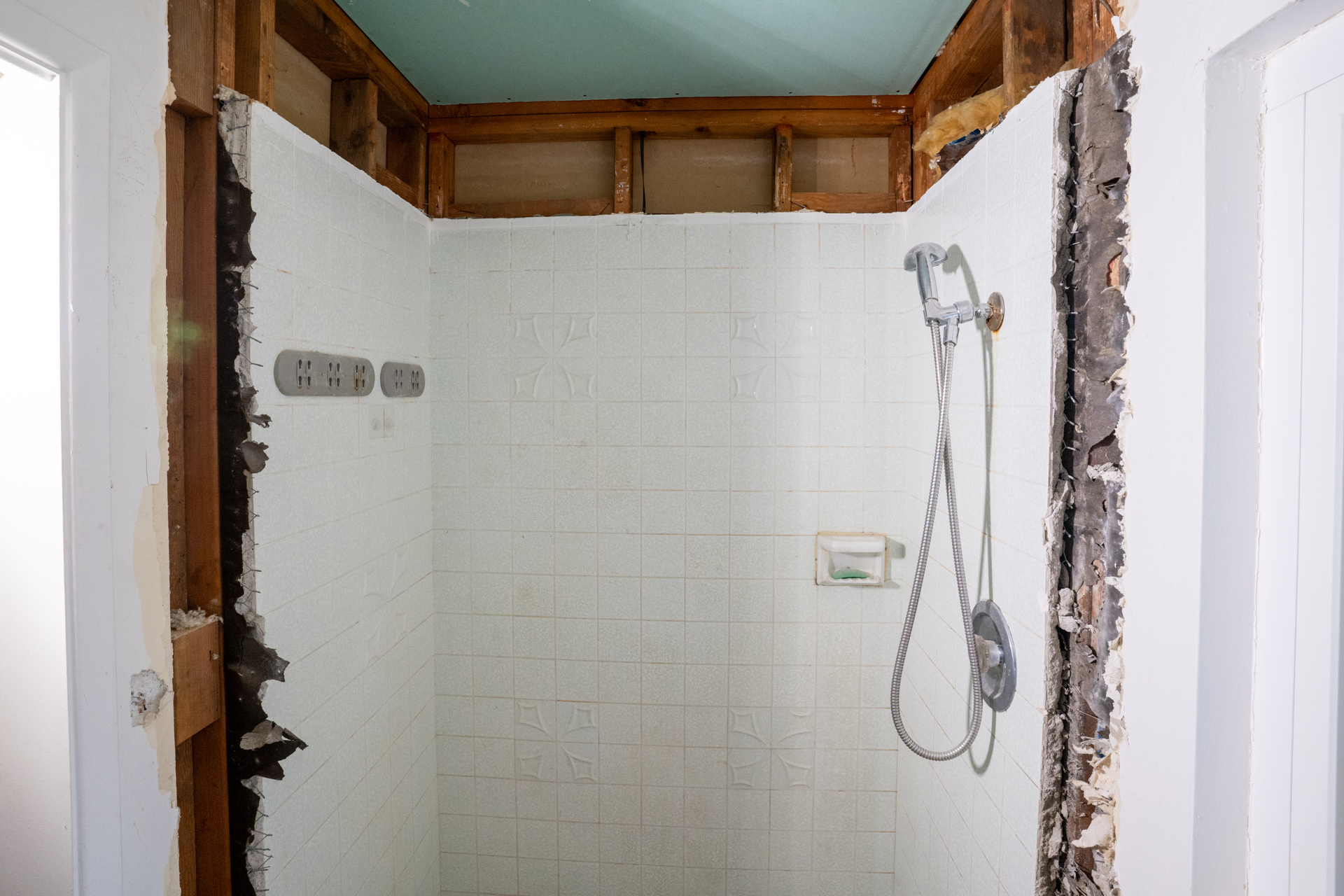
Some contractors install new walls right over the old ones. While it costs less, it’s only a cosmetic change. Whatever damage is behind the old walls stays there. If something fails later, the new shower has to come out to fix it. A down-to-the-studs demolition costs more, but it lets the installer find and fix problems before new walls go up.
Another consideration is surprise costs. Remodel contracts often include an “unforeseen conditions” clause that allows a contractor to charge more for problems found behind the walls. This clause exists because problems such as mold, rotting wood, termite damage, or failing pipes often arise. Before you sign a contract, ask each contractor what is included and what costs may be added later.

Which Shower Remodel Option Is the Best Value?
The best long-term value comes from nonporous, low-maintenance materials installed down to the studs by a contractor who stands behind the work.
Remember, the contractor you sign with matters as much as the material you choose. Two quotes that offer the same product can cover different work. Compare contracts closely, find what’s included, understand what you can be charged more for, and read the warranty. Vague maintenance rules or having anyone else work on your shower can void some warranties.
With the Never Any Extras Guarantee from Shugarman’s Bath, your contract price is your final price. Some exceptions apply. Every remodel is also backed by a lifetime warranty for as long as you own your home.
Shower Remodel Option Cost Comparison Table
|
Option |
Installed price |
Install time |
Lifespan |
|
Refinishing |
$300 to $1,000 |
1 to 1.5 days, plus up to 3 days out of the home |
Wears within 2 years |
|
Fiberglass |
$8,000 to $11,000 |
1-2 days |
3 to 12 years |
|
Acrylic |
$10,000 to $20,000 |
1-2 days |
10 to 15 years |
|
BP-Cor2 |
$12,500 to $22,000+ |
1-2 days |
Designed for 30+ years or the lifetime of the home |
|
Tile |
$9,000 to $14,000 ($25,000+ custom) |
2-4 weeks |
Depends on installation and maintenance |
|
Composite stone |
$16,000 to $22,000+ |
1-2 days |
Long-lasting once installed |
How Do You Get an Exact Price for Your Shower Remodel?
What you pay for a shower remodel depends on the materials you choose and how they're installed. You shouldn’t be in the dark about your shower remodel cost. That’s why we gave you ranges for each option. No matter what material you choose or who you sign with, get every promise in writing. A verbal promise about what’s included won’t protect you if the contract says something different.
Now that you know what each shower remodel option costs, see how your design decisions can lower your shower remodel cost.
To know exactly what your shower remodel would cost to the penny with BP-Cor2, schedule a free design consultation with Shugarman’s Bath.
The opinions expressed in the referenced materials are those of the authors only, not necessarily of Shugarman’s Bath. While these referenced materials are useful in answering generalized questions, each bathroom is unique. For a particular question about your tub or shower remodeling project, contact your Shugarman’s Bath consultant.
FAQs on Shower Remodeling:Q: How long does a typical shower remodel take?A typical shower remodel takes 1-2 days. More complex projects in larger areas can take longer. Q: What materials do you use for your tub and shower products?Our products are mainly composed of a material called BP-Cor2. It's a high-tech polymer made of 15% acrylic and 85% ABS, the same material used in football helmets. It's an upgrade from traditional tile and standard acrylic. We can laser-etch grout lines into the material to give it a tile look without the cleaning and maintenance that comes with it. We call it Modern Tile. Q: Does Shugarman’s Bath offer financing?Yes, Shugarman's Bath offers financing through a trusted third-party lender. There are 2 main options: low-monthly-payment plans with terms up to 180 months, or a 12-month no-interest, no-payment plan for those who plan to pay the balance in full before the deadline. Because loans are unsecured, you don't need to put your home or car up as collateral. You can also mix cash and financing if that works better for your budget. Your design consultant will walk you through the numbers using your specific quote so you can compare plans side by side. Q: Does Shugarman’s Bath do full bathroom remodels?No, Shugarman’s Bath only remodels the tub and shower area. We complete around 150 shower remodeling projects per month. Starting with the tub and shower area is a sensible first step in a full bathroom remodel, since it's the hardest part of any bathroom to get right. If that work is done incorrectly, you could get waterproofing issues or leaks that spread water into the rest of your bathroom or other parts of your home. Once it’s done, you can hire a licensed handyman or general contractor to finish the rest, or do it yourself. Finish any remaining plumbing, like toilets and supply lines, before moving on to flooring, vanities, paint, lighting, and fixtures. |
Topics: