
-1.jpg?width=1920&height=1280&name=AmandaCheyney_Print2%20(1)-1.jpg)
What Matters Most
|
If you mostly use your bathtub as a shower, or stepping over the side has started to feel dangerous, a tub-to-shower conversion may be worth considering. Many homeowners reach a point where the tub they use is something they choose to shower in or no longer need at all. A tub-to-shower conversion can make your day-to-day safer and better suited to your needs.
We want to help you determine whether a tub-to-shower conversion is the best fit for your needs. At Shugarman's Bath, this is a common bathroom remodel question we hear during our 500 design consultations every month.
In this article, we’ll break down the benefits of a tub-to-shower conversion, who benefits most, and what potential drawbacks you should think through first.
Table of Contents:
- Who Benefits the Most From a Tub-to-Shower Conversion?
- How Does a Tub-to-Shower Conversion Improve Safety?
- How Does a Tub-to-Shower Conversion Help With Daily Use?
- Can a Tub-to-Shower Conversion Improve the Look of Your Bathroom?
- Is a Tub-to-Shower Conversion Easier to Clean and Maintain?
- Are There Any Drawbacks to a Tub-to-Shower Conversion?
- What Should You Consider Before a Tub-to-Shower Conversion?
- Is a Tub-to-Shower Conversion Right for You?
Who Benefits the Most From a Tub-to-Shower Conversion?
The group that benefits most from a tub-to-shower conversion is homeowners aging in place. Stepping over a high-threshold bathtub gets harder as we get older, making a fall more likely (especially on a wet surface). Converting to a walk-in shower lowers the threshold, making it safer to get in and out of the shower every day.
For homeowners who use a wheelchair or mobility aid, a zero-threshold shower can be a necessity for safety and accessibility.
|
Low-Threshold Shower Base |
|
|
|
|
|
Zero-Threshold Shower Base |
|
|
|
|
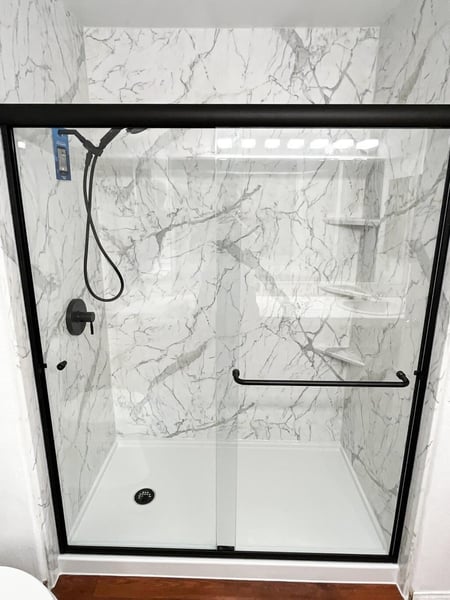
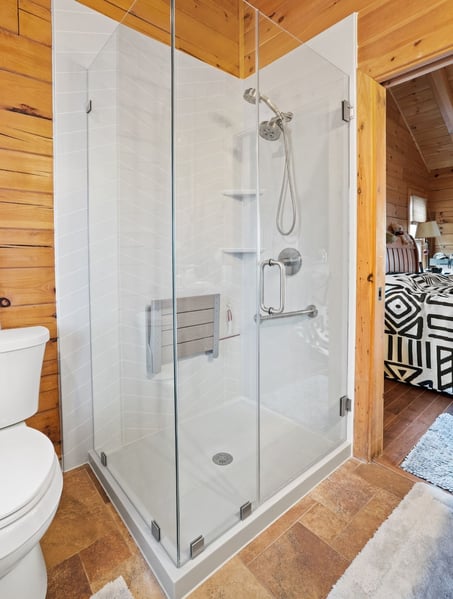
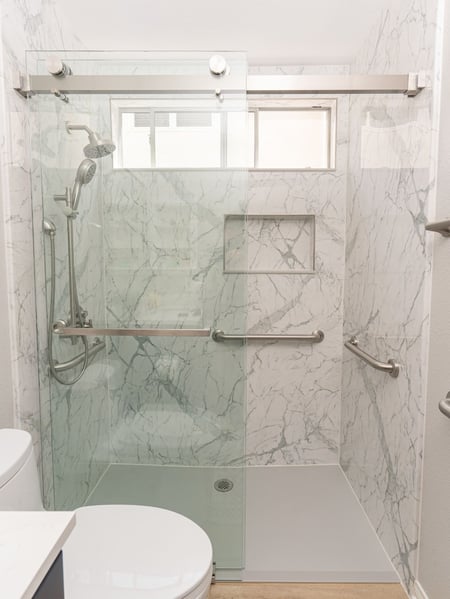
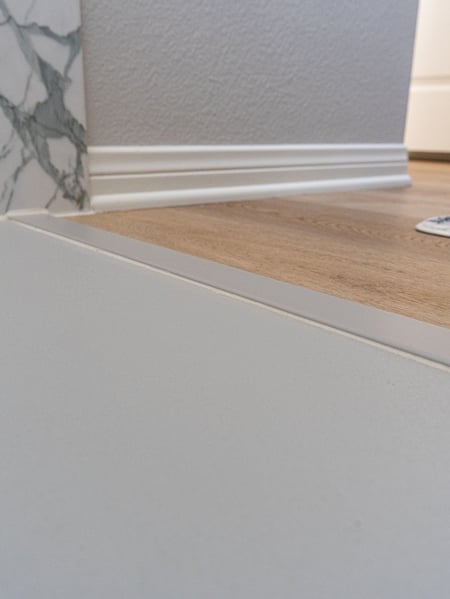
A tub-to-shower conversion can benefit homeowners recovering from surgery or working through a doctor-recommended restriction. When a doctor recommends avoiding high steps, take it seriously. In general, falling makes recovery harder and potentially lethal, especially for older adults. A walk-in shower can reduce the risk of hurting yourself.
Finally, a tub-to-shower conversion can benefit homeowners who use only the shower. Installing a walk-in shower can remove the hassle of an unused tub.
How Does a Tub-to-Shower Conversion Improve Safety?
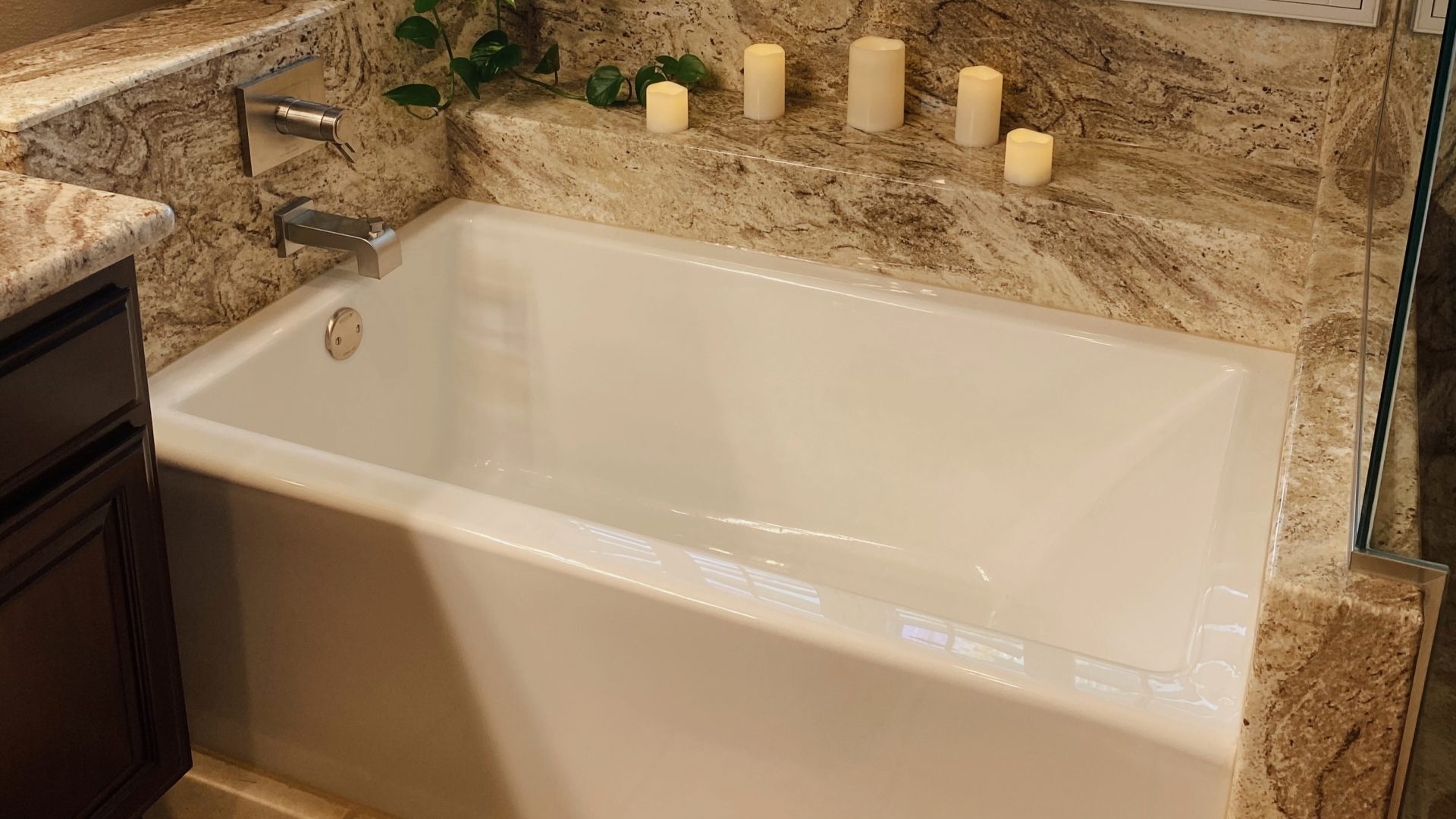
Tub-to-shower conversions improve safety because you’re lowering the threshold. The less you have to lift your leg, the less you risk falling. When you have a tub, the main issue you face is stepping over the threshold to get inside. A standard tub sits around 15 inches high. A deep soaking tub can be as high as 19 inches.
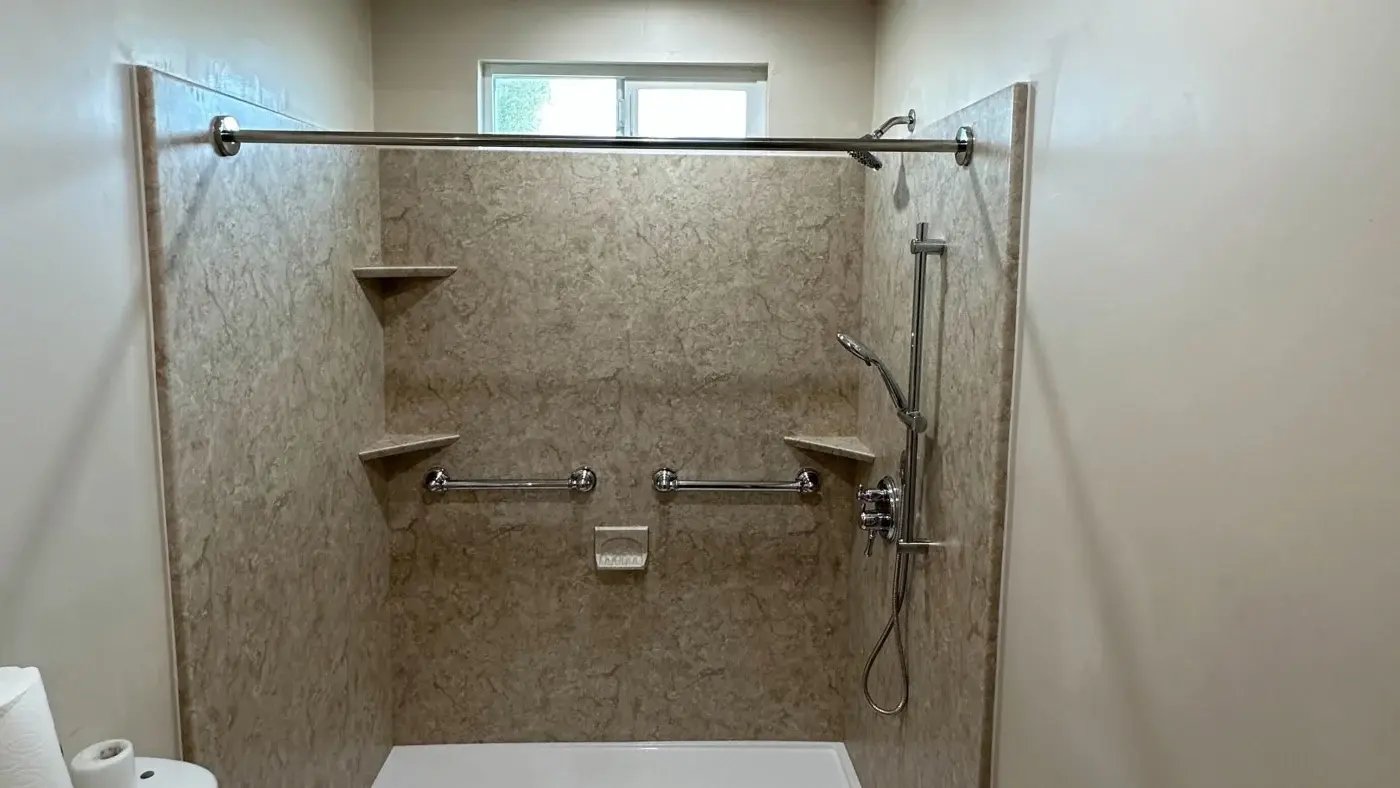
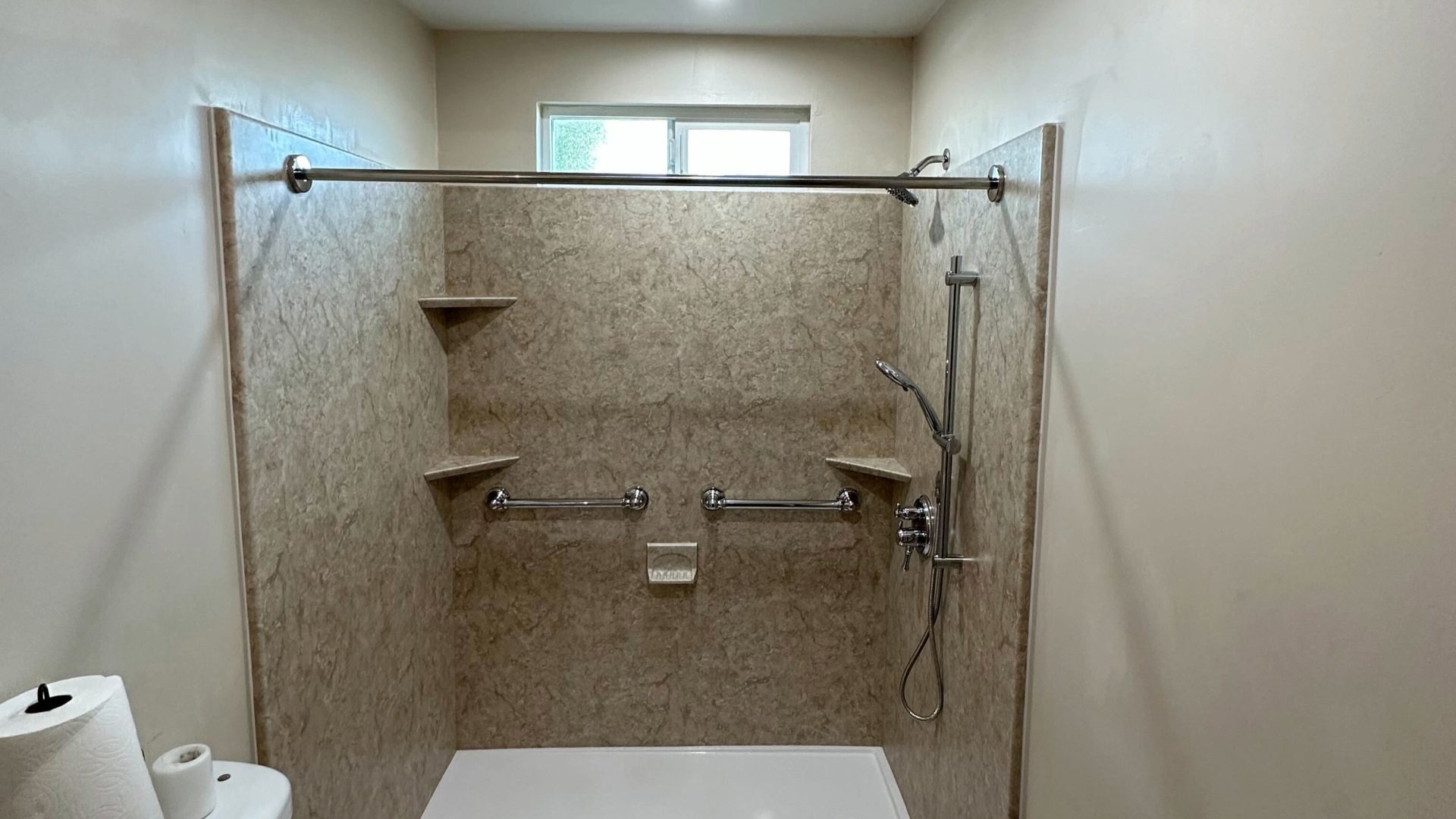
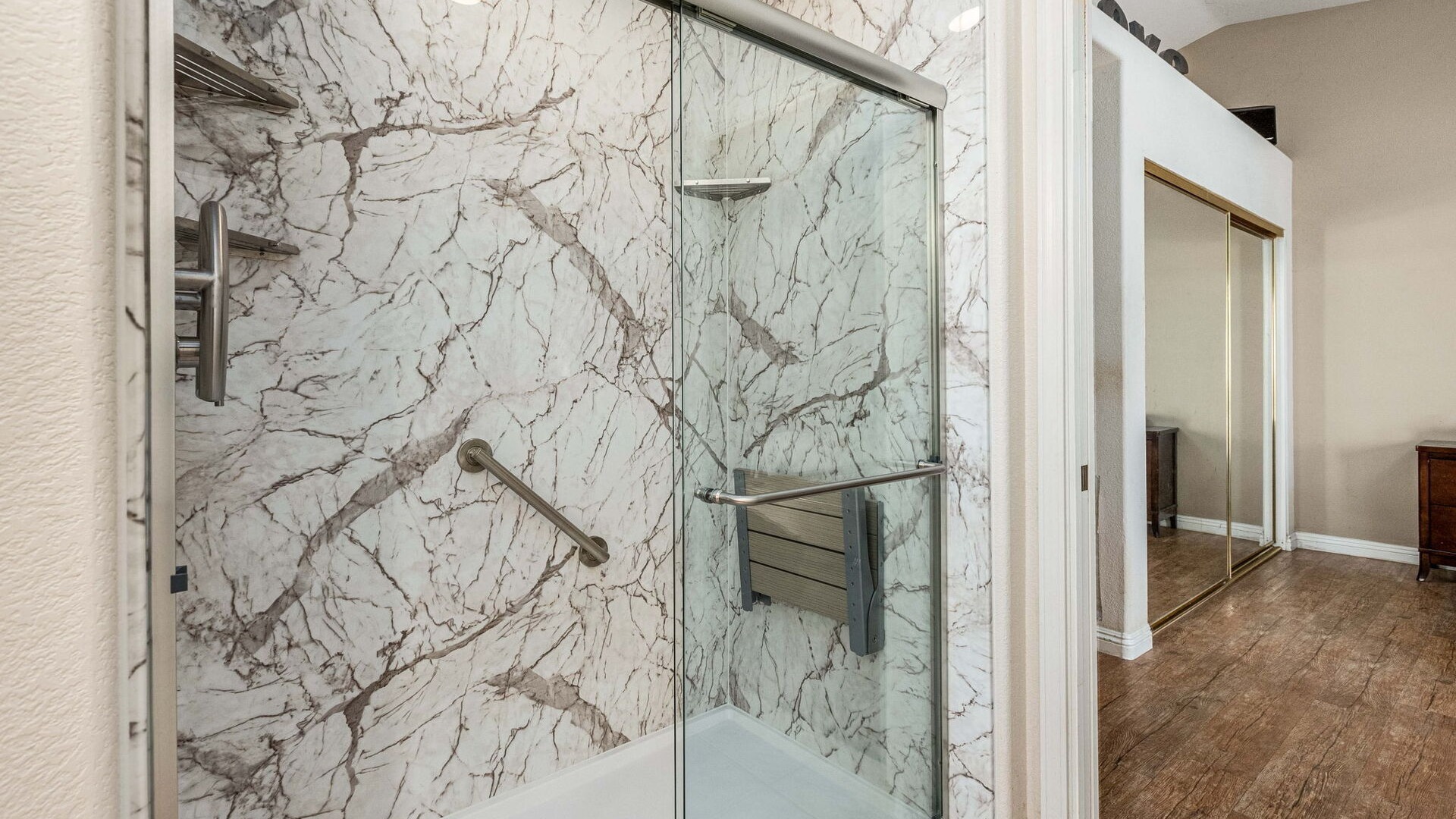
Low and zero-threshold entries make getting out of the tub and shower area safer. You can also build in grab bars and a shower seat if standing becomes difficult.
How Does a Tub-to-Shower Conversion Help With Daily Use?
Showers are generally faster and easier. You’re able to get in, clean, get out, and move on with your day. Filling a tub takes time. You may have made the water a little too hot, so you need to wait for it to cool. Compare that to a shower, where you change the temperature by slightly adjusting the valve.
Tubs can become so difficult to use that some people put off bathing altogether. A walk-in shower lowers the physical challenge of getting in and out.
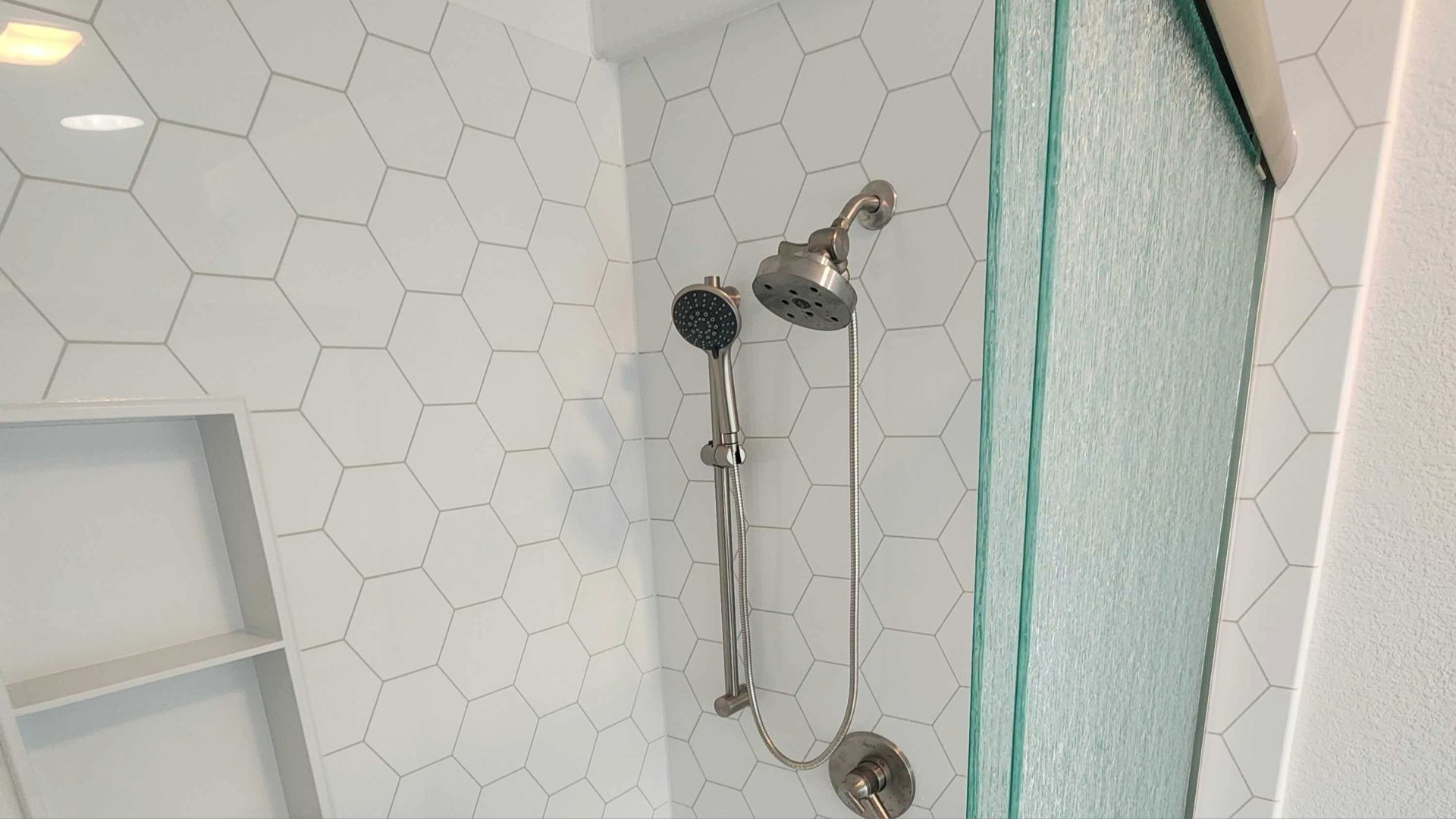
Tubs are generally easier if you have kids or pets. However, a handheld showerhead in a walk-in shower can make bathing your child or pet easier.
Can a Tub-to-Shower Conversion Improve the Look of Your Bathroom?
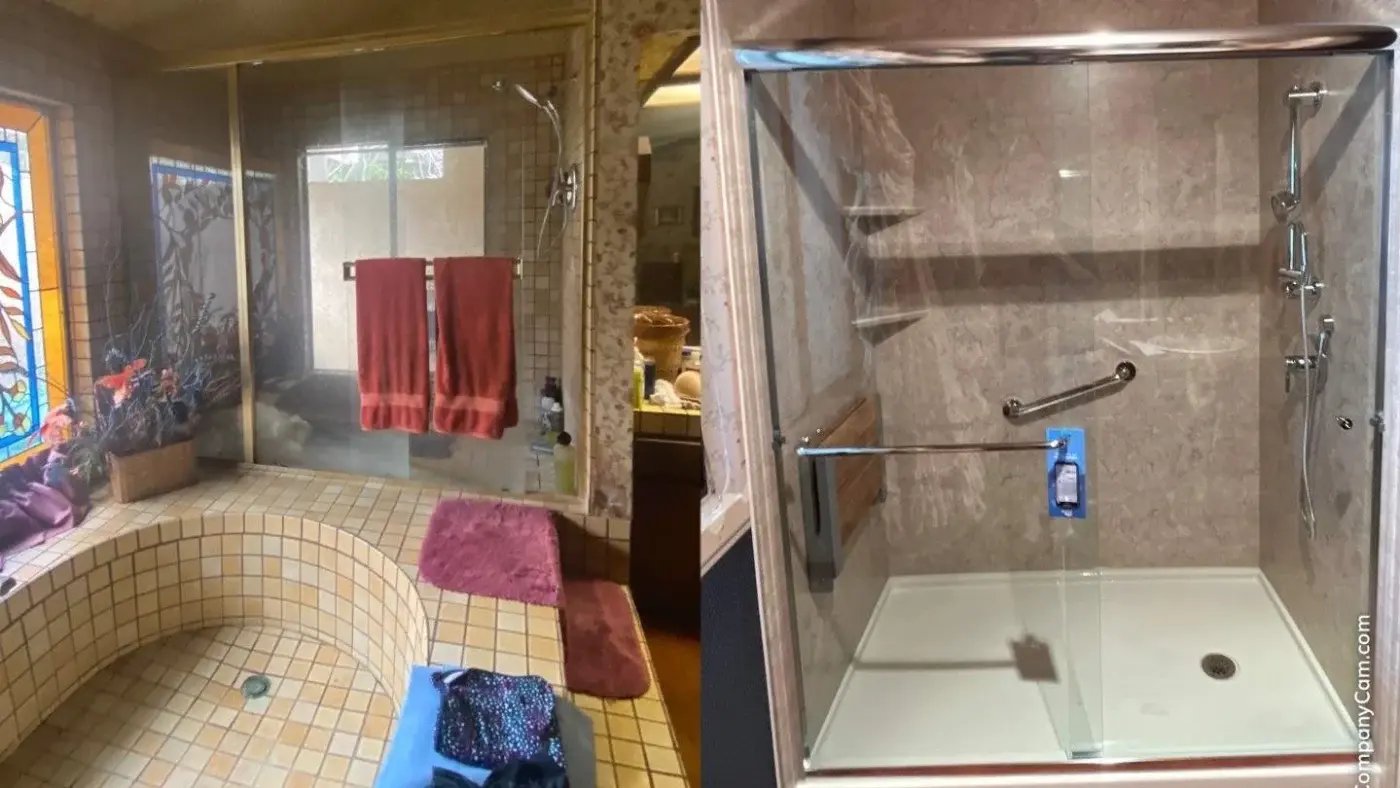
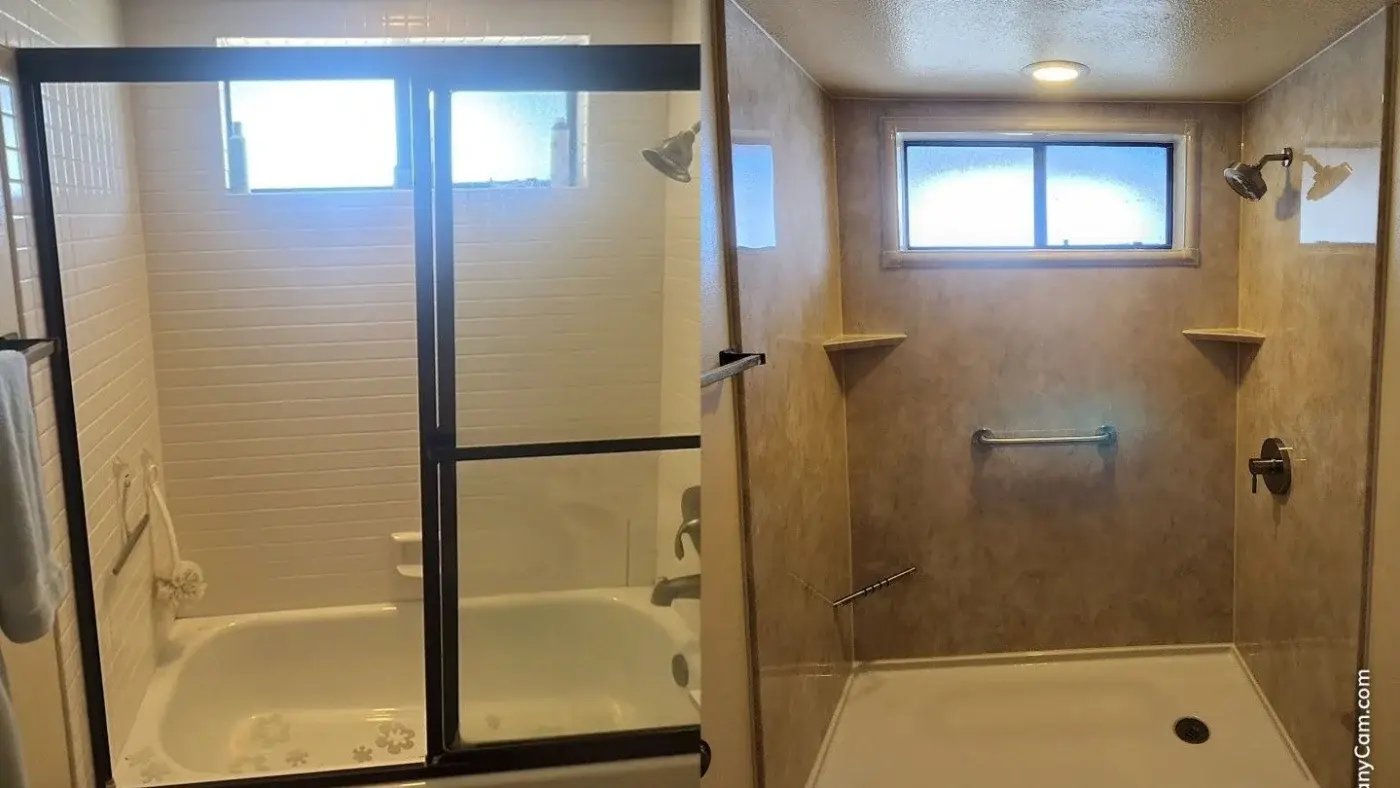
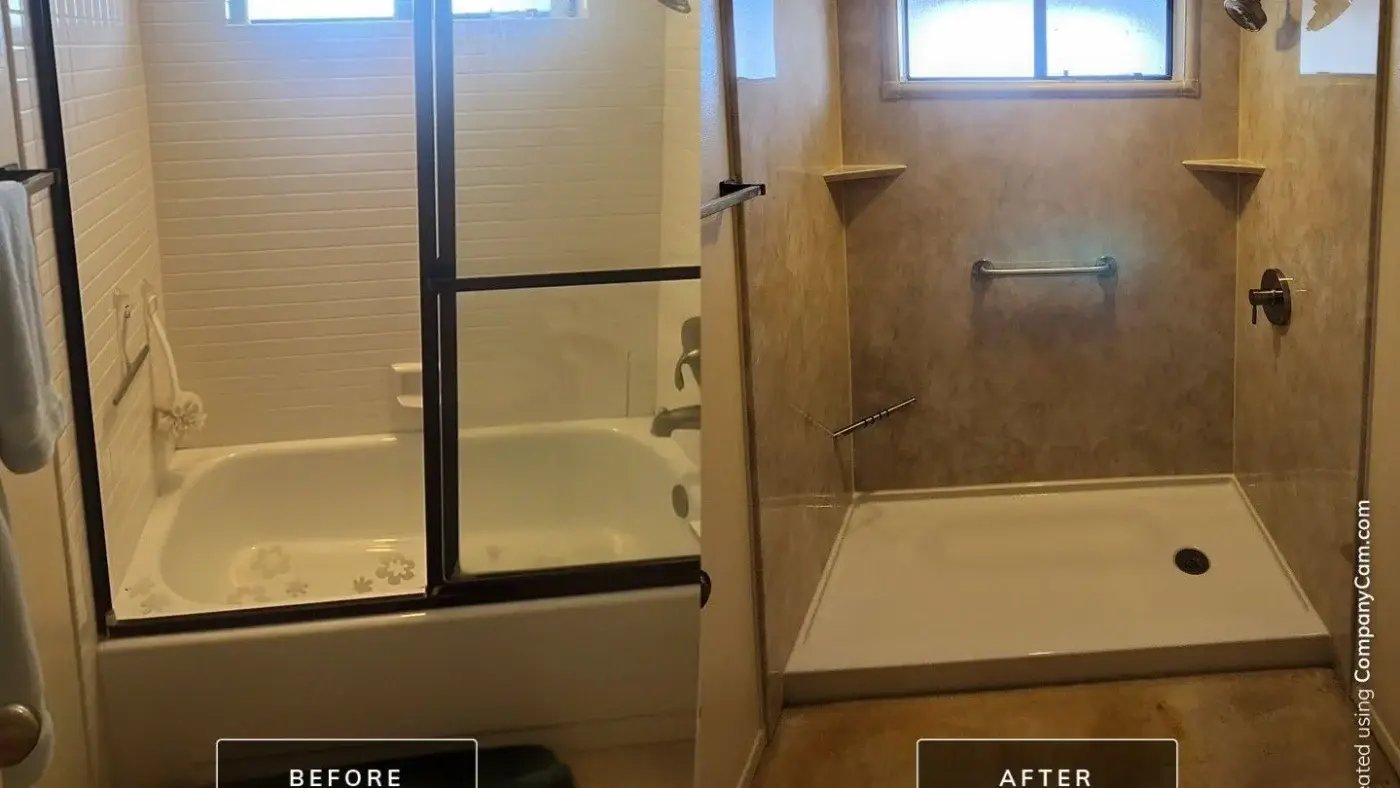
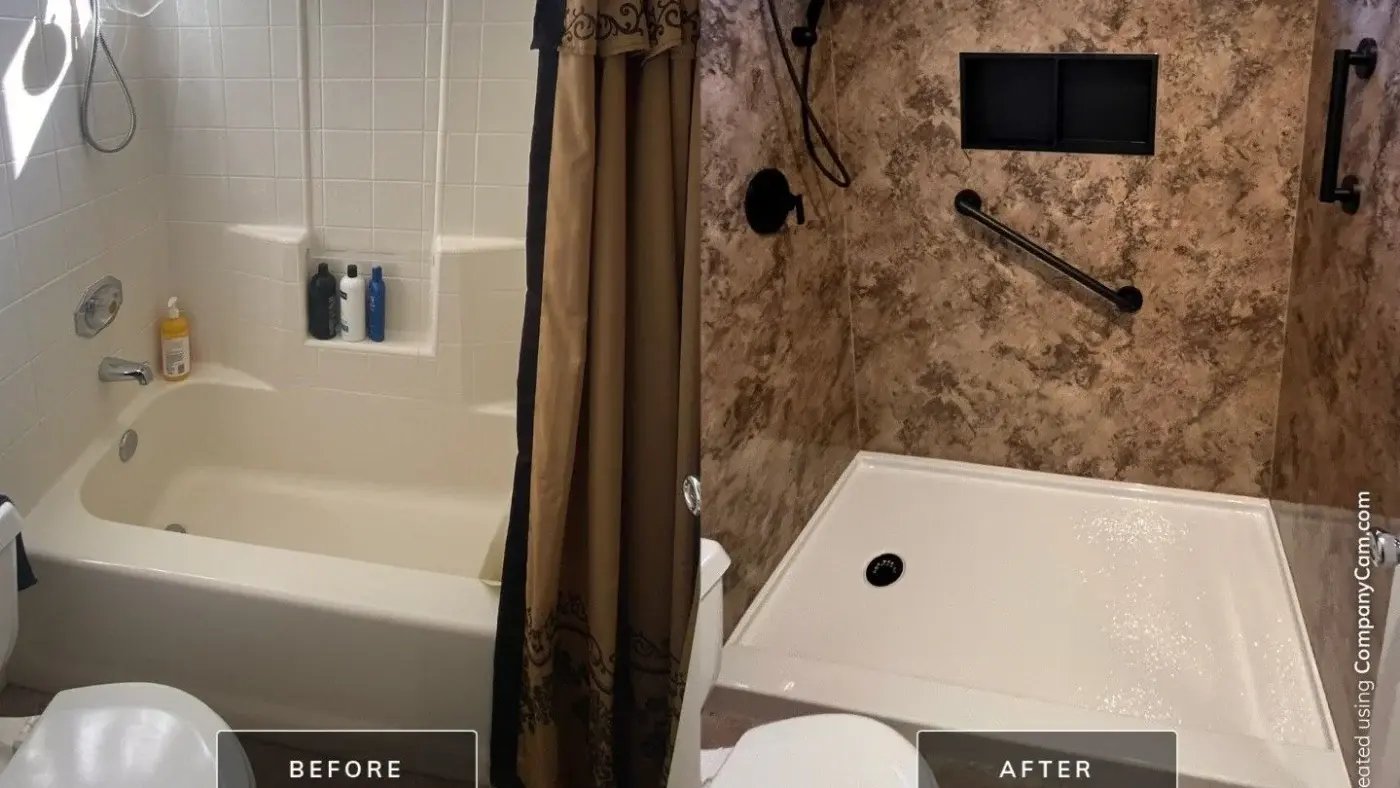
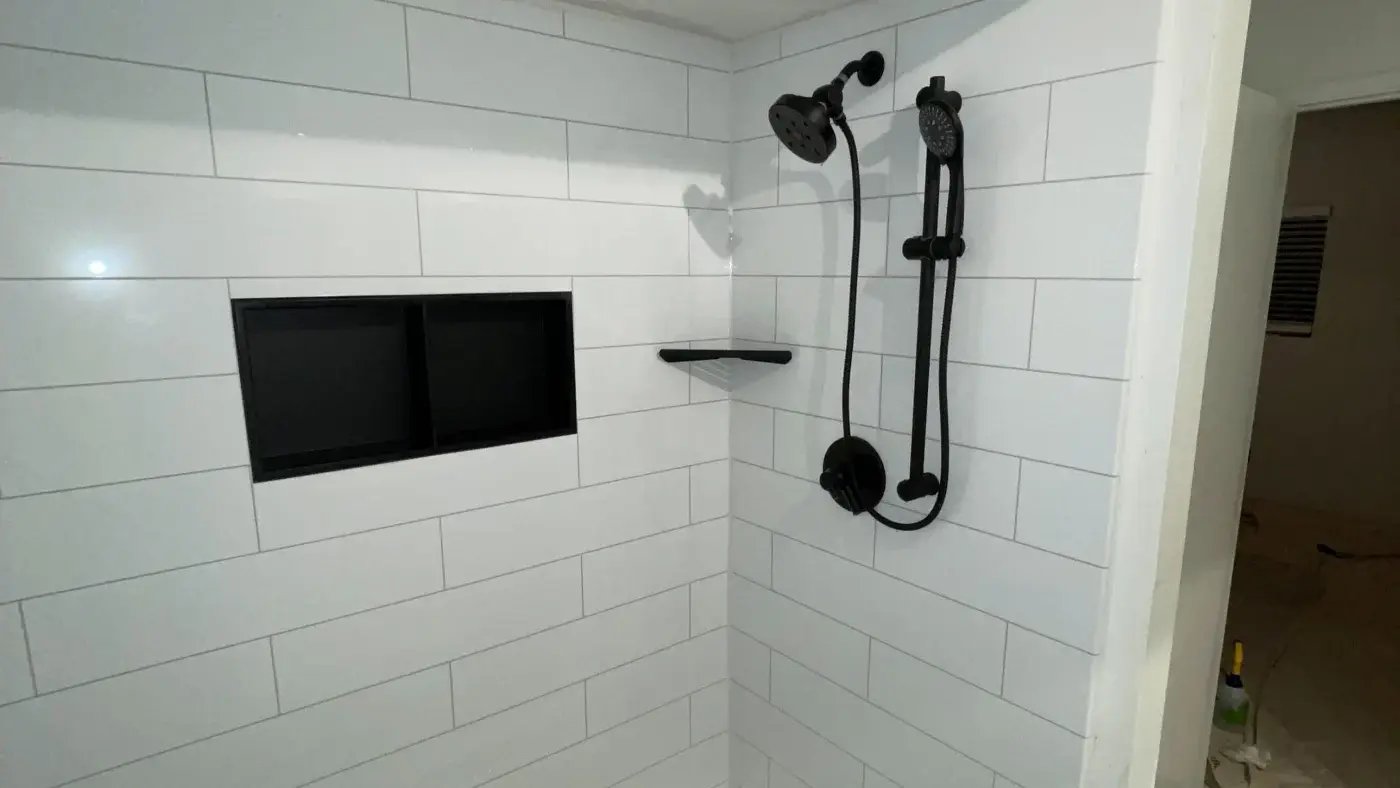
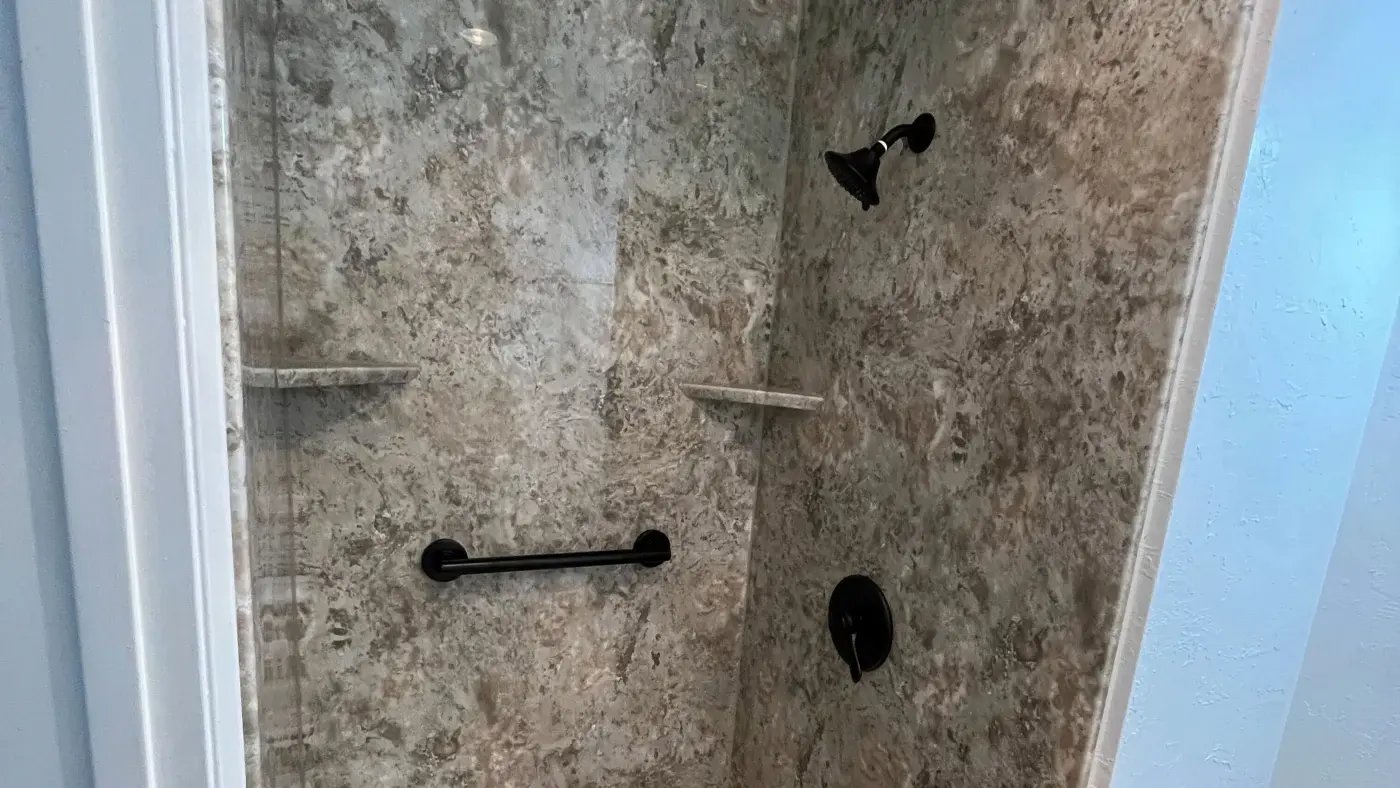
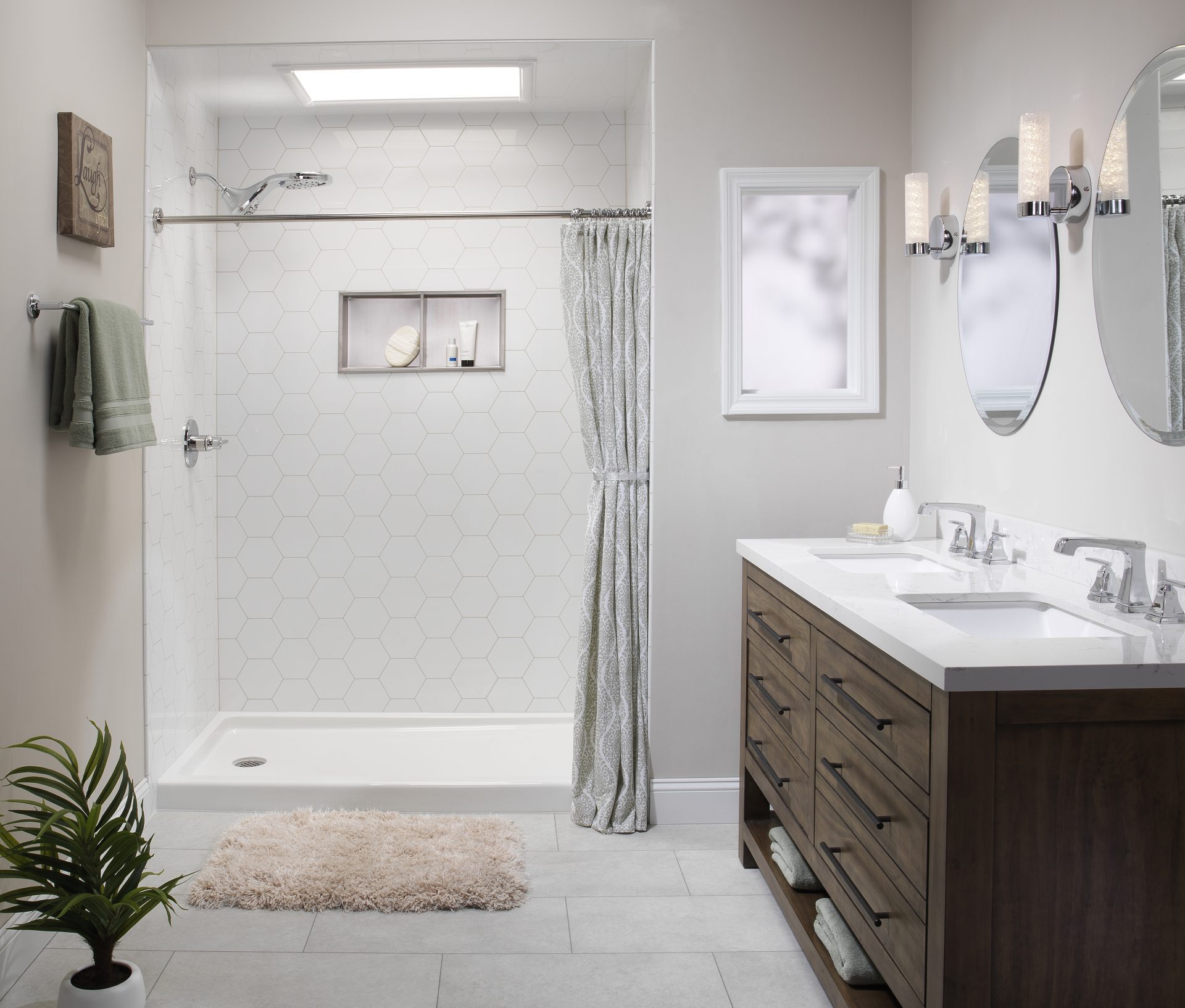
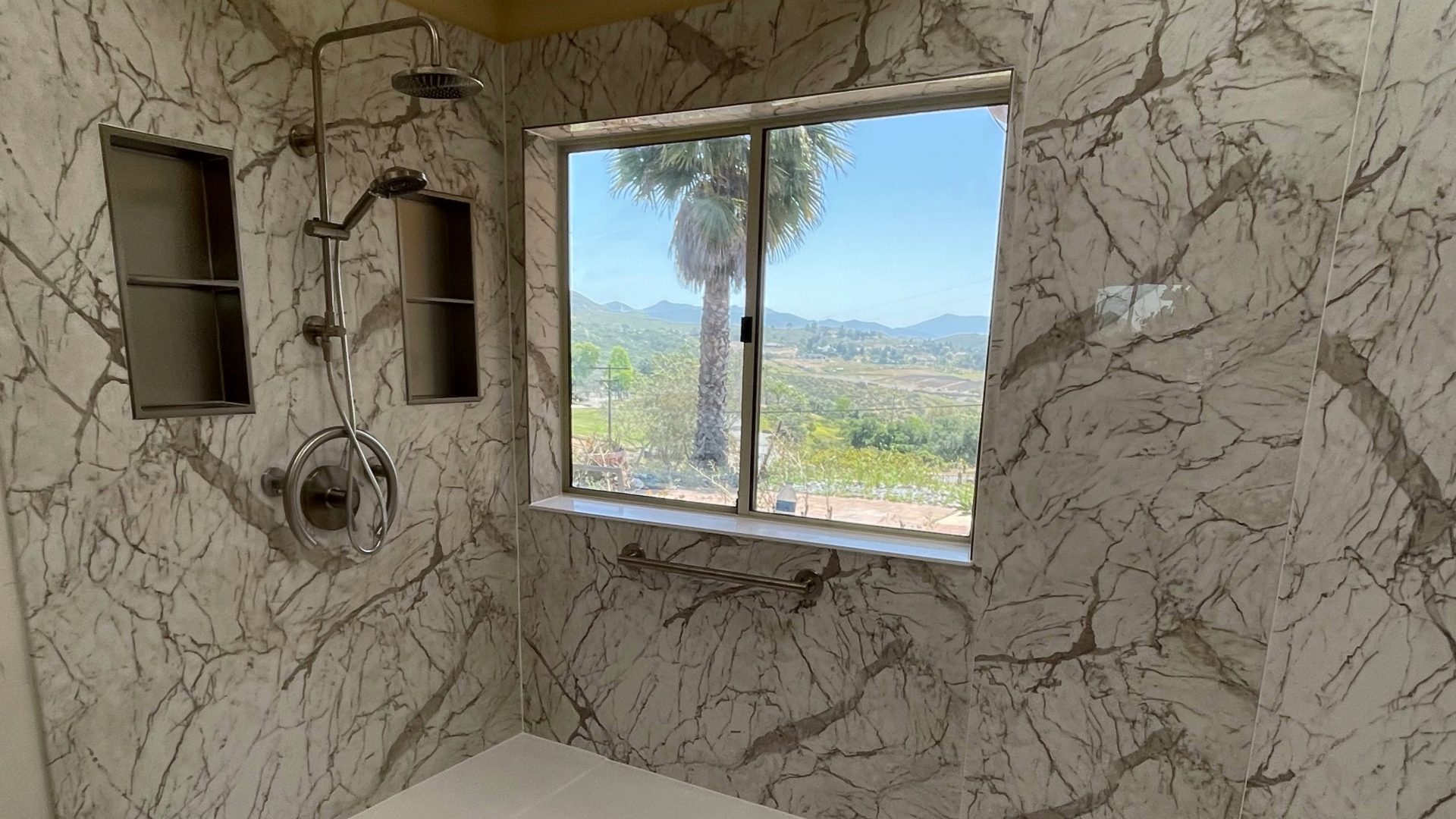
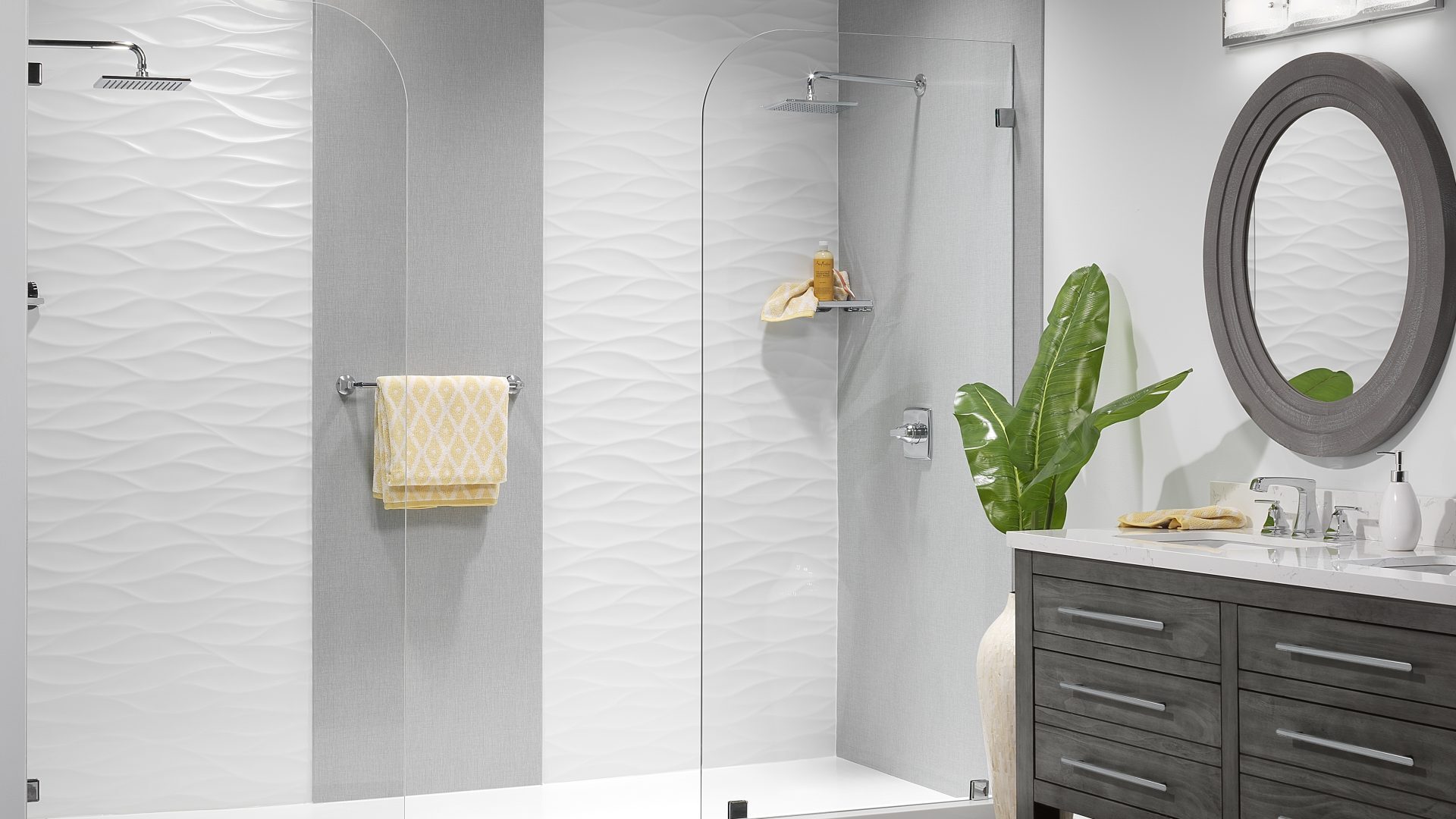
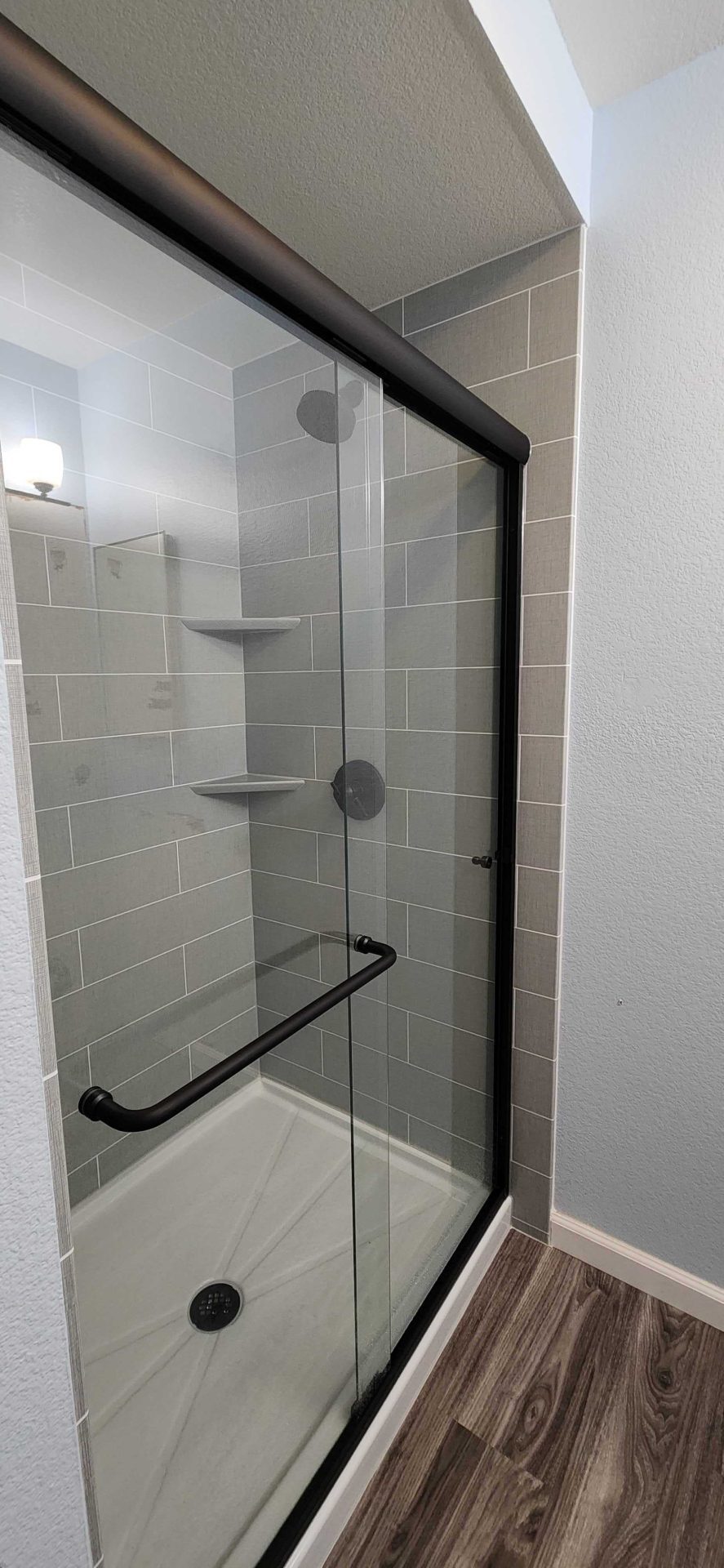
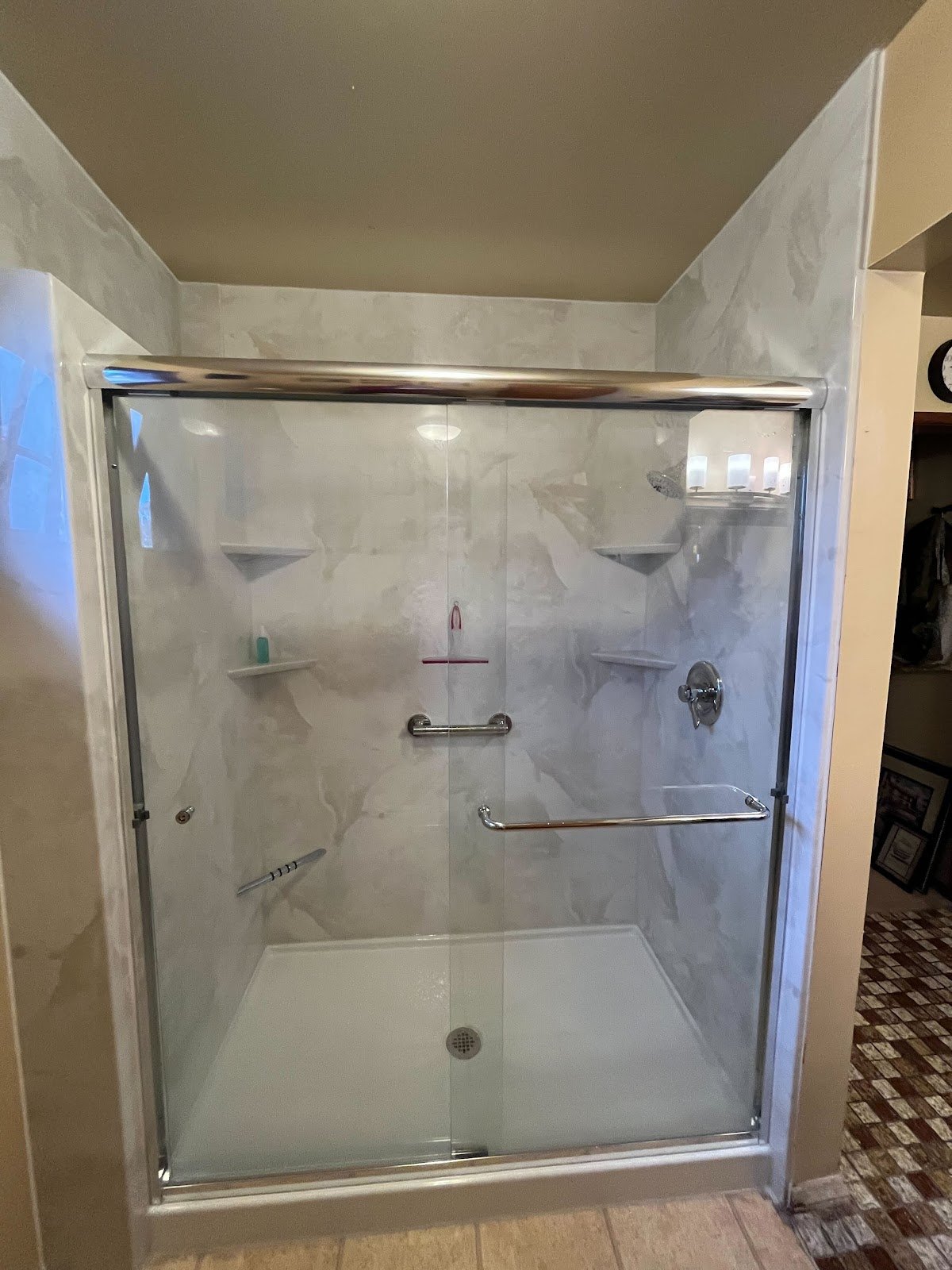
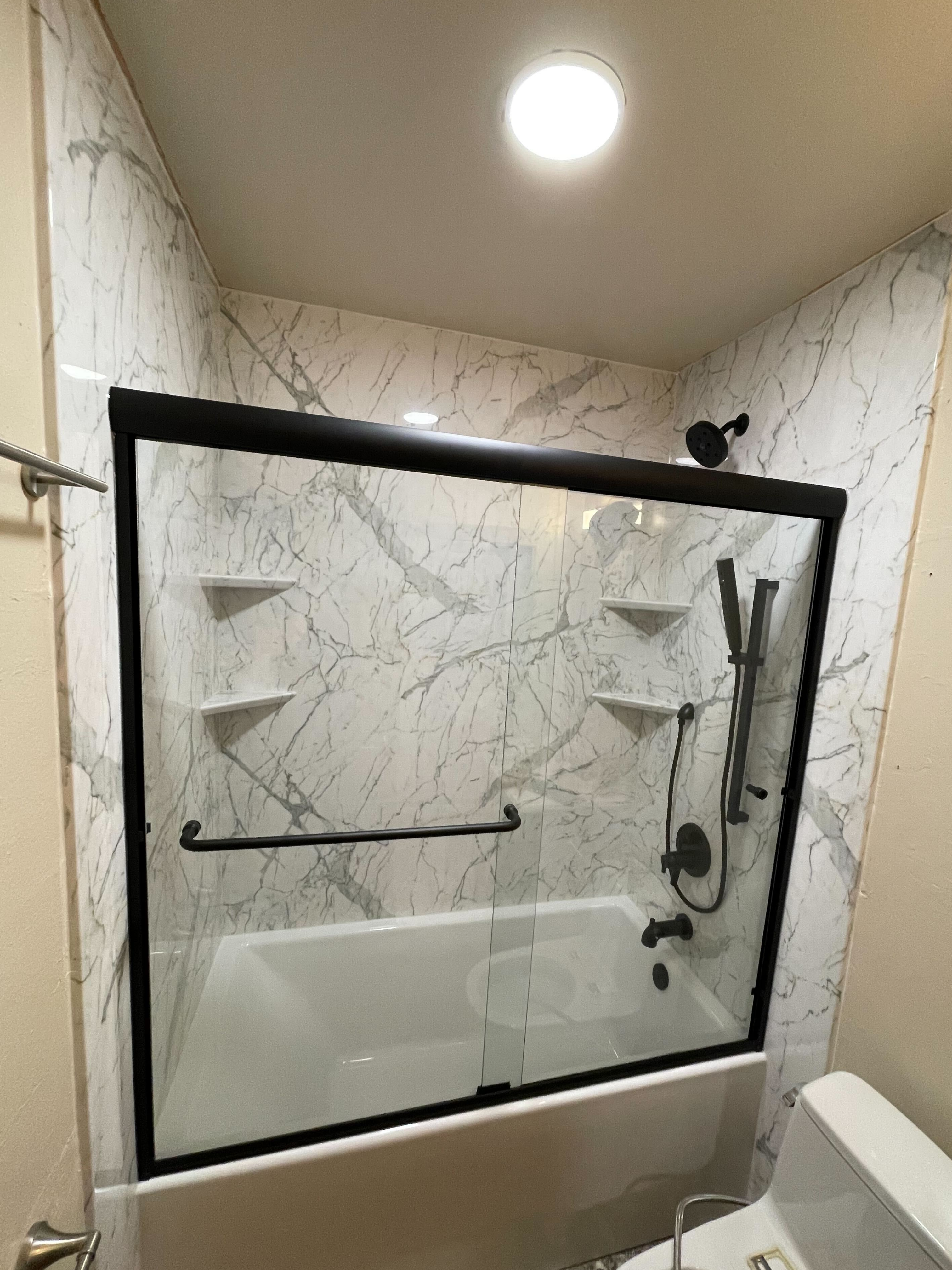
A tub-to-shower conversion can improve the look of your bathroom, especially because walk-in showers come in a variety of colors and styles. It can also make the rest of your bathroom feel bigger without expanding your walls.
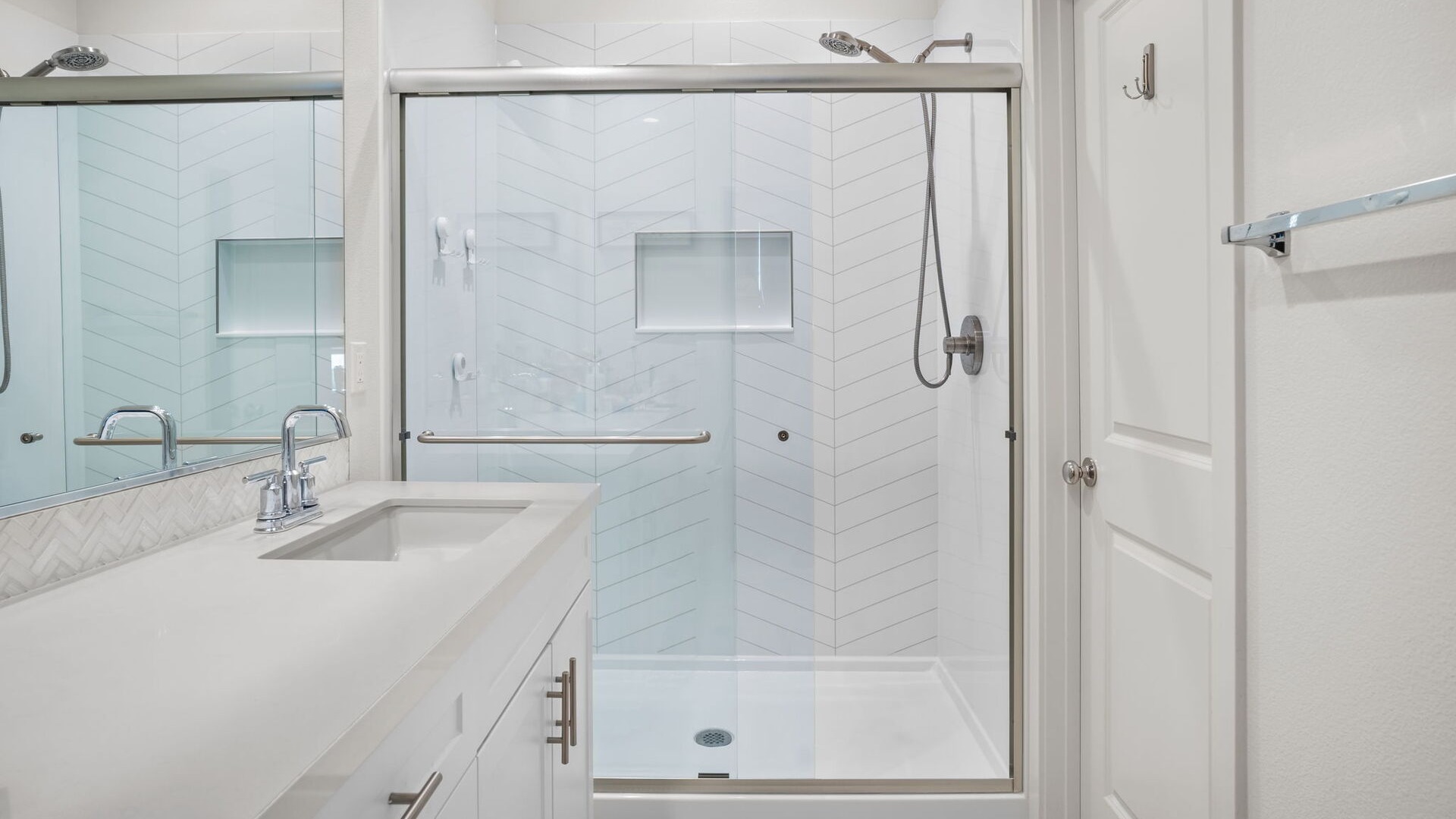
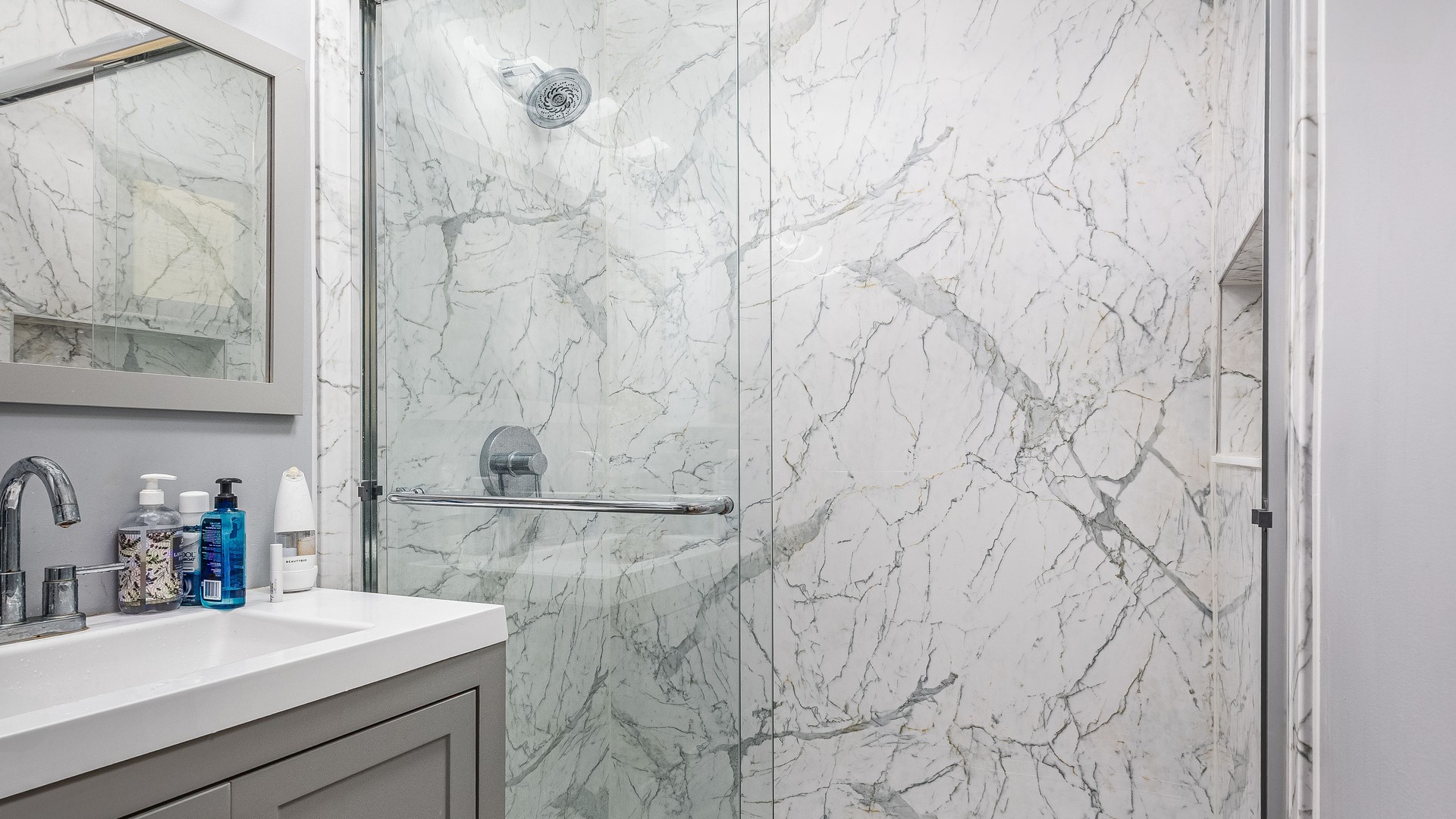
Look at the color and style options for walk-in showers in our project gallery.

Is a Tub-to-Shower Conversion Easier to Clean and Maintain?
A tub-to-shower conversion can be easier for you to clean and maintain, but it depends on the materials and finishes you use. A walk-in shower that uses tile and grout is high-maintenance. In particular, grout is porous, trapping dirt and moisture. Cleaning a tile shower is challenging when you have to put in extra effort to scrub.
Installing a new walk-in shower with high-quality materials makes cleaning and maintenance easier. For example, Shugarman’s Bath installs shower walls and bases with BP-Cor2 material, which is antimicrobial and can be wiped down with a microfiber towel or squeegee.
A bathtub generally has a smooth surface that’s easy to wipe down. However, it does require some effort to clean since you’re scrubbing the basin, sides, and corners. Compared to a walk-in shower base, a bathtub has more surface area that needs attention.
Are There Any Drawbacks to a Tub-to-Shower Conversion?
Yes, there are drawbacks to a tub-to-shower conversion you need to consider.
The first is HOA restrictions. A tub-to-shower conversion requires changing the drain size by about half an inch. Some homeowner's associations won't allow that, particularly in condos and certain managed communities. Check your HOA rules before going too far into planning.
Second is shower storage. A tub has ledges that can be used for shampoo, soap, and other bath products. A walk-in shower won’t have that by default. Most homeowners choose to add recessed and corner shelves to their walk-in showers.
Third is property resale value. Real estate agents often advise keeping at least one tub if you’re in a neighborhood with strong school districts since they attract families. However, this depends on your property's location. Needing a tub is less of a concern in neighborhoods with a more mixed demographic. If reselling your home is a factor for your tub-to-shower conversion, consult a local real estate agent first.
Finally, if a tub is part of your routine, a conversion might not be the right call. Instead, your best plan of action might be a bathtub remodel.
What Should You Consider Before a Tub-to-Shower Conversion?
Here are a few things you need to determine before a tub-to-shower conversion:
1. Is your current tub difficult to use? If you’re finding the tub to be inconvenient in your day-to-day, converting to a walk-in shower can make life a little easier.
2. How often do you use your tub? An unused tub doesn’t serve you as you get older.
3. How would a tub-to-shower conversion help your lifestyle? Have your physical needs changed? Has your doctor said anything about fall risk or mobility? Have your kids grown up?
4. How long do you plan to be in your home? If this is your forever home, go with what makes you happy. If you plan to sell your property, factor in your neighborhood and likely buyers before you decide.
Is a Tub-to-Shower Conversion Right for You?
If your tub has been sitting unused for months, getting in and out has become a challenge, or your needs have simply changed, a tub-to-shower conversion can make daily life a lot easier and safer. It can be one of the more practical changes you make to your home.
For many homeowners, it improves safety and creates a space that fits how they live now. A walk-in shower isn’t the right fit for everyone, but it’s a change many homeowners are glad they made.
Now that you understand the benefits of a tub-to-shower conversion, learn more about short and long-term fixes to make your tub or shower area safer.
If you want help figuring out what makes sense for your bathroom, schedule a free design consultation with Shugarman’s Bath! We'll walk you through your options to determine what best fits your needs.
FAQs About Tub-to-Shower Conversions:
Q: Do you remodel the whole bathroom or just the tub and shower area?
We're specialists in the tub and shower area. That's where our focus stays. For other parts of your bathroom, we work with trusted contractors regularly and can refer you to the right people at no extra charge. That referral can save you 10-20% on a larger project.
Q: What materials do you use for your tub and shower products?
Our products are mainly composed of a material called BP-Cor2. It's a high-tech polymer made up of 15% acrylic and 85% ABS, the same material used to make football helmets. It's a step up from traditional tile and standard acrylic.
We can laser-etch grout lines into the material to give it the look of tile without the cleaning and maintenance that comes with it. We call it New World Tile.
Does Shugarman’s Bath use tile?
Shugarman’s Bath doesn’t use conventional tile with grout. We use BP-Cor2 walls that are nonporous and antimicrobial. Grout lines can be laser-etched into the walls to give the look of tile without the extra labor and costs.
You don’t need to scrub, bleach, or seal grout lines every six months.
The opinions expressed in the referenced materials are those of the authors only, not necessarily of Shugarman’s Bath. While these referenced materials are useful in answering generalized questions, each bathroom is unique. For a particular question about your tub or shower remodeling project, contact your Shugarman’s Bath consultant.
-1.jpeg?width=1920&height=1080&name=CherylJordan_Web7%20(1)-1.jpeg)