
What Matters Most
|
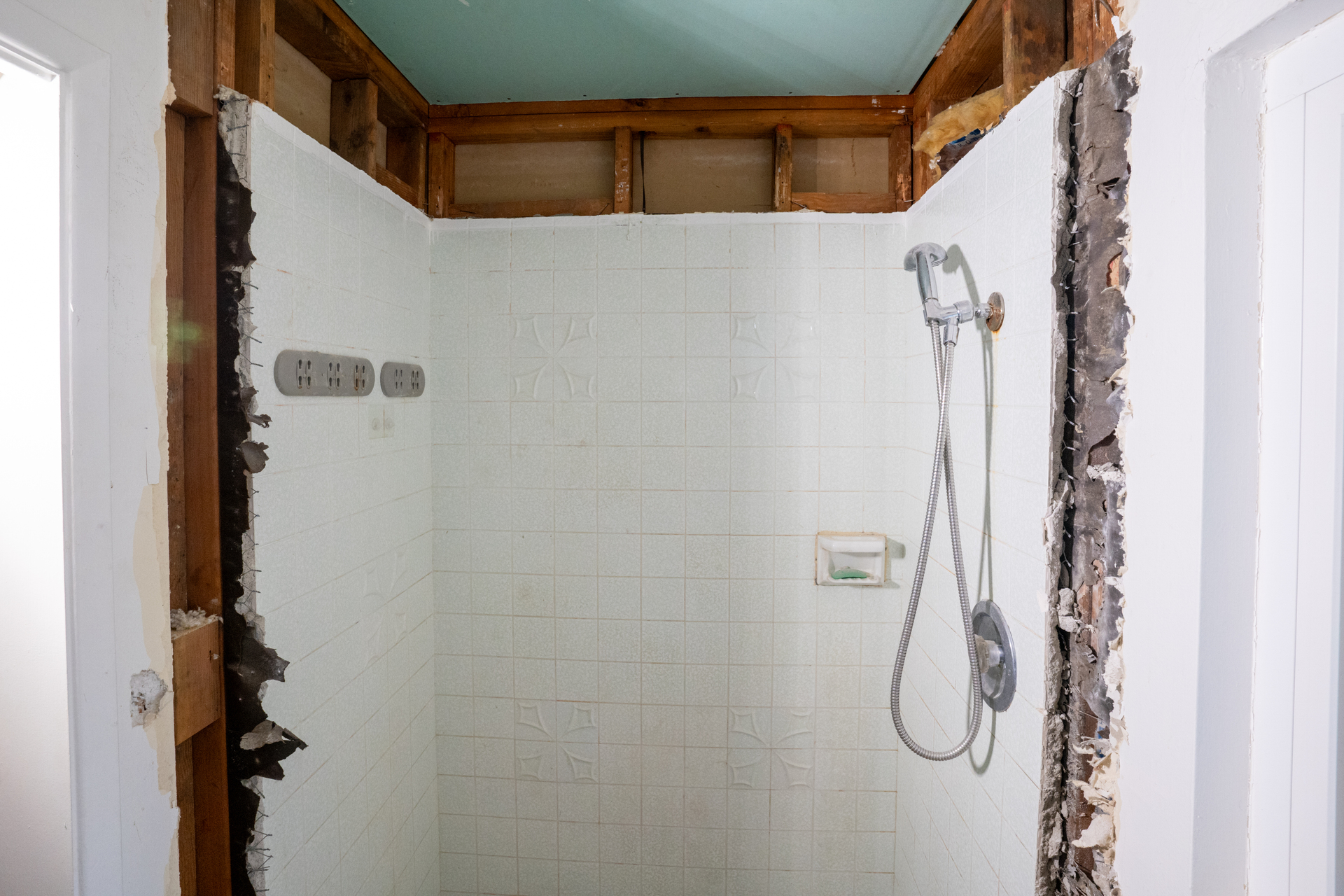
It’s easy to focus on the finished product of your shower remodel. You’ve paid for a beautiful bath or shower with a design you can be proud of. But what about what’s behind the shower walls? After all, if outdated plumbing is reused, you’re risking moisture damage. Then you have to fix another problem that burns a hole in your pocket.
At Shugarman’s Bath, we’ve completed over 5,500 tub and shower remodels across San Diego and Orange County. On all of those projects, we’ve evaluated the plumbing systems under various conditions. We’ve seen when plumbing is too outdated to rely on, when previous contractors used odd setups, and when a system is suitable to reuse without unnecessary replacement.
In this article, you’ll learn when a shower remodeler can reuse your existing plumbing, when they should replace it, and what factors determine the right plumbing practice for the tub and shower area.
Table of contents:
- Can Existing Plumbing Be Used During a Shower Remodel?
- What Do Contractors Look For When Inspecting Existing Plumbing?
- How Does the Age of Your Home Affect Plumbing During a Shower Remodel?
- Does Your Contractor Need a Plumbing License for a Shower Remodel?
- Will a Shower Remodel Contractor Cover Your Plumbing With a Warranty?
- What Should You Ask a Shower Remodeler About Plumbing Before Hiring Them?
Can Existing Plumbing Be Used During a Shower Remodel?
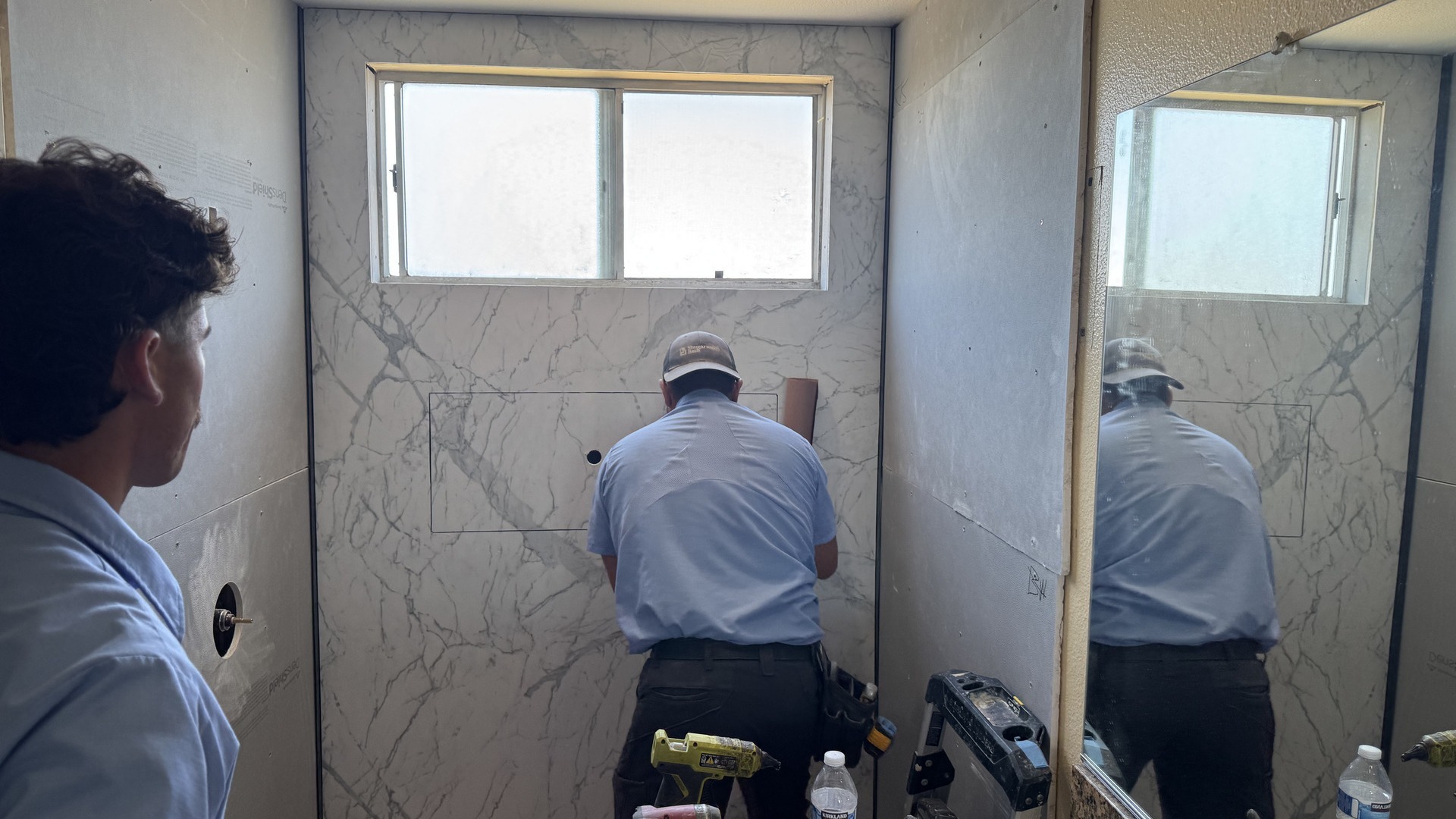
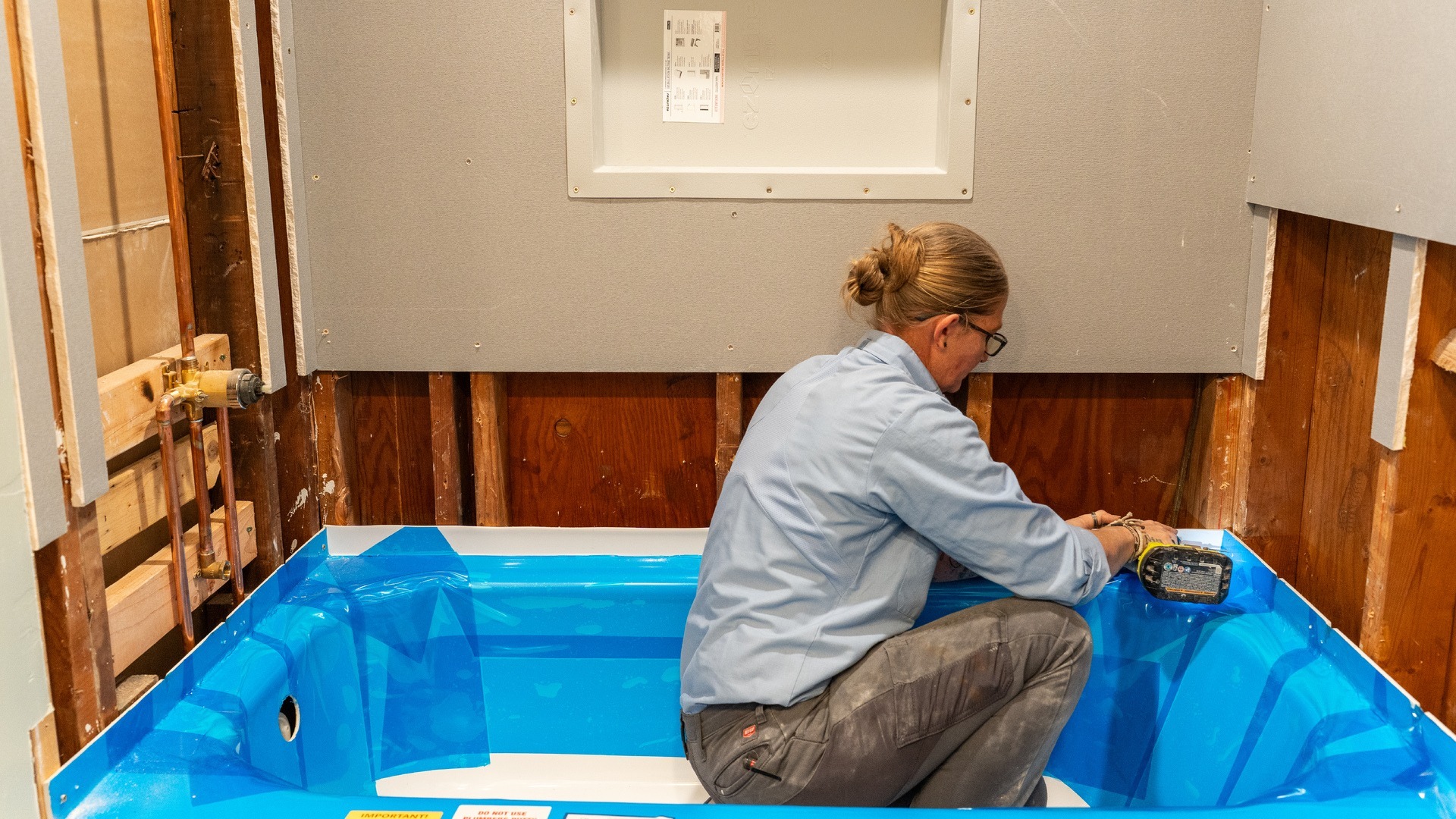
Sometimes, but not always. It depends on the condition of the pipes behind the walls in the tub and shower area during demolition. The contractor will need to inspect the plumbing before deciding whether to reuse it.
There are cases where the plumbing is in good enough shape to connect to the new shower system. Sometimes, part or all of the plumbing needs to be replaced for the new bathtub or shower to work properly.
Plumbing isn’t always replaced, but it is common in San Diego since the area has older homes. The same is true with parts of Orange County. There are also circumstances where the plumbing layout doesn’t make much sense. In our experience, we’ve seen plumbing with extra fittings that weren’t needed or connections that needed to be redone.
Even if the contractor decides to keep some of the plumbing, they should still address the problem areas. They might reroute, simplify, or replace sections to make sure your new tub or shower is set up correctly.
With all of this in mind, there are parts of the plumbing that should be replaced every time.
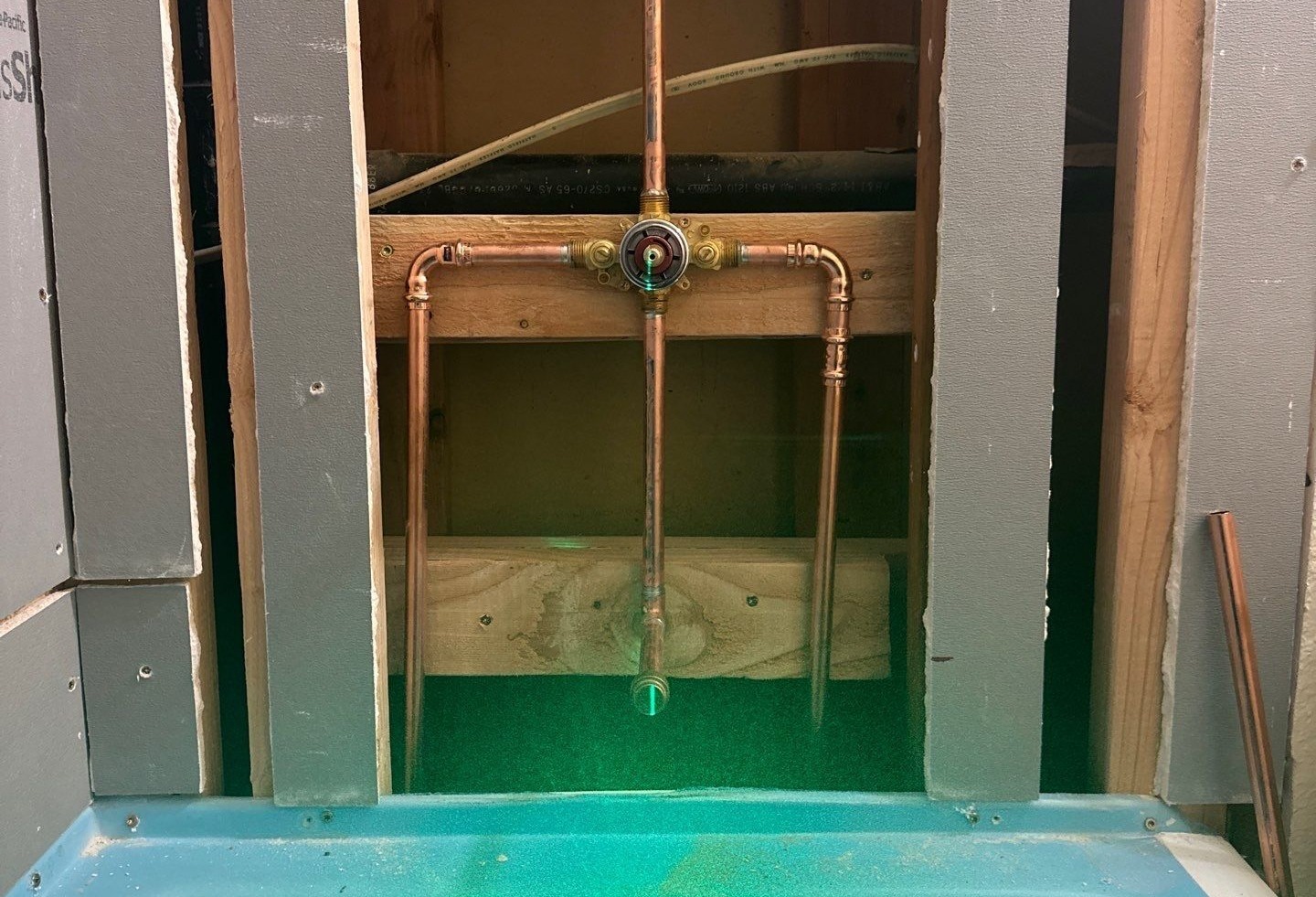
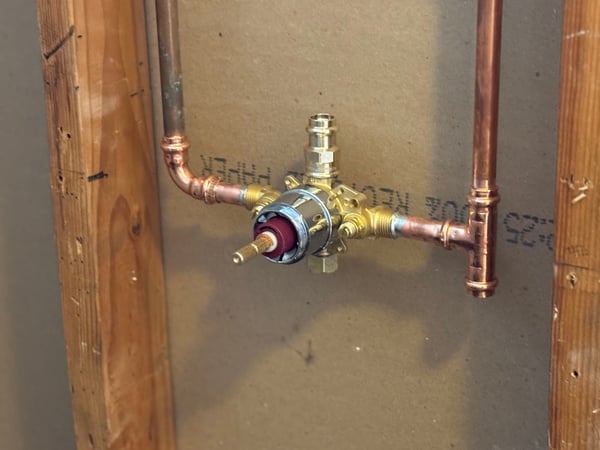
One part that needs to be replaced is the shower valve. This is necessary because it’s the part that controls water flow and temperature. It needs to match the new system.
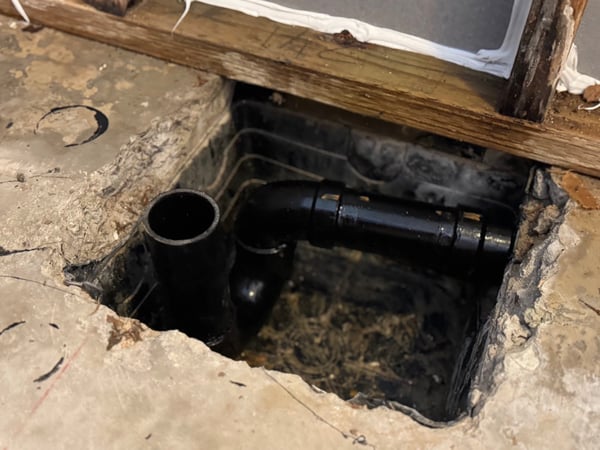
Another part is the P-trap, which is typically replaced since it’s part of the drain system. This is the pipe under the drain that helps water flow out of the area and keeps noxious gases from entering.
There are rare exceptions in which P-traps aren’t replaced, such as when a contractor is working in certain condos with limited access. In these cases, the base may need to be custom fit. But, for the most part, the P-trap will be replaced.
What Do Contractors Look For When Inspecting Existing Plumbing?
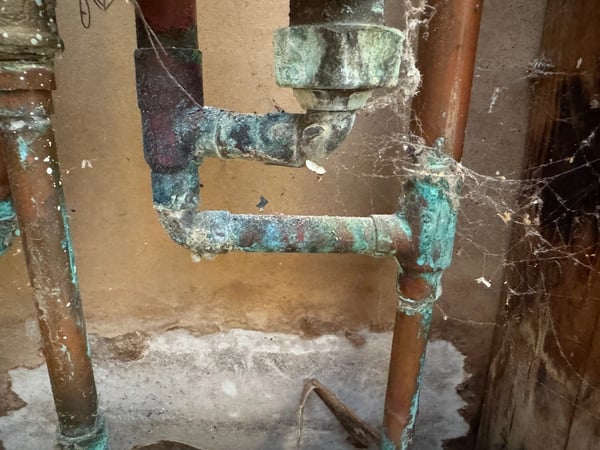
The remodeling contractor checks for signs of wear, such as corrosion or buildup. For example, copper pipes may show discoloration or calcified areas, which indicate a slow leak or long-term wear.
They’ll also look for indicators of physical damage, like bends, nicks, or connections that don’t look right.
Another important factor is how the plumbing is laid out. Many turns and fittings can reduce water pressure at the showerhead and slow the response time when adjusting the temperature. Contractors may simplify the layout when updating the plumbing.
How Does the Age of Your Home Affect Plumbing During a Shower Remodel?
Old pipes age with an old home. Pipes and connections can last 50 to 70+ years (at least with copper), though this varies depending on the material, water quality, and installation. Older plumbing systems are likely to wear out.
It makes sense to replace the plumbing in an older home while the wall is open. Even a system that still works can be closer to failure than you would think.
In old plumbing, pipes and connections can wear out due to repeated water pressure. Failing pipes and connections cause leaks.
Leaks will damage the structure around the tub and shower area. Or worse, the water spreads from the tub and shower area into other parts of your home that are connected to it.
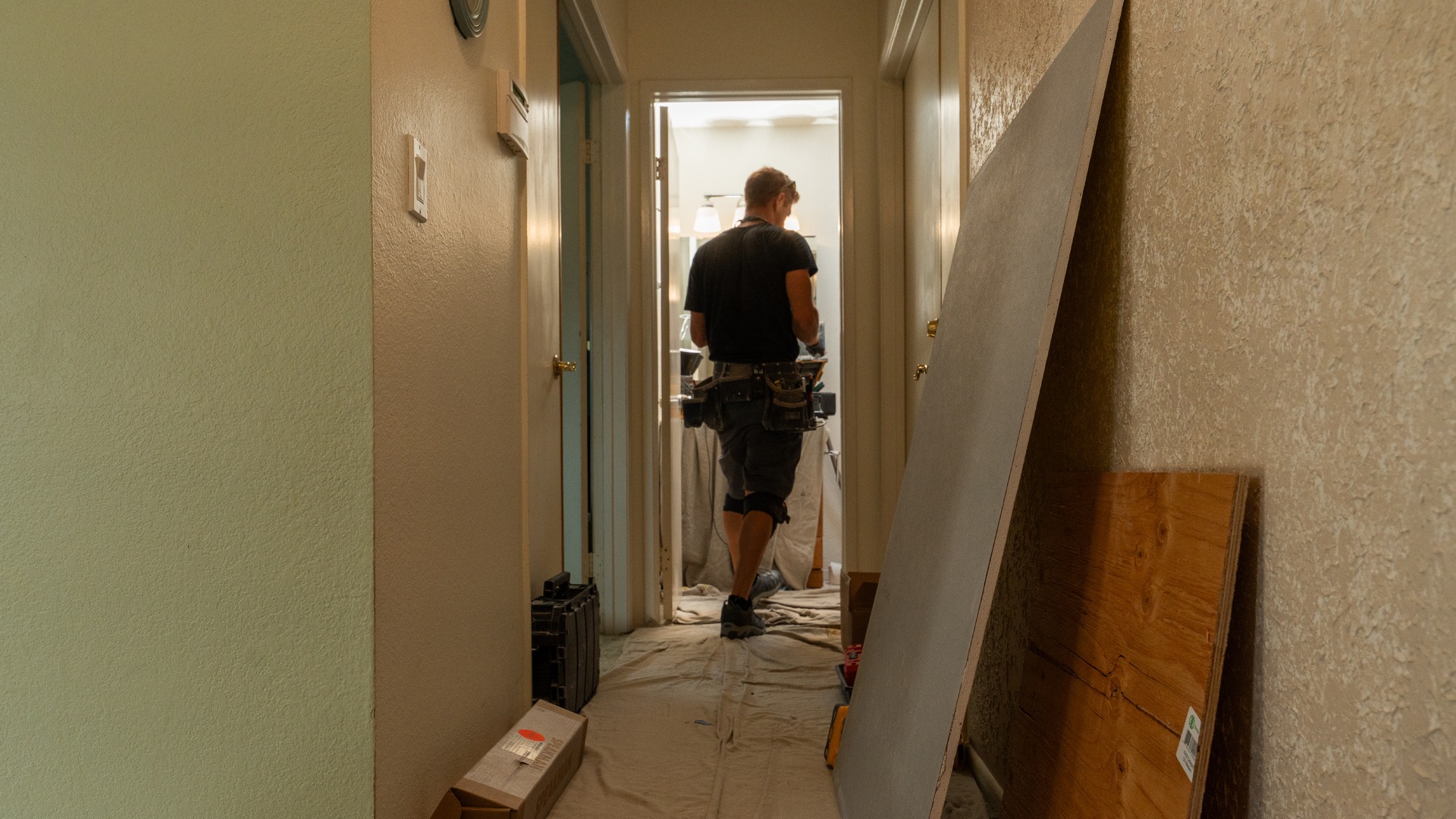
Fixing the issue involves opening the walls in the tub and shower area to reach the plumbing. This means removing parts of the finished shower, cutting into walls, and redoing sections of the work.
After that, everything has to be put back together and resealed. Your tub or shower is never put back together the same way as it was originally installed. Even if it looks close to “brand new,” it has already been taken apart and compromised once.
Many contractors choose to replace plumbing during a shower remodel because it reduces the risk of leaks and repairs after your project is complete.
Does Your Contractor Need a Plumbing License for a Shower Remodel?
A shower remodeling contractor doesn’t need a plumbing license. However, a plumbing license is a strong sign that a contractor is qualified to handle plumbing work in the tub and shower area.
In California, a C36 plumbing license means a contractor is certified to do plumbing work, such as replacing pipes, valves, and drains.
If a shower remodeling contractor doesn't have a plumbing license, they’ll likely bring in a subcontractor to handle the plumbing work. That is not necessarily a problem, but you should make sure:
1. You know who is handling the plumbing work.
2. The work is clearly included in your contract.
3. You understand who is responsible if something goes wrong.
If the contractor you hire has a C36 plumbing license, it can make your remodeling process much easier. It means their installation team is qualified and trained in-house to do the plumbing work.
At Shugarman’s Bath, we have our C36 plumbing license. Our in-house installers are trained and qualified to handle pipe assessments and plumbing within the walls of the tub and shower area.
Will a Shower Remodel Contractor Cover Your Plumbing With a Warranty?
Not all contractors warranty the plumbing inside the tub and shower area. Different contractors offer different warranties.
For example, a contractor might have a manufacturer's warranty that covers defects in products such as valves or fixtures. Or they may offer a workmanship warranty that covers the system's installation.
The main problem is that these warranties don’t always cover the entire plumbing system. Some contractors say they’ll replace the plumbing, but they may only replace the shower valve. This means the other piping connected to the valve might not be covered.
At Shugarman’s Bath, all plumbing within the tub and shower area is covered under our warranty, whether it’s in good condition or needs replacement. This includes the valve, P-trap, and the pipes connected to the system.
What Should You Ask a Shower Remodeler About Plumbing Before Hiring Them?
When you contact a contractor or have a design consultation for a shower remodel, start by asking:
- What parts of the plumbing will you replace, and what will you reuse?
- Do you have a plumbing license?
- Who will be performing the plumbing work?
- Is the plumbing inside the tub and shower area covered under your warranty?
You can compare answers between multiple contractors to understand how they approach the system behind the walls.
For more questions to ask and answers to look for, download our buyer’s guide.
 How Do You Know If a Shower Remodeler Is Qualified to Handle Your Plumbing?
Existing plumbing can be reused during a shower remodel, but it depends on the condition, layout, and age. Some systems might be in good shape, require partial updates, or need full replacement. Full replacement can often be the safer, long-term choice.
If you’re like many homeowners, you want to avoid these surprises once your walls are opened. You want to make sure your shower will last and not be a problem in your own home.
Make sure the company you hire is actually qualified to handle this level of work. Now that you understand whether or not plumbing will be reused, read our article on whether Shugarman’s Bath is qualified to do your shower remodel.
You can reach out to Shugarman’s Bath directly if you would like to talk through your project, ask any questions, and get clear answers.

The opinions expressed in the referenced materials are those of the authors only, not necessarily of Shugarman’s Bath. While these referenced materials are useful in answering generalized questions, each bathroom is unique. For a particular question about your tub or shower remodeling project, contact your Shugarman’s Bath consultant.
-1.jpg?width=1920&height=1080&name=JoniCoci_Demo23%20(1)-1.jpg)
.png?width=1920&height=1080&name=VERSUS%20(1).png)



-1.jpeg?width=1920&height=1080&name=After%203%20(1)-1.jpeg)