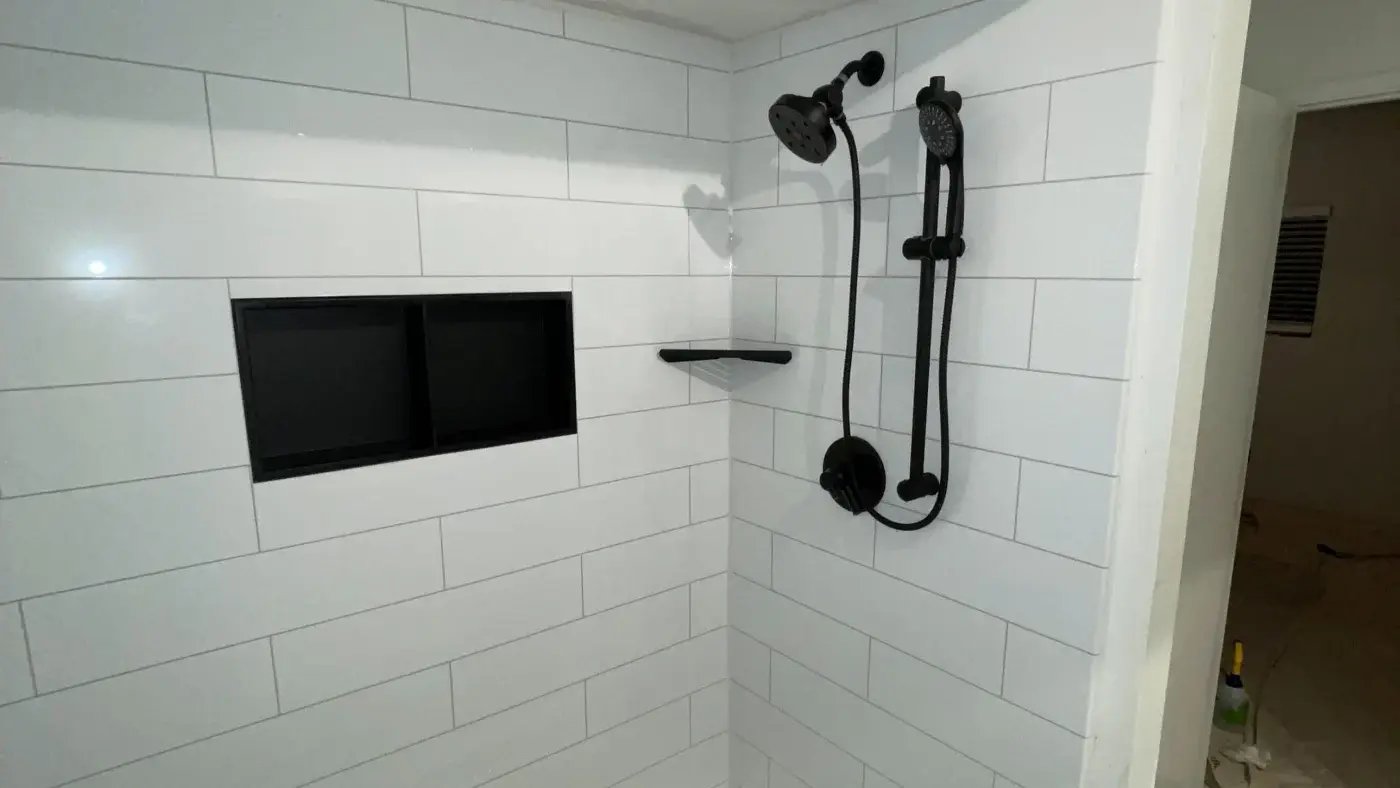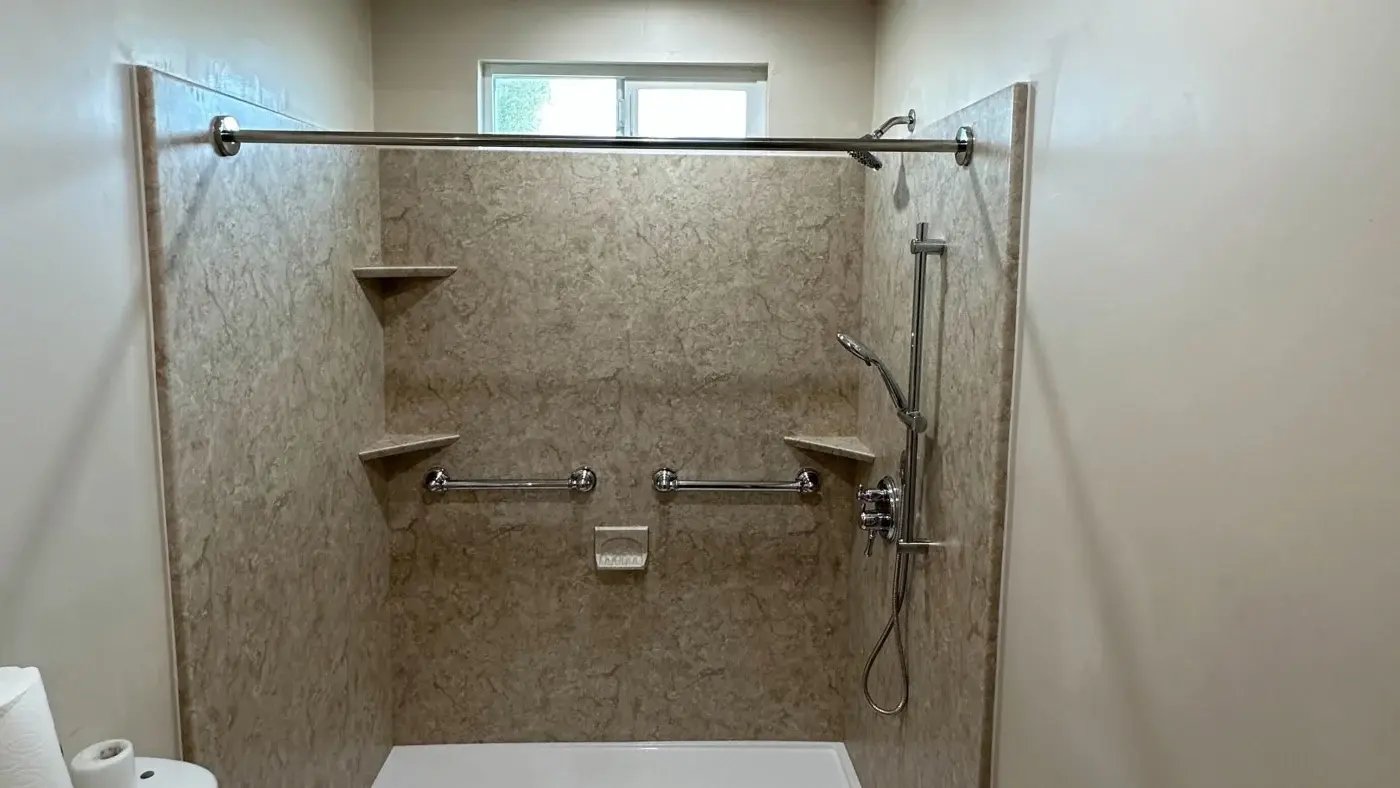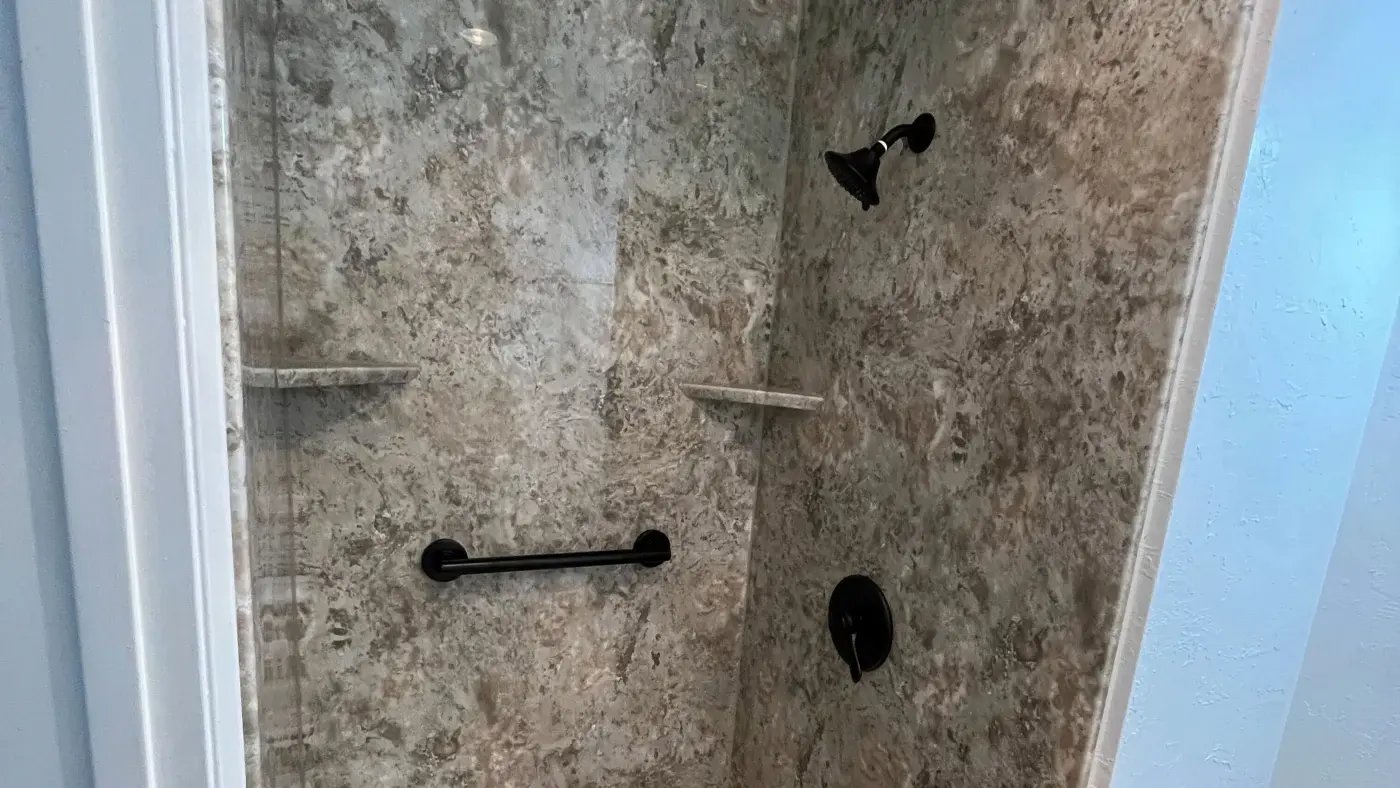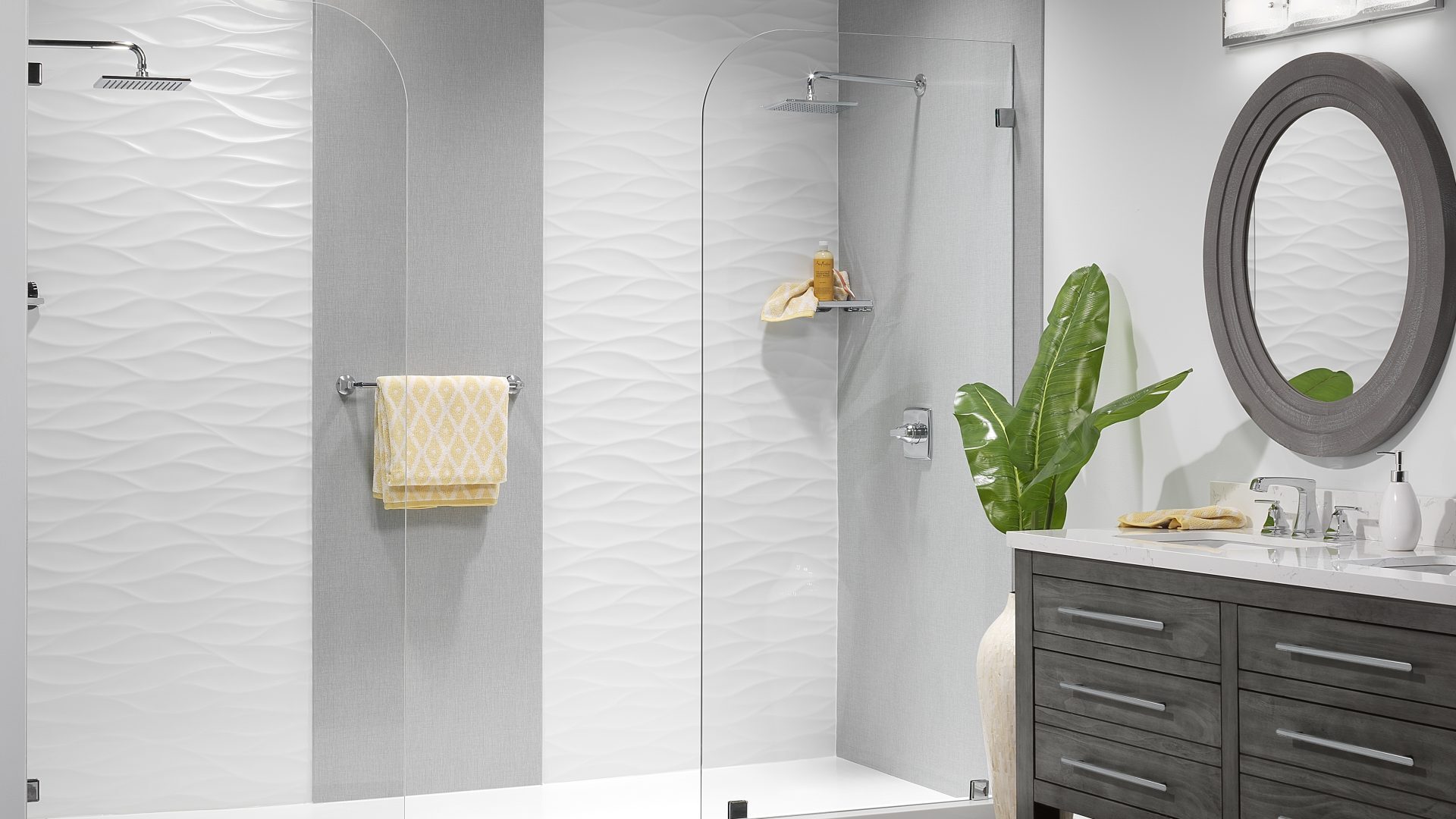

-1.jpeg?width=1920&height=1080&name=CherylJordan_Web7%20(1)-1.jpeg)
What Matters Most
|
You have one bathroom and one tub, and you're not sure whether to convert it to a walk-in shower. It can feel like a tough call. You don’t want to get rid of the tub and possibly regret it.
Shugarman's Bath conducts over 500 design consultations per month. A number of those homeowners are weighing the same question, including some in single-bathroom homes.
This article walks through the reasons for making this change, the factors to consider beforehand, and the cost of doing so compared to keeping the tub.
Table of Contents:
- Is Converting a One-Bathroom Tub to a Walk-In Shower a Good Idea?
- Will You Regret Getting Rid of Your Only Tub?
- Does It Cost More to Convert a Tub to a Shower Than to Keep a Tub?
Is Converting a One-Bathroom Tub to a Walk-In Shower a Good Idea?
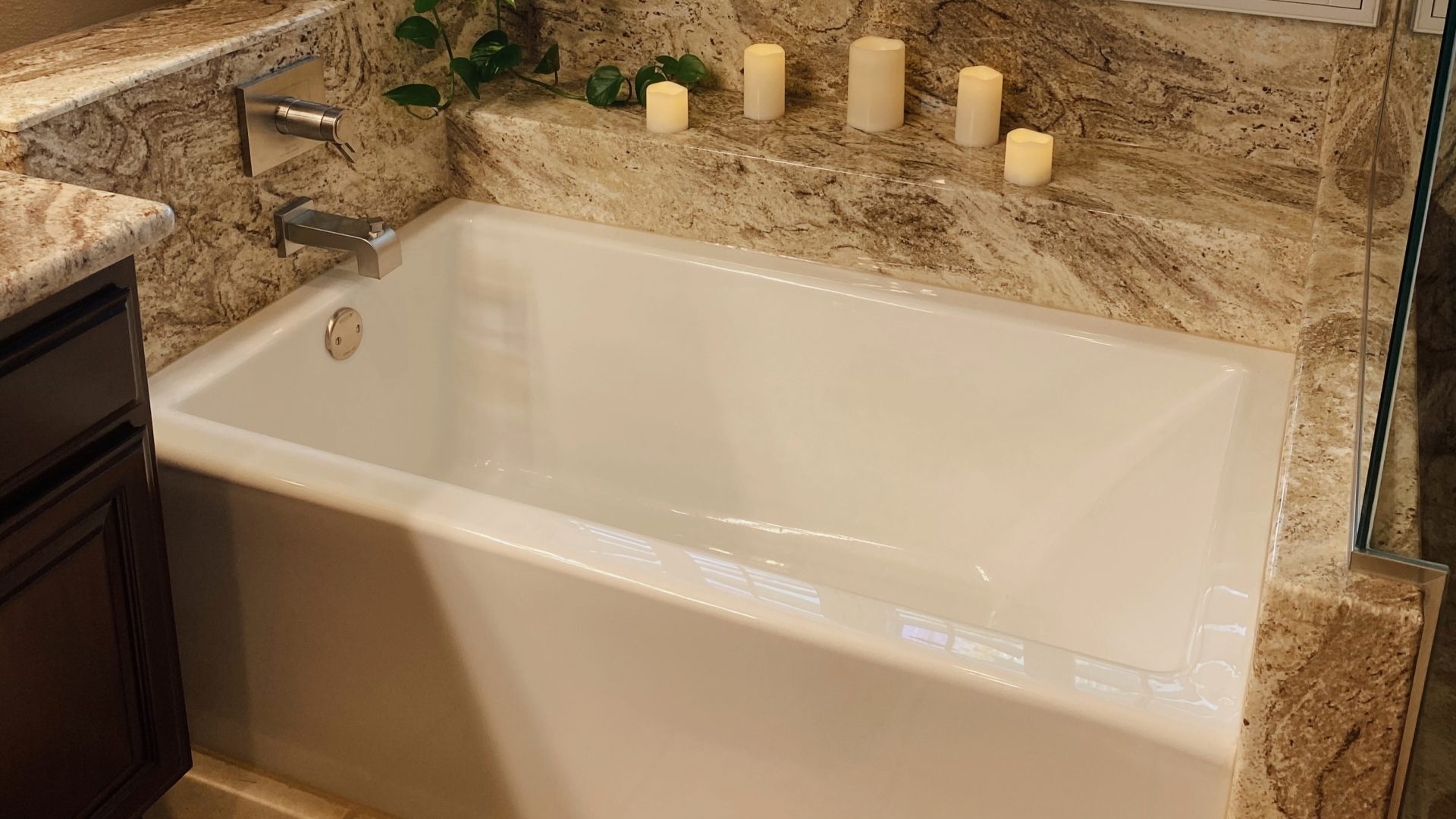
It depends on your situation and what you’re looking for. Single-bathroom homes aren't common in San Diego and Orange County, but they are around. When this is the only tub in the house, removing it means you won't have a tub to use.
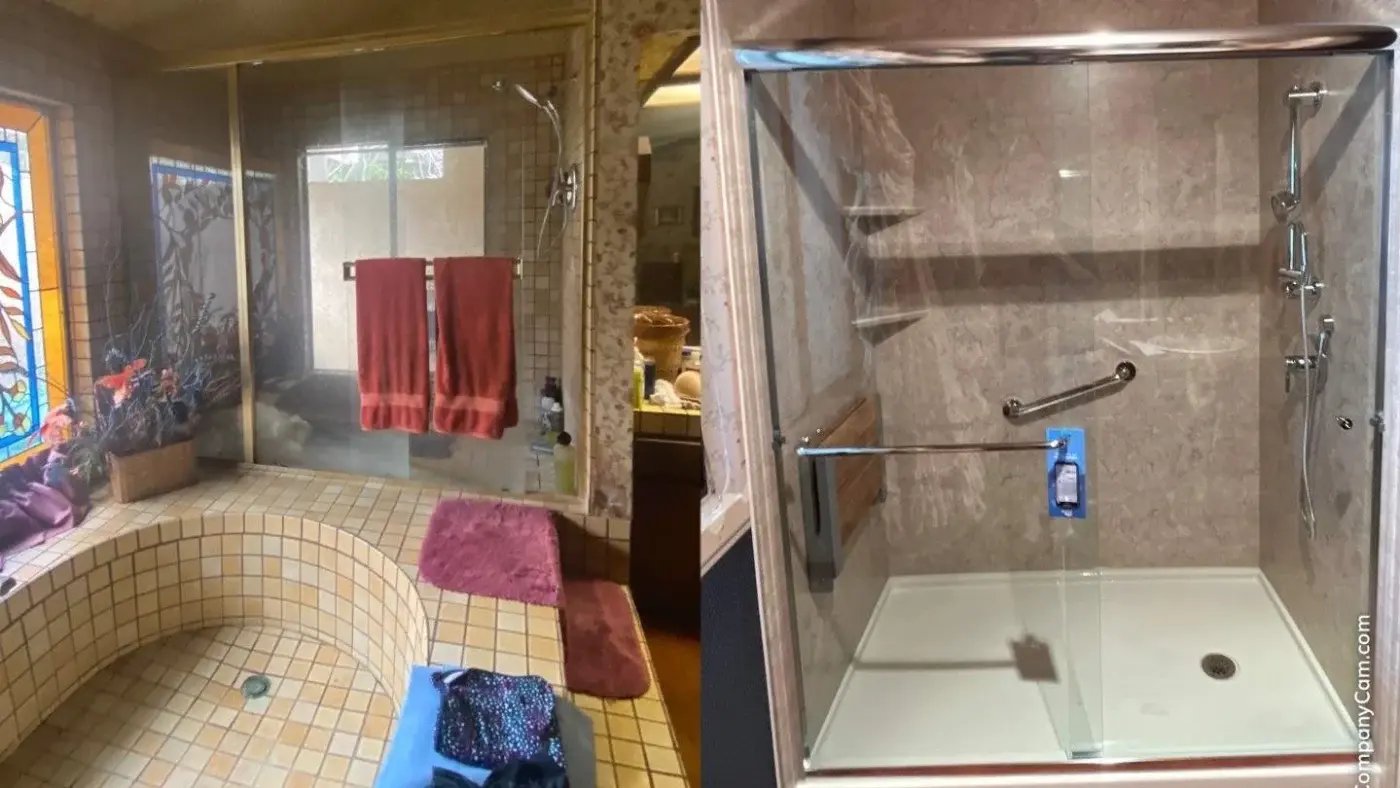
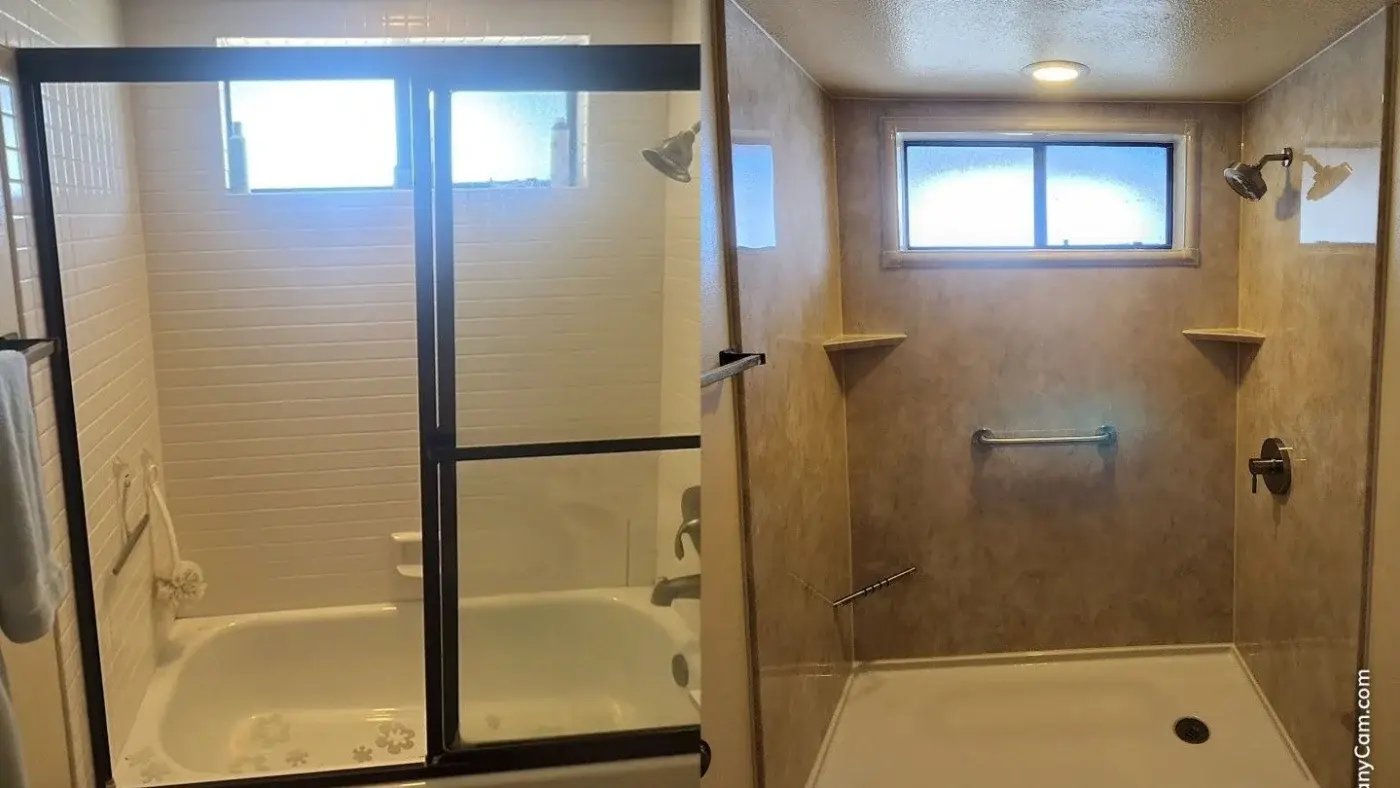
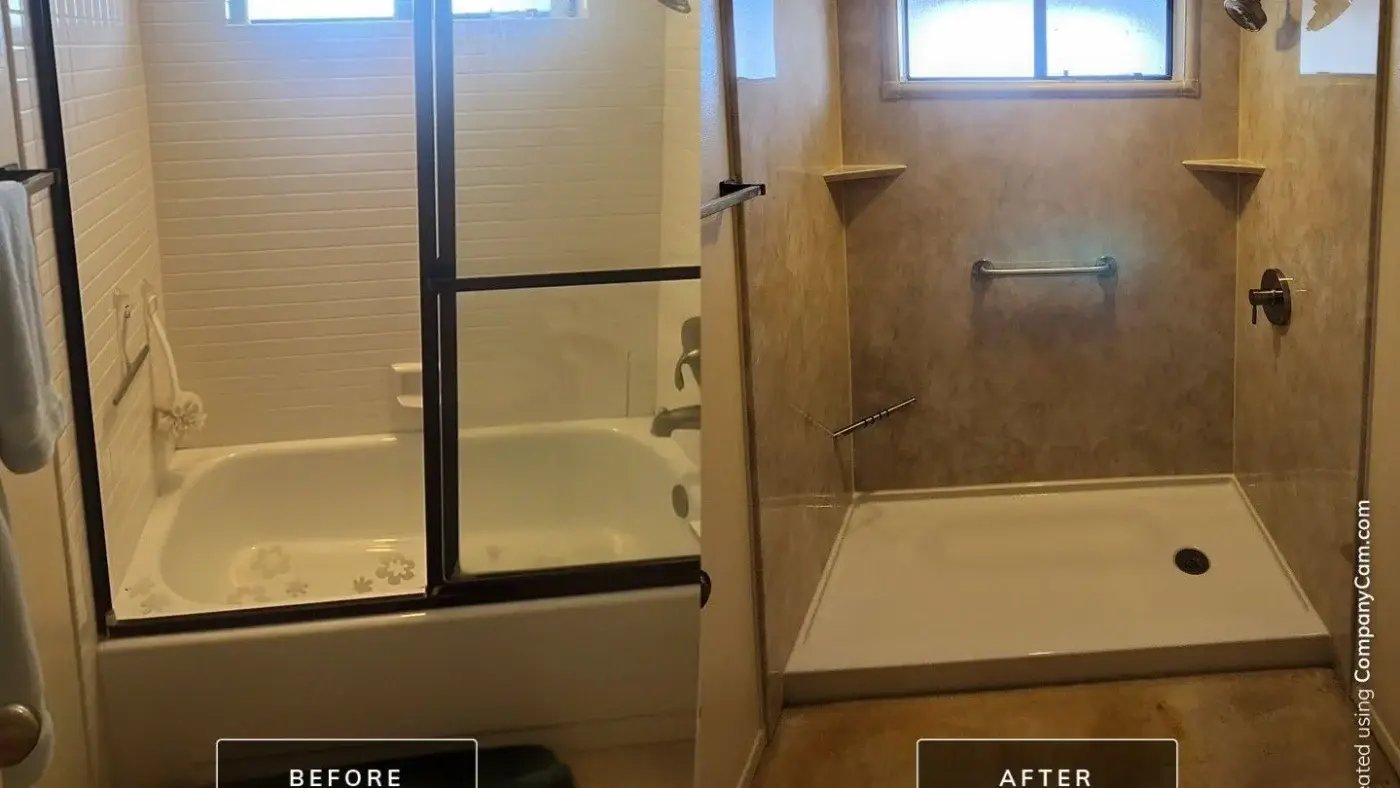
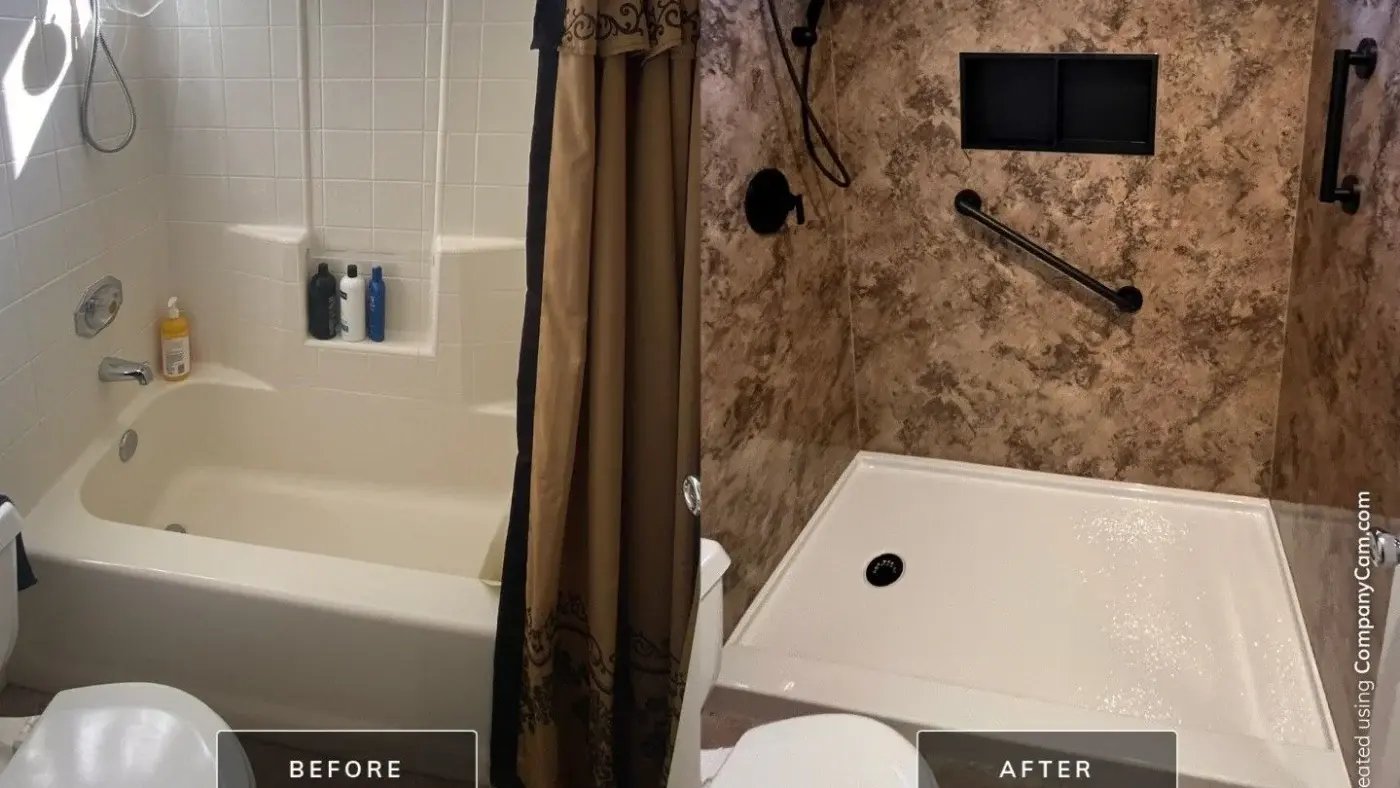
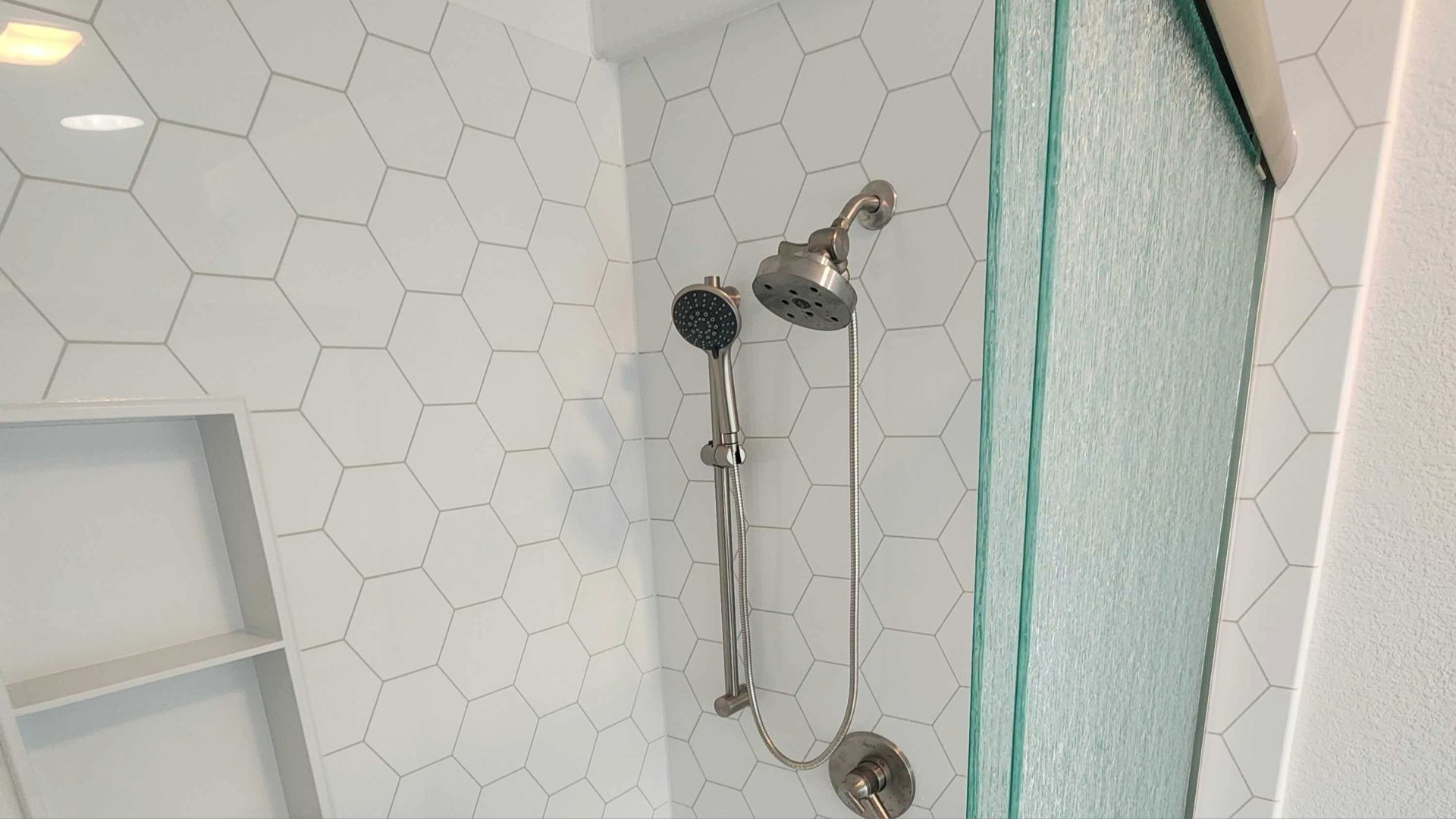
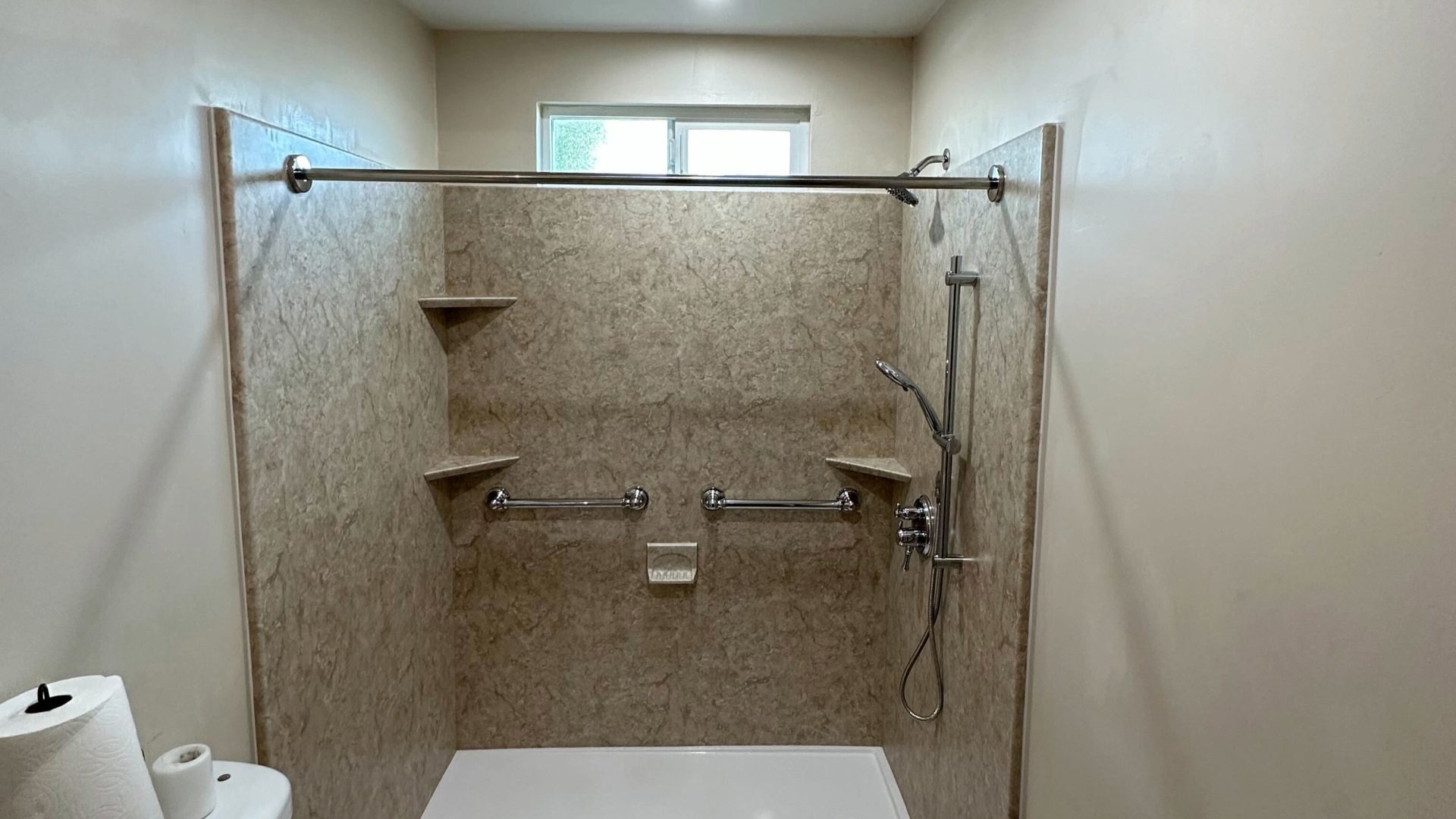
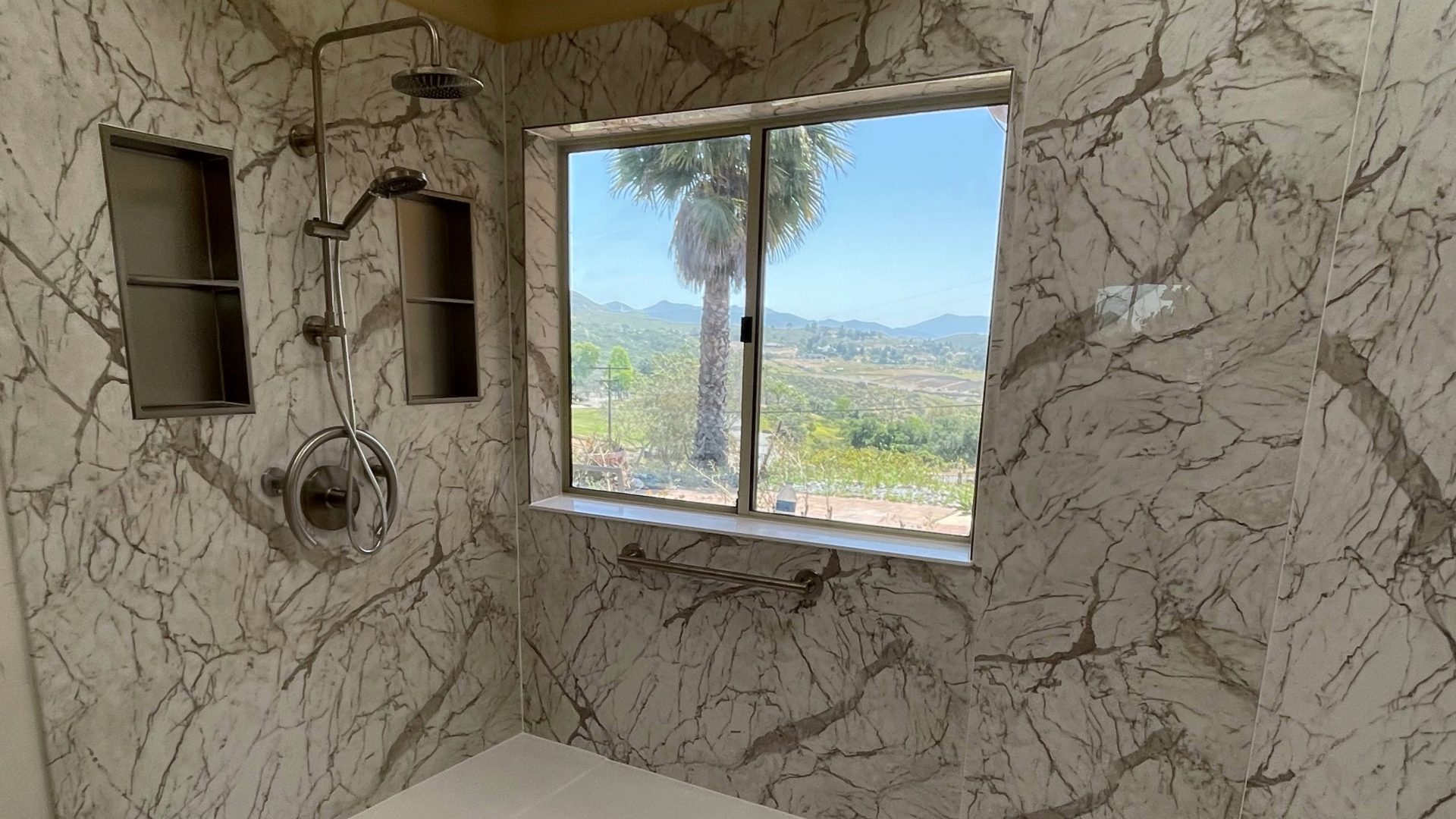
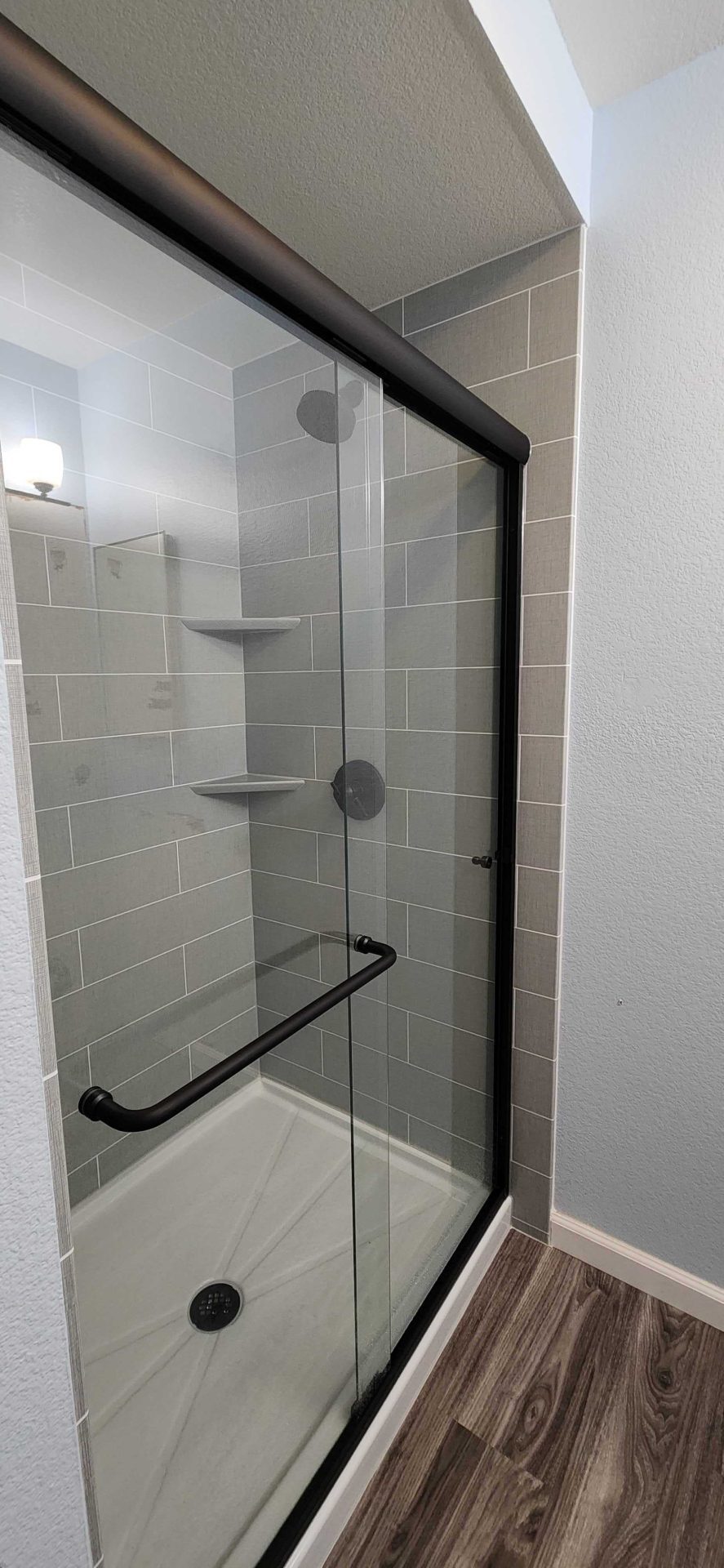
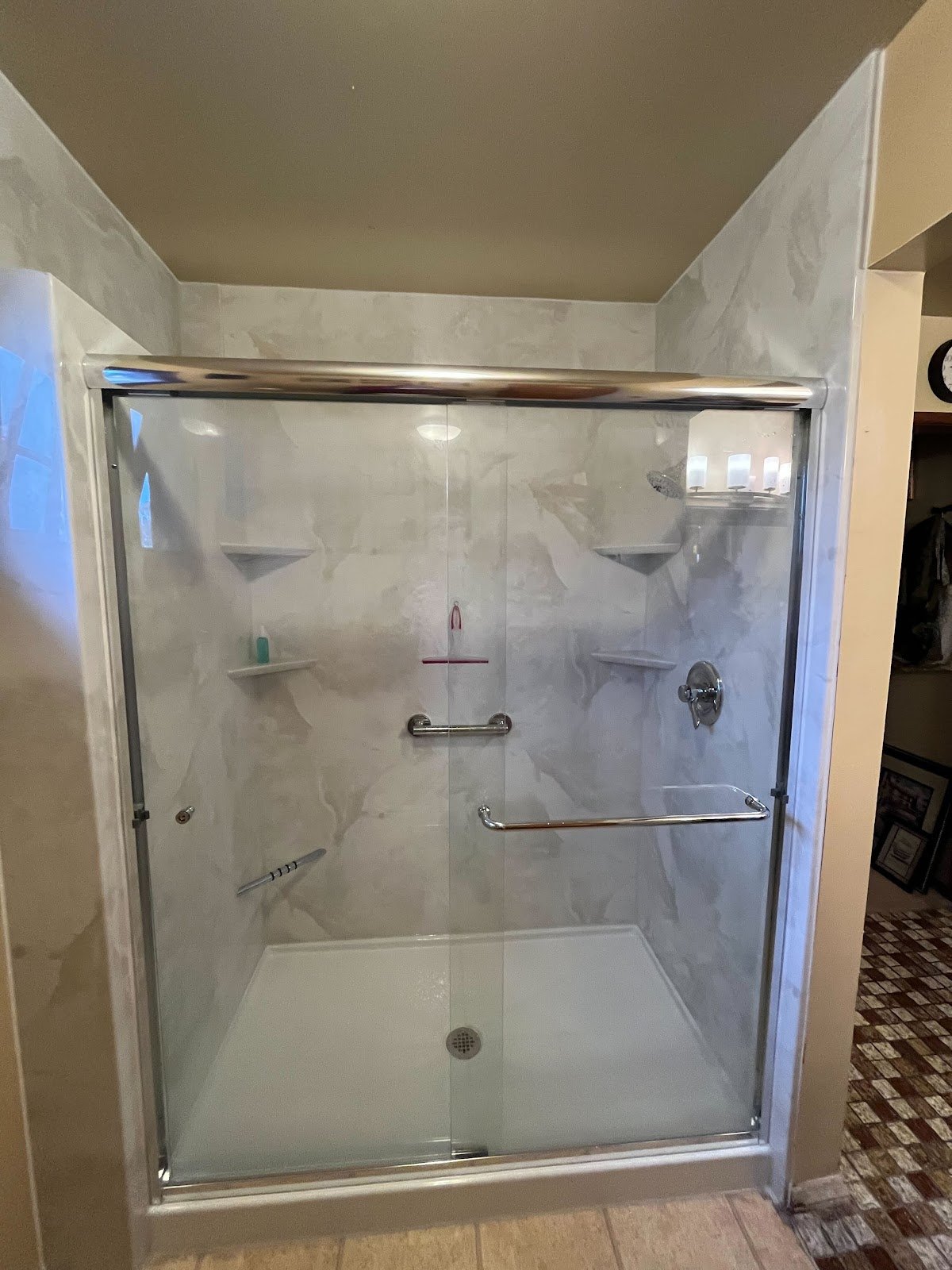
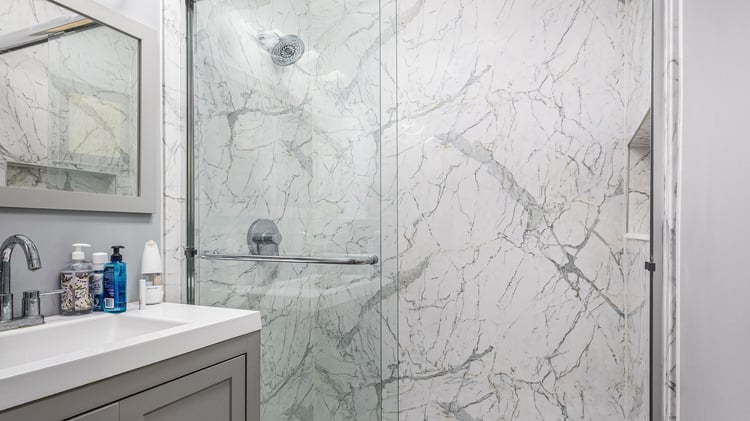
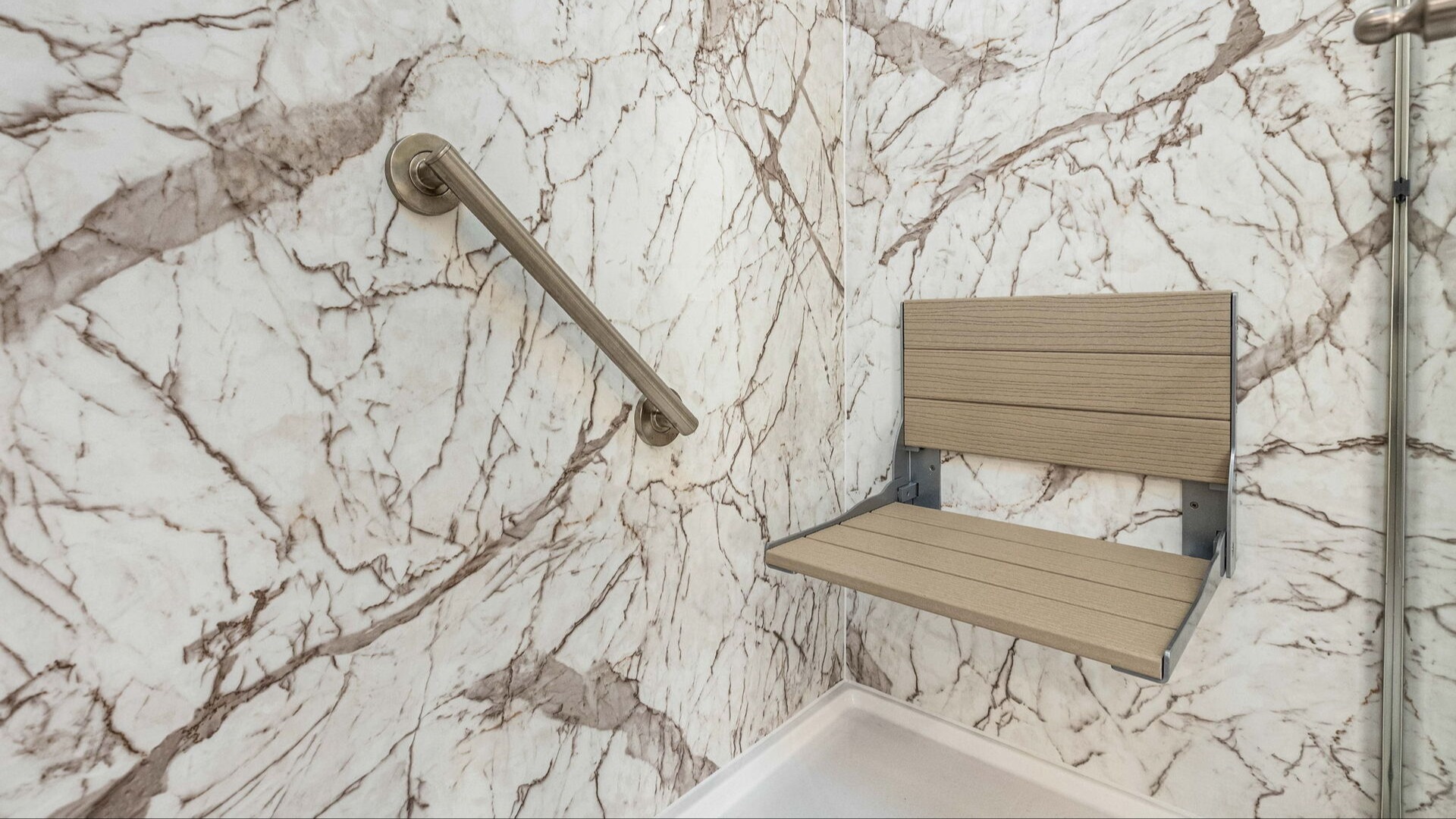
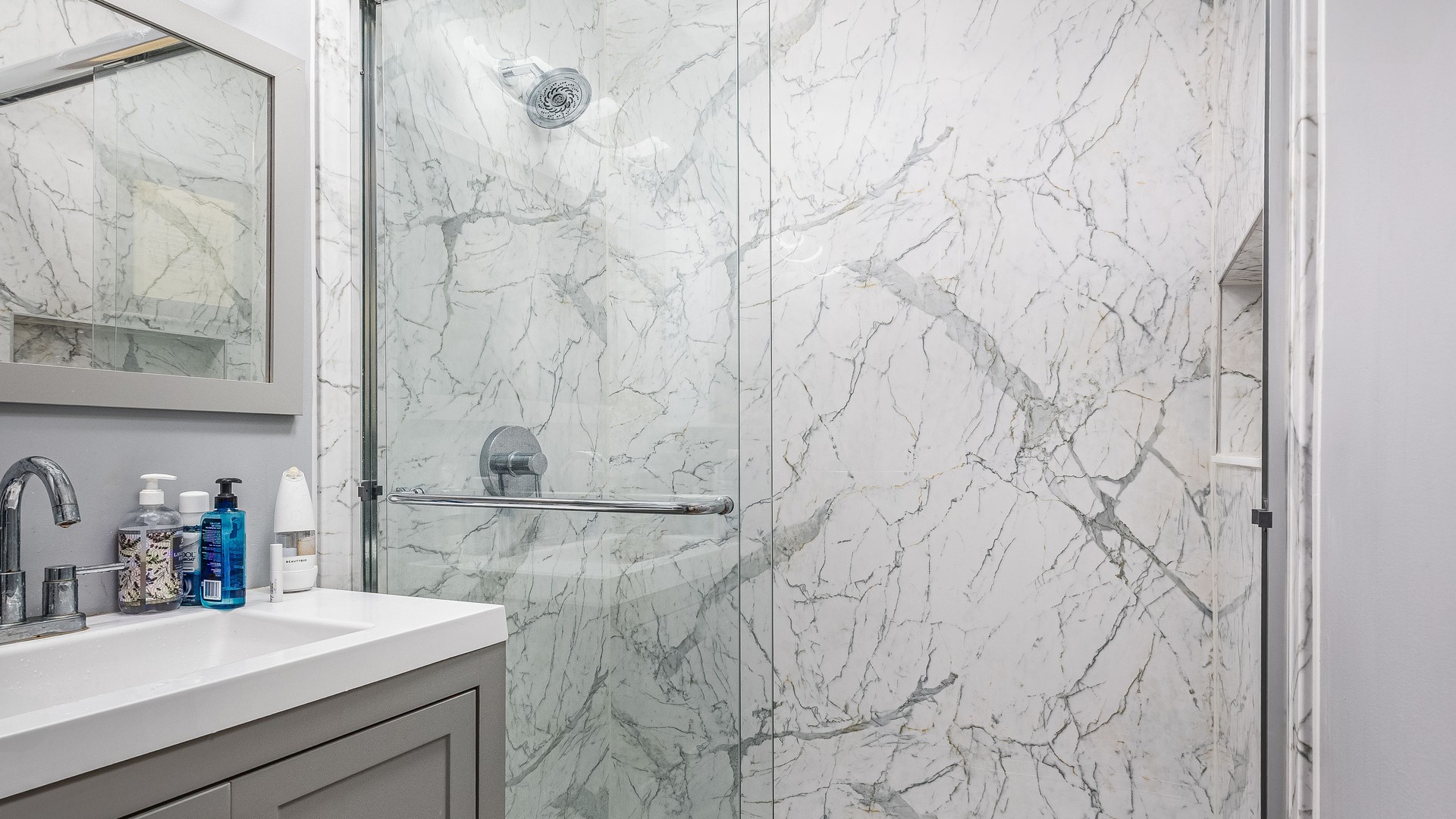
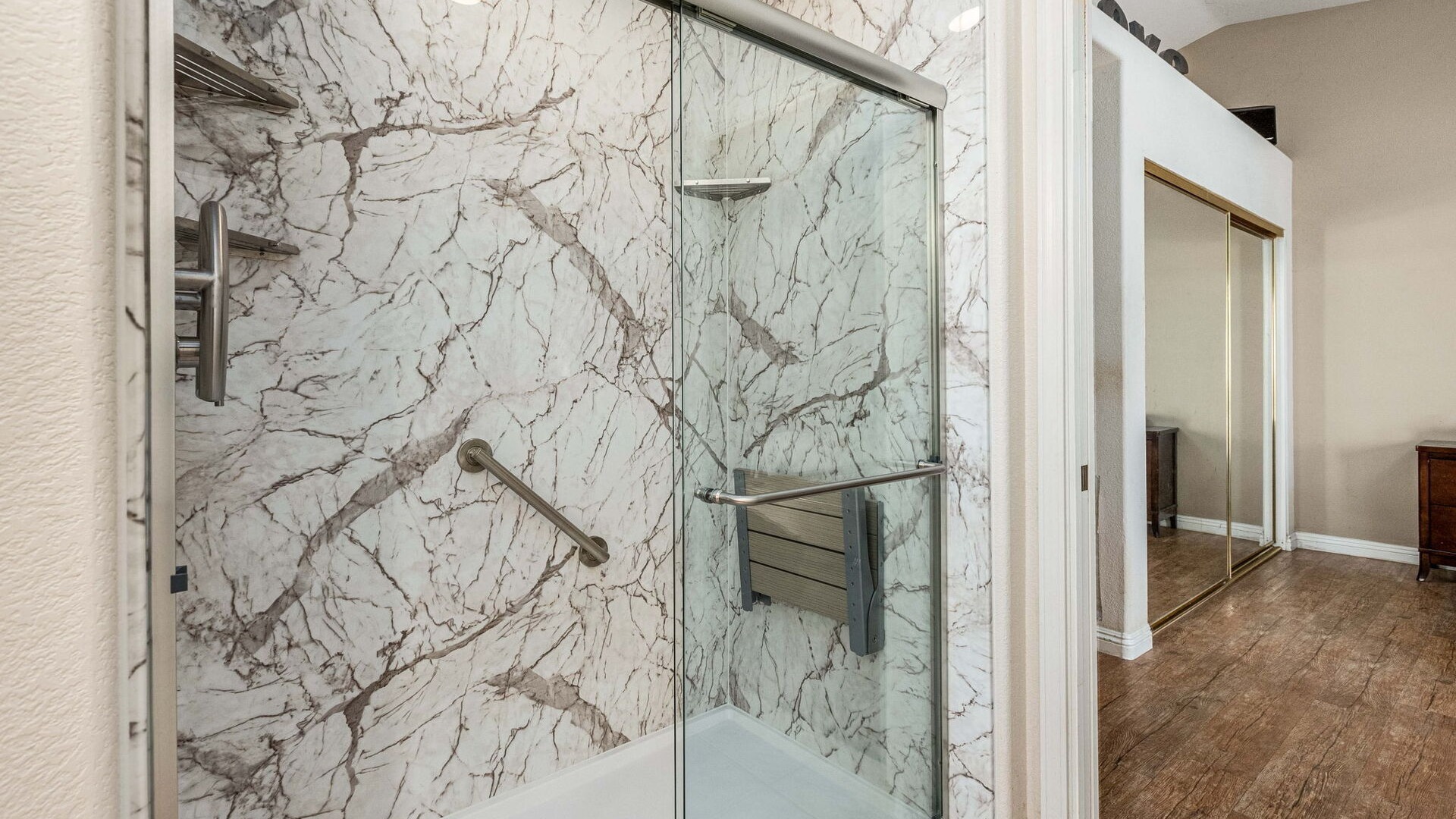
If you’re looking to make your tub and shower area safer, converting your tub to a walk-in shower is a good idea. Stepping over a tub ledge gets harder with age or if mobility becomes an issue. A walk-in shower with a low threshold makes safety more manageable.
If no one in the home takes baths, the tub is just taking up space. Converting it to a walk-in shower is a reasonable choice if you want the area to better fit your lifestyle.
If you're thinking about selling your home, a tub-to-shower conversion could affect resale value depending on your neighborhood and buyer pool. We recommend consulting a realtor first.
Will You Regret Getting Rid of Your Only Tub?
There are lifestyle factors you want to consider before converting your tub to a walk-in shower:
-
Aging in place. A walk-in shower makes sense if you or a loved one needs a safe, easy-to-access shower as they get older or have trouble with mobility.
-
Children and pets. The tub makes it easier to bathe kids or pets. However, bathing them without a tub is possible. It may involve some creativity. You can always use a portable tub basin inside the shower. A handheld shower head can also make bathing children and pets easier without a tub.
-
Resale value. Converting your only tub to a shower could affect how your home sells. Again, it depends on your neighborhood and buyer pool. Read our article on how a shower remodel can affect your home’s value.
-
Renting the space out. If you plan to rent, keep in mind that families with young children might expect a tub.
None of these factors are rules. Do what you think will improve your quality of life.
Does It Cost More to Convert a Tub to a Shower Than to Keep a Tub?
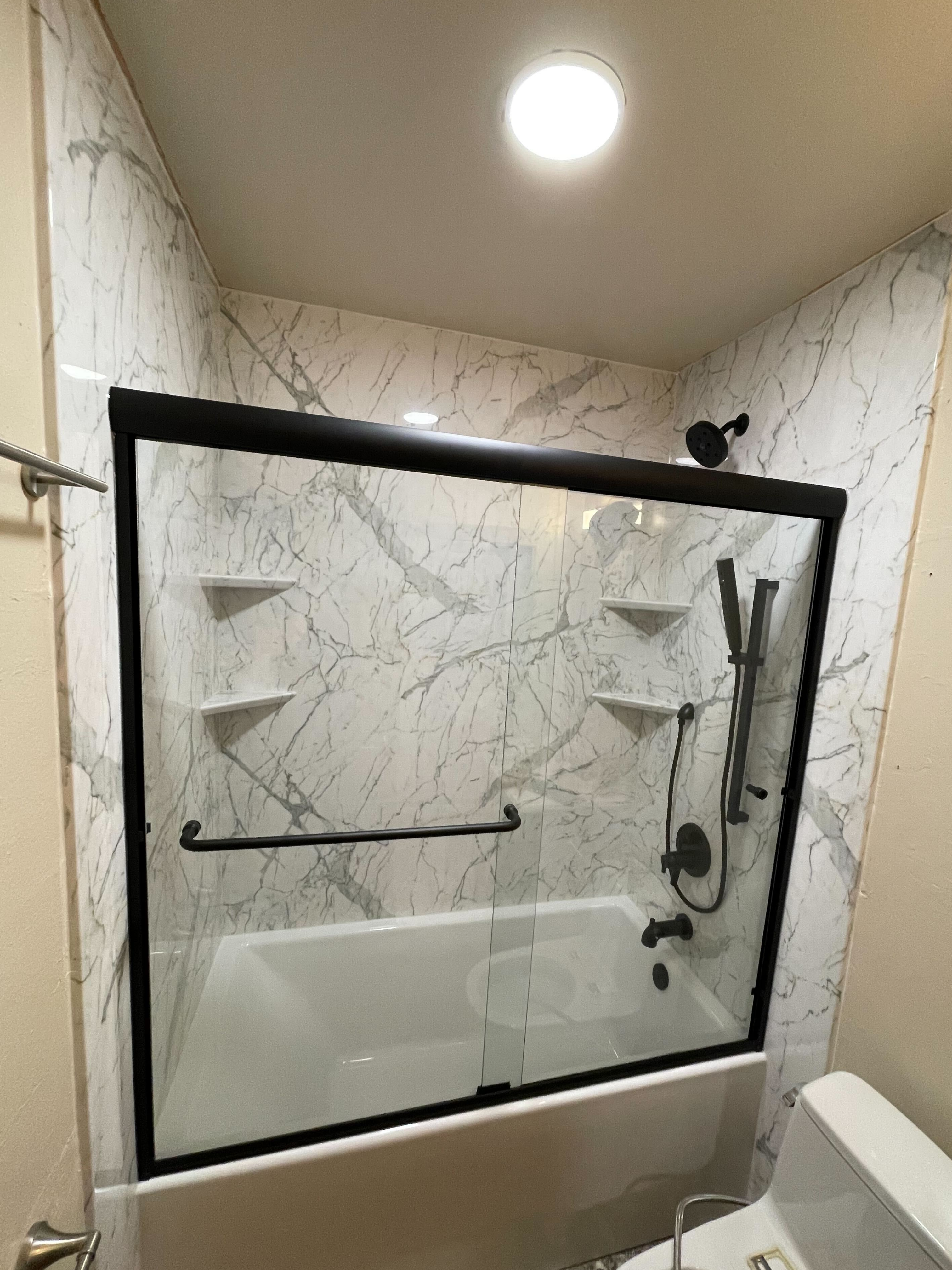
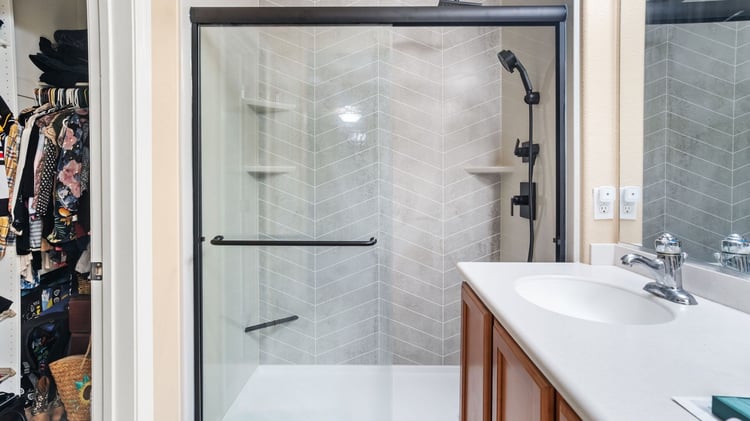
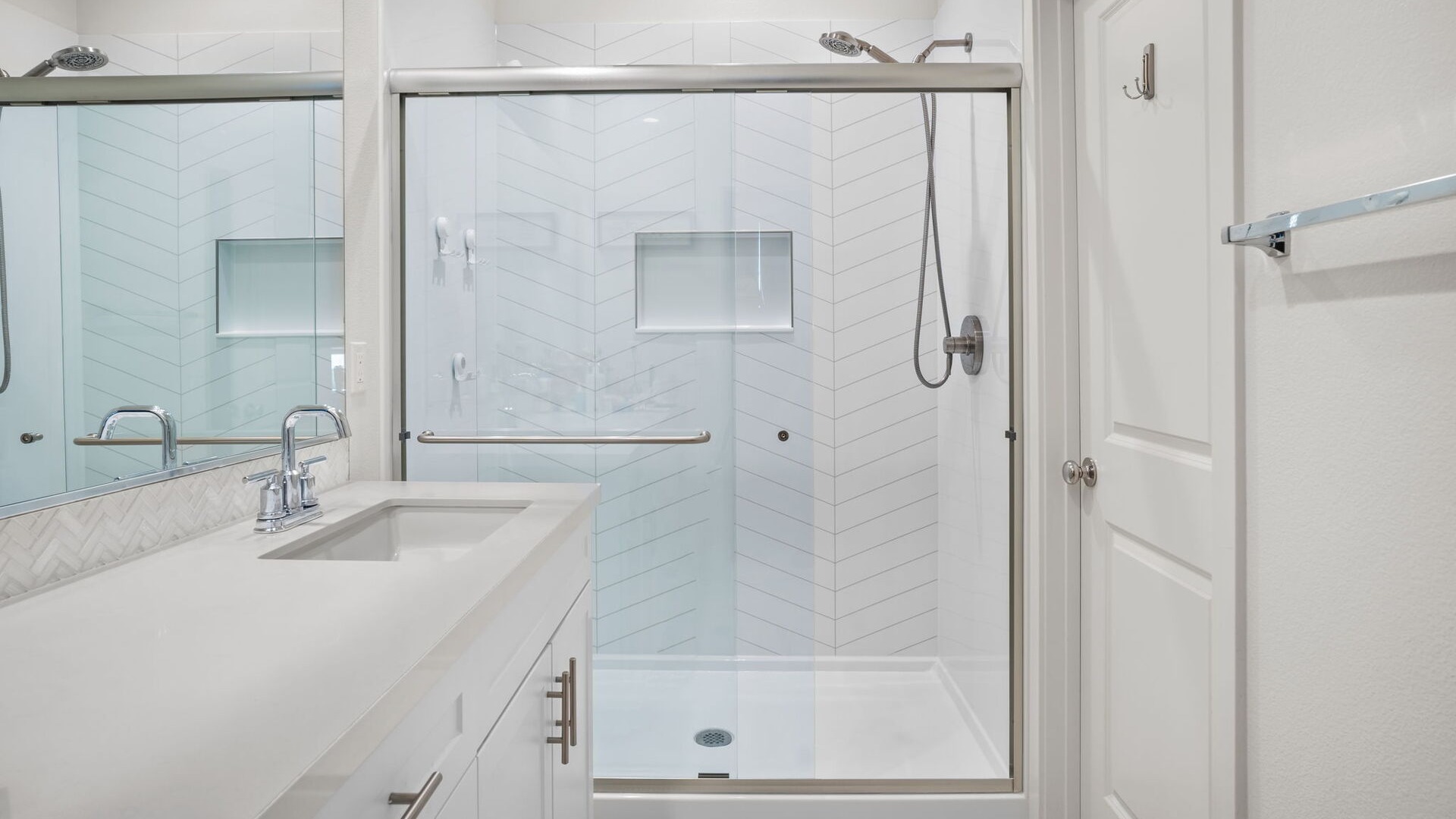
It depends on the size and scope of your remodel and what you want to achieve with your tub and shower area. That said, a tub remodel can cost less than a tub-to-shower conversion if you can skip a door entirely and use a curtain. While you can use a curtain for a walk-in shower, many homeowners choose a glass door because it looks cleaner and fits the space better.
Generally, the cost of a good-quality tub or shower remodel ranges from $12,500 to $22,000. Your remodel cost can exceed $22,000, depending on the features and accessories you add and/or the size of your space.
Is a Tub-to-Shower Conversion Right for You?
There isn’t a definitive answer to whether you should convert your only tub to a walk-in shower. Safety, lifestyle, cost, and resale value are all worth thinking through. At the end of the day, it comes down to your situation and what you want to achieve in your home.
If you’re still unsure about putting in a walk-in shower, read our article on the benefits of a tub-to-shower conversion.
Not sure which direction is right for your bathroom? Schedule a free design consultation with Shugarman’s Bath. We'll walk through your tub and shower area with you and help you figure out whether a conversion works for your needs.

The opinions expressed in the referenced materials are those of the authors only, not necessarily of Shugarman’s Bath. While these referenced materials are useful in answering generalized questions, each bathroom is unique. For a particular question about your tub or shower remodeling project, contact your Shugarman’s Bath consultant.
FAQs About Tub-to-Shower Conversions:Q: How long does a typical tub-to-shower conversion take?A typical tub-to-shower conversion takes 1-2 days. More complex projects in larger areas can take longer. Q: What materials do you use for your tub and shower products?Our products are mainly composed of a material called BP-Cor2. It's a high-tech polymer made up of 15% acrylic and 85% ABS, the same material used to make football helmets. It's a step up from traditional tile and standard acrylic. We can laser-etch grout lines into the material to give it the look of tile without the cleaning and maintenance that comes with it. We call it New World Tile. |
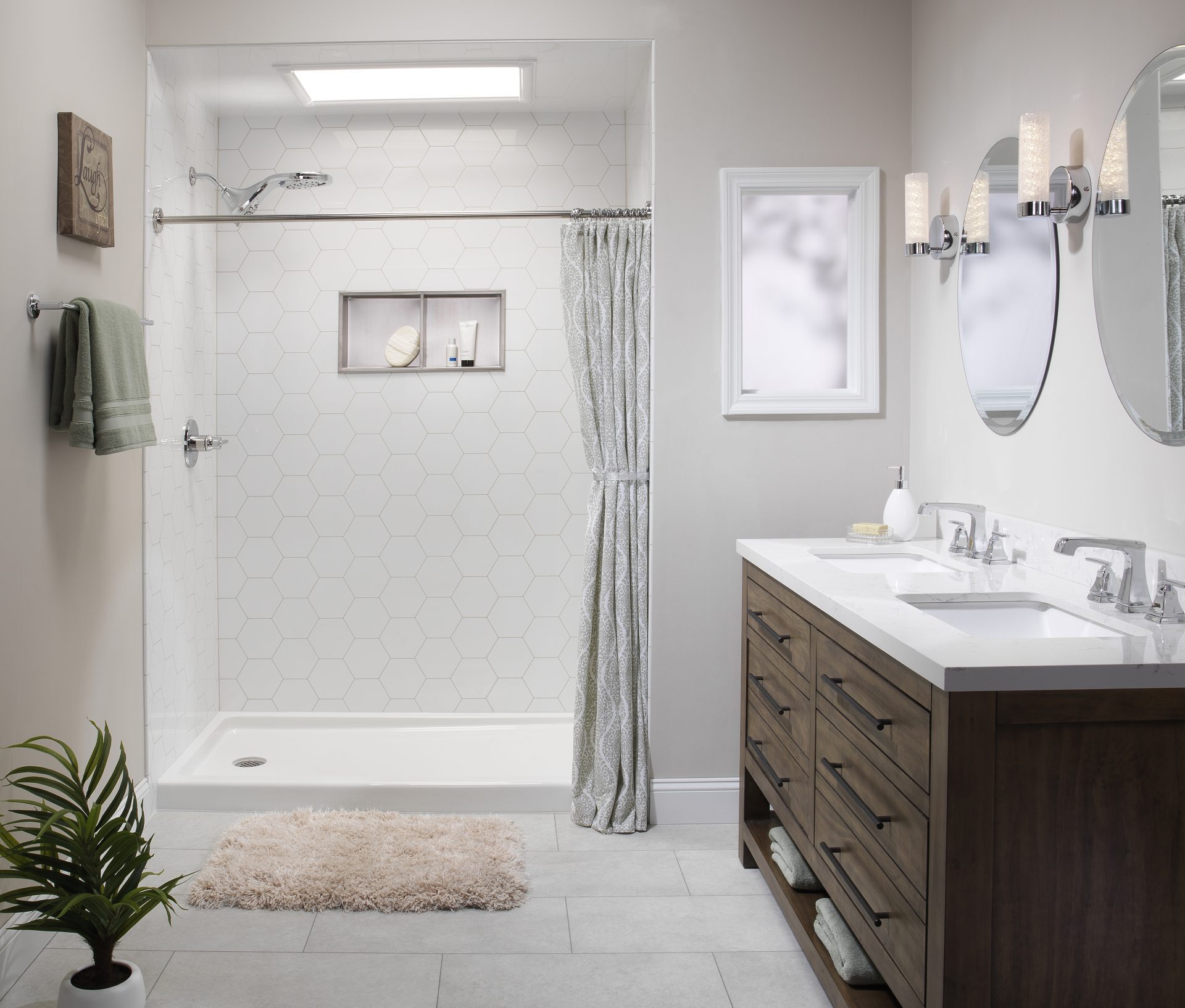
-1.jpg?width=1920&height=1280&name=AmandaCheyney_Print2%20(1)-1.jpg)