
.png?width=1920&height=1080&name=VERSUS%20(2).png)
What Matters Most
|
You're trying to make your tub and shower area safer, but you're not sure how. There are many options you can take, whether it’s a walk-in tub or a walk-in shower. It’s hard to know which one might fit your situation better.
Making your tub and shower area safer starts with knowing your options. Walk-in tubs and walk-in showers both reduce fall risk. However, they work differently and come with different trade-offs.
Shugarman's Bath has completed more than 6,500 tub and shower remodels, including projects driven by safety concerns. Before we continue, you need to know that Shugarman's Bath does NOT install walk-in tubs.
That said, we understand that our solutions don’t work for every homeowner. That’s why we want you to have the information you need about walk-in tubs since it might be the solution that fits your needs.
This article breaks down how each option works, what it costs, and how each solution affects safety in your tub and shower area.
Table of Contents:
- Are Walk-In Tubs or Walk-In Showers Safer?
- How Much Time Does Each One Take to Use?
- What Are the Cost Differences Between a Walk-In Tub and Walk-In Shower?
- What Should You Know Before Installing a Walk-In Tub?
- How Do You Make a Walk-In Shower Safe?
- Walk-In Tub and Walk-In Shower Comparison Table
Are Walk-In Tubs or Walk-In Showers Safer?
Both options are considered safe. Walk-in tubs might be considered the slightly safer option because they pose a lower risk of falls. According to ConsumerAffairs, both setups can work well for people with mobility or balance concerns, just through different designs.
A walk-in tub gives you a low threshold and a built-in seat. However, it does involve extra steps compared to a walk-in shower, since you have to seal the door, wait for the tub to fill, and then wait for it to drain before you can exit.
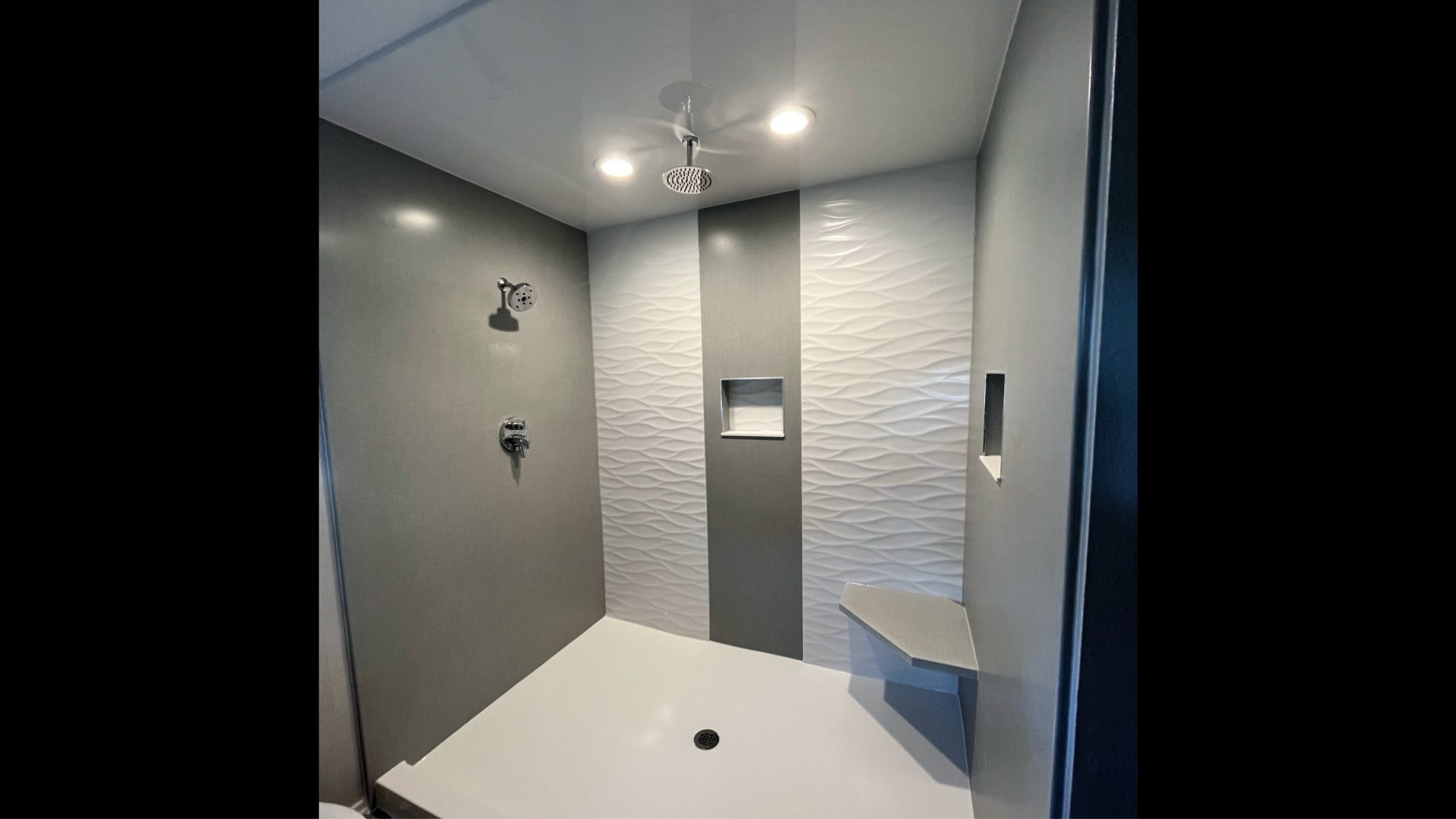
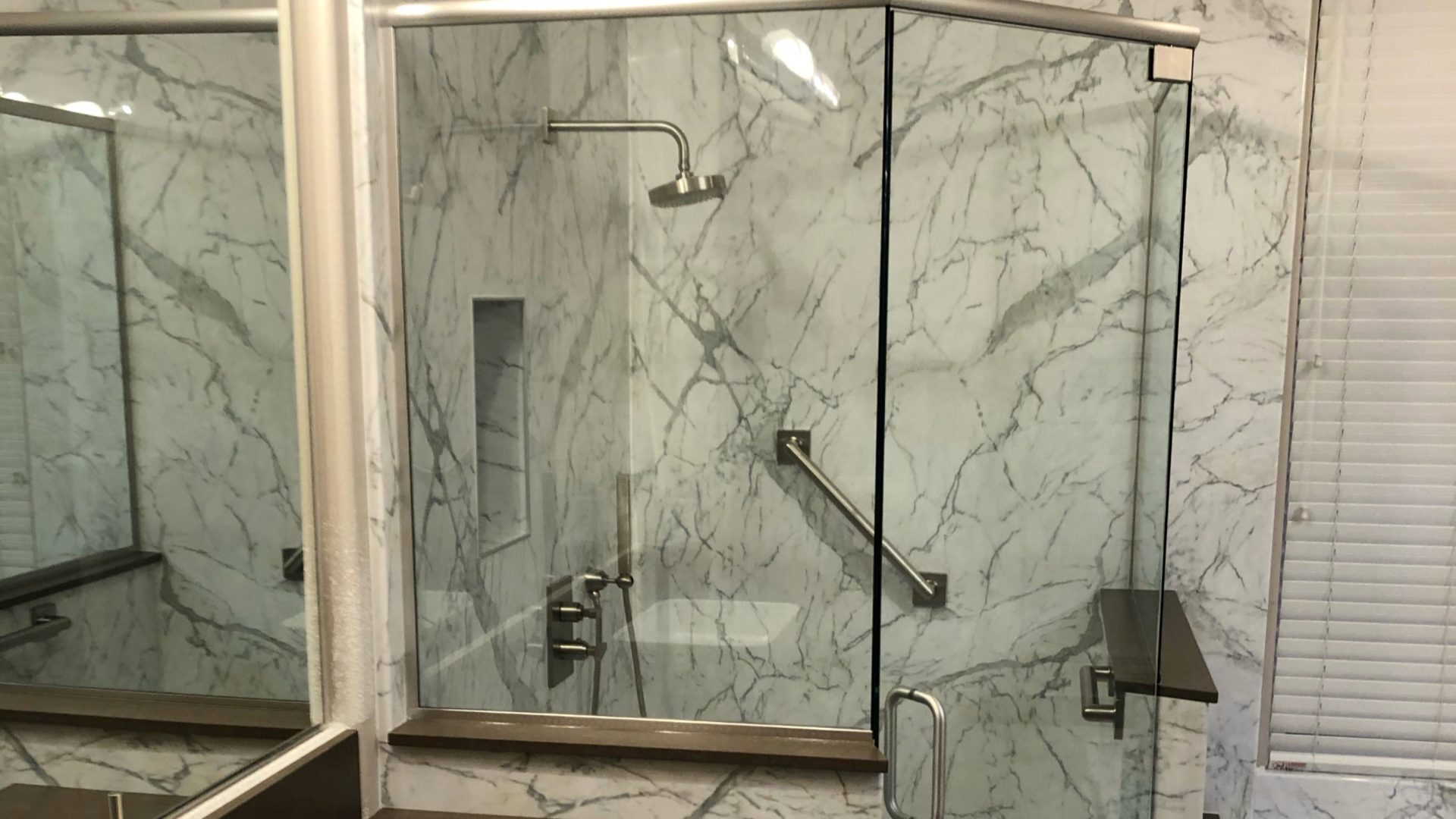
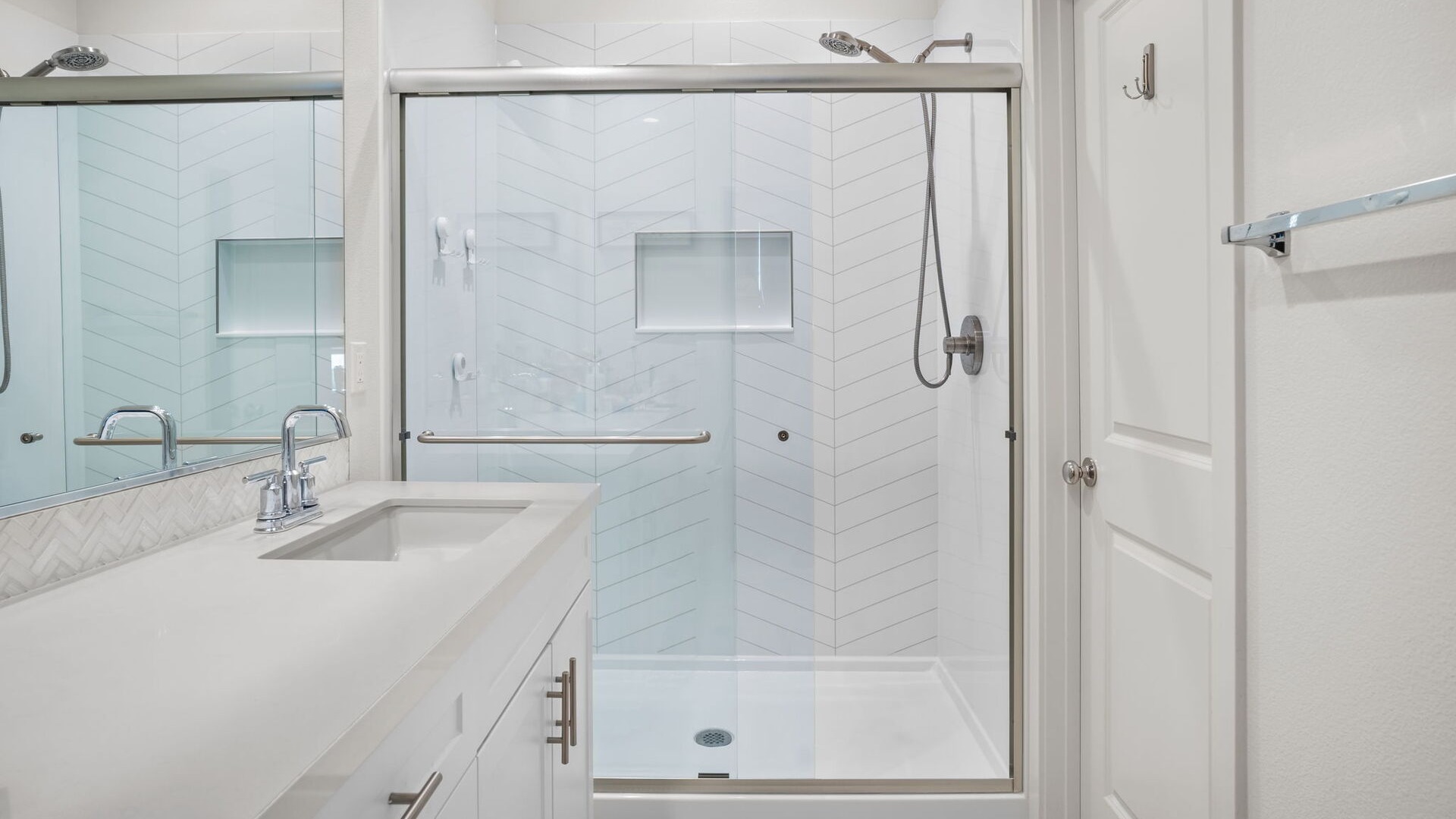
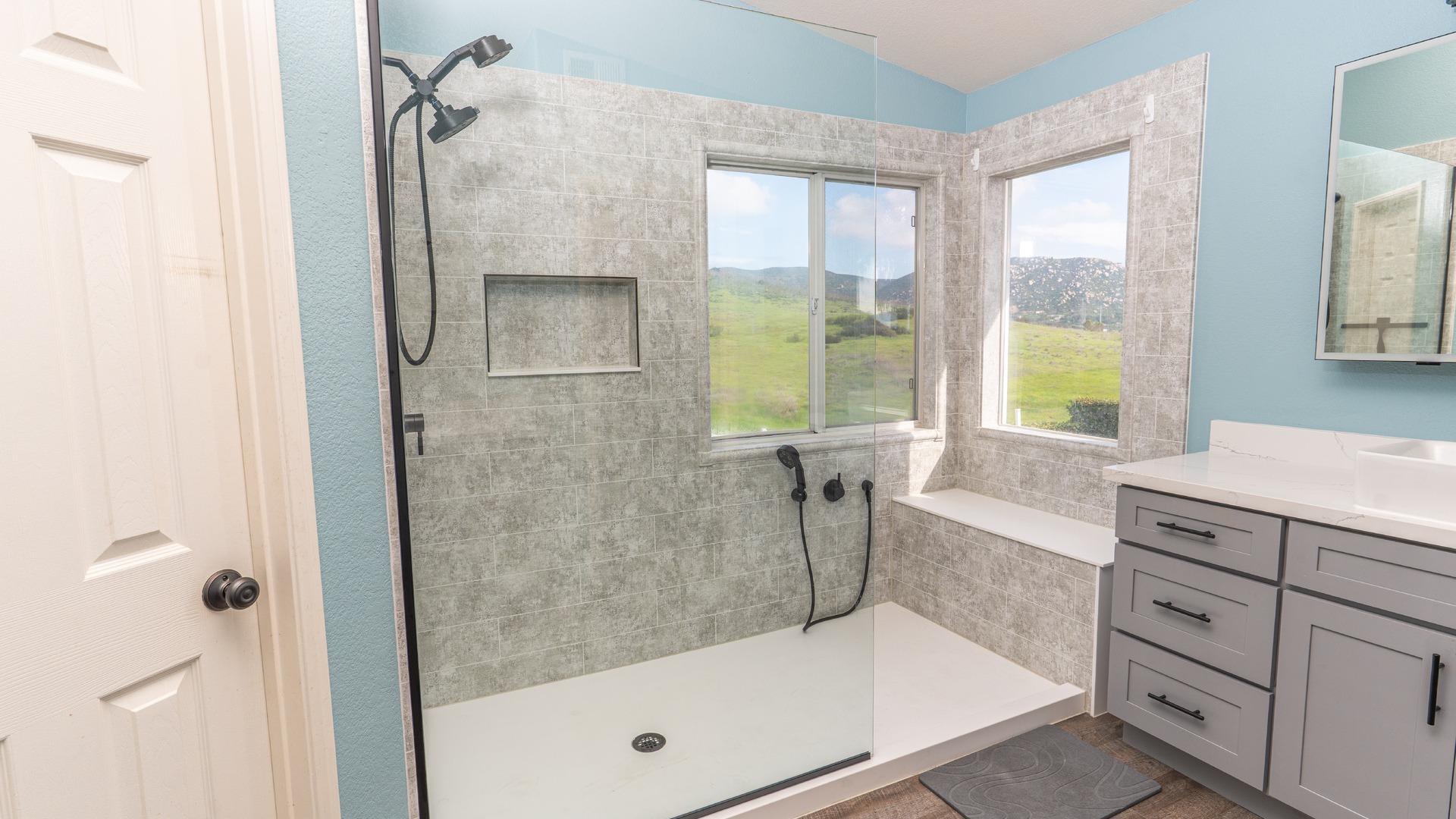
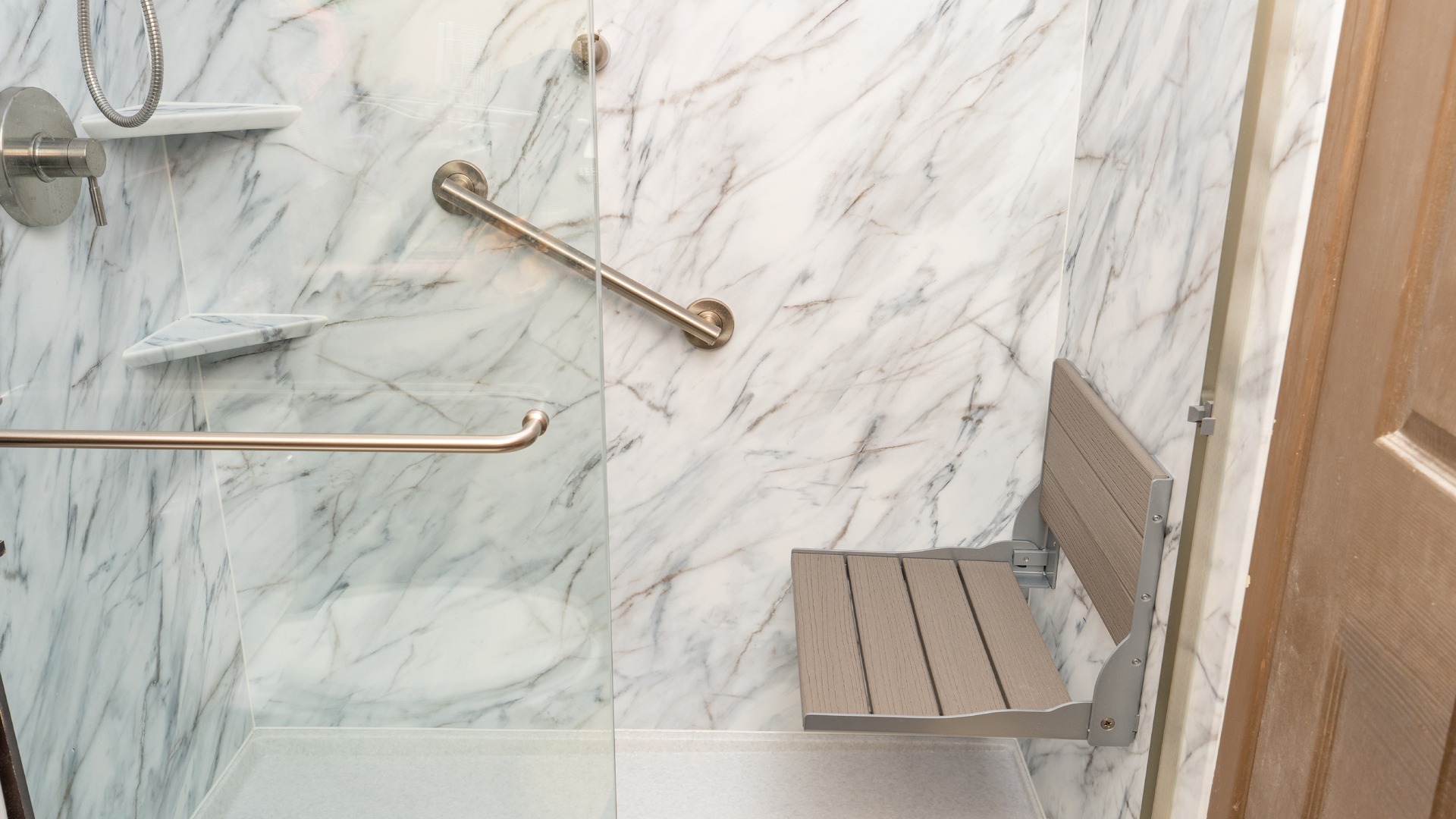
Walk-in showers often include slip-resistant flooring, grab bars, built-in seating, and handheld showerheads. They are also built to have low- or zero-threshold options so you can easily get in and out of your shower. However, if you don’t have many of the safety features typically associated with a walk-in shower, this option can be a fall risk for anyone with limited mobility or balance issues.
What matters most between these options is how they fit your lifestyle and living situation. Both options are good choices when aging in place.
How Much Time Does Each One Take to Use?
A walk-in shower lets you rinse quickly since you step in, clean up, and step out, as with any standard shower.
A walk-in tub takes longer. You step in, seal the door, wait for it to fill, bathe, then wait again for it to drain before the door will open. That fill-and-drain cycle can take 10 to 15 minutes. If your tub doesn’t have a heating feature, you may find yourself waiting in cooling water.
What Are the Cost Differences Between a Walk-In Tub and Walk-In Shower?
At Shugarman’s Bath, prices range from $12,500 to $22,000, sometimes more. It depends on the size of your space and the added features you would like. Learn more about our pricing.
A quality walk-in tub with a reliable pump, heater, and door seals runs around $30,000. Cheaper models may skip accessories or come with a door seal that leaks over time.
What Should You Know Before Installing a Walk-In Tub?
Walk-in tubs are complex to install. Most need to fit through a 30-inch-wide doorway, and they require two separate electrical circuits for the pump and heater.
Quality also varies a lot between models. A well-built unit with solid door seals will hold up well. A lower-quality tub often skips extras like grab bars or a heated seat, and the door seal is more likely to wear out and leak over time.
How Do You Make a Walk-In Shower Safe?
Here are a few features that make a walk-in shower safer:
- Add grab bars at the entry and inside the shower for a point of contact.
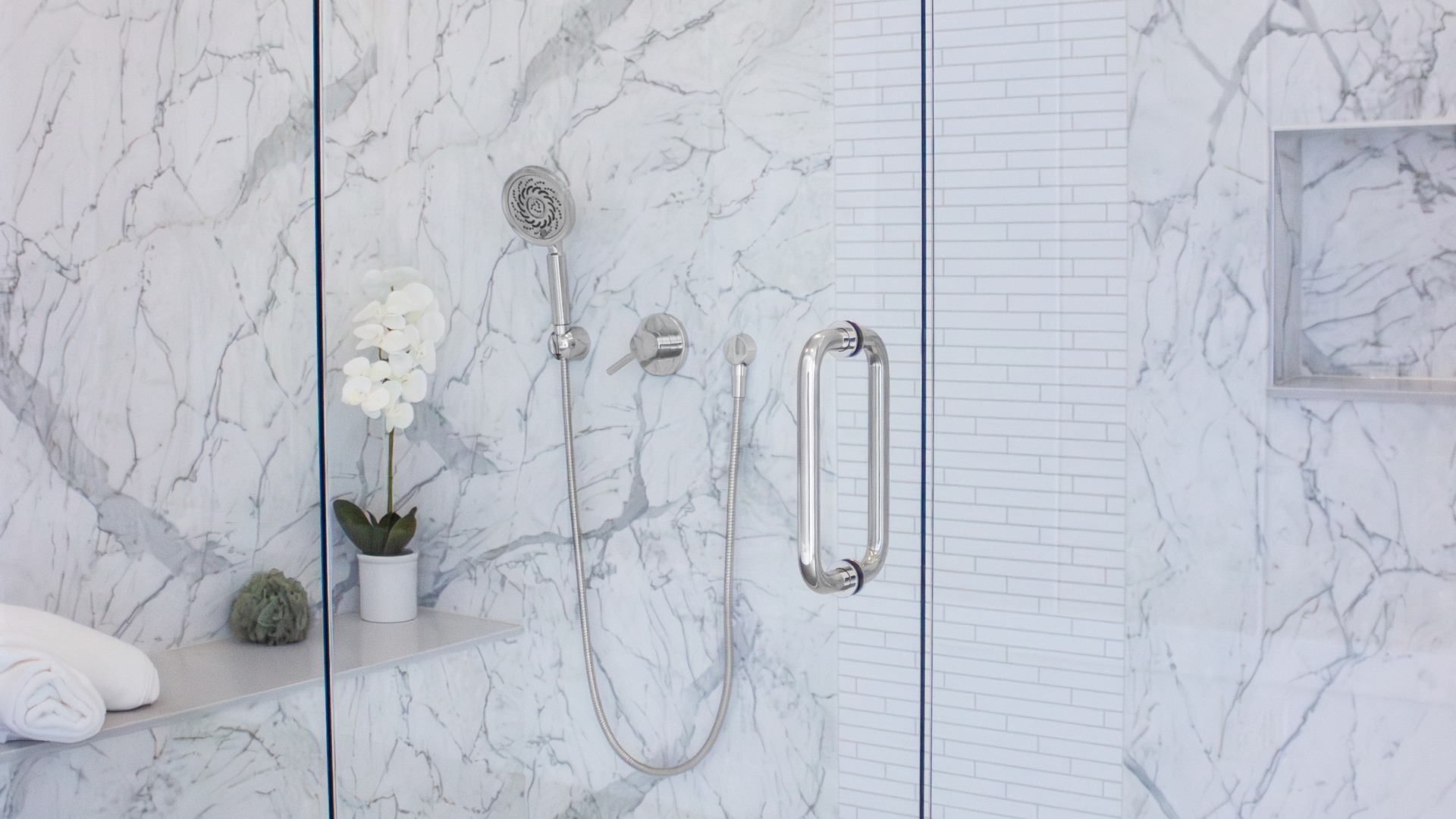
- A slide bar with a handheld shower head lets you adjust the water height without moving your whole body. ADA slide bars provide an additional point of contact and serve as grab bars.
- A built-in or portable shower seat provides a safe place to sit while you shower.
- Anti-slip strips on the shower floor reduce the chances of slipping.
While these features aren’t required, adding one or two options can make your shower that much safer.
Walk-In Tub and Walk-In Shower Comparison Table
|
Walk-In Tub |
Walk-In Shower |
|
|
Threshold Entry |
Low-threshold with a side door that seals. |
Low- and zero- threshold options with open entry |
|
Time to use |
10-15 minutes to fill and drain before you can exit |
Quick, in and out like a standard shower |
|
Cost |
Around $30,000 for a quality unit |
$12,500 to $22,000+ with Shugarman's Bath |
|
Safety Features |
Built-in seat and low threshold; quality varies by model |
Grab bars, slide bar, seat, and anti-slip strips are available as add-ons |
|
Best for |
Homeowners who want to soak and don't mind the wait |
Homeowners who want a fast, low-effort daily shower |
The Safer Option Is the One That Fits Your Daily Routine
Both options are safe, but differ in how they work with your day-to-day. The best choice depends on your mobility, your patience for filling and draining a walk-in tub, and your budget.
For more ways to make your tub and shower area safer, read our article on how to make a wet tub and shower area safer.
Have a question this article didn't cover? Contact Shugarman's Bath to talk with one of our experts.

The opinions expressed in the referenced materials are those of the authors only, not necessarily of Shugarman’s Bath. While these referenced materials are useful in answering generalized questions, each bathroom is unique. For a particular question about your tub or shower remodeling project, contact your Shugarman’s Bath consultant.
Topics:
.jpg?width=1920&height=1080&name=VERSUS%20(4).jpg)
-1.jpeg?width=1920&height=1080&name=CherylJordan_Web7%20(1)-1.jpeg)
-1.jpg?width=1920&height=1280&name=AmandaCheyney_Print2%20(1)-1.jpg)