
What Matters Most
|
As the years go on, stepping over a tub becomes more difficult. Your tub and shower space feels dangerous to get in and out of, especially when wet. A fall serious enough to require emergency care costs more than a remodel.
Shugarman’s Bath has completed more than 6,000 tub and shower remodels. Many of these remodels were done to make the area safer for adults aging in place and with mobility issues. We understand how converting your tub into a walk-in shower can make the area safer for you and those you love.
This article covers why homeowners convert to a walk-in shower, how a tub-to-shower conversion reduces fall risk, and which safety features help make a walk-in shower safer.
Table of Contents:
- Why Do Homeowners Convert Their Tubs into Walk-In Showers?
- How Does a Tub-to-Shower Conversion Reduce Fall Risk?
- What Safety Features Should a Tub-to-Shower Conversion Include?
- Should You Install a Door or a Curtain for Your New Shower?
Why Do Homeowners Convert Their Tubs into Walk-In Showers?
Many homeowners convert their tubs into showers for various reasons. For some, keeping the tub no longer made sense since they no longer used it. A walk-in shower better suits their lifestyle.
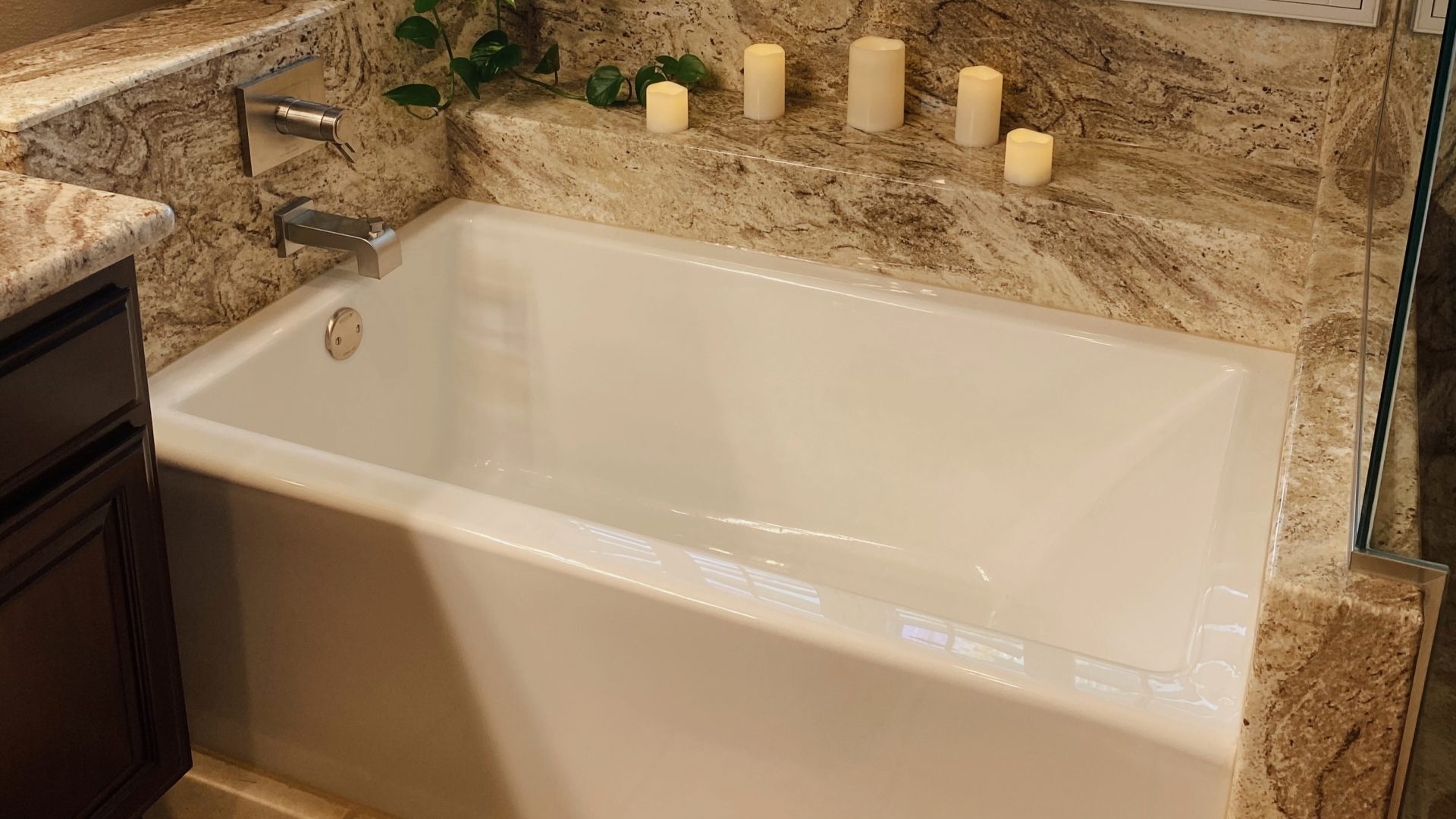
For others, getting over the high tub threshold became a hassle. A close call or a fall motivated them to choose a walk-in shower for a safer bathing experience. A standard tub is about 15 inches high. A deep soaking tub can reach 19 inches in depth. As you age or have mobility issues, lifting your leg over that threshold becomes more difficult, especially when wet.
According to the CDC, falls caused over 38,000 deaths in 2021 for adults 65 or older. Emergency departments treated nearly 3 million fall-related visits from older adults that same year. Many of these falls happen in the tub and shower area.
How Does a Tub-to-Shower Conversion Reduce Fall Risk?
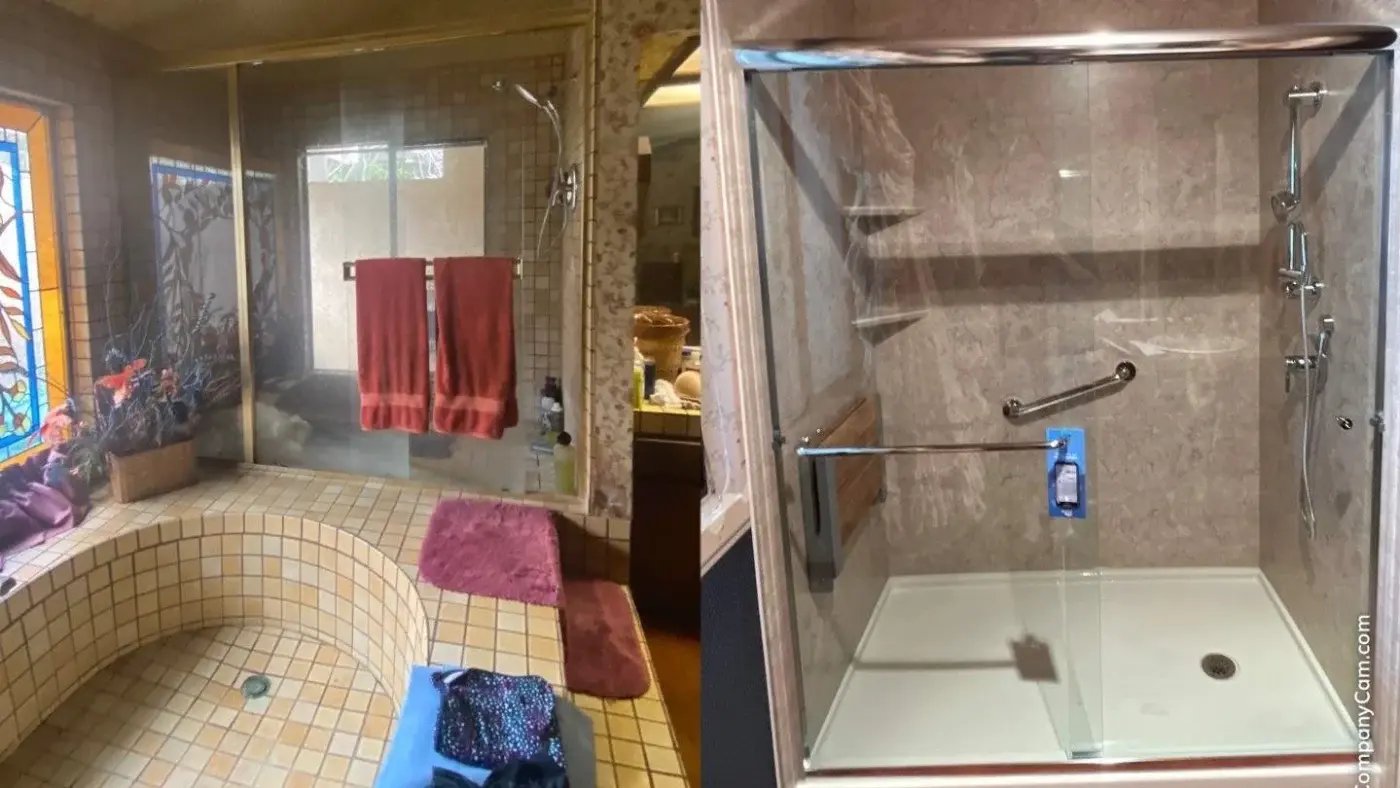
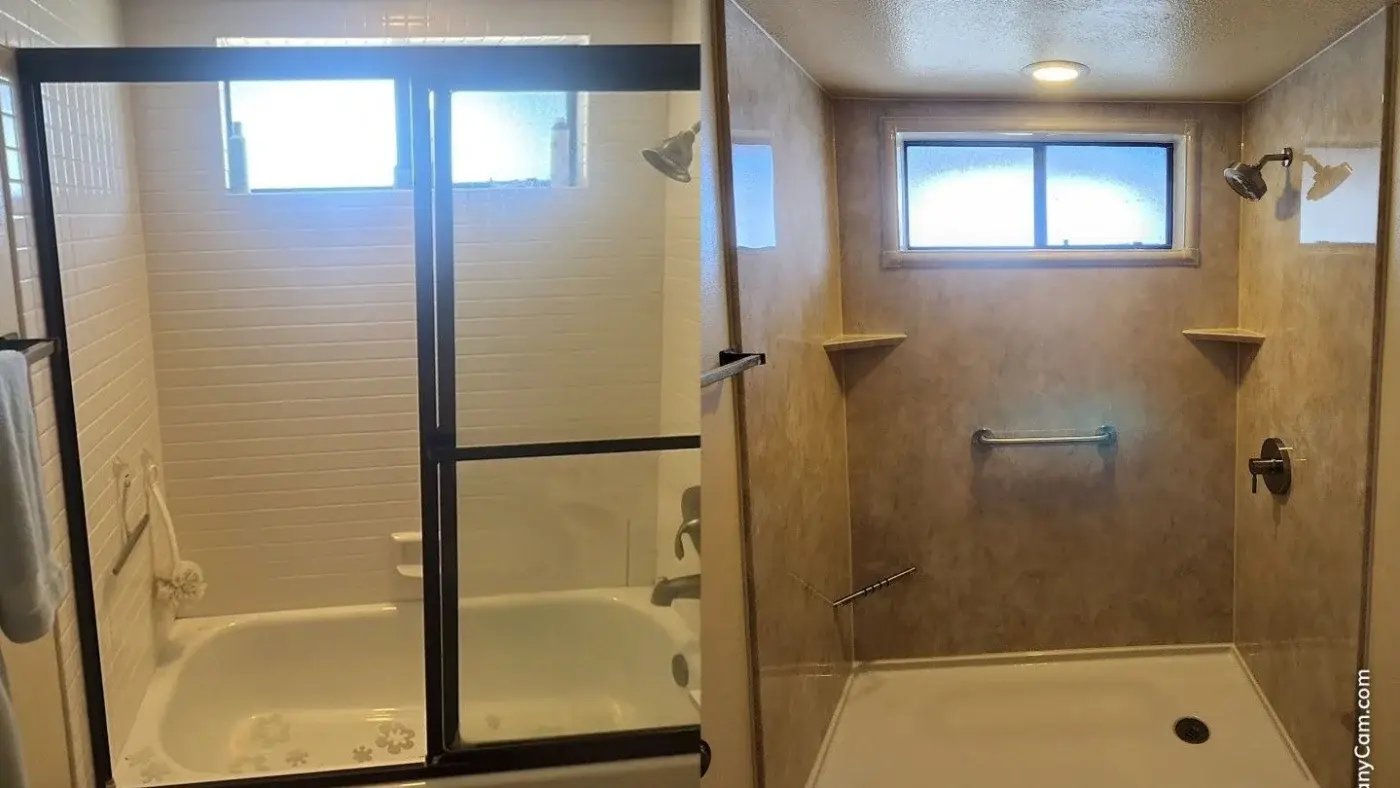
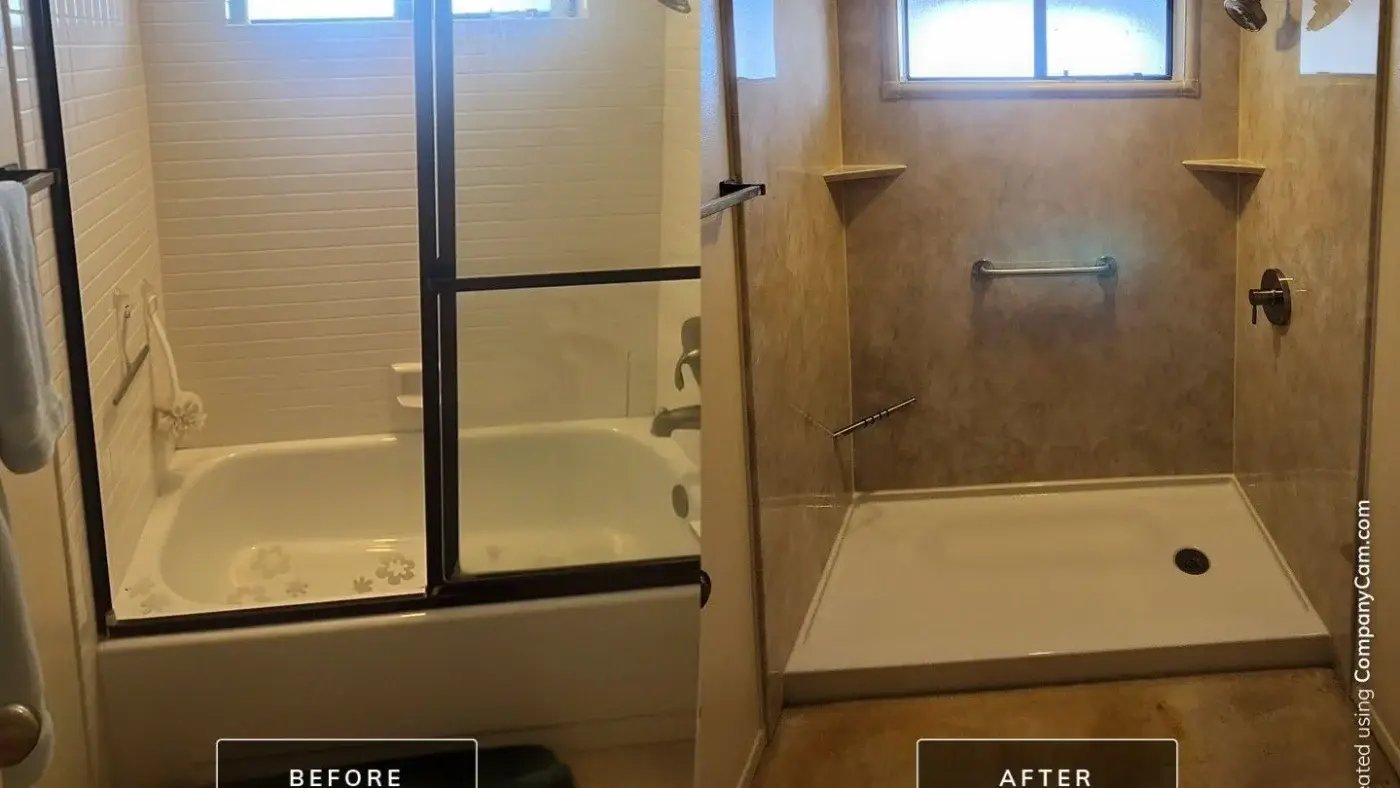
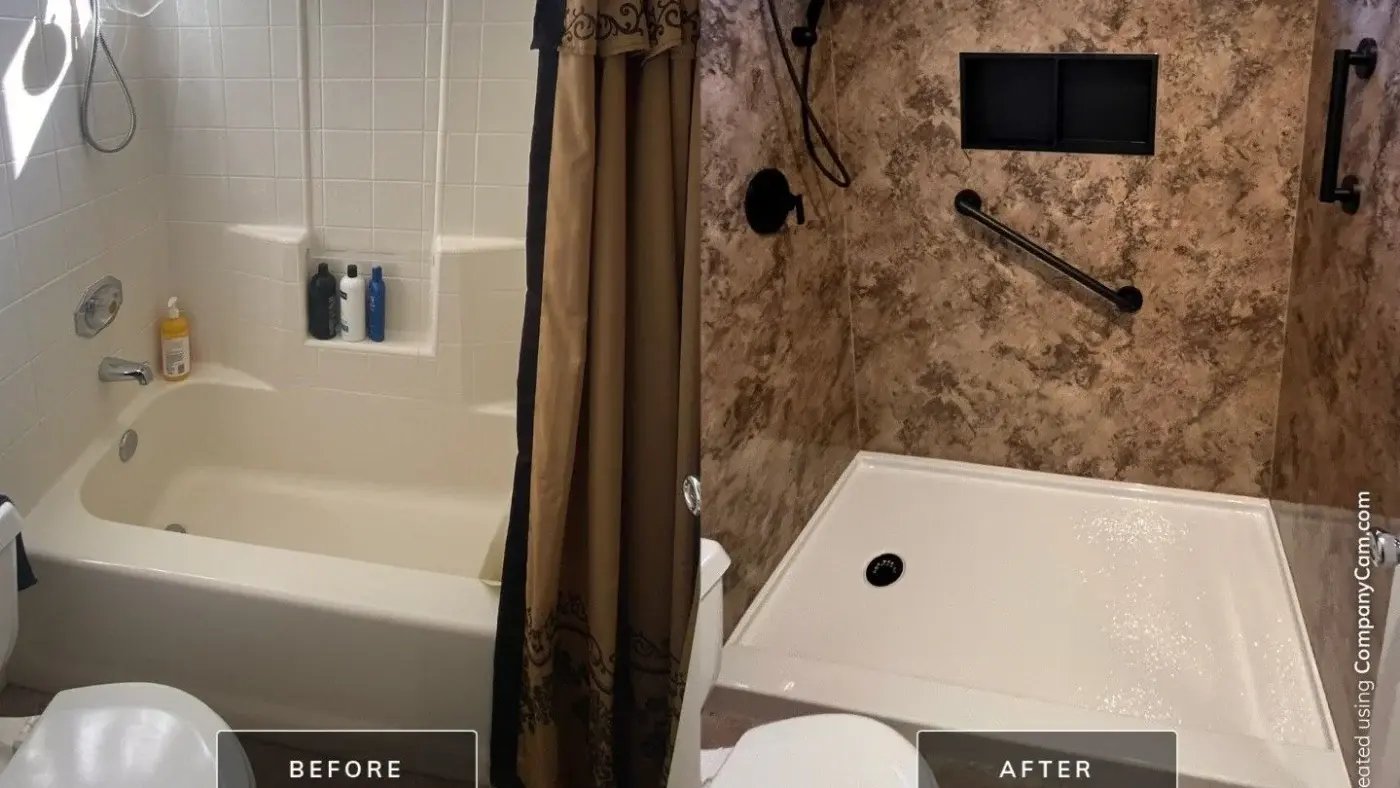
A tub-to-shower conversion lowers the threshold you have to step over. You’re removing the height a tub typically has. The less your leg needs to lift, the less you need to test your balance.
Low-threshold shower bases work well for homeowners, though many contractors offer zero-threshold options if mobility is very limited or expected to change significantly. Either way, low- and zero-threshold options make getting in and out of the shower easier than with a standard tub.
While reducing the threshold reduces the risk of falling, there are features you might need to consider to make the space safer.
What Safety Features Should a Tub-to-Shower Conversion Include?
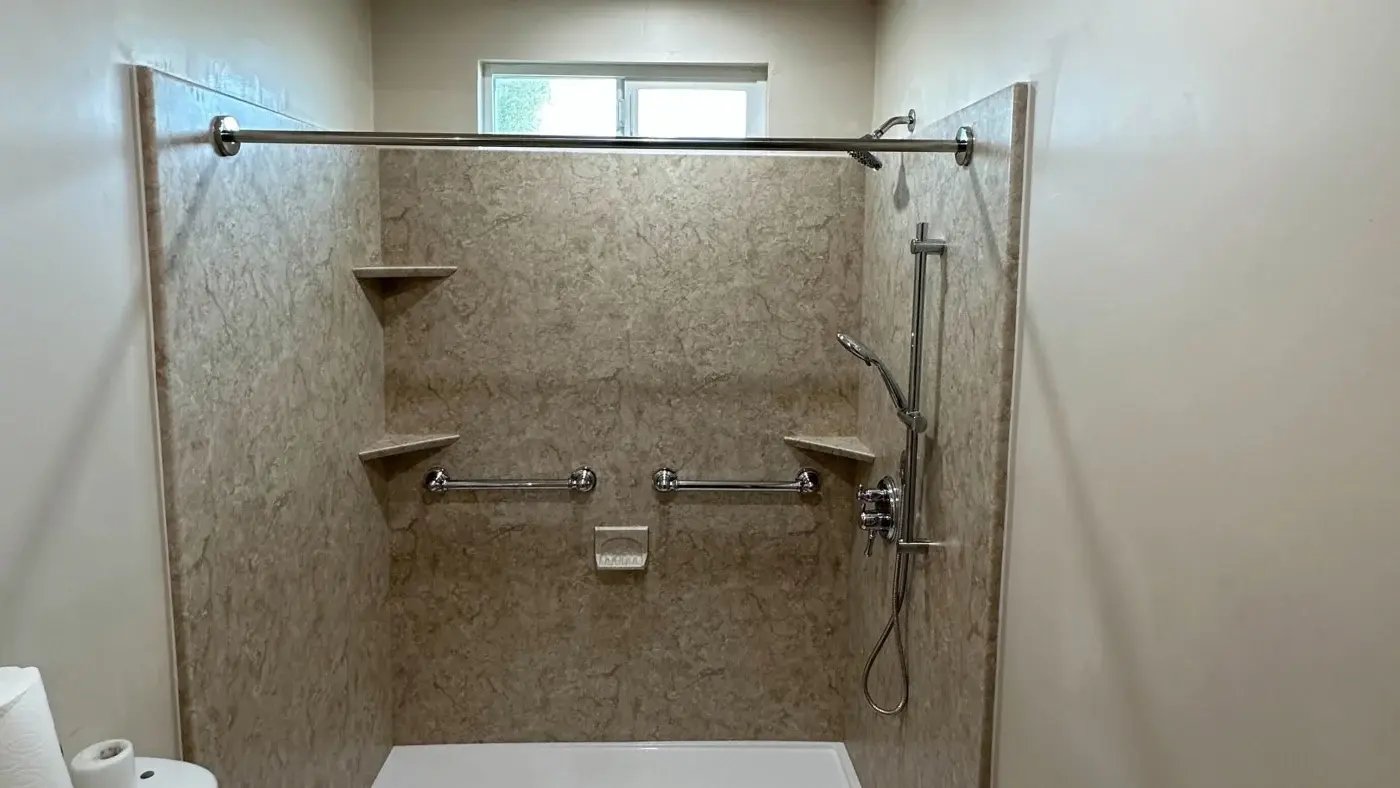
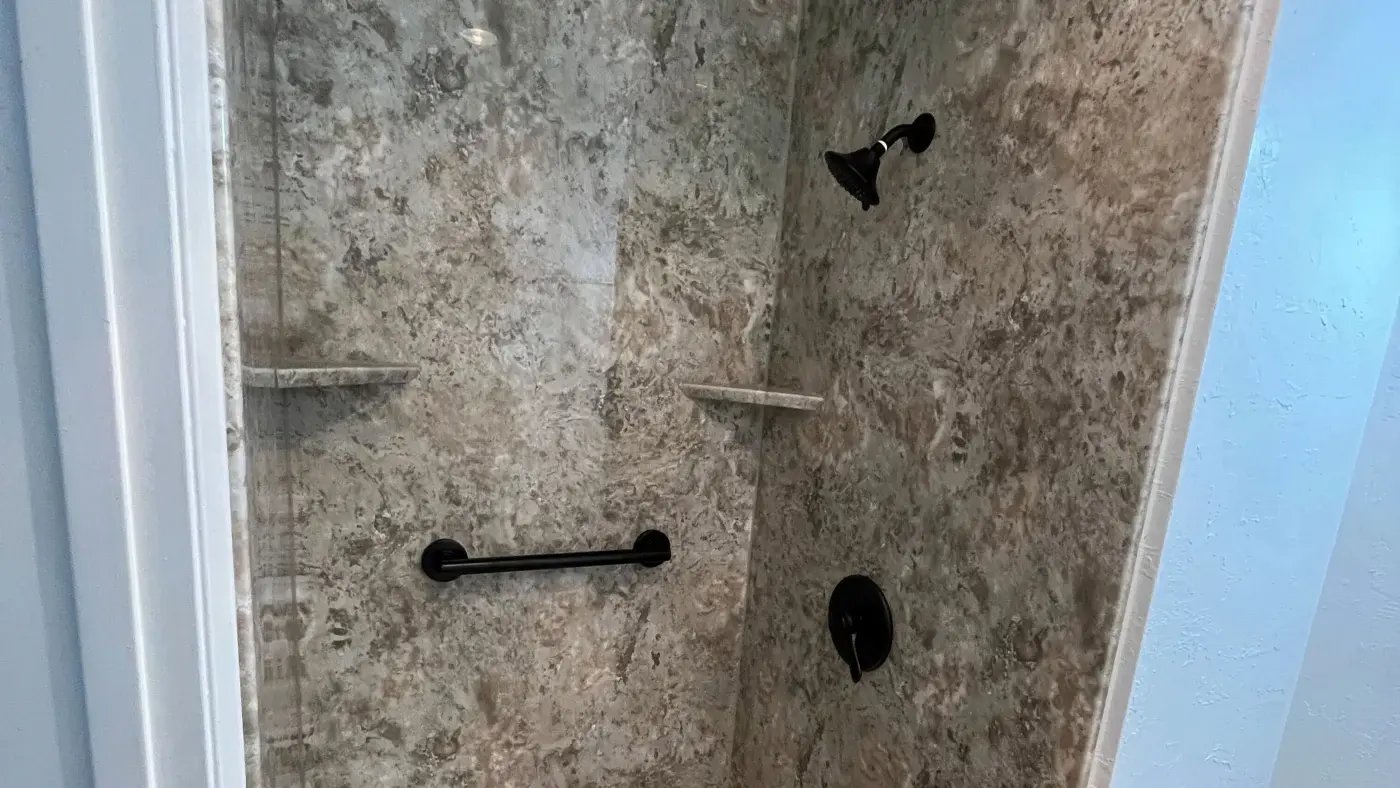
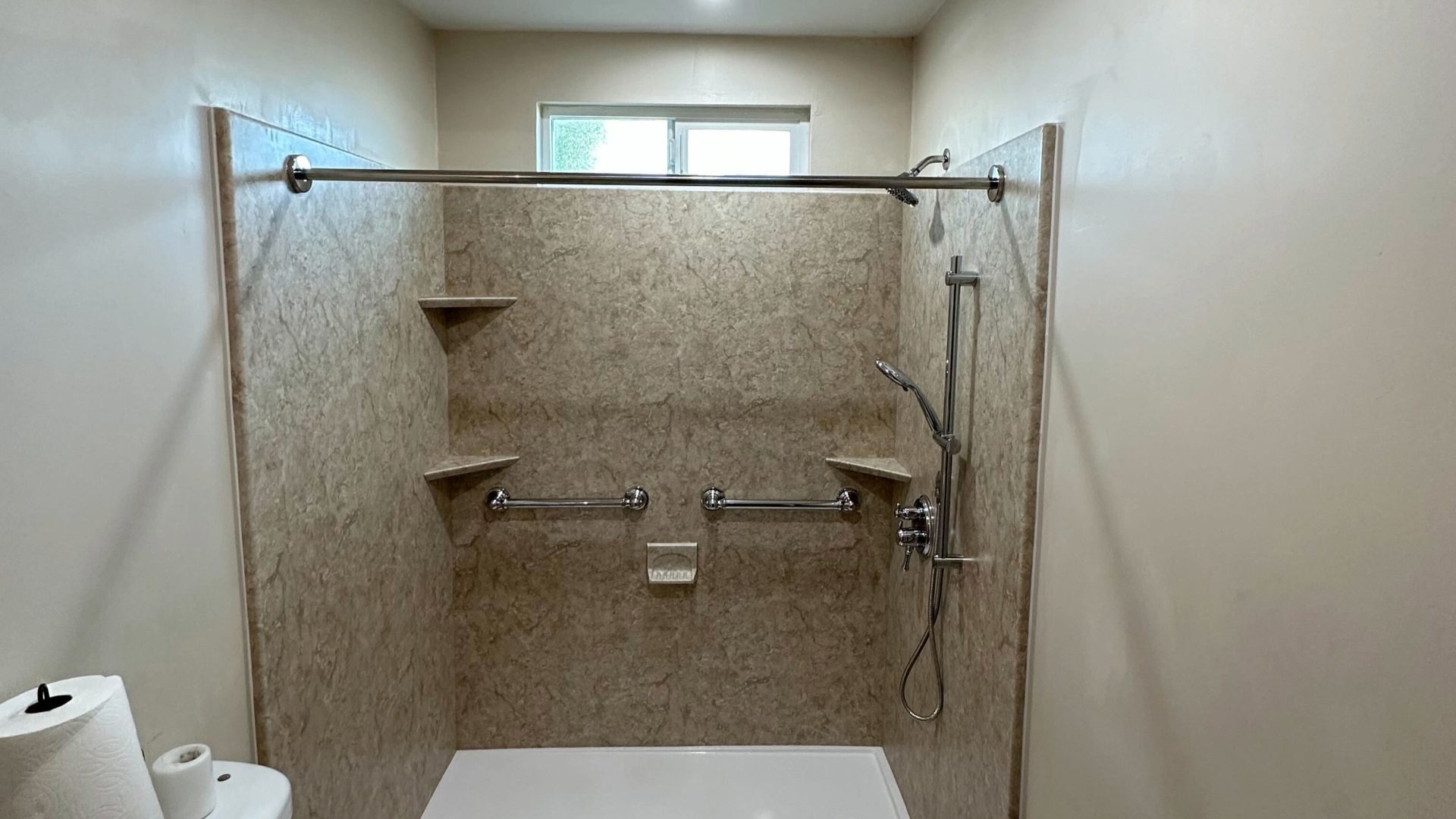
Grab bars are the most important addition, as they provide a point of contact when getting in or out of the shower. They also help with sitting, standing, and overall balance while showering.
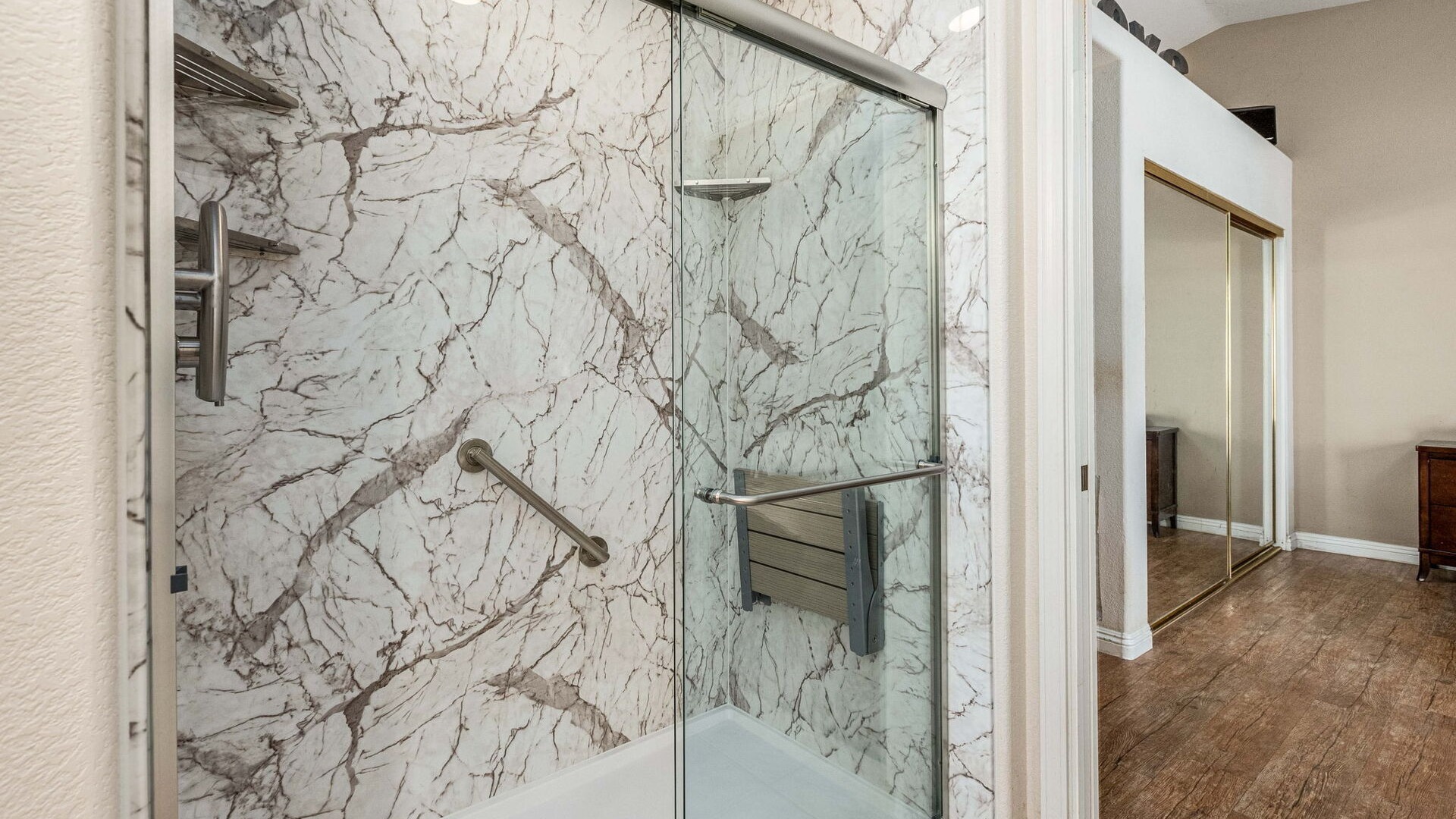
A standard recommendation is two grab bars. One at the entry point and another inside the shower.
If you aren’t ready to install grab bars now, you can have a backing installed during a shower remodel. That way, the wall can properly support the weight you would apply to a grab bar when you add one later.
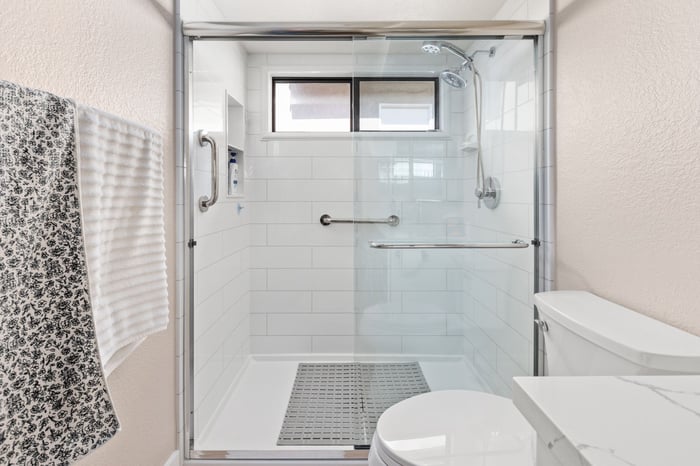
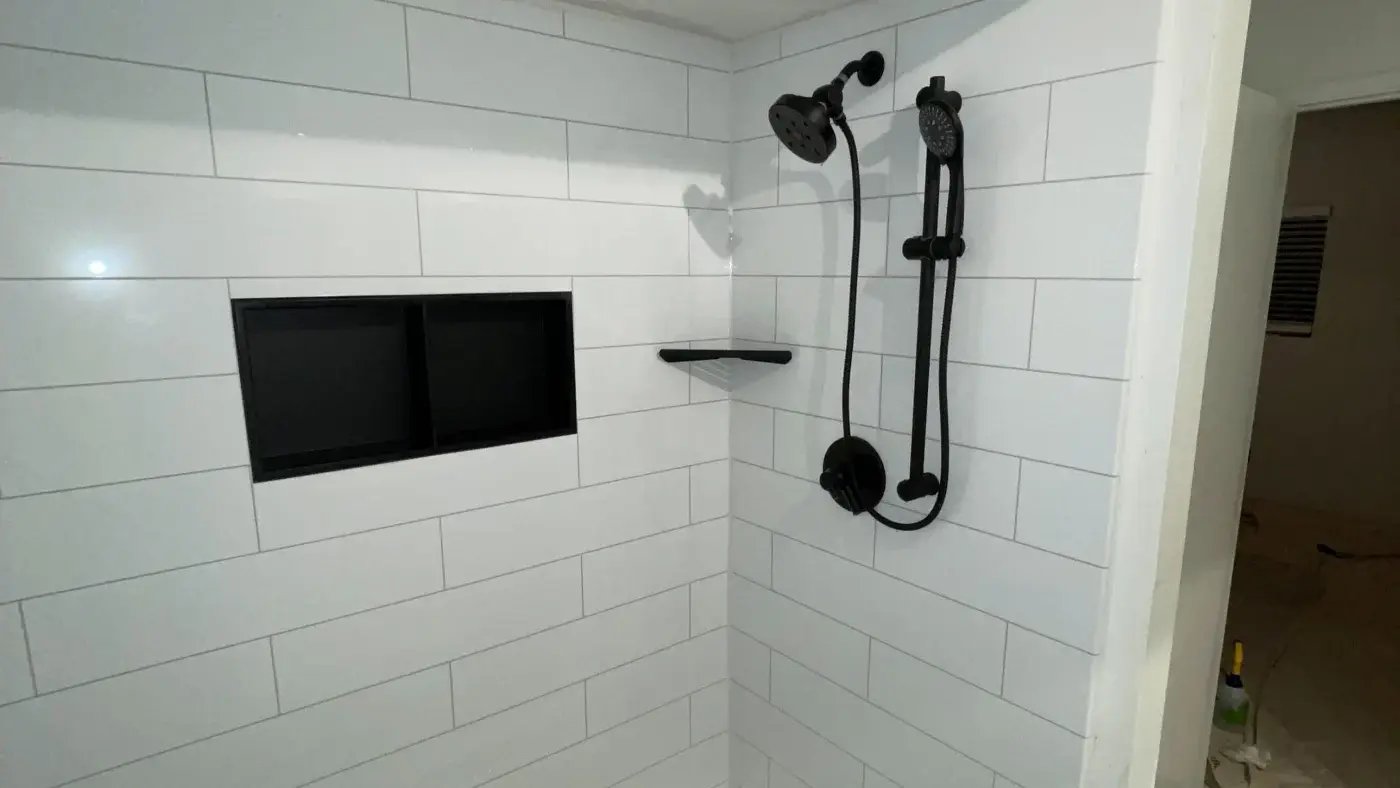
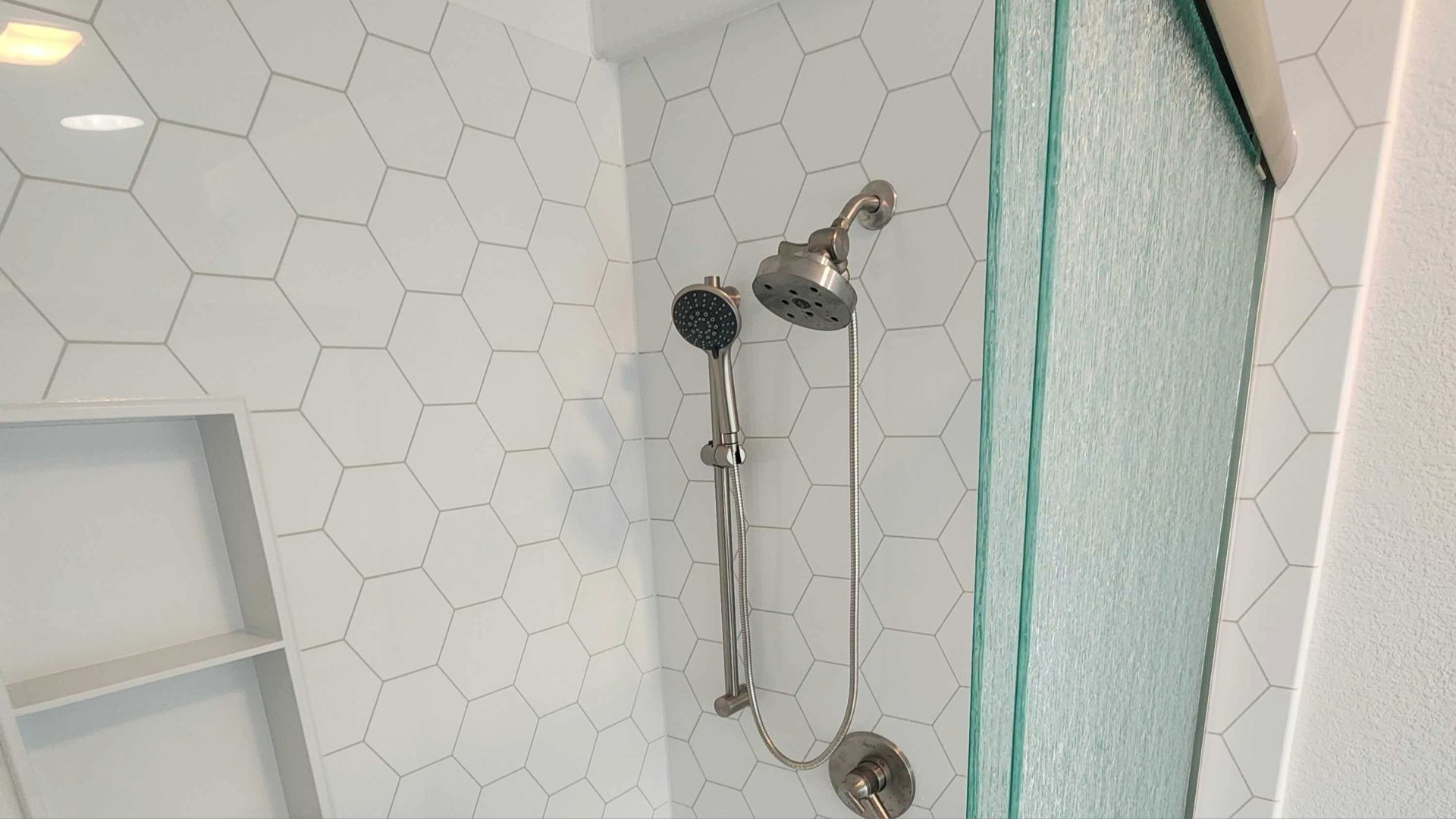
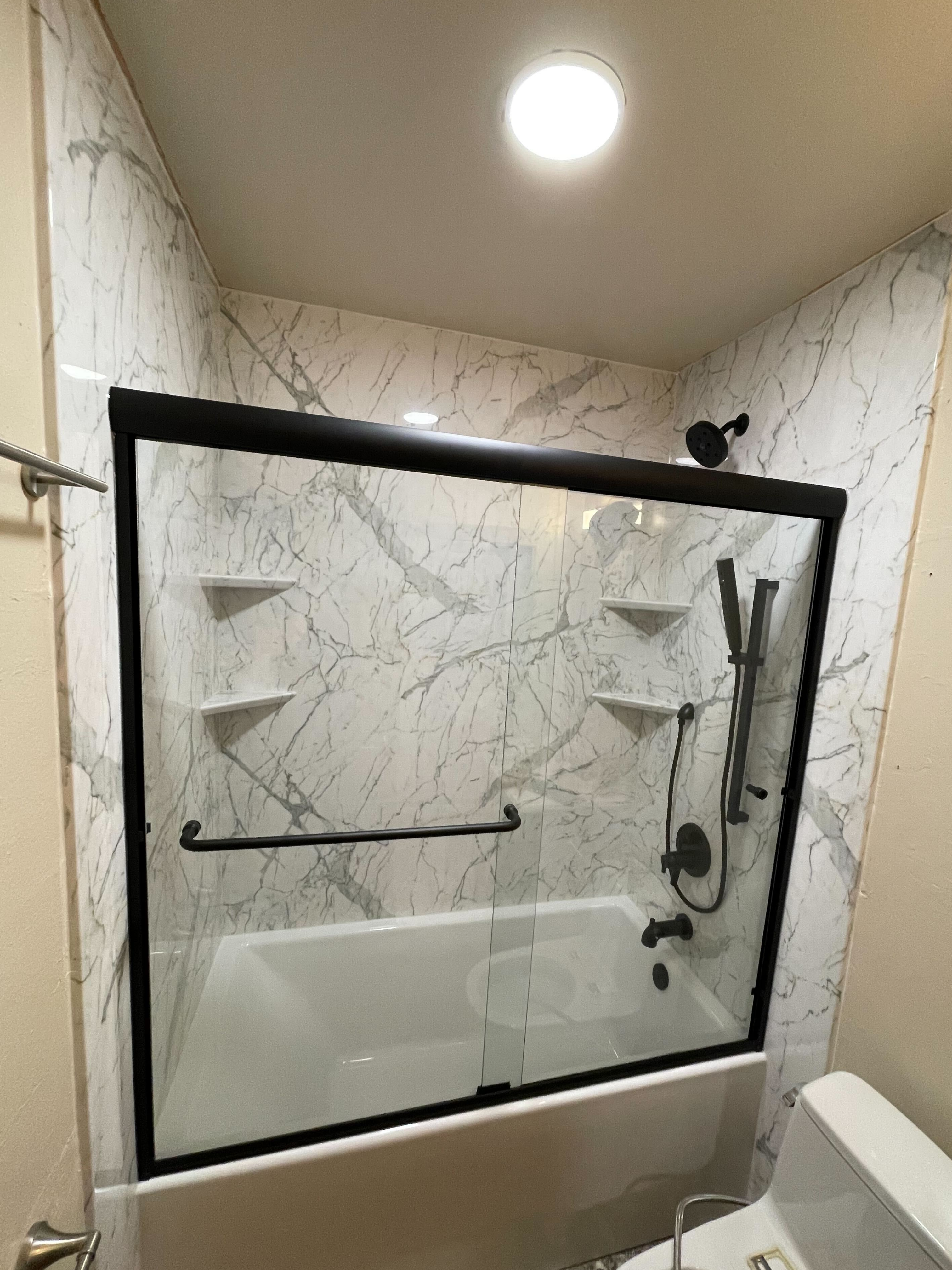
An ADA slide bar provides an adjustable showerhead mounted on a vertical rail. It’s built to handle the weight you put on it and acts as a point of contact while you shower. You can position where you want the water to land.
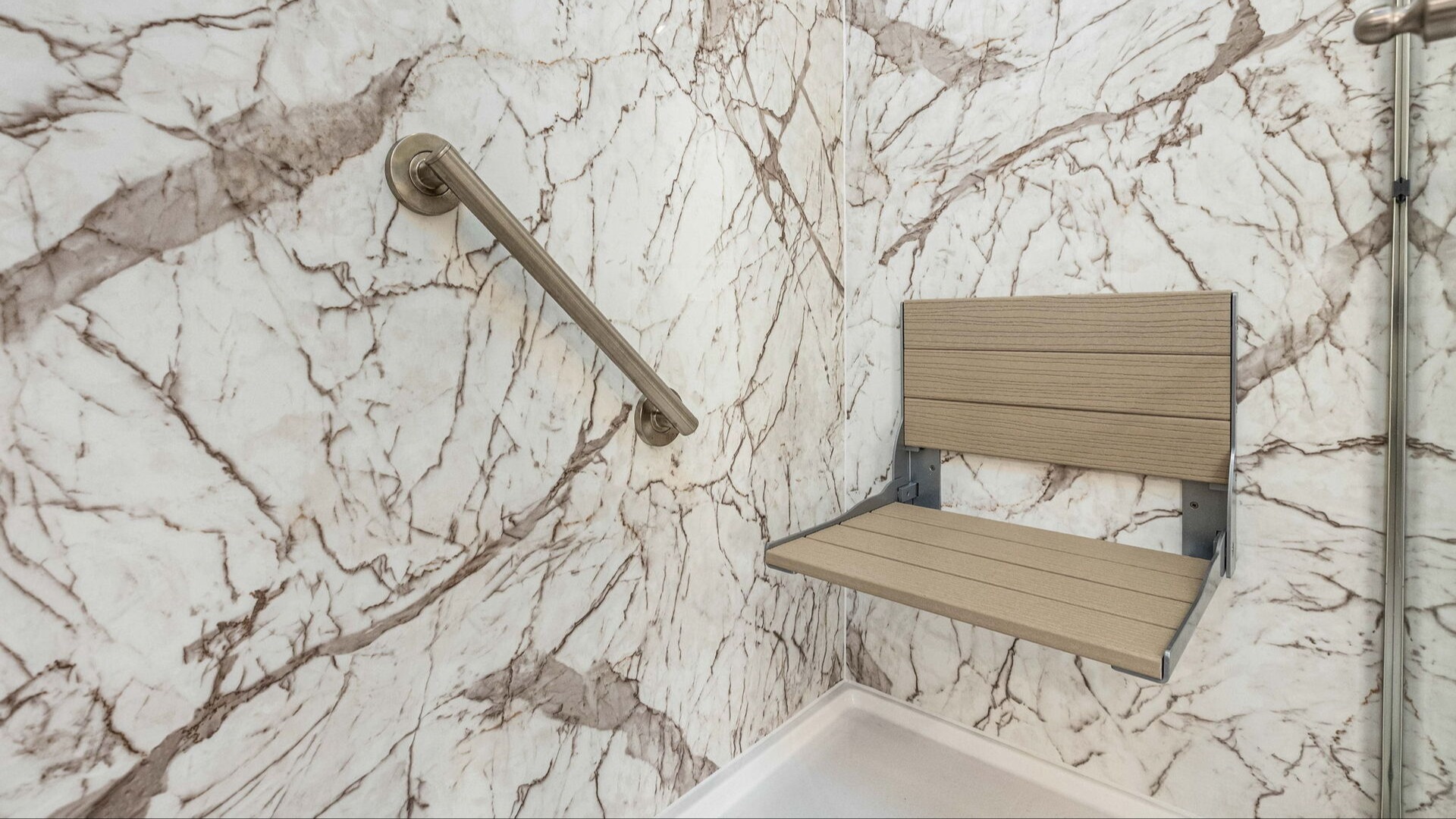
Shower seats are worth using if standing for the full duration of a shower is tiring or difficult. A portable seat can be moved wherever it works best. That said, you need to make sure the seat is secure.
A built-in seat is fixed in one spot, secured into the shower, and meant to support your weight. You can get a permanent shower bench, a corner seat, a folding seat, or a custom seat.
Anti-slip strips on the shower base are a straightforward upgrade. Shugarman’s Bath installs these at no extra charge if the surface feels too smooth after your remodel.
Should You Install a Door or a Curtain for Your New Shower?
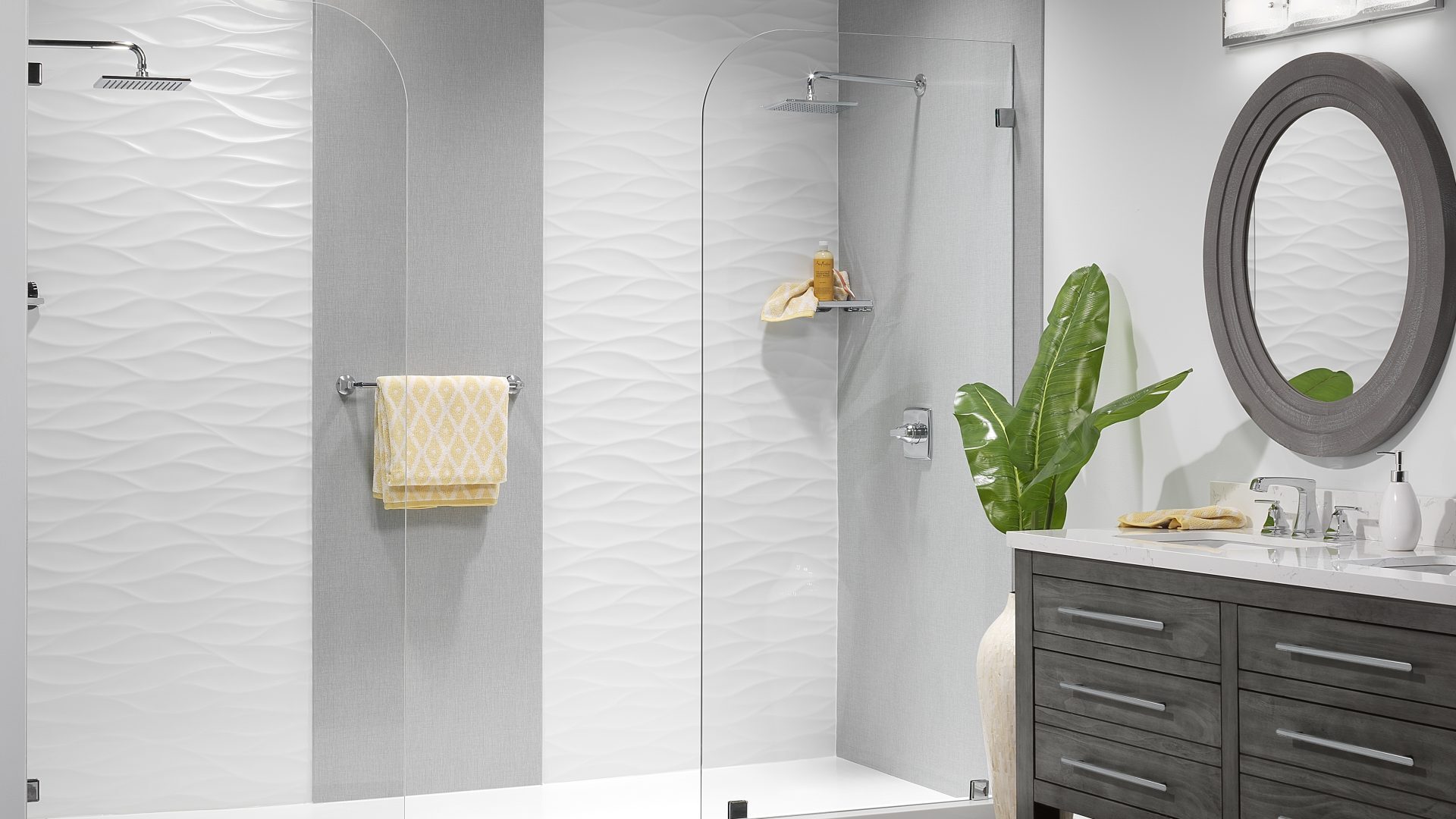
It depends on what you’re trying to achieve. Properly installed shower doors look great and let you appreciate how your new shower complements your bathroom. That said, a shower door leaves about 24 inches of clearance when open. If you or someone you love needs a caregiver, the shower space may feel tight with glass doors.
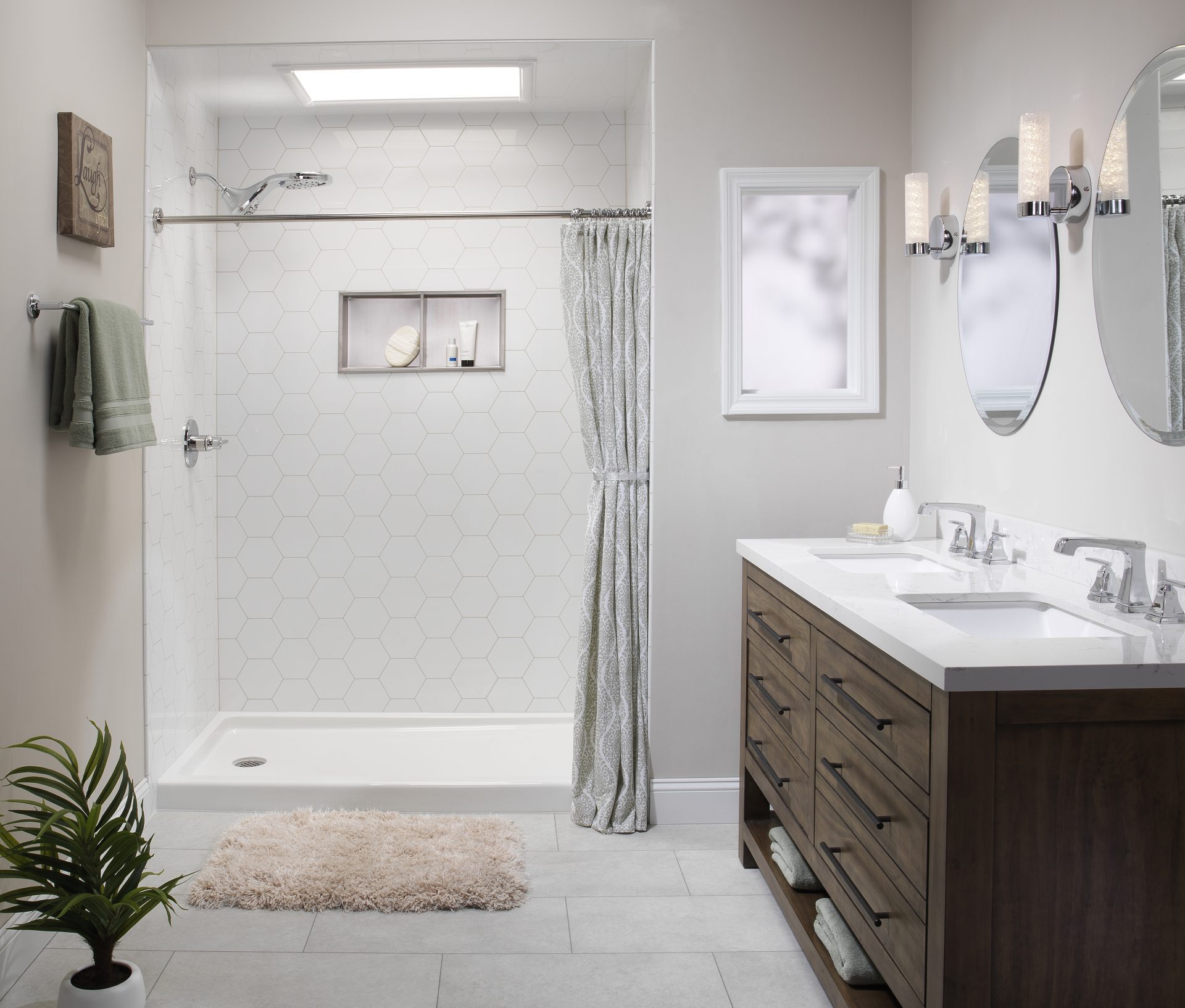
A curtain might be the more practical choice if you or someone else needs help bathing. A curtain might not look as aesthetically appealing, but it can be pulled completely out of the way to make the full width of your shower more accessible.
Does Your Home Need a Tub-to-Shower Conversion?
A tub-to-shower conversion is one of the most direct ways to make your tub and shower area safer. Removing the tub threshold makes it much easier to get in and out of your shower. The tub in your home shouldn’t feel like a risk in your day-to-day.
Now that you know how a tub-to-shower conversion makes your space safer, learn more about the benefits of a tub-to-shower conversion.
Looking to convert your tub into a walk-in shower? Schedule a free consultation with Shugarman’s Bath to see if a tub-to-shower conversion would work well for your space.

The opinions expressed in the referenced materials are those of the authors only, not necessarily of Shugarman’s Bath. While these referenced materials are useful in answering generalized questions, each bathroom is unique. For a particular question about your tub or shower remodeling project, contact your Shugarman’s Bath consultant.
-1.jpeg?width=1920&height=1080&name=CherylJordan_Web7%20(1)-1.jpeg)
-1.jpg?width=1920&height=1280&name=AmandaCheyney_Print2%20(1)-1.jpg)