

What Matters Most
|
Water might be staining your ceiling, or you’re experiencing that musty smell that won’t go away. It could be that your tile is looking uneven or swollen.
What does this mean? It’s likely that there’s a leak you didn’t know you were dealing with. Leaks are a problem that feels small… until they aren’t. The thought of that can be overwhelming, especially with the amount of damage water can cause behind walls. That, and leaks can cost you tons of money in repairs.
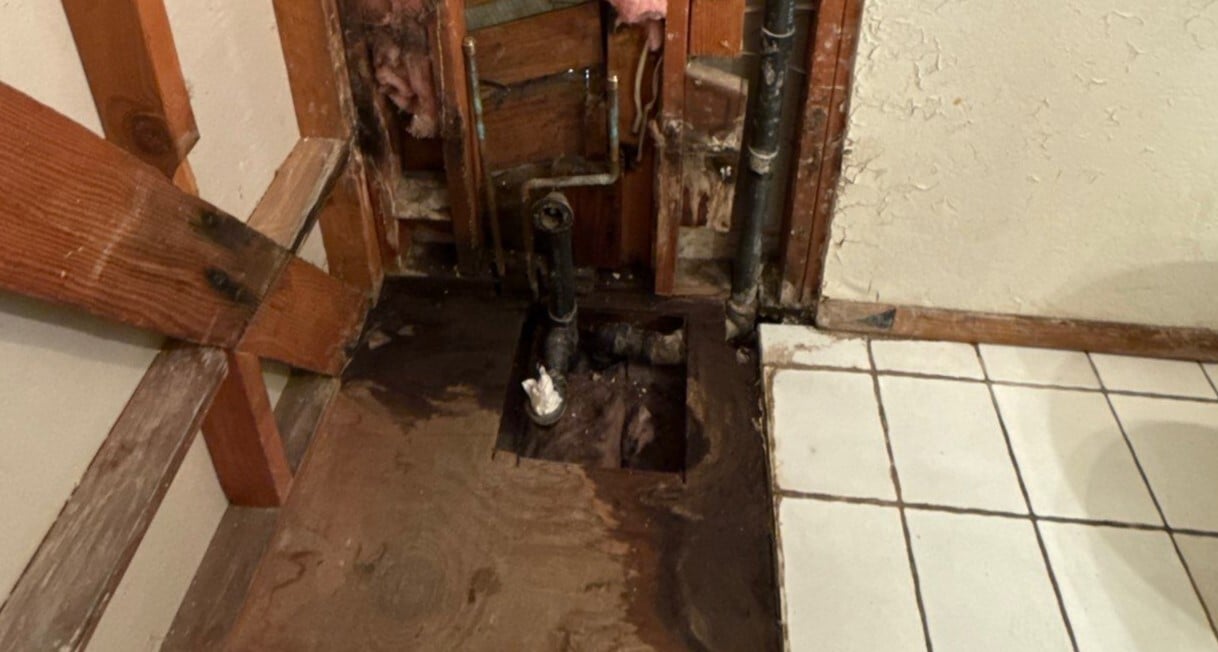
As a tub and shower remodeling specialist, we’ve seen how easy it is for these issues to stay hidden. We demo the tub and shower area and see the extent of the damage leaks can cause to a home. We’ve seen how “finished” looking showers can hide failing valves, cracked gaskets, or poor waterproofing that lets water go where it shouldn’t. We understand the stress that leaks can cause in the area, whether they’re happening in an older home or a newer installation.
This article will help you see the warning signs of a leak. You’ll understand the likely sources of the problem and determine whether it’s time to bring in a professional to inspect your tub and shower area.
Table of Contents:
- What Are the Common Signs of a Leaking Tub or Shower?
- Where are the Shower and Tub Leaks Coming From?
- Are Leaks More Likely To Happen in Older Bathrooms or New Installations?
- What Happens If a Small Leak is Left Untreated?
- What Can I Do If I Think There’s a Leak?
- When is the Time to Call a Professional?
What Are the Common Signs of a Leaking Tub or Shower?
Some leaks are very apparent, while others might not be seen until the damage has already been done to your home.
Here are the most common warning signs:
- Water stains or dark patches on the ceiling or below the bathroom
- Bubbling, peeling, or soft paint around the tub or shower
- A musty smell that never seems to go away
- Dripping or puddles around the base of the tub or shower
- Tile that looks swollen, loose, or uneven.
Keep in mind that it can be one of those signs, or a mix of them. Sometimes the only clue is a damp, musty odor coming from behind a shower wall.
Where are the Shower and Tub Leaks Coming From?
Most leaks begin at connection points. These are areas such as corners, fixtures, and places where you put grout. These points tend to shift and flex, creating gaps for water to seep through.
The most common leak sources include:
- Valves behind the wall
- Drain Assemblies under the tub or shower base
- Corners and seams
- Grout lines in tile showers
- Shower head and other wall openings
- Failed tile shower pan
- One-piece systems are cracked or lacking a gel coat
- Windows and window ledges
- From loose or improperly applied trim pieces
These areas handle pressure, movement, and moisture during shower use. Over time, seals weaken, and water sneaks out of the area.
Can Cracked Grout or Missing Silicone Cause Real Leaks?
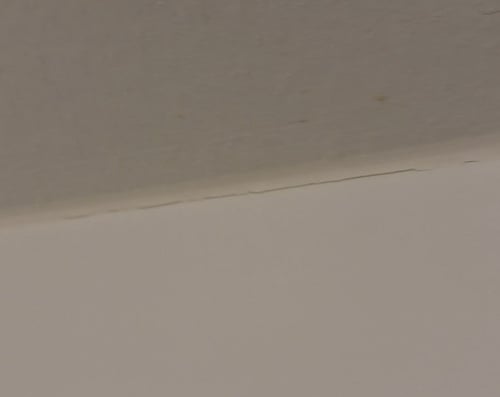
Yes, and it is a common cause. Cracked grout and missing silicone allow water to pass straight through to the wall. Once water gets behind the wall, it can soak the wood, weaken the structure, and push tiles outward. In several cases, tiles can loosen or even fall off the wall.
Cracked grout can cause a leak or be a visible warning sign that something deeper is happening behind the wall.
Sealer on the grout prevents water absorption, moisture, and vapor transmission.
Why Do Valves and Drains Cause So Many Leaks?
Valves and drains are common leak points because they create openings in the wall and floor systems that are meant to keep water contained. When these areas aren’t installed, secured, or sealed correctly, even small issues can lead to hidden damage over time.
Valve Leaks Behind a Wall
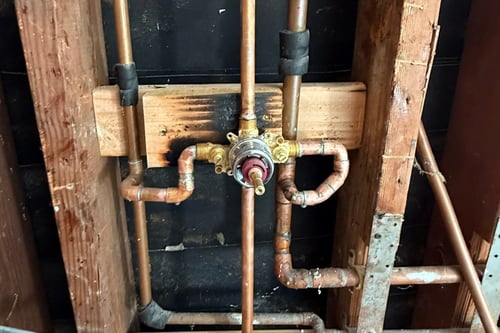
Shower valves sit behind the wall where multiple water lines connect and control temperature and flow. Most valve problems are visible, such as dripping from the shower head or tub spout caused by a worn cartridge, and typically don’t lead to structural damage. A cartridge is a replaceable internal valve part that controls water flow and temperature, and it’s usually a straightforward repair.
Hidden leaks usually occur when a valve wasn’t properly secured during installation. If a valve shifts when turned, that movement can stress the plumbing connections behind the wall. Over time, those connections can loosen, allowing water to leak where it can’t be seen. In some cases, the trim plate and seal around the valve can mask the problem, keeping surface water out while damage continues behind the wall.
Drain Leaks Beneath the Surface
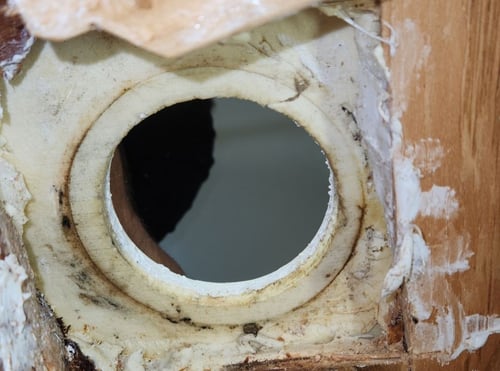
Drains are another common failure point because they’re under constant use and weight. Many bathtub drains are sealed with plumber’s putty, which can dry out, crack, or fail as a home ages. Drains that were overtightened during installation can also damage the gasket. This can lead to slow leaks beneath the tub or shower.
One common sign of a drain issue is a tub that slowly loses water even when the stopper is closed. While this doesn’t always mean there’s hidden damage, it can indicate the seal is failing and should be inspected.
Are Leaks More Likely To Happen in Older Bathrooms or New Installations?
Unfortunately, leaks happen with both. An older bathroom might have aged materials, and a new installation might have had a poor-quality installation job.
How Does Aged Plumbing Cause Leaks?
Older pipes tend to wear down over time. San Diego and Orange Counties have homes with older cast iron pipes, which are susceptible to rust, material buildup, and constant water pressure that weakens the metal.
Even well-maintained plumbing from the past can fail over time due to age and daily use.
How Can Installation Errors Cause Leaks? Why Does It Matter?
Even with the best materials, new bathrooms can leak if anything wasn’t installed properly. Poor sealing, missing waterproofing steps, and loose connections can cause leaks, even when the materials are brand new. A bathroom and shower might look pristine on the surface, but everything behind the walls is being damaged by water.
A poorly installed new bathroom can often perform worse than a well-installed older bathroom. A quality installation controls where the water goes. Bad installation lets water go where it wants.
What Happens If a Small Leak is Left Untreated?
Well, let’s put it this way: small leaks rarely stay small. And it’s not going to be a good time.
Water trapped behind walls leads to wood rot, weakened framing, and serious structural damage. Moisture also creates biological growth, including mold. Mold will, for sure, affect indoor air quality and can cause health problems.
The longer a leak continues, the more expensive and invasive the repair will be. Catching a leak early can often save you thousands of dollars.
What Can I Do If I Think There’s a Leaking Shower or Bathtub?
Here are simple steps you can take:
- Look closely at seams, corners, and grout lines.
- Check for soft spots in nearby drywall.
- Watch for new stains after using the shower.
- Use a basic moisture meter on the surrounding walls and floors.
- You can buy a good-quality moisture meter online or at a home department store. Decent models are fairly inexpensive.
- Call a plumber if anything looks suspicious.
When is the Time to Call a Professional For Your Leak?
Leaks appearing on the surface can be a simple fix, such as tightening a loose shower arm or replacing a leaky cartridge. The same can’t be said for damage behind the walls. You don’t know the extent of the damage until the wall is opened.
If you suspect water is behind your wall, you have high moisture readings using a moisture meter, or there is a musty smell that doesn’t go away, you need to call a professional.
Don’t Wait For a Small Leak to Become a Big Problem
A leak can threaten your home, your wallet, and your peace of mind. Water escaping from your valves, drains, or cracked grout lines can cause wood rot and mold if left untreated. Many homeowners don’t have an issue until the damage has been done. Catching it now is the best way to prevent a small problem from becoming a larger disaster.
Simple steps like checking for soft spots or using an inexpensive moisture meter can give you a better idea of what’s happening behind those walls. You don’t need to know exactly where the water is coming from or how far it’s spread. Again, contact a professional if water is present.
Next, read about what you can do to make your wet tub or shower area safer.
If you have any questions about what’s going on with your tub and shower area, contact us with any questions you might have.

FAQs Related to Leaks:Q: Does Shugarman's Bath Do Repair Work?No, Shugarman's Bath does not do general repair work. The reason is that repairs are temporary fixes that buy time but do not solve the underlying problem. Most homeowners end up paying for the same repair more than once, or eventually replacing the materials anyway after spending money trying to maintain them. Q: Do you remodel the whole bathroom or just the tub and shower area?We're specialists in the tub and shower area. That's where our focus stays. For other parts of your bathroom, we work with trusted contractors regularly and can refer you to the right people at no extra charge. That referral can save you 10-20% on a larger project. |
Topics:
