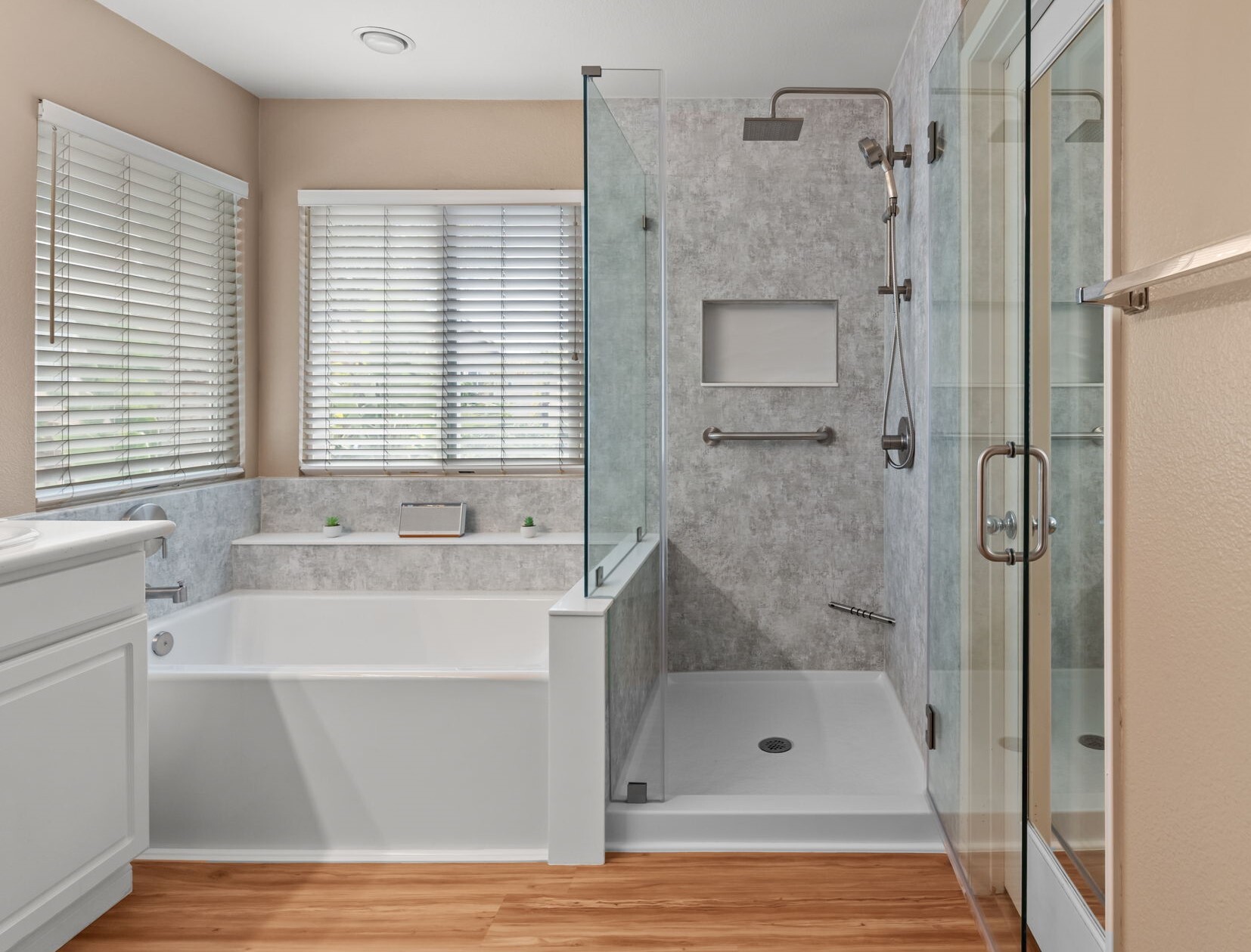

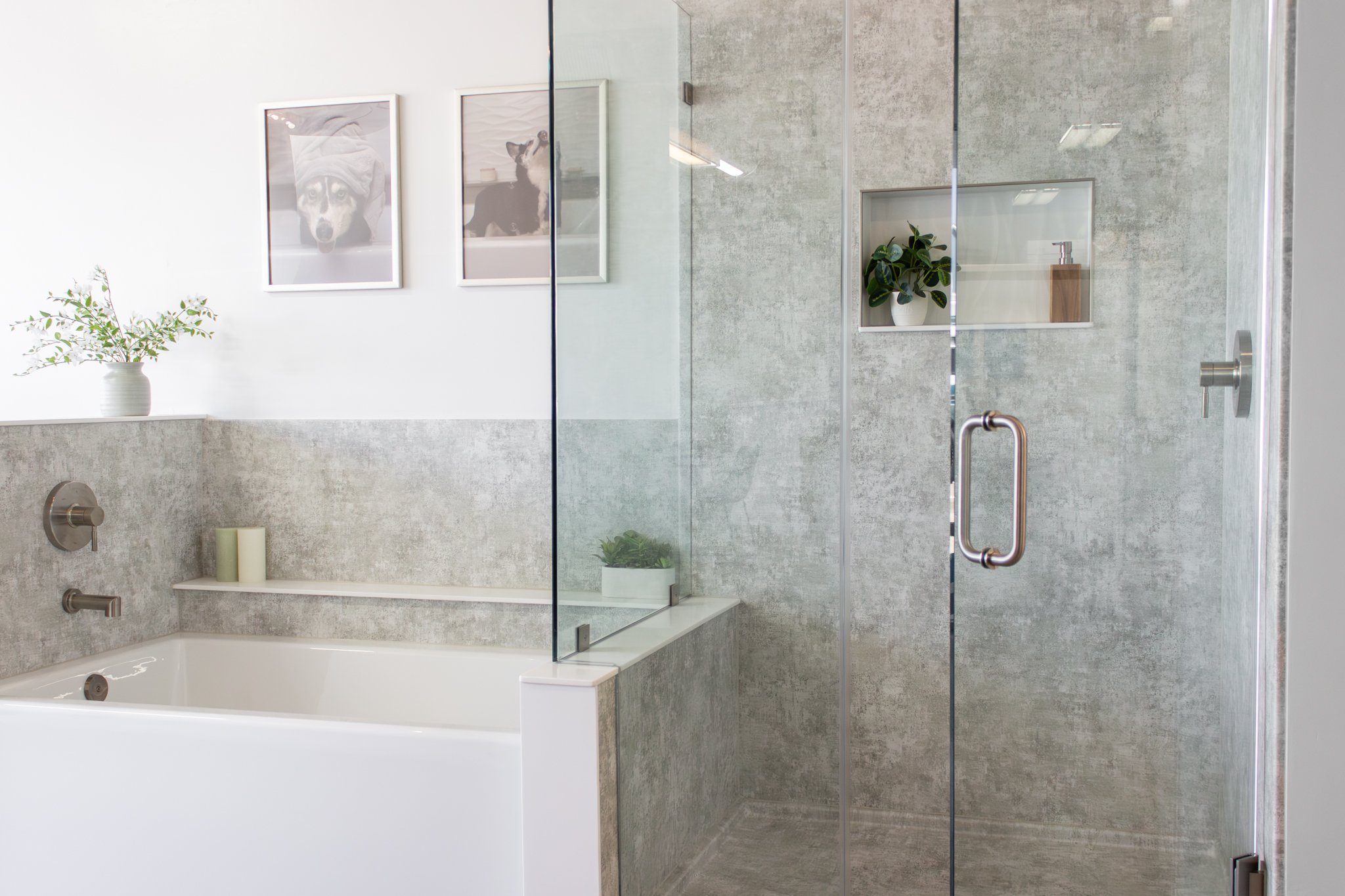
What Matters Most
|
Are you someone who feels like you’re losing hours of your life on a Saturday scrubbing grout lines, fighting soap scum, or wondering why you can’t clean your shower? Well, shower wall materials aren’t created equal. They’ll look great and be easy to manage at the beginning, but they can eventually become time-consuming, high-maintenance projects that take hours away from your life, your day, and your family.
Shugarman’s Bath has an excellent understanding of these materials, especially as a tub and shower remodeling specialist. We see these materials every day, and which ones cause the most frustration for homeowners. It always comes down to how materials handle moisture, stains, and long-term wear.
This article will rank shower wall materials by maintenance requirements, from highest to lowest. You’ll learn which surfaces essentially take care of themselves and how the right materials and professional installation can protect your home for a lifetime.
Table of Contents:
- What Does “Low Maintenance” Mean For Shower Walls?
- Why Are Some Shower Materials Easier to Maintain Than Others?
- Which Shower Wall Materials Rank From Highest to Lowest Maintenance?
- Rank 5: Why is Tile and Grout the Highest-Maintenance Shower Material?
- Rank 4: Why Does Natural Stone Require So Much Maintenance?
- Rank 3: Why Is Fiberglass Difficult to Maintain Over Time?
- Rank 2: How Do Acrylic and Cultured Marble Compare for Maintenance?
- Rank 1: Why Is BP-Cor2 the Lowest-Maintenance Shower Wall Material?
- Why Does Installation Matter as Much as the Material Itself?
What Does “Low Maintenance” Mean For Shower Walls?
When most people say they want a material that’s “low maintenance,” this is what they mean:
- Less time spent cleaning
- Less effort scrubbing
- Fewer repairs over the years
- Fewer seal failures
- Strong resistance to moisture and staining
- Long-term durability without special upkeep
- Minimal risk of water damage behind the walls.
A low-maintenance shower is one that almost seems to take care of itself. You don’t have to lose a day with your loved ones because you’re so busy cleaning the tub and shower area.
Why Are Some Shower Materials Easier to Maintain Than Others?
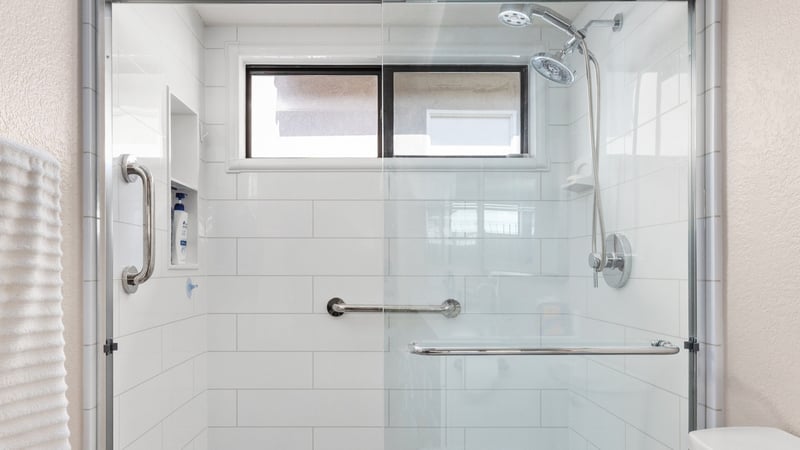
The largest reason is because of how porous some materials are. Porous materials soak in water, dirt, soap, oils, and bacteria. When those materials are soaked in, cleaning is more difficult, stains appear, and damage slowly starts inside the walls.
Non-porous materials don’t absorb moisture, so they tend to stay cleaner and last longer. Water and minerals aren’t absorbed. Non-porous materials are easier to clean with 409 and a simple wipedown. Much of the maintenance is in taking care of the seals and joints.
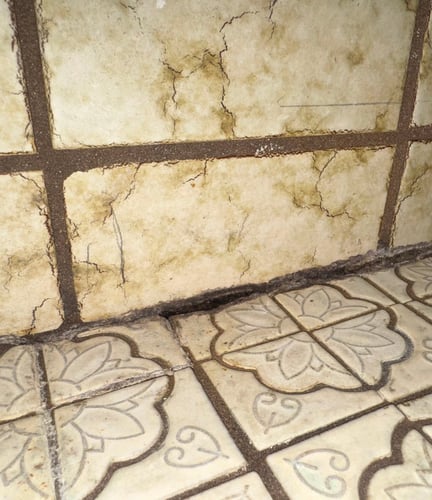
| Poorly-Maintained Tile and Grout | Well-Maintained BP-Cor2 |
 |
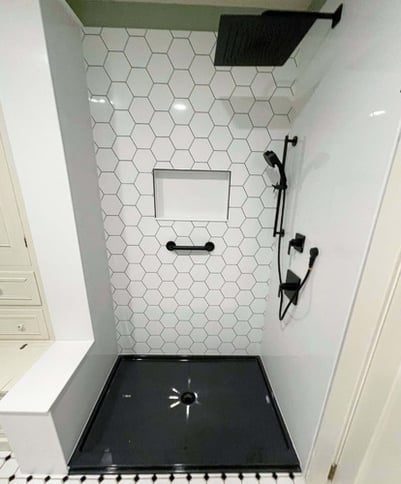 |
Which Shower Wall Materials Rank From Highest to Lowest Maintenance?
Here is a table ranking shower wall materials by maintenance requirements.
Higher Rank = Higher Maintenance.
Lower Rank = Lower Maintenance.
|
Material |
Cleaning Difficulty |
Long-Term Durability |
Overall Maintenance |
|
Tile & Grout |
Very High |
Low–Medium |
Highest |
|
Natural Stone |
Very High |
Medium |
Very High |
|
Fiberglass |
Low → High after a few years |
Low–Medium |
Medium–High |
|
Acrylic / Cultured Marble |
Low–Medium |
Medium–High |
Low–Medium |
|
BP-Cor2 |
Low |
High |
Lowest |

Rank 5: Why is Tile and Grout the Highest-Maintenance Shower Material?
Tile looks beautiful when it’s installed, but it requires the most work.
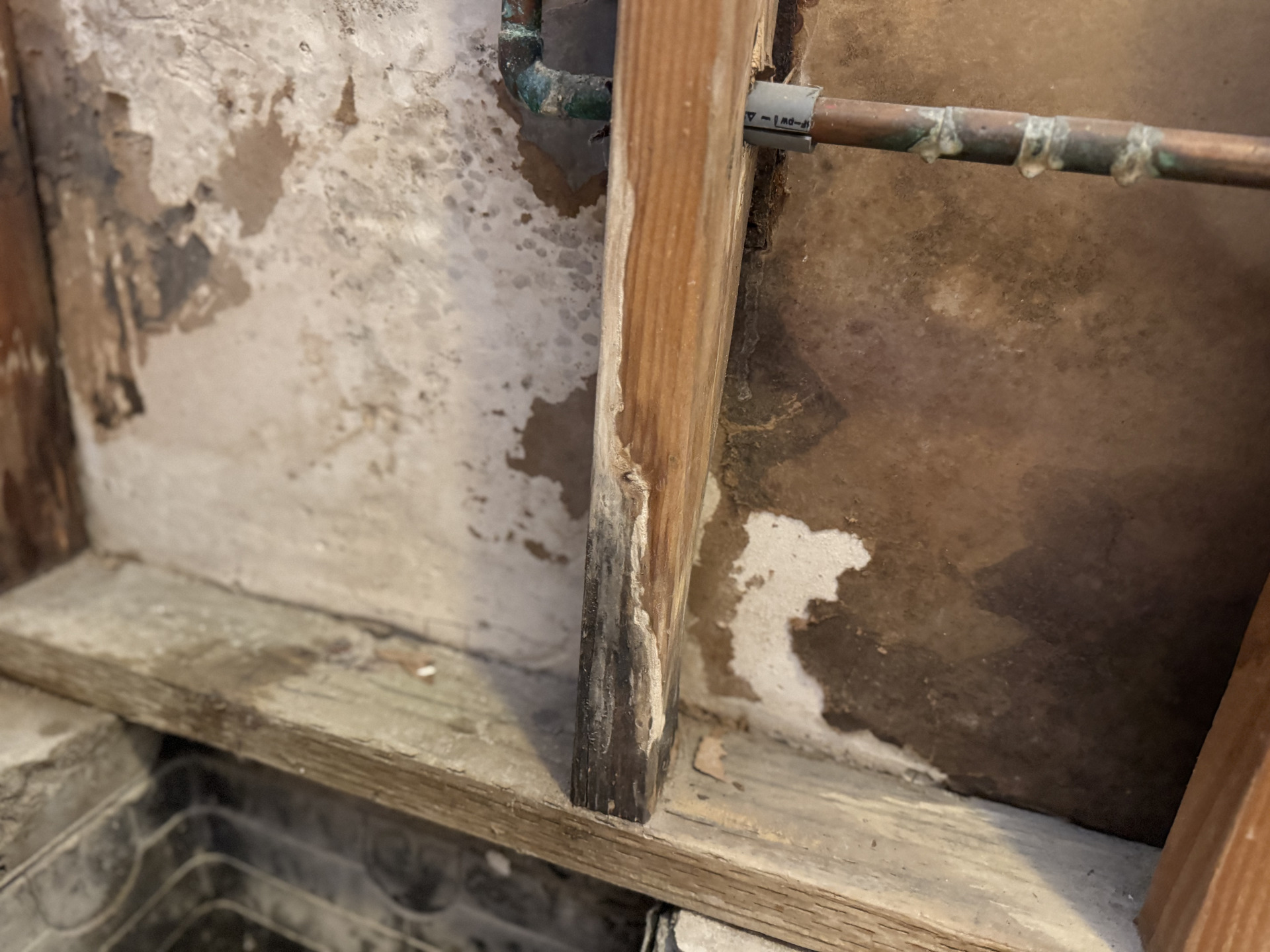
The grout used to keep tile in good shape is porous, absorbing water, soap, bacteria, and allowing for biological growth. Over time, moisture moves through the grout, into the walls, and begins damaging the structure behind the tile.
When cleaning, you really have to take time to scrub everything between the tiles. And it is seriously time-consuming. You’re occasionally spending a good part of a beautiful Saturday morning trying to keep the area clean.
Plus, grout needs to be sealed every year (but most homeowners don’t keep up with this). The process is messy, smelly, and time-consuming. The tub and shower area must be dry for days before sealing and remain unused for some time afterward. For many families, this can mean losing the shower for a week or more each year.
Cracked grout and missing sealant often became the warning signs of a larger problem behind the shower walls.
Rank 4: Why Does Natural Stone Require So Much Maintenance?
Natural stone absorbs moisture the same way rock does outdoors. A shower usually uses around 17.2 gallons of water. When exposed to daily water, the stone must be sealed annually to prevent water from entering the stone. Without proper sealing, the stone can discolor from the inside out, stain easily, and weaken over time.
Oh, and natural stone is sealed with grout. You may encounter similar problems to those you would with tile.
Stone is also difficult to install. So, there could be screwups during the installation. Repairs can be more complex and expensive when problems happen.
While it’s luxurious, it’s a difficult surface to live with long-term.
Rank 3: Why Is Fiberglass Difficult to Maintain Over Time?
Fiberglass starts out super easy to clean. The surface has a protective gel coat that resists moisture and dirt. But like all things, time gets the best of it. Repeated cleaning, especially with abrasive cleaners, slowly wears away the protective layer.
The micropores in the fiberglass begin to trap moisture, dirt, oil, bacteria, and other contaminants when the gel coat wears away. Cleaning is much more difficult when the gel coat disappears. The stains are generally permanent unless you hire a professional to clean the tub.
Fiberglass is low-maintenance initially. It becomes more frustrating to clean as it ages.
Rank 2: How Do Acrylic and Cultured Marble Compare for Maintenance?
Acrylic and cultured marble are generally non-porous, meaning they don’t absorb water. That factor makes cleaning a little simpler.
That said, the issues shift toward the seals and joints between panels. The seams must be properly installed and resealed over time. Thicker, higher-quality panels tend to last longer and resist damage better than thinner materials.
Acrylic and cultured marble are more rigid materials. They have more trouble adapting to movement and temperature changes. This means they’re more likely to crack or pull against the seams.
These materials offer a strong balance of durability and ease of maintenance when installed correctly.
Rank 1: Why Is BP-Cor2 the Lowest-Maintenance Shower Wall Material?
BP-Cor2 is a high-tech polymer acrylic that has several qualities that make it low-maintenance. The material is strong, flexible, and durable. Here are some of its qualities:
- It’s non-porous, meaning it doesn’t absorb moisture or stain.
- It’s durable and flexible, resisting cracking and movement.
- It’s easy to clean with a quick wipe down.
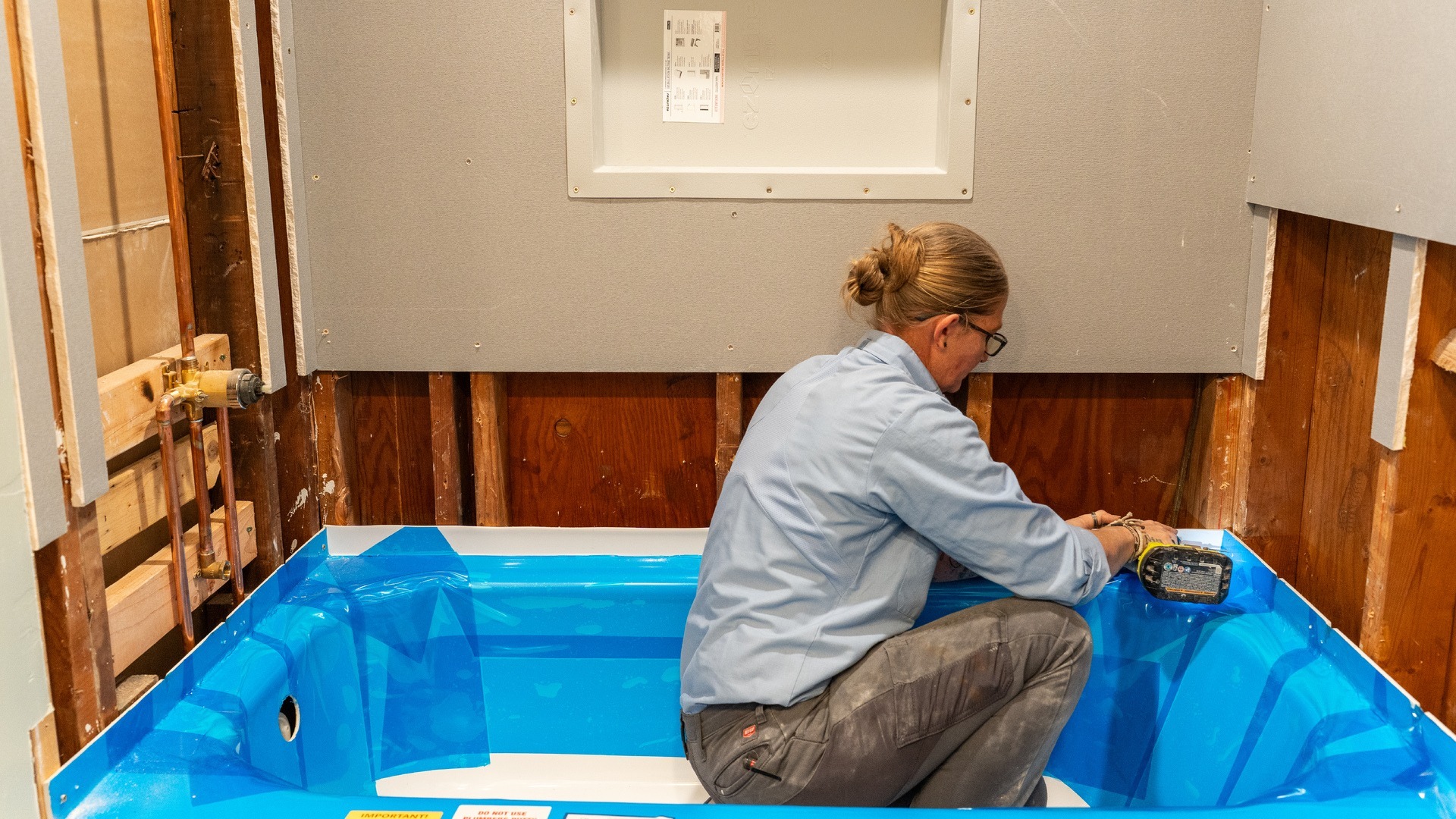
- With a four-layer never-leak system, the silicone sealant is mainly for aesthetics.
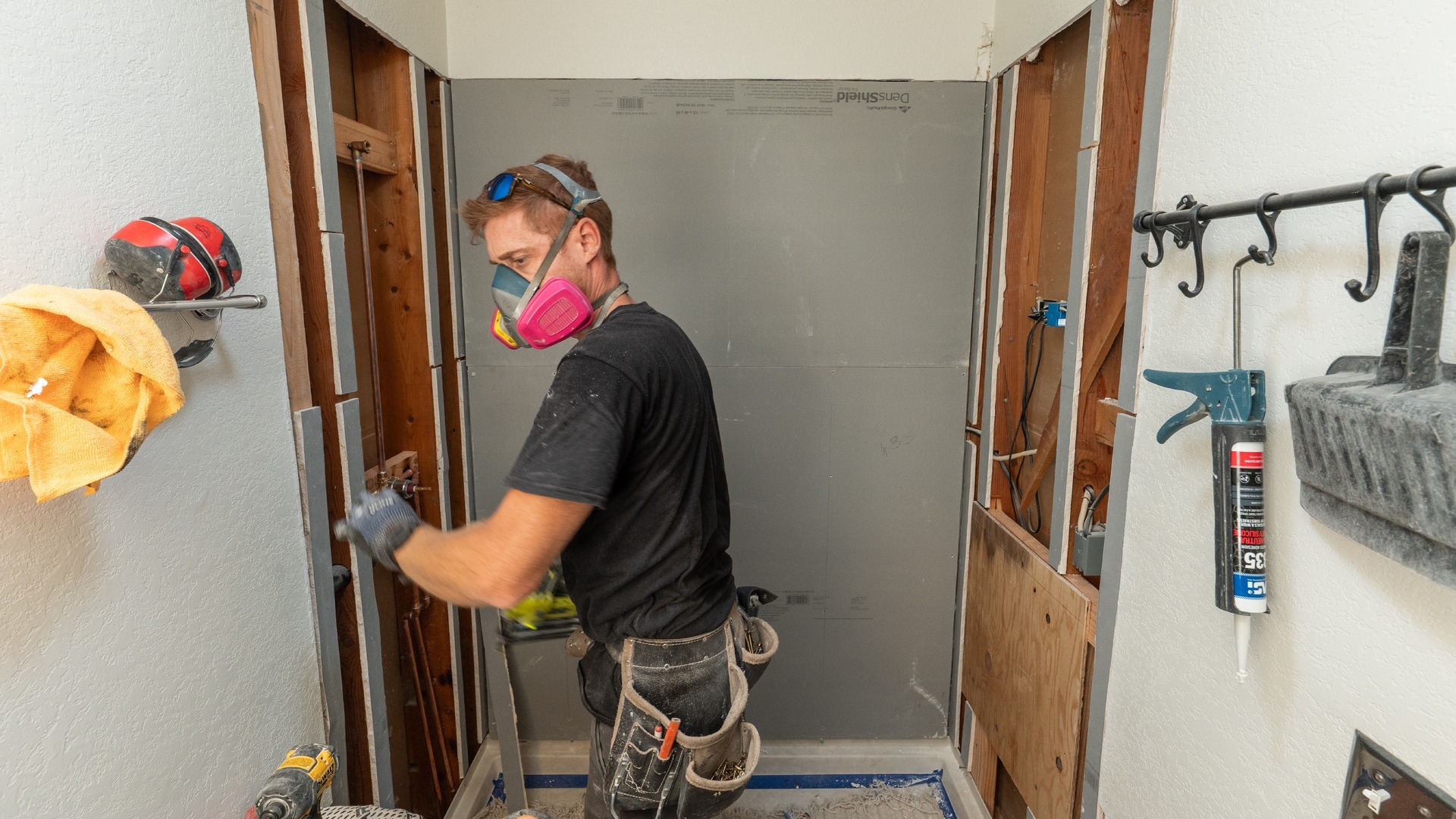
- Everything behind the surface walls is virtually waterproof because of the DensShield wall backer installed.
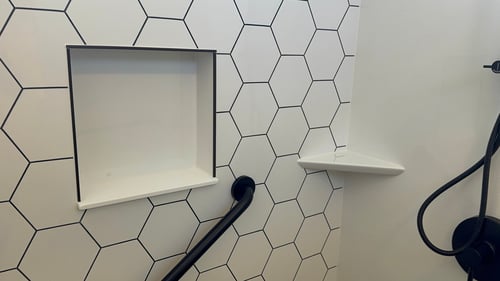
Pairing BP-Cor2 with proper backing and waterproofing reduces the risk of moisture intrusion, mold, and hidden damage. This combination is what makes it the easiest material for shower walls, built to last a lifetime.
Why Does Installation Matter as Much as the Material Itself?
Even the best quality materials can make a tub and shower area fail if the components are poorly installed.
Water intrusion is the biggest enemy to the area, leading to mold, rot, odors, and structural damage. That’s why you want to work with someone who can do proper sealing, install backing systems correctly, and can make sure the area is waterproof. Everything behind the walls is just as important as the surface you see.
See How the Best Materials Can Make Your Shower Walls Look
Not all shower wall materials are created equal. Some require extra time and effort to clean, while others are built to stay clean, resist moisture, and protect the tub and shower area for decades.
The differences come down to how porous and durable the materials are, along with how well the system prevents water from getting behind the walls. Choosing a shower wall material is about looking good, protecting the area, and ensuring easy maintenance.
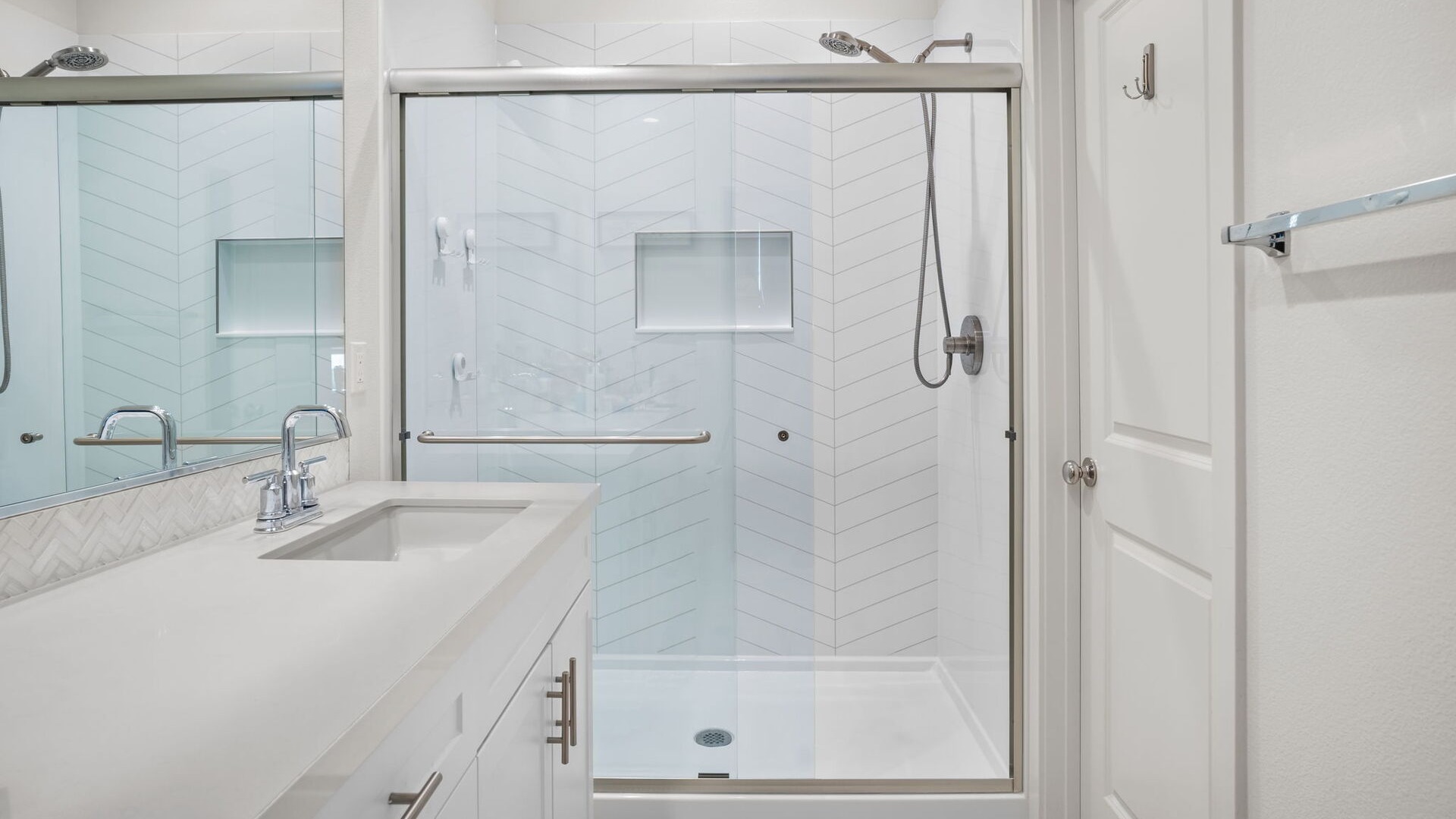
Next, read our article that compares standard acrylic shower walls and BP-Cor2. See the differences between each material.
Want to see how a high-quality, low-maintenance material can look in the tub and shower area of your bathroom? Have a look at Shugarman’s Bath’s Project Gallery to inspire your new look!
The opinions expressed in the referenced materials are those of the authors only, not necessarily of Shugarman’s Bath. While these referenced materials are useful in answering generalized questions, each bathroom is unique. For a particular question about your tub or shower remodeling project, contact your Shugarman’s Bath consultant.
FAQs About Shower Wall Materials:Q: Does Shugarman’s Bath use tile?Shugarman’s Bath doesn’t use conventional tile with grout. We use BP-Cor2 walls that are nonporous and antimicrobial. Grout lines can be laser-etched into the walls to give the look of tile without the extra labor and costs. Q: Does Shugarman's Bath Install Alternatives to Tile?Yes. Because we don't use conventional tile, Shugarman's Bath installs a BP-Cor2 modern shower wall system with a non-porous, antimicrobial surface. The grout lines are laser-etched, giving you the look of tile without the upkeep that comes with it. If you want to learn more, read our full breakdown of traditional tile vs. modern shower wall systems. Q: How many design options does Shugarman's Bath offer?Shugarman's Bath offers 500-600 color and style options, so you can find a combination that fits your bathroom and your taste. |
Topics:
.png?width=1920&height=1080&name=VERSUS%20(1).png)
.png?width=1920&height=1080&name=VERSUS%20(2).png)