What Matters Most
|
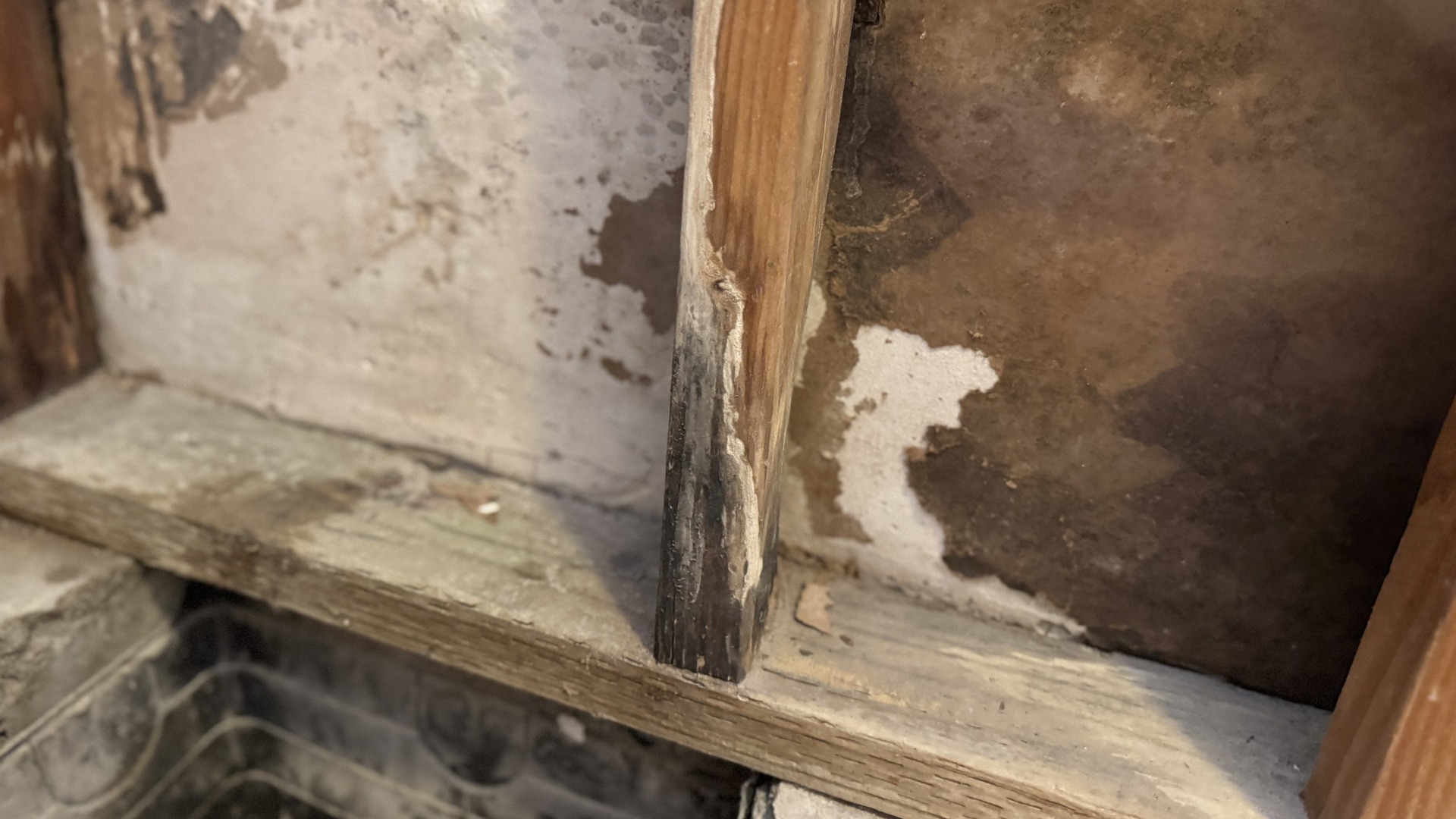
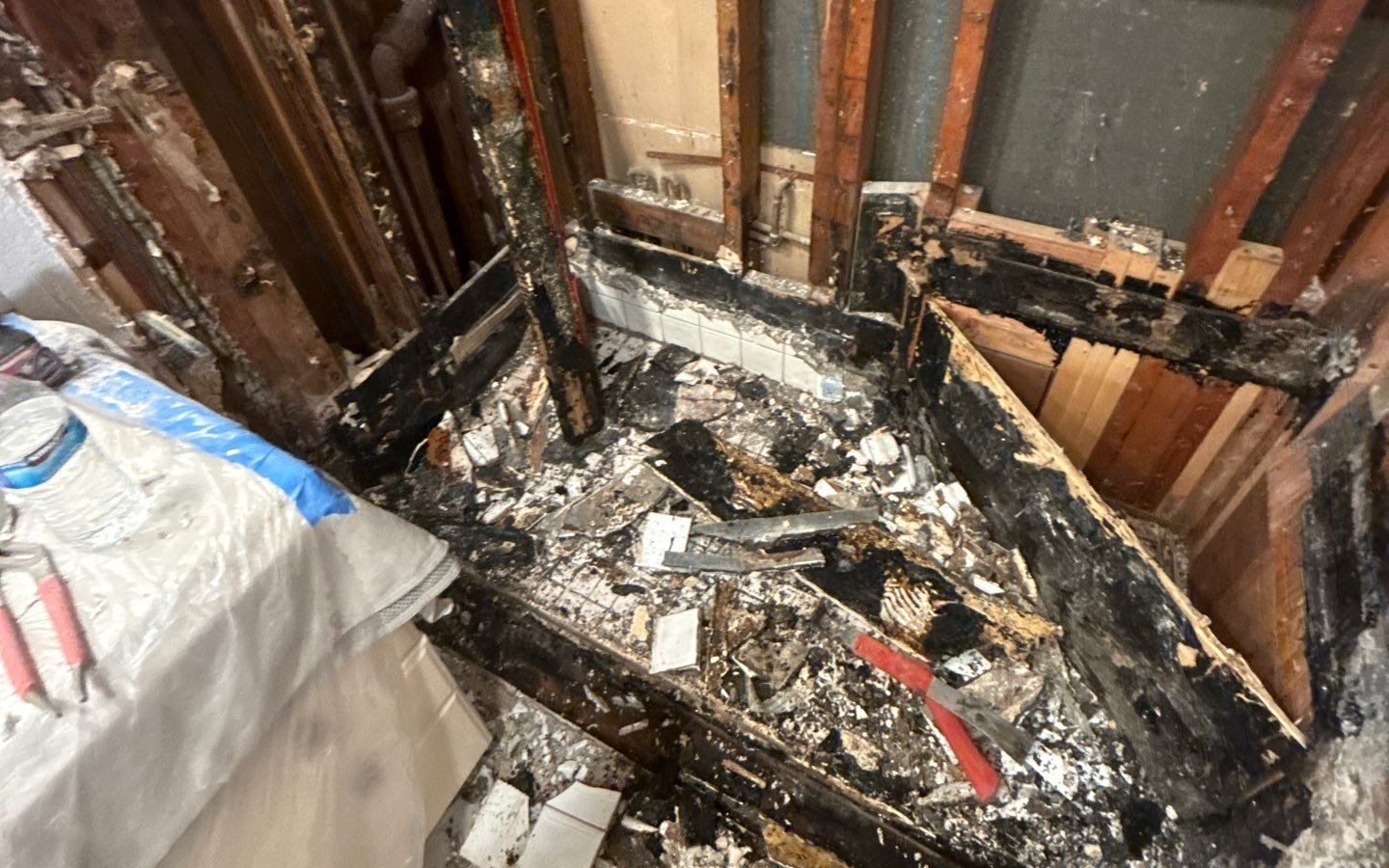
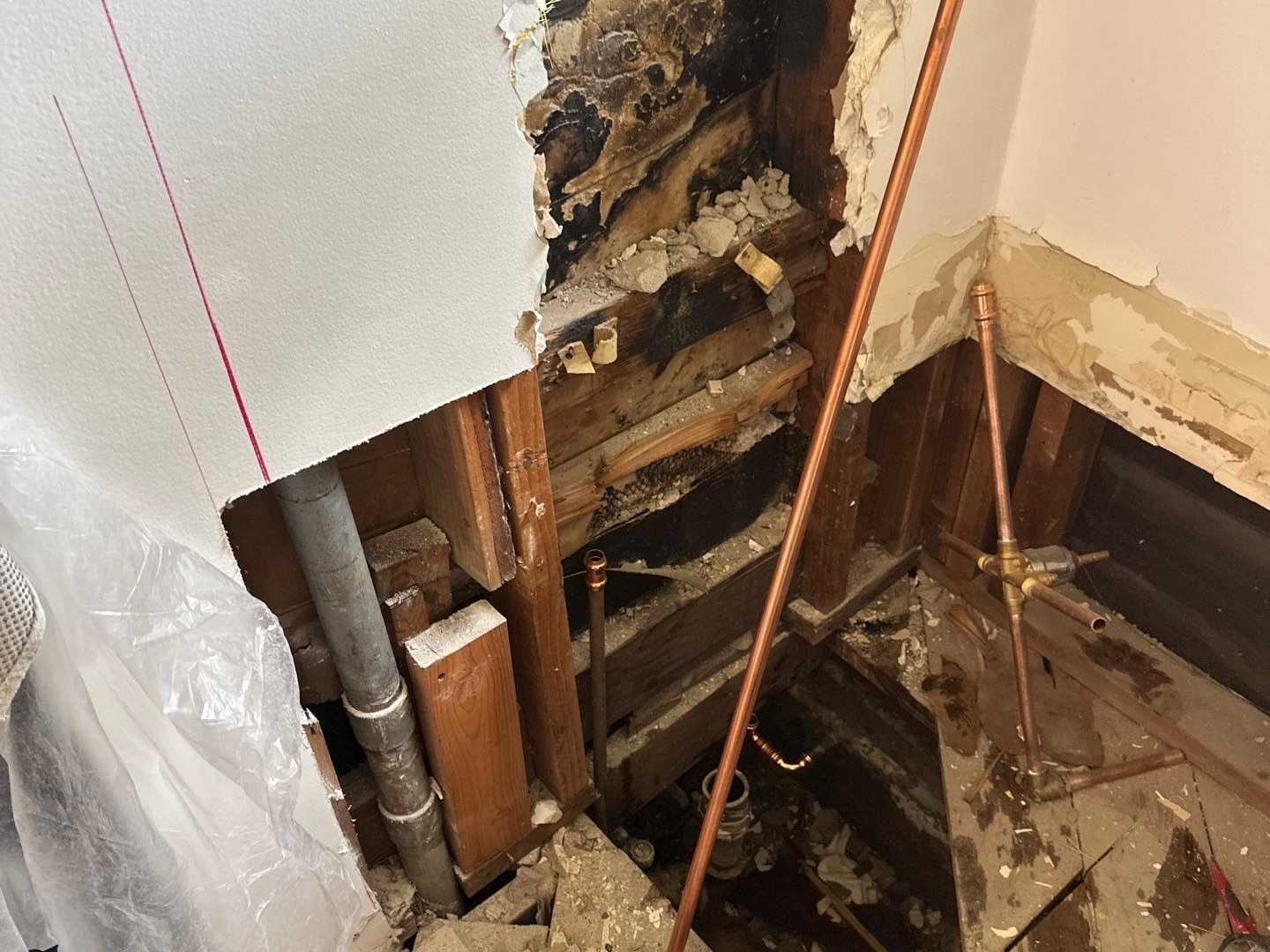
You've scrubbed the grout, sprayed the cleaner, and maybe even gone out of your way to reseal it. Somehow, mold keeps coming back. You might be looking for shower walls that last longer, and you keep seeing the word “antimicrobial.”
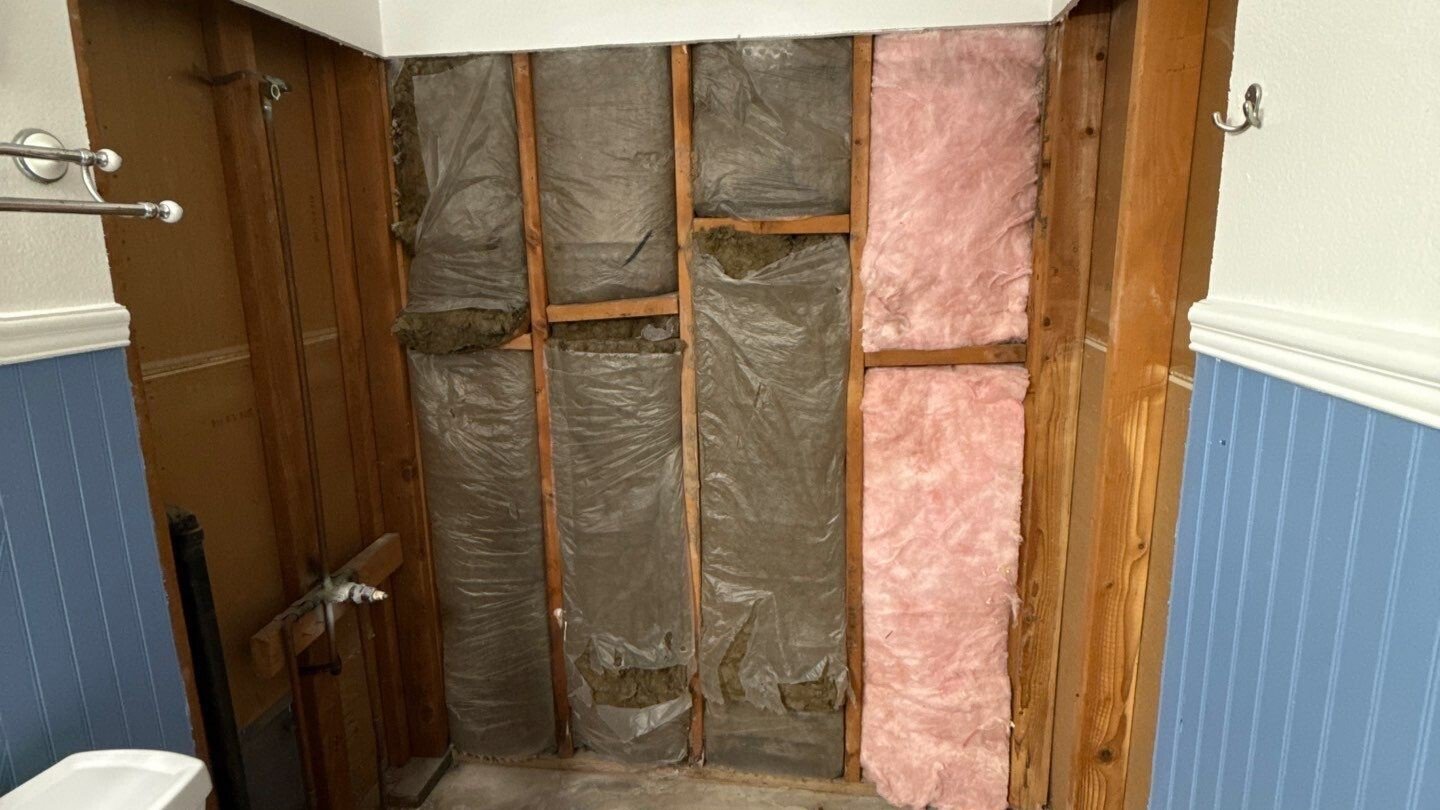
Shugarman's Bath has completed more than 7,000 tub and shower remodels using BP-Cor2, an antimicrobial shower wall material. We understand how grout becomes porous over time and how a non-porous wall makes cleaning easier for homeowners.
This article explains which shower wall materials have antimicrobial protection. You'll also learn how shower mold can affect your health, how much easier cleaning becomes, whether the protection wears off over time, and who benefits most from these materials.
Table of Contents:
- What Is an Antimicrobial Shower Wall?
- Which Shower Wall Materials Are Antimicrobial?
- How Does Mold in Your Shower Affect Your Health?
- Does an Antimicrobial Wall Make Your Shower Easier to Clean?
- Does Antimicrobial Protection Wear Off Over Time?
- Who Benefits Most From an Antimicrobial Shower Wall?
What Is an Antimicrobial Shower Wall?
An antimicrobial shower wall is made from a material that inhibits bacteria. It also helps prevent mold and mildew from growing. Antimicrobial walls matter in the tub and shower area, where water, steam, soap scum, and body oils hit the walls every day.
Contrast this with shower wall materials such as tile with grout. Mold and mildew settle into the grout lines. Removing the organic material requires a lot of scrubbing.
Which Shower Wall Materials Are Antimicrobial?
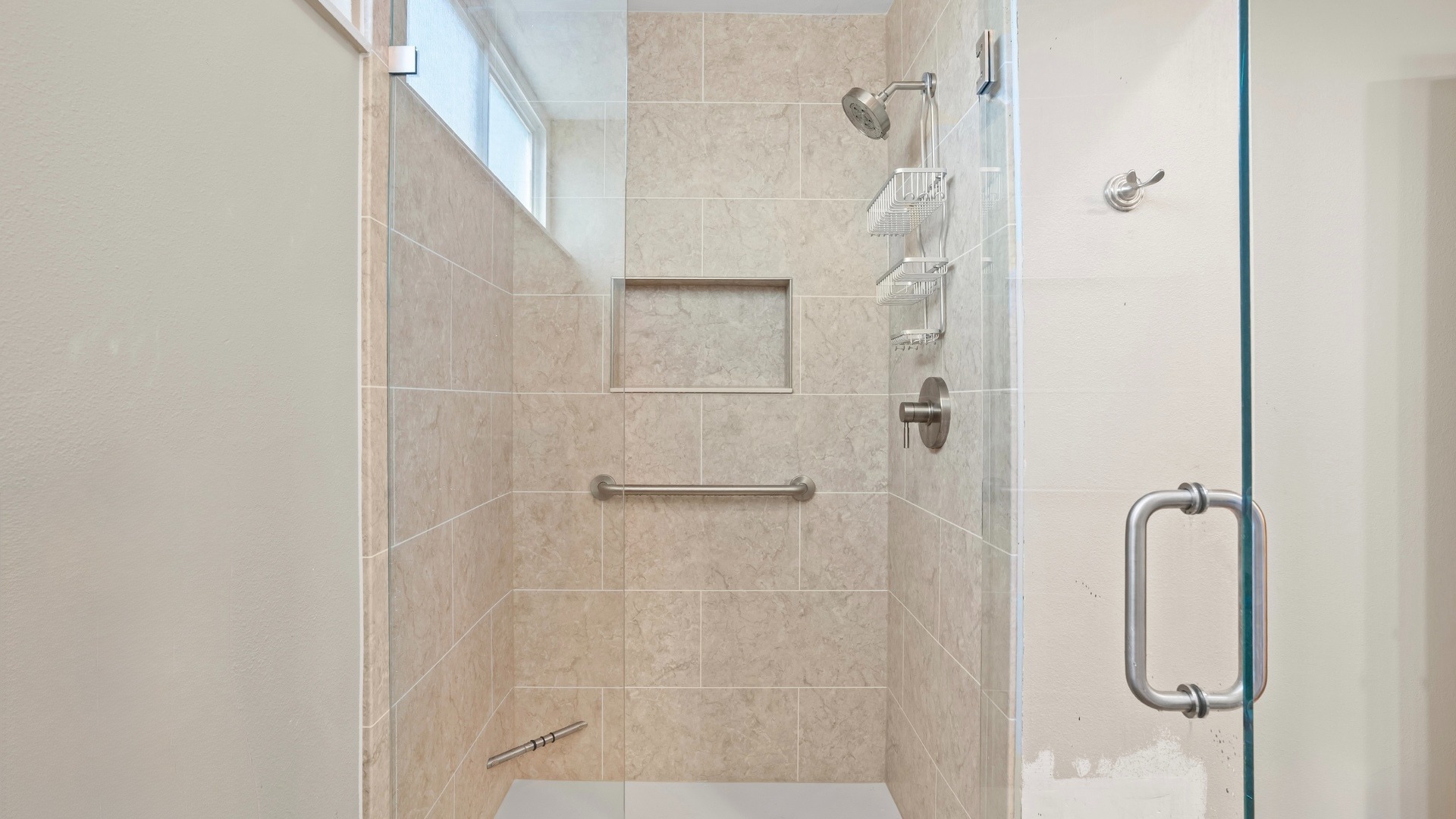
Shugarman's Bath uses BP-Cor2 in every tub and shower remodel. It's a non-porous material with built-in antimicrobial properties. The material has no tiny pores to trap moisture, soap residue, oils, bacteria, or other organic materials. Shugarman's Bath doesn't charge extra for antimicrobial protection because it's built into the material.
If you love the look of tile but hate the maintenance hassle, BP-Cor2 can have laser-etched grout lines. You get the tile look, but the lines stay non-porous and never need sealing.
You can read more about what BP-Cor2 is made of and how it holds up.
To see how antimicrobial walls can look in your bathroom, check out our project gallery.
How Does Mold in Your Shower Affect Your Health?
Mold growing in your shower can cause chest congestion or allergy flare-ups.
Mold can cause a stuffy nose, coughing, or wheezing. People with asthma or mold allergies can have severe reactions, and people with weakened immune systems or chronic lung disease can get lung infections from mold.
The risk is higher for older adults and for people with weakened immune systems or breathing problems. Older adults might step into a moldy shower every day. Their bodies have a harder time handling that exposure. An antimicrobial wall helps prevent mold from taking hold.
Does an Antimicrobial Wall Make Your Shower Easier to Clean?
Yes. Antimicrobial shower walls change how often you have to clean your shower because you’re no longer fighting mold that would likely come back on other materials.
With BP-Cor2 shower walls, mild soap and water, plus a quick wipe-down, are usually enough. We recommend squeegeeing the walls after showering.
Antimicrobial doesn’t mean germ-free, since no surface stops every germ. You’ll still need to clean your shower surfaces. When you do, avoid abrasive cleaners. They won’t remove the antimicrobial protection, but they can dull the finish or cause chemical cracks in the wall surface. Our cleaning guide covers what cleaners work well.
Does Antimicrobial Protection Wear Off Over Time?
Some products have an antimicrobial treatment applied to the surface that can deteriorate over time and might need reapplication to keep working. Products like BP-Cor2 have zinc ions mixed into the material during manufacturing. The zinc goes several layers deep into the material.
The zinc slows the growth of mold, mildew, and bacteria, helping the surface stay cleaner between cleanings. Since it’s part of the material, scrubbing and daily use won’t wear it away.
You can't tell the difference by touching a wall. When you meet with any contractor, ask whether their antimicrobial protection is built into the material or added as a coating.
Who Benefits Most From an Antimicrobial Shower Wall?
Everyone can benefit from antimicrobial shower walls. These groups benefit most:
- Older adults who shower in the same space every day
- People with weakened immune systems or breathing problems
- People whose allergies tend to flare up after a shower
- Anyone tired of scrubbing mold out of grout lines
If you see yourself or a loved one in any of these groups, we recommend putting antimicrobial walls near the top of your list when you compare remodel options.
Should Antimicrobial Walls Be on Your Remodel Checklist?
Antimicrobial walls help prevent bacteria and mold on the wall surfaces. If you're tired of scrubbing the same grout lines or worried about a parent showering in a moldy stall, you might need better shower wall materials.
Antimicrobial protection is one part of a low-maintenance shower. Read our guide to the best low-maintenance shower options to see how BP-Cor2, stone resin, standard acrylic, and tile compare in terms of upkeep.
If you have questions about antimicrobial walls or any part of a tub or shower remodel, contact Shugarman's Bath to speak with an expert.
The opinions expressed in the referenced materials are those of the authors only, not necessarily of Shugarman’s Bath. While these referenced materials are useful in answering generalized questions, each bathroom is unique. For a particular question about your tub or shower remodeling project, contact your Shugarman’s Bath consultant.