
What Matters Most
|
You might be noticing a musty smell that comes back no matter how much you clean. Maybe you’ve seen water spots on walls, paint bubbling, or mold. You might not know if it’s serious, but you’re here because something feels off with your home.
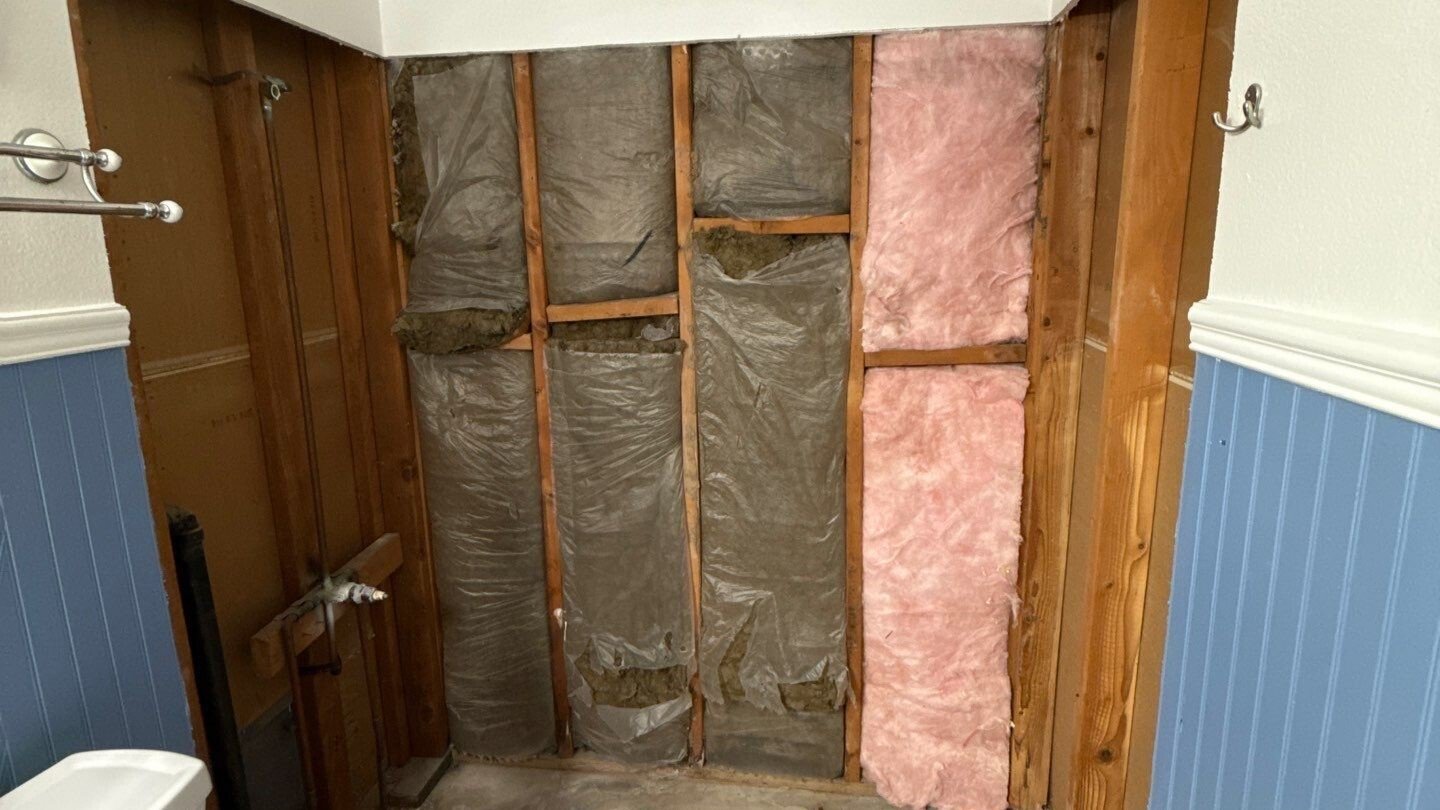
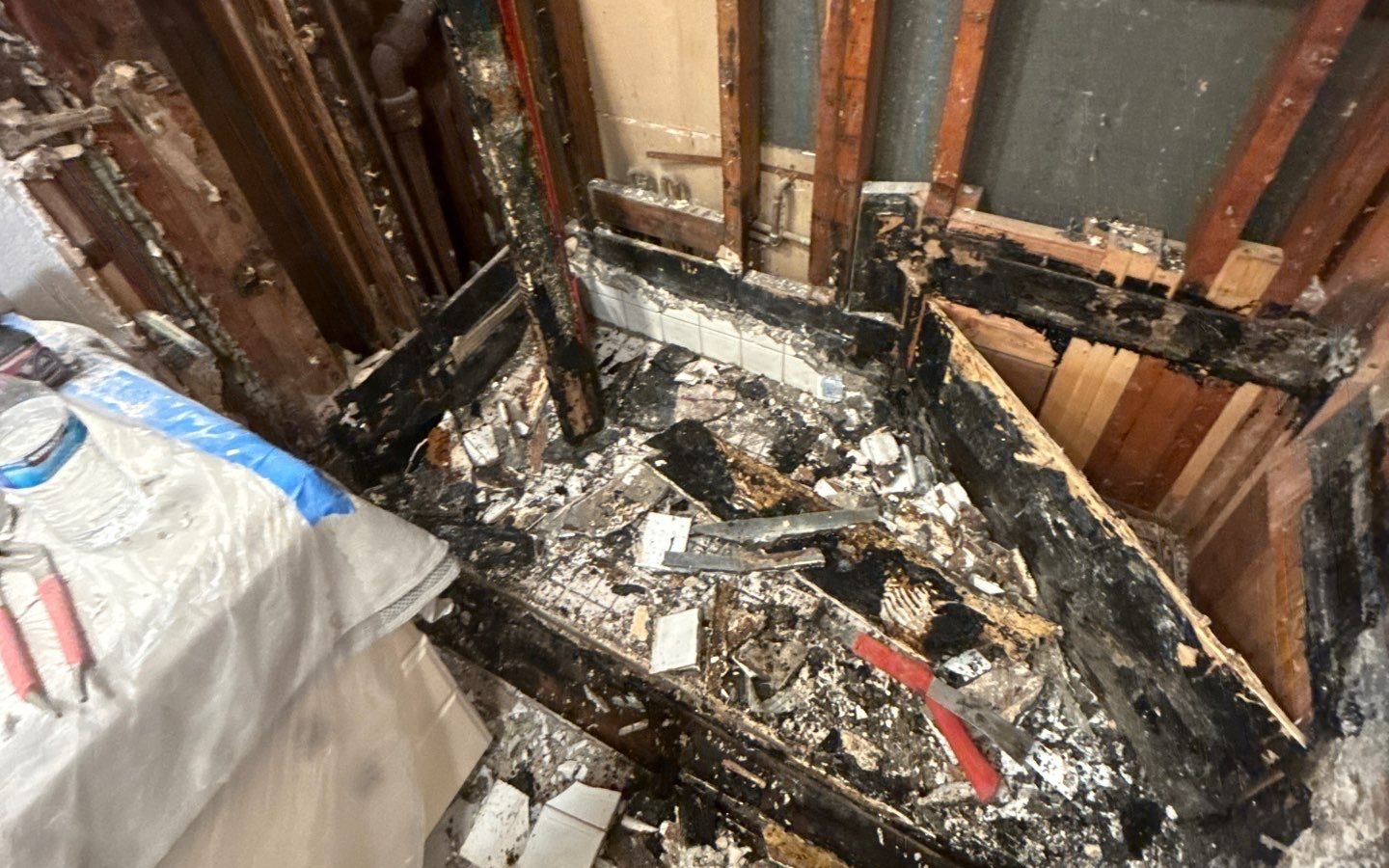
After demoing and completing over 6,000 tub and shower remodels across San Diego and Orange County, Shugarman’s Bath regularly sees the damage water can cause to homes. Water damage is almost always behind the walls more than it looks from the outside.
This article will help you understand how water damages a home, what it does once it gets inside the structure, and what signs to look for so you can catch it before it gets worse.
Table of Contents:
- Why Does Water Do So Much Damage to Your Home?
- Where Is Water Damage Likely to Start In a Home?
- So, How Does Water Damage a Home’s Structure?
- What Are the Warning Signs of Water Damage?
- Is Water Damaging Your Home?
Why Does Water Do So Much Damage to Your Home?
Many homeowners think a flood or burst pipe will destroy a home. While this can happen, water damage to your home isn’t always this drastic. Instead, it builds slowly behind your walls, beneath your floors, and within your home's structure. You likely won’t realize anything is happening. By the time you notice signs such as ceiling stains or softening walls, damage has been building for a while.
Water works against your home in three ways.
- Thermal stress
- Hot water causes materials to expand. They contract when cooling down. Over time, this cycle weakens materials and pulls seams apart.
- Movement stress
- Homes shift over time, whether due to foundation settlement or framing moving with the seasons. Constant movement puts strain on joints and seams.
- Moisture stress
- Water and steam push against every surface and gap. Wherever there is a small opening, water will find a way through.
What makes water so destructive is how it finds its way into your walls, whether it’s through gaps, cracks, or unsealed seams. That, or there is a pipe leaking somewhere behind the walls. Either way, water soaks into wood, breaks down insulation, corrodes metal, and creates the damp conditions that allow mold to grow.
Where Is Water Damage Likely to Start In a Home?
Water causes damage when it escapes where it's supposed to be contained. A loose pipe fitting under the kitchen sink or a cracked roof shingle can allow water to reach materials that aren't built to handle it over the long term.
Any area that regularly uses or is exposed to water is susceptible to damage. This is especially true for your bathroom. The tub and shower area alone is one of the highest-risk zones in any home. Taking a 10-minute shower uses 17.2 gallons of water. That’s 6,278 gallons per year that hit the same surfaces and materials. Water slowly working through a grout line or failing silicone can go undetected for years.
So, How Does Water Damage a Home’s Structure?
The porous wood framing and subfloors absorb the moisture and will rot. Insulation gets wet and loses the ability to do its job. Plumbing will corrode. You also risk mold growing in dark, damp spaces with organic material.
In more serious cases, water tends to spread into adjacent areas. Moisture moves through walls and floors, damaging drywall, flooring, and nearby furniture. What starts as a small problem turns into a repair bill for the tub and shower area, neighboring rooms, and the replacement of belongings.
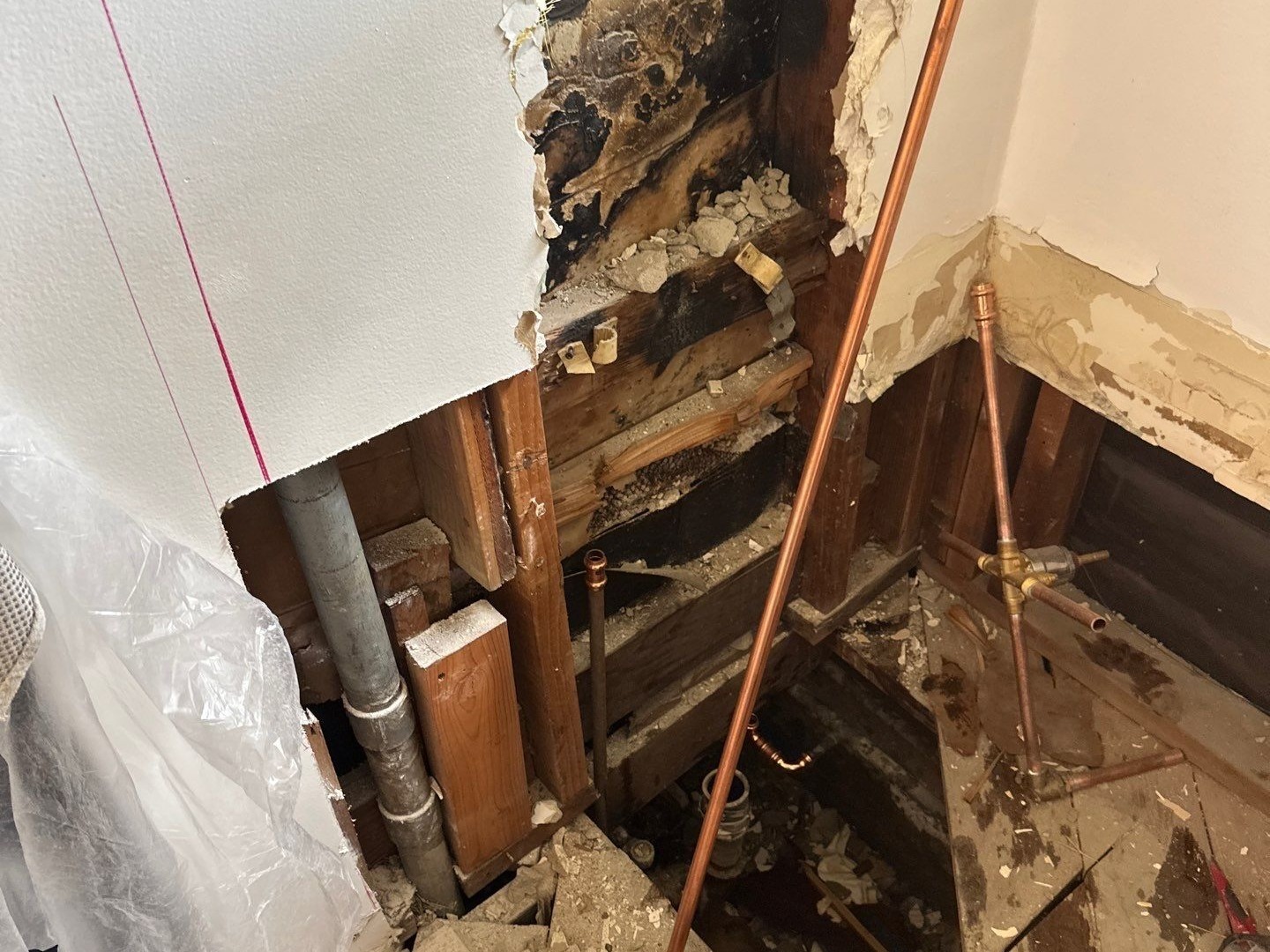
When the Shugarman’s Bath team performs demolition of the tub and shower area, they often find rotted wood, mold, corroded pipes, and weakened subfloors. They also see termite damage, which is often worsened by moisture.
What Are the Warning Signs of Water Damage?
Here are the visible signs you will be able to see:
- Paint that is bubbling or peeling on walls or ceilings
- Water stains or dark patches on ceilings or walls
- Flooring that is warping, buckling, or soft underfoot
- Mold forming along walls, baseboards, or in corners
- Grout lines that are cracking or widening
- Silicone or caulking that is separating or pulling away from a surface
- Tiles that look swollen, uneven, or slightly bowed
If you see more than one of these signs at the same time, water has likely made it behind your walls.
But how do you check for the damages you can’t see?
Walls or floors might feel soft or spongy to the touch. That feeling means water has seeped beneath the surface and compromised the materials.
You can use a moisture meter to give you a better idea of what’s happening behind the walls. A moisture reading of 20% or higher indicates a risk of rot and mold. Good-quality meters are affordable and available at most home stores. In the tub and shower area specifically, run it along the base, where water tends to get in first.
Noticing a musty or mildewy smell that comes back is one of the more reliable warning signs of water damage. If cleaning doesn’t get rid of the smell, it likely means moisture is behind the walls.
Is Water Already Damaging Your Home?
Water damage is usually subtle and happens slowly. It looks worse once those walls come down. Many homeowners don’t discover the extent of the damage until something forces them to address the issue. Catching moisture issues is less disruptive than when the damage has spread.
Now that you understand how water damages your home, learn more about the waterproofing mistakes general contractors make during a shower remodel.
If your tub and shower area is showing any of these signs, schedule a free consultation with Shugarman’s Bath to have a design consultant take a look.
The opinions expressed in the referenced materials are those of the authors only, not necessarily of Shugarman’s Bath. While these referenced materials are useful in answering generalized questions, each bathroom is unique. For a particular question about your tub or shower remodeling project, contact your Shugarman’s Bath consultant.
.jpg?width=1920&height=1080&name=VERSUS%20(1).jpg)