What Matters Most
|
You might have noticed that after you clean your bathroom, that musty smell comes back, even when it’s gone for a little while. You may wonder if something worse is going on in the walls.
Shugarman's Bath has completed more than 7,000 tub and shower remodels. When we come across this same smell, it usually means something behind the wall needs attention.
This article breaks down where a musty smell comes from, the risks it can bring, and how to tell when you need more than a good cleaning.
Table of Contents:
- What Causes a Musty Smell in a Bathroom?
- Where Does a Musty Smell Come From in a Bathroom?
- Why Does Moisture Behind the Wall Turn Into Mold and Mildew?
- What Health and Safety Risks Could Come From a Musty Bathroom Smell?
- How Can You Keep the Musty Smell in the Bathroom From Coming Back?
- How Can a Musty Smell Make a Remodel More Expensive the Longer You Wait?
What Causes a Musty Smell in a Bathroom?
A musty smell almost always means moisture has gotten behind the wall in your tub and shower area. Here are a few reasons this happens:
- Organic boards like green board, blue board, and purple board are paper-faced. Many contractors in California still use this in the tub and shower area. Because they're paper-faced, they give mold something to feed on.
- Cement backer board that wasn't properly sealed. It needs 2 coats of a moisture-blocking coating, applied 24 hours apart.
- Failed silicone that let moisture behind the wall. Many 1-day bath remodelers rely on silicone alone to keep water out. Moisture gets in once the silicone fails.
- Poor ventilation in the bathroom. Your bathroom should dry out within a couple of hours after you use it. If it takes longer than that, moisture is lingering on the tile, grout, and silicone instead of drying off.
- Tile installs generally rely on grout, which is just packed porous sand. Moisture seeps through those gaps to the backer board behind the tile.
- While it’s rare, a shower drain may not be sealed properly to the pan. This allows moisture in from underneath.
Where Does a Musty Smell Come From in a Bathroom?
Your tub or shower is the more likely culprit. After all, the area uses about 17.2 gallons of water after 10 minutes of use.
Areas around the toilet and sink typically use water-resistant board. Moisture near a toilet is unusual unless it leaks around the base.
Why Does Moisture Behind the Wall Turn Into Mold and Mildew?
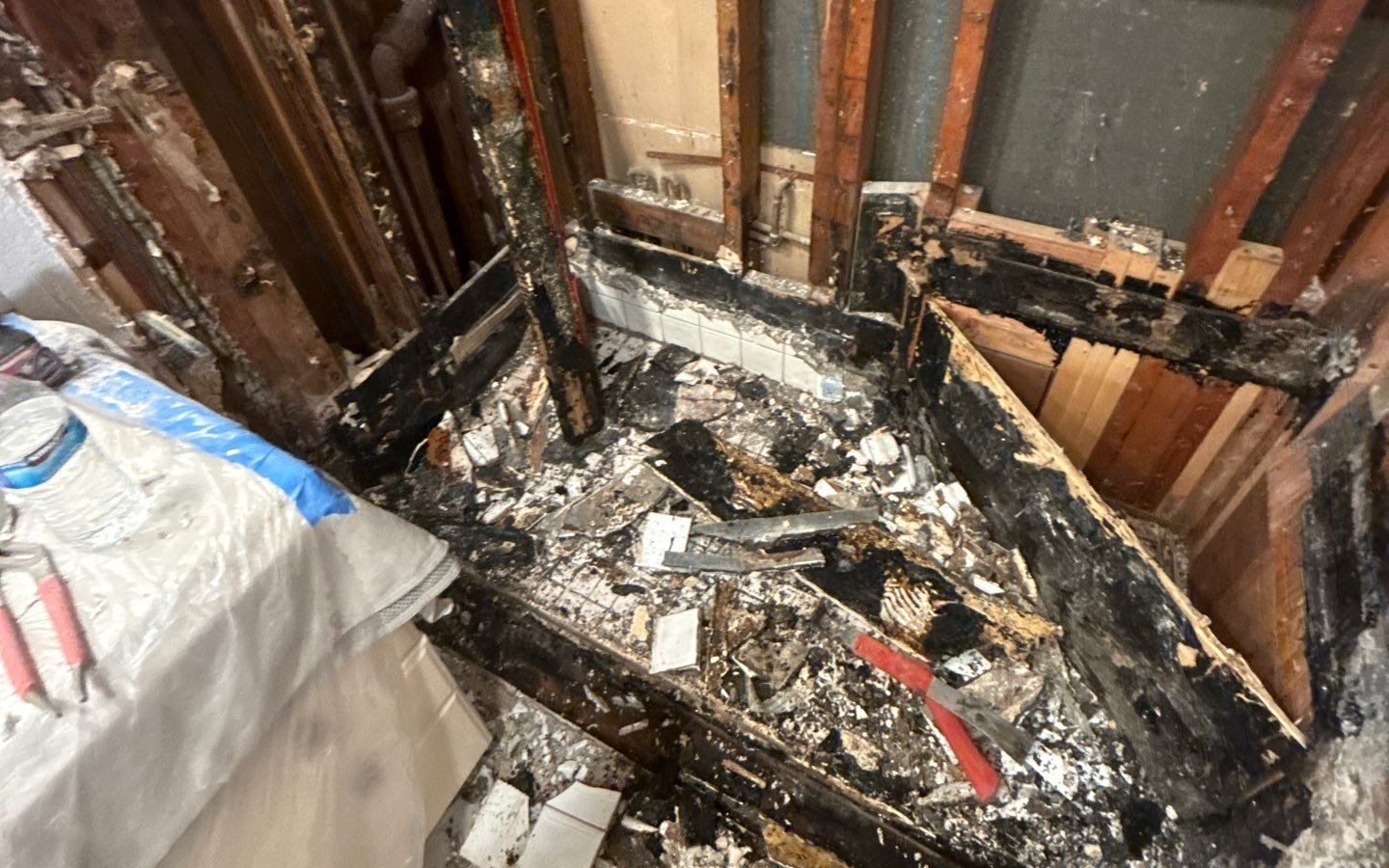
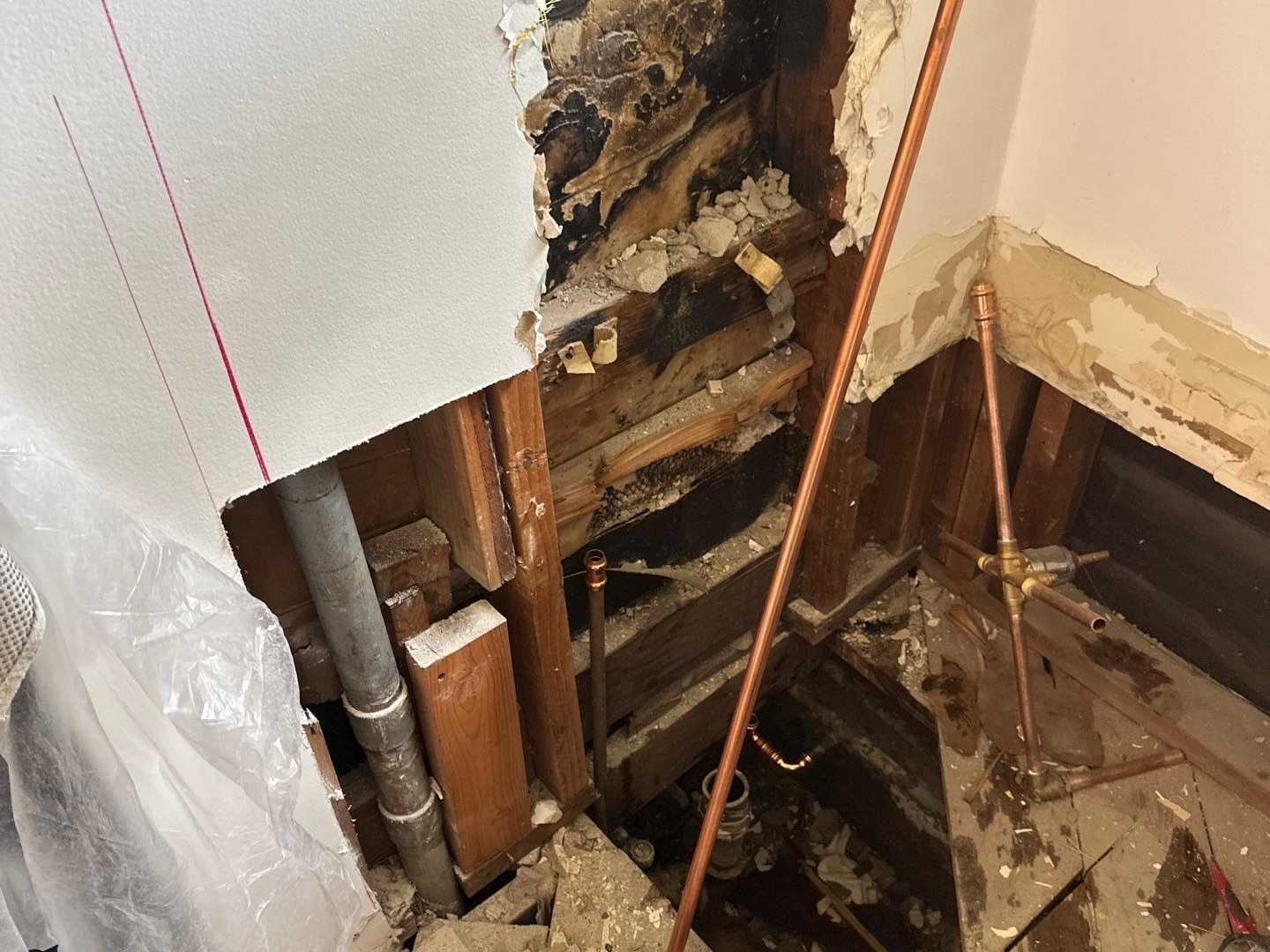
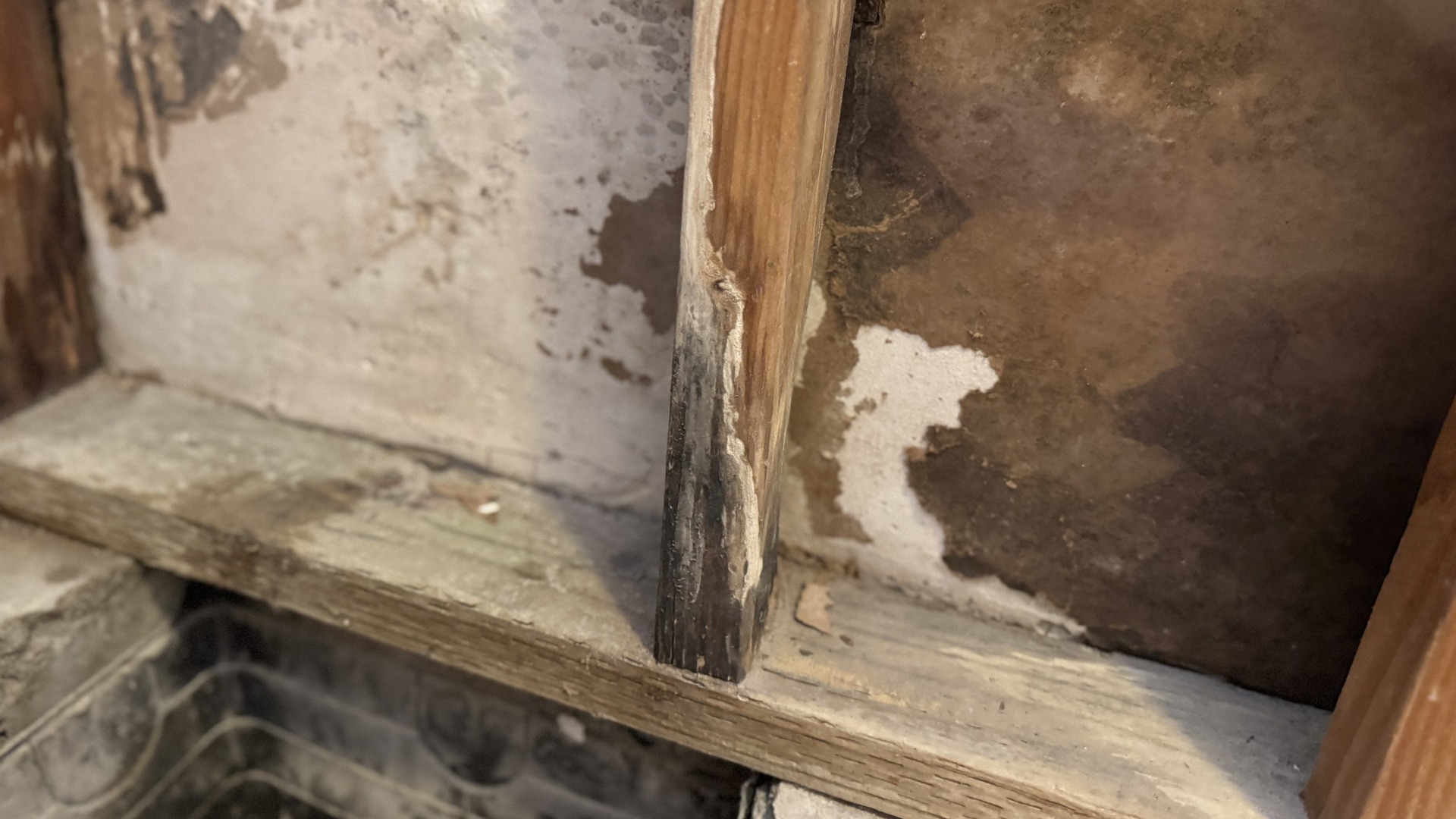
Mold needs 3 things to grow: moisture, a food source, and a dark space with no airflow. A bathroom wall, especially in the tub and shower area, gives all three. Behind a wall, there is no light or air movement. Moisture gets in from wall cavities and sits there.
Wood, some types of backer board, soap, and the oils from your skin all work as a food source. Mildew usually shows up first, followed by mold.
Sometimes the smell is only surface-level. A more thorough cleaning fixes it, and you won't have to worry about it coming back anytime soon.
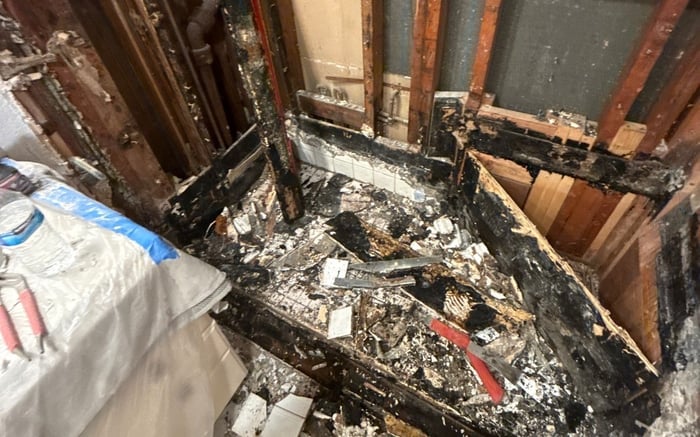
But if you’re cleaning and that musty smell keeps coming back, there’s a deeper issue in the tub and shower area. Moisture is trapped behind the wall. This can happen because of failed silicone, backer board that wasn't sealed properly, or grout that lets water work through over time. Grout tends to be the slowest path. It's just packed sand, so it's porous, with a network of tiny gaps that work like a cave system running through it. Water works through those gaps and reaches the backer board behind the tile over time, often taking 5 to 7 years before you'd notice a smell.
What Health and Safety Risks Could Come From a Musty Bathroom Smell?
Mold exposure can trigger allergy-like symptoms and other respiratory problems. People tend to become more sensitive and reactive to mold as they get older.
As for safety, moisture behind the wall can rot the wood and other materials in your bathroom. In severe cases, moisture can travel to other rooms or reach the outside of your home, causing exterior stucco to crack or crumble.
How Can You Keep the Musty Smell in the Bathroom From Coming Back?
One method is to remove your old silicone and replace it with a higher-grade silicone meant for the tub and shower area. This might not solve the problem for good, but it can delay water from getting behind the walls or reduce moisture buildup.
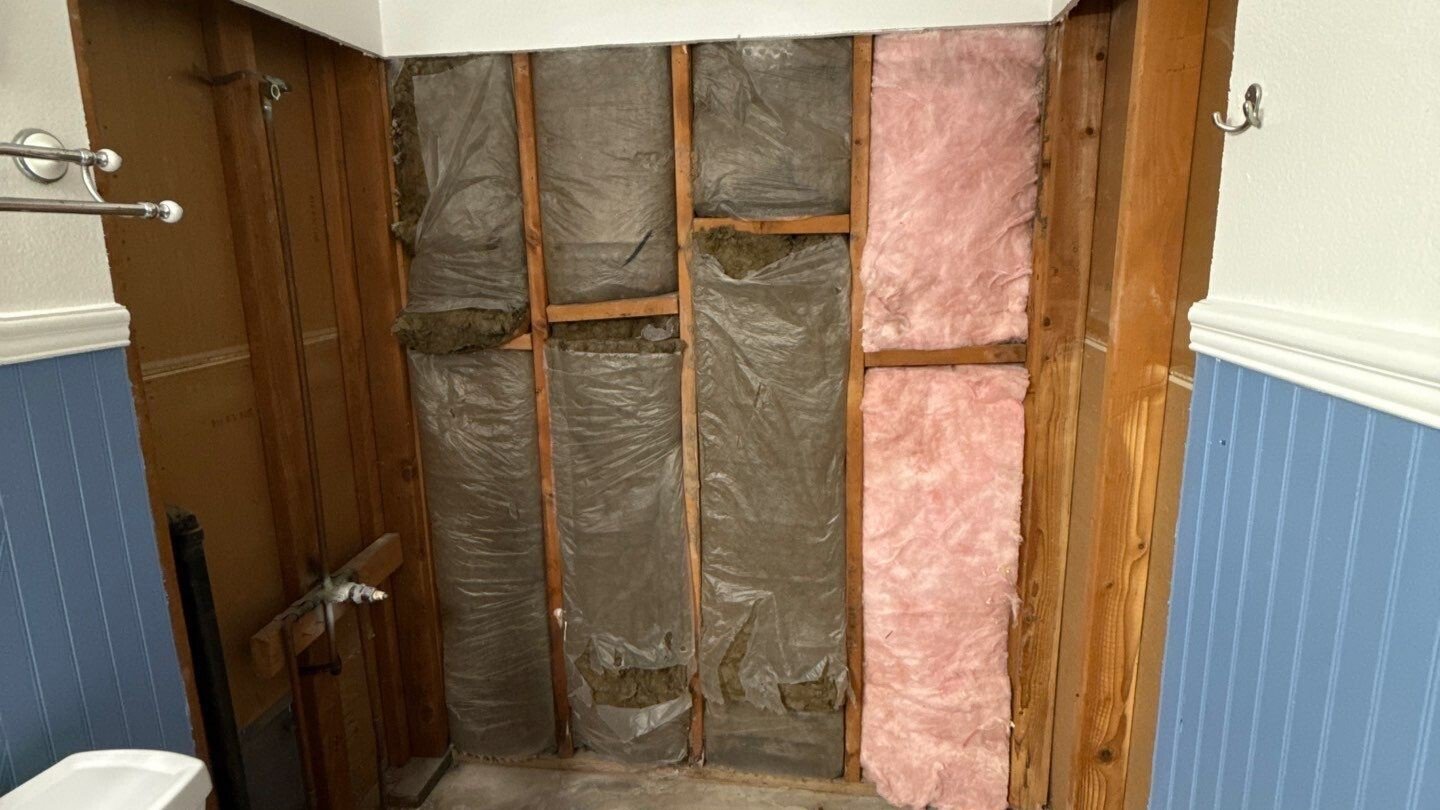
If the smell keeps coming back and mold shows up again on the new silicone, it might be time to bring in a professional for a repair or a remodel. A full remodel addresses the issues down to the studs and fixes the underlying problems.
Either way, clean your tub or shower once a week. Soap and body oils feed mold. Cleaning will remove the food source. You should also squeegee down the area after each use to remove moisture from your shower walls.
How Can a Musty Smell Make a Remodel More Expensive the Longer You Wait?
A musty smell that keeps coming back means there's damage behind the wall. The damage doesn’t fix itself. Mold can keep growing, and wood behind the wall can rot the longer it sits. The longer you wait, the higher the likelihood that you will need to replace more material.
Some remodeling contracts also include language that lets the contractor charge extra for whatever they find once the wall comes down, often worded around "hidden or unforeseen conditions." That clause can increase remodel costs.
Another thing to consider is that remodeling prices go up yearly. Recently, remodeling prices have gone up 15-20% a year. Fixing it now helps you avoid paying more later.
What Materials Hold Up Best Against Moisture and Odor?
Nonporous materials hold up best against moisture and odor. Sealed cement board or fiberglass mat gypsum backer boards resist moisture well, but they need to be installed properly. On the shower wall surface, nonporous composite materials like acrylic copolymers or stone resin resist moisture and staining with little upkeep.
Now that you know where a musty smell comes from and how to get rid of it, read our article on low-maintenance shower options to learn which materials hold up best over time.
Have questions about a musty smell or general shower remodeling questions? Contact Shugarman’s Bath to speak with one of our experts and find solutions.

The opinions expressed in the referenced materials are those of the authors only, not necessarily of Shugarman’s Bath. While these referenced materials are useful in answering generalized questions, each bathroom is unique. For a particular question about your tub or shower remodeling project, contact your Shugarman’s Bath consultant.