
What Matters Most
|
You’ve been noticing that the tile in your shower is cracking and are wondering why. It’s distressing, especially when the tile looked fine when it was installed. You’re not sure if this is normal wear or if there’s more going on.
Shugarman's Bath has completed over 6,000 shower remodels. What looks like a surface problem can be something bigger once we demo the walls. Homeowners are often surprised by what was hiding behind the tile they had been patching for years.
This article breaks down the most common reasons shower tiles crack, offers short-term fixes, and explains when to consider a permanent fix.
Table of Contents:
- What Makes Shower Tile Crack?
- How Does Installation Affect Tile Cracking?
- What Else Can Damage Shower Tile After Installation?
- Are Some Shower Tile More Prone to Cracking?
- How Is a Tile Crack Different from a Grout Crack?
- Can a Homeowner DIY Cracked Tile?
- Is It Time to Replace Your Shower Rather Than Patch It?
- Have Questions About Your Cracked Tile?
What Makes Shower Tile Crack?
Tile is a rigid material, meaning it doesn’t flex, bend, or give. Tile is tough, but it can be unforgiving when heat, cold, and house movement work against it.
Your home moves naturally through minor settling, shifting, and vibrations happening over time. Tile doesn’t have a way to absorb that pressure. When the structure underneath the tile moves, the added pressure can cause cracks.
Temperature also affects tile. Every time you shower, hot water causes the tile to expand. When the shower cools down, tile contracts. That cycle happens daily, sometimes multiple times a day.
Some tiles are also made thin with limited quality control, making them weaker before installation.
How Does Installation Affect Tile Cracking?
Installers don’t build tile showers the way they used to.
Installers used to set tile into about an inch of mortar backed by wire mesh. It made the base strong, and the tile set into it held for a long time. Today, tile goes over a thinner cement board, set with a brittle adhesive called thin-set. It is faster and cheaper, but it leaves the tile with far less support underneath it.
With the cement board, some contractors don’t waterproof it properly. To protect the board, multiple coats of a waterproofing membrane need to be applied. Many contractors will skip or rush this part of the process to finish the job quickly.
Improper waterproofing lets moisture get behind the tile and into the backer board. Absorbing water will cause the board to expand, creating pressure on the tiles. The tiles will either crack or pop off the wall (or both).
If a tile job looks sloppy when it's finished, that is a sign the installer was not paying attention to detail.
What Else Can Damage Shower Tile After Installation?
Robe hooks, towel bars, soap dishes, and glass shower doors all require drilling into tile. Glass shower doors are where this comes up most, since anchoring the frame means drilling directly into the tile. Many installers will tell you upfront that cracking is possible.
Another problem to consider is that anything that strikes the surface with enough force can crack it.
Are Some Shower Tile More Prone to Cracking?
Yes, the type of tile does matter. Some tiles are more porous and vulnerable than non-porous tiles. As moisture soaks in and dries out repeatedly, the tile expands and contracts, increasing the risk of cracking over time.
Tile requires sealing to protect against moisture absorption. The problem is that most installers never tell homeowners this. Even when homeowners know, the sealant only lasts around 6 months before it needs to be reapplied.
How Is a Tile Crack Different from a Grout Crack?
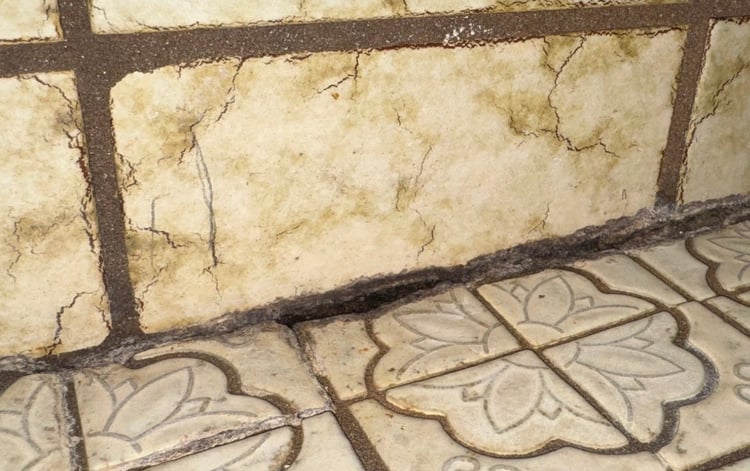
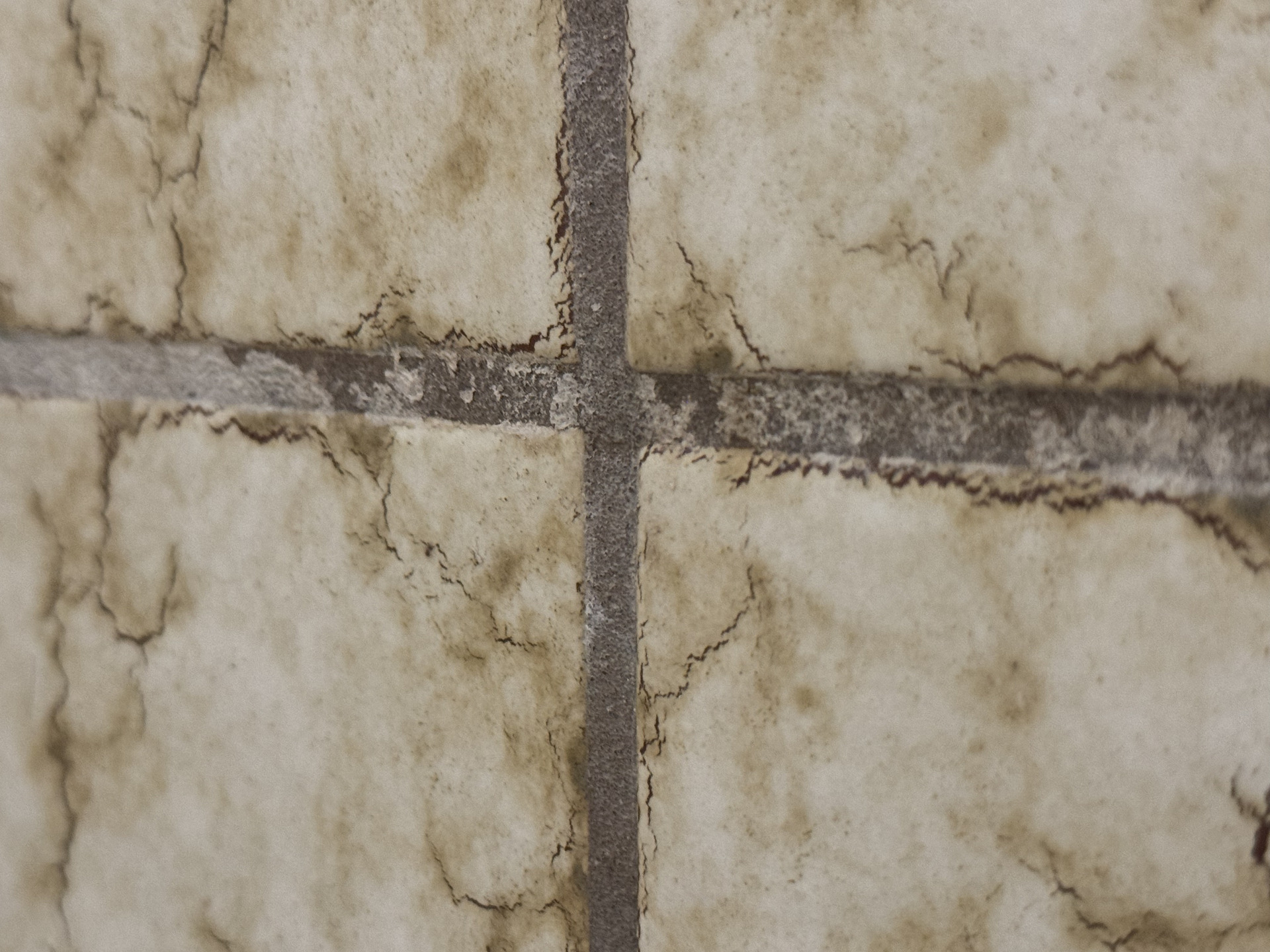
A grout crack is fixable. You can dig the old grout out and apply new grout.
A crack in the shower tile requires replacement by chipping it out without damaging the surrounding tiles. Chipping out the tile is difficult to do cleanly. Even if the removal goes well, getting the wall surface smooth enough for the new tile to sit flush is another challenge.
Any leftover residue means the new tile sits slightly raised. Reapplication might not look as good as the original installation.
Can a Homeowner DIY Cracked Tile?
You can DIY cracked tile, but it’s a skilled job. If you have leftover tiles (and lots of patience) from the original installation, you may be able to replace a cracked tile yourself.
Temporary solutions are available at home improvement stores. Sealant products, caulk, and tile patch compounds can cover cracks and slow moisture from getting behind your shower walls.
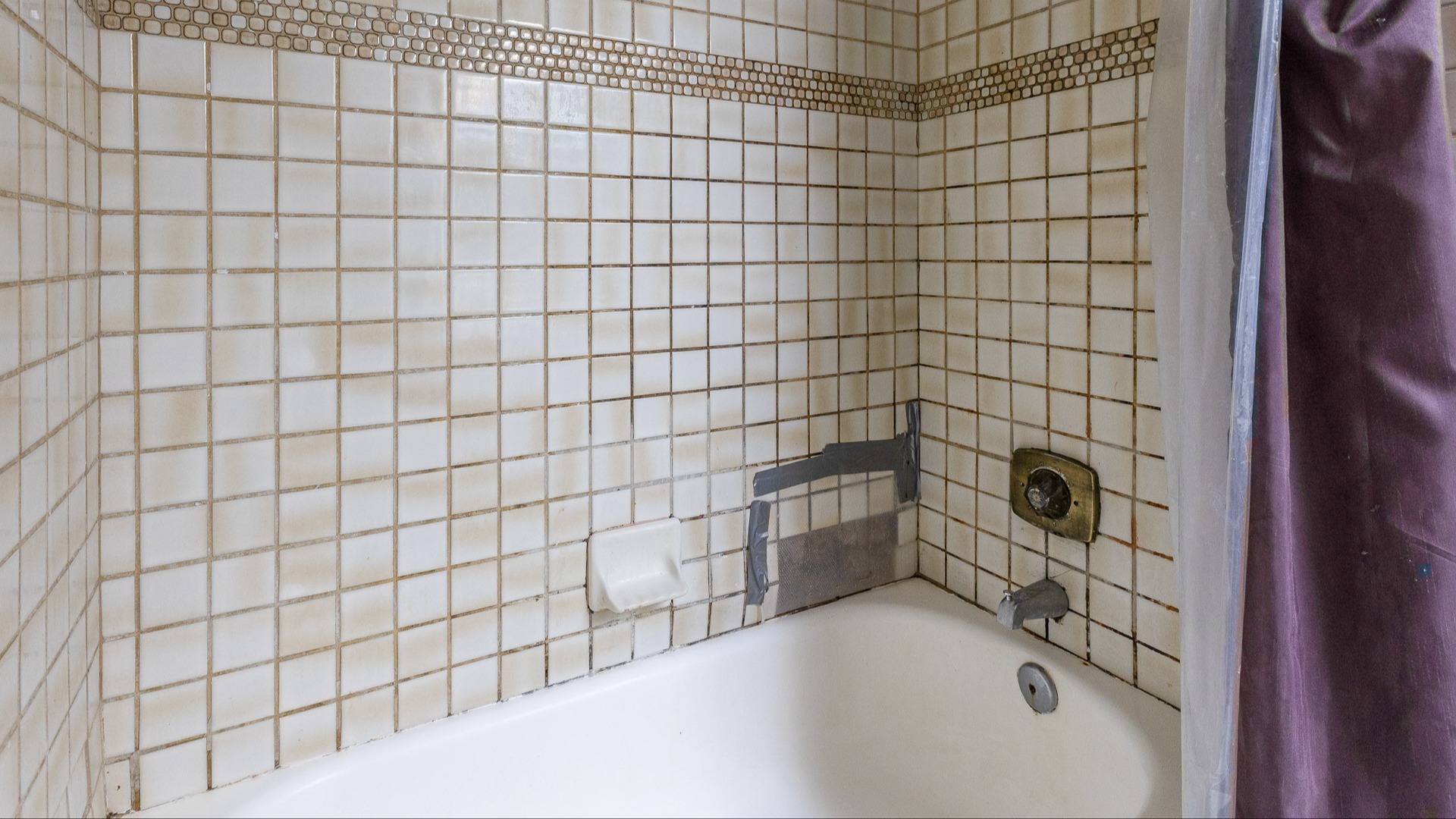
Another temporary solution we’ve seen, but don’t recommend, is applying duct tape over the cracked areas. It’s not pretty and doesn’t fully stop moisture from getting behind the wall.
The problem with any temporary fix is that it doesn’t address the moisture that’s made its way behind the walls. Moisture sitting in a dark space with no airflow leads to mold. Mold grows quickly when it reaches wood studs or porous paper-faced backer boards.
Is It Time to Replace Your Shower Rather Than Patch It?
It might be time to replace your tile shower when you’re tired of looking at what you have. At some point, you might need a full shower remodel.
If moisture has reached the backer board or the wood studs behind it, a surface fix is not enough. A down-to-the-studs remodel is the only way to address the damage and start fresh with proper waterproofing.
Have Questions About Your Cracked Tile?
Rigid materials, house movement, temperature swings, shortcuts during installation, drilling, and enough force to impact the tile are all factors that cause cracking. If the damage is minor and a remodel is not in the cards right now, sealing the cracks buys time. If moisture has already gotten behind the wall, you’ll want to consider a full shower remodel.
Now that you know why your shower tile is cracking, read our article on why grout is so hard to clean.
Not sure if what you are seeing is a surface issue or something deeper? Reach out to Shugarman's Bath, and we will answer any remaining questions you have.
The opinions expressed in the referenced materials are those of the authors only, not necessarily of Shugarman’s Bath. While these referenced materials are useful in answering generalized questions, each bathroom is unique. For a particular question about your tub or shower remodeling project, contact your Shugarman’s Bath consultant.
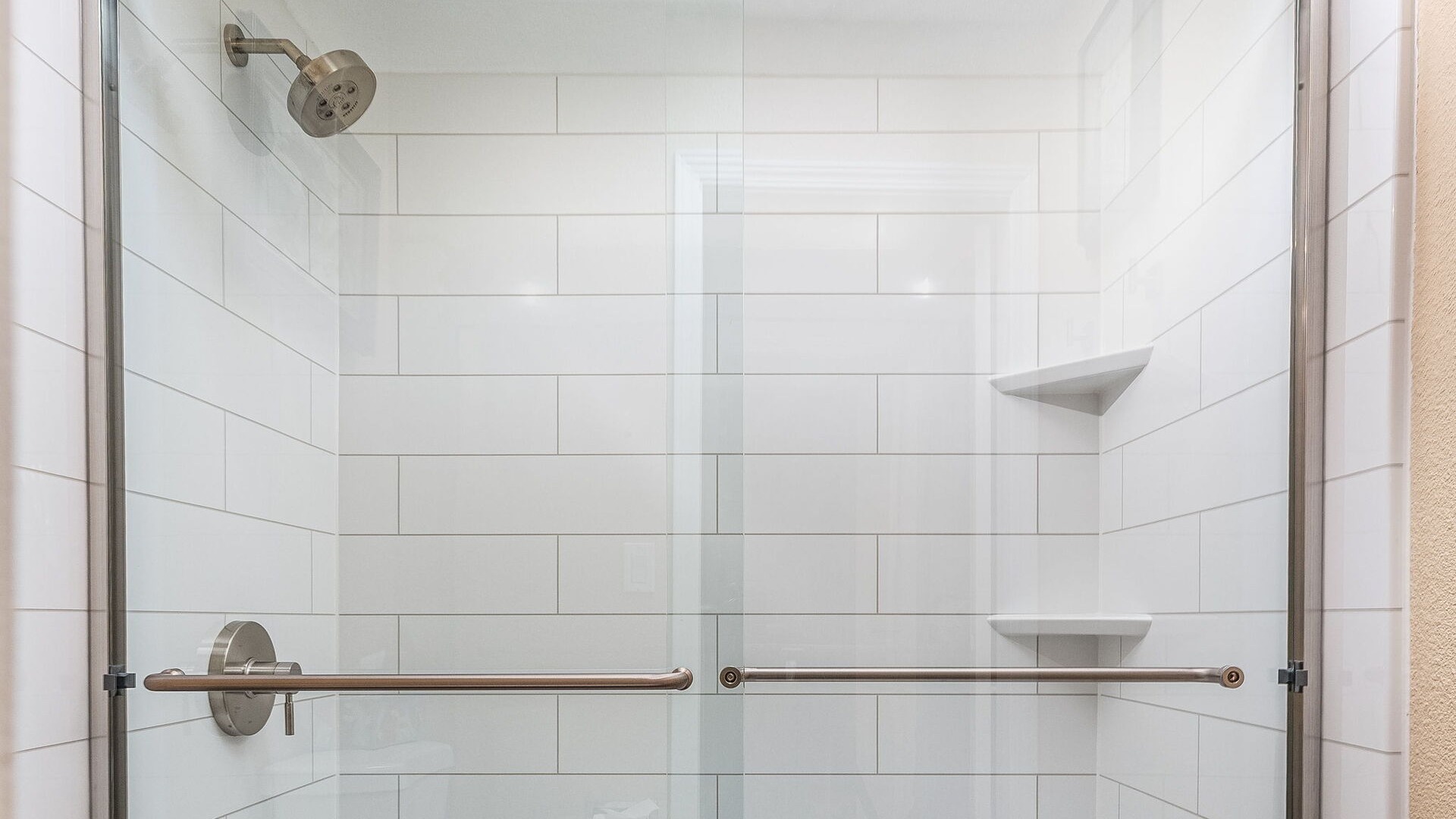
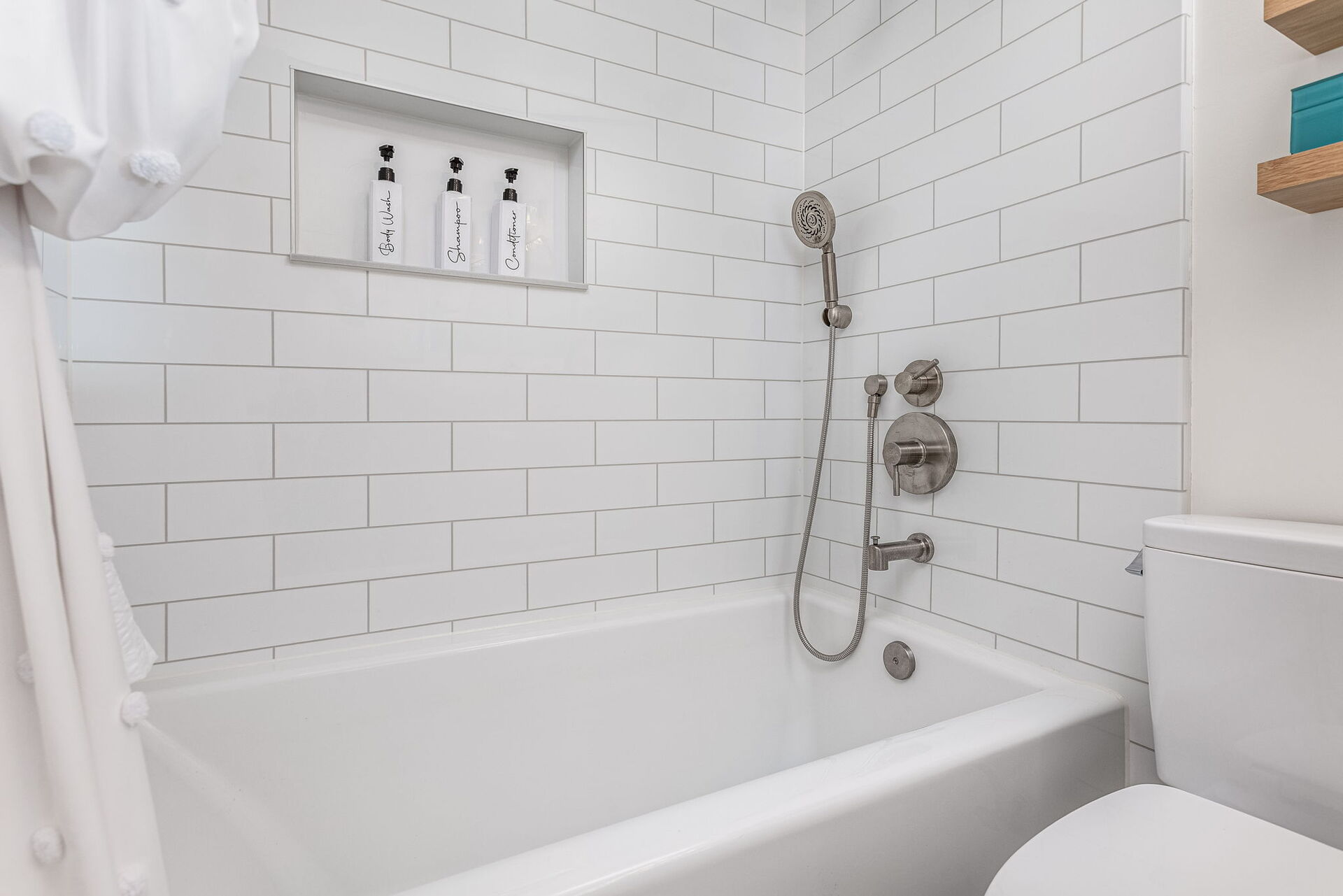
FAQs About Shower TileDoes Shugarman's Bath Install Alternatives to Tile?Yes. Instead of conventional tile, Shugarman's Bath installs a modern shower wall system with a non-porous, antimicrobial surface. The grout lines are laser-etched, giving you the look of tile without the upkeep that comes with it. If you want to learn more, read our full breakdown of traditional tile vs. modern shower wall systems. Does Shugarman's Bath Do Repair Work?No, Shugarman's Bath does not do general repair work. The reason is that repairs are temporary fixes that buy time but do not solve the underlying problem. Most homeowners end up paying for the same repair more than once, or eventually replacing the materials anyway after spending money trying to maintain them. |
-1.png?width=1920&height=1080&name=VERSUS%20(1)-1.png)
.jpg?width=1440&height=1080&name=IMG_4896%20(1).jpg)