
What Matters Most
|
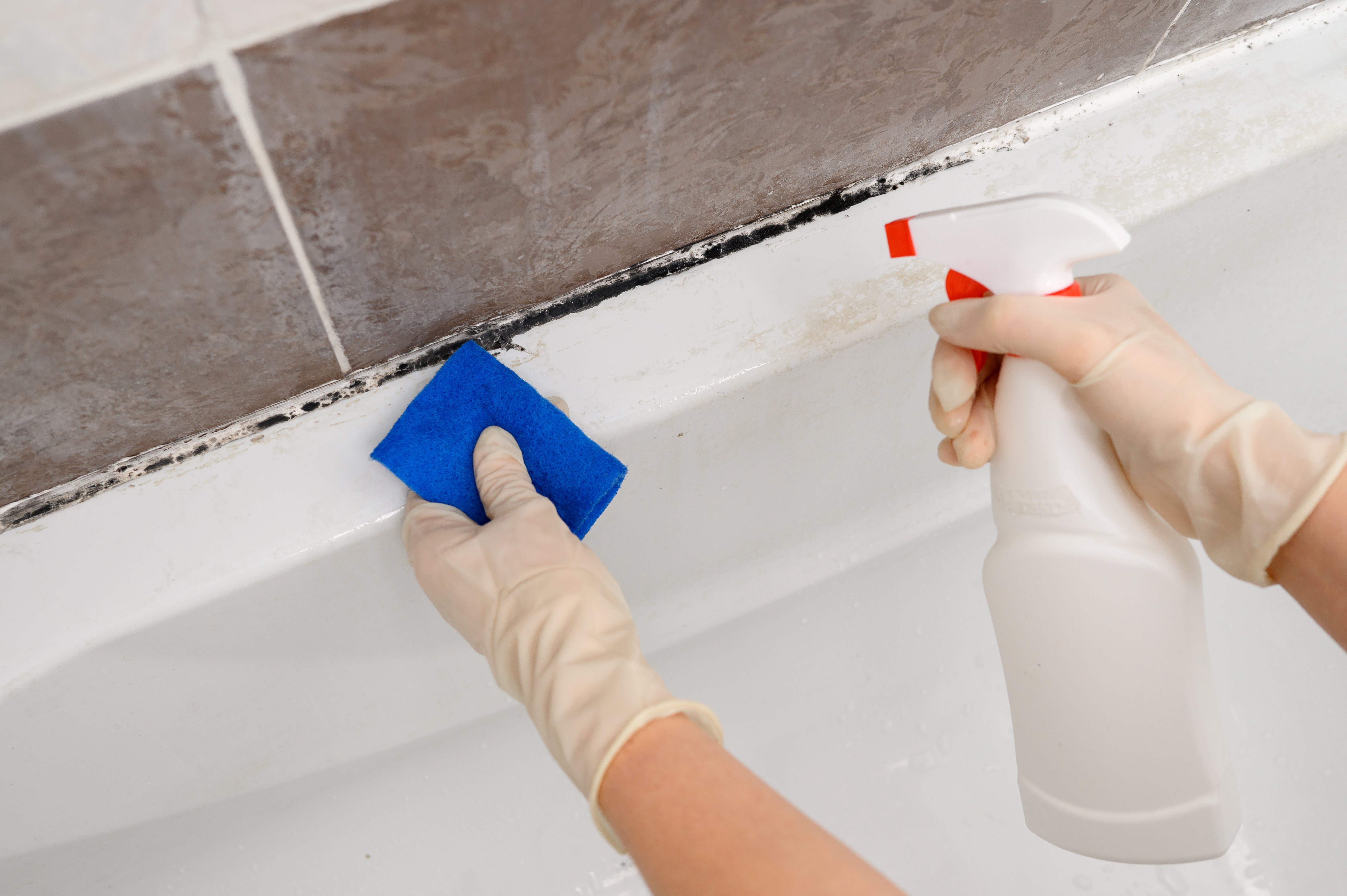
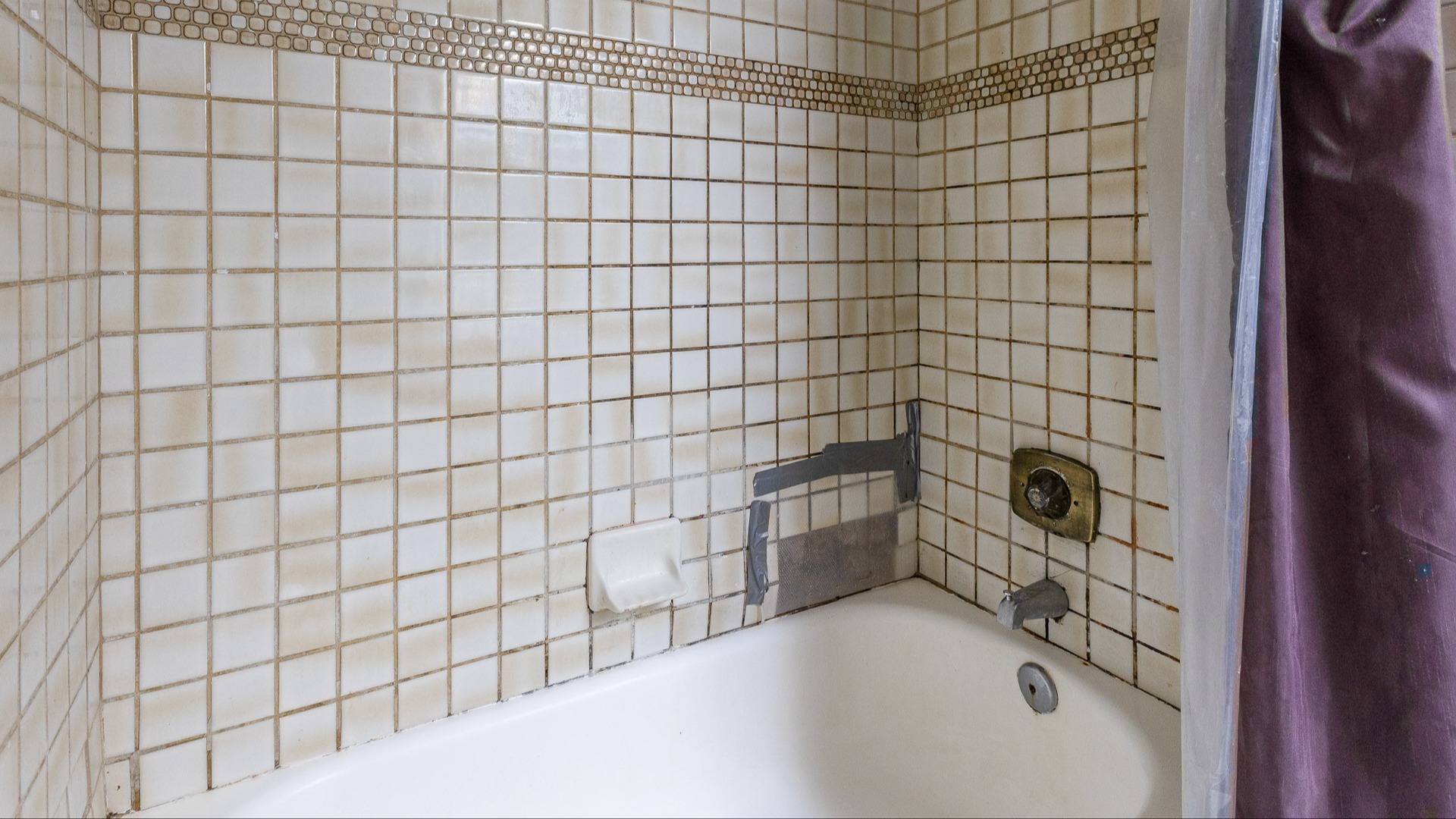
You scrub the grout between the tiles in your shower. It looks better for a day or two. Then the stains come back, the mold returns, and you are back on your knees with a brush, wondering what you are doing wrong.
You aren’t doing anything wrong. The grout material is naturally high maintenance.
Shugarman's Bath specializes in tub and shower remodels. With over 6,000 projects completed, we know why grout causes so much frustration for homeowners.
This article will cover why grout is so difficult to clean, what you can do about it, and when it might be time to consider a different shower material.
Table of Contents:
- Why Is Grout So Hard to Clean?
- Does the Type of Grout Matter In a Shower?
- What Cleaning Mistakes Make Grout Problems Worse?
- What Is the Best Way to Clean Grout?
- How Often Should You Clean and Seal Your Grout?
- What Happens When Cleaning Is No Longer Enough?
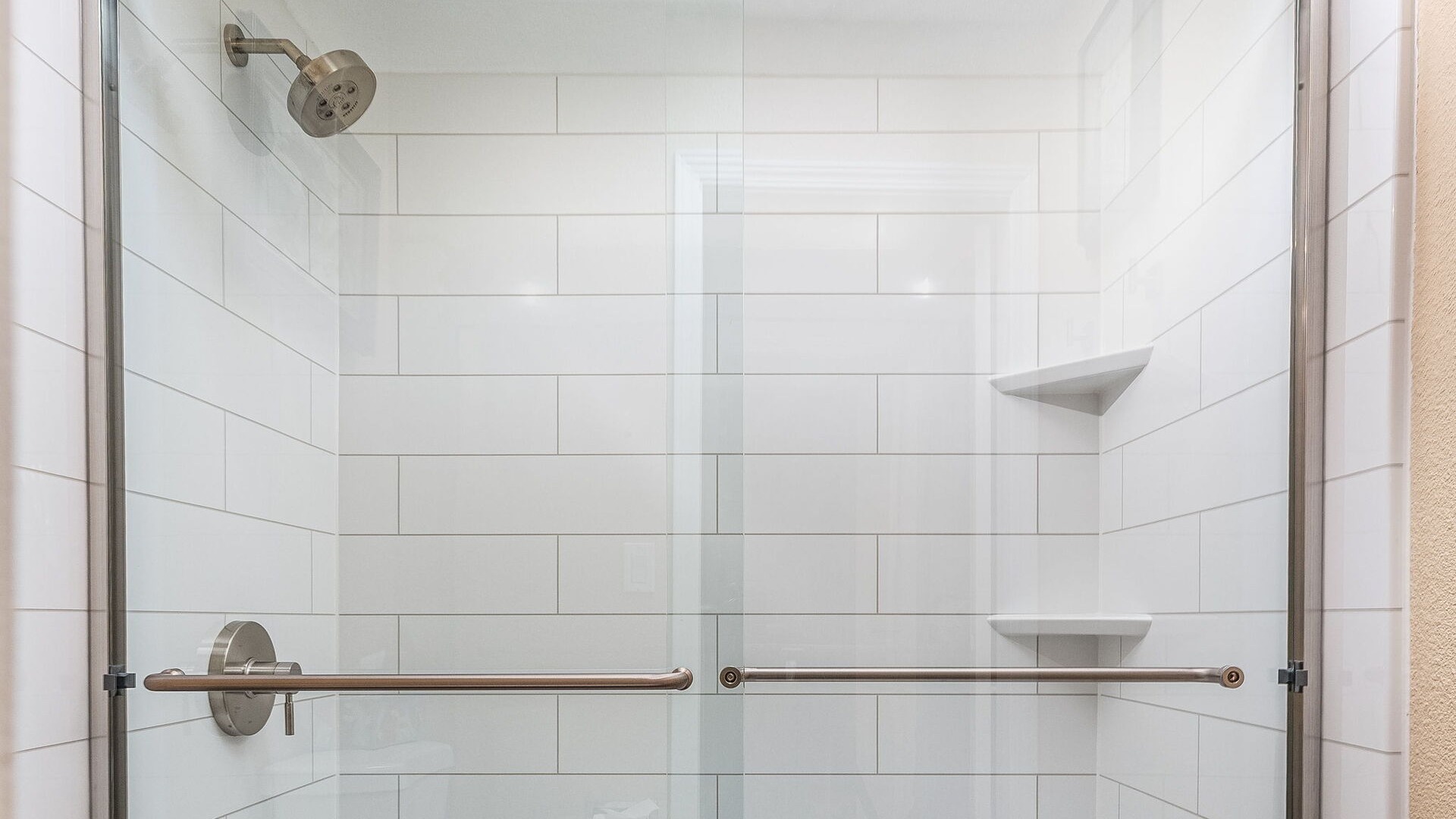
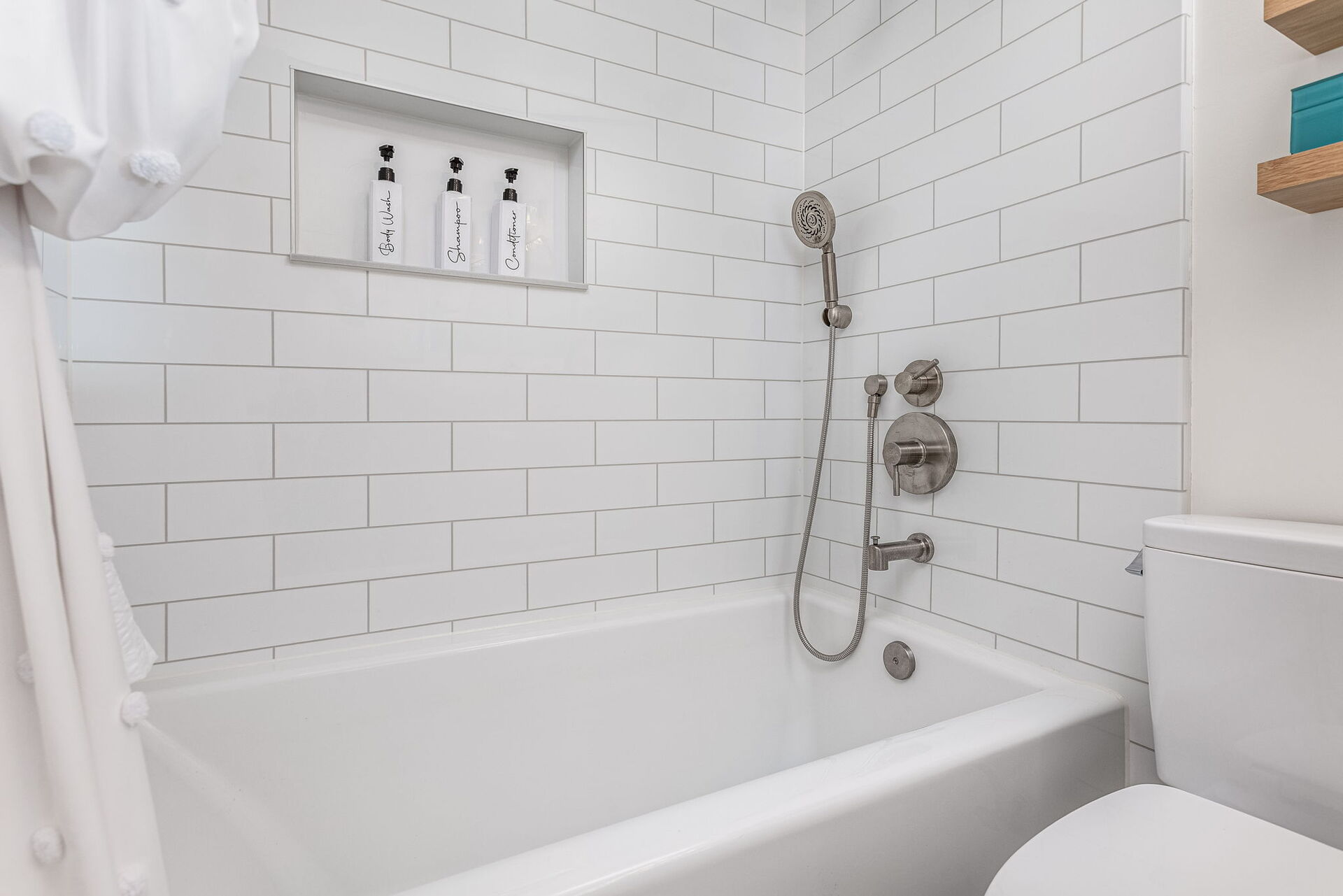
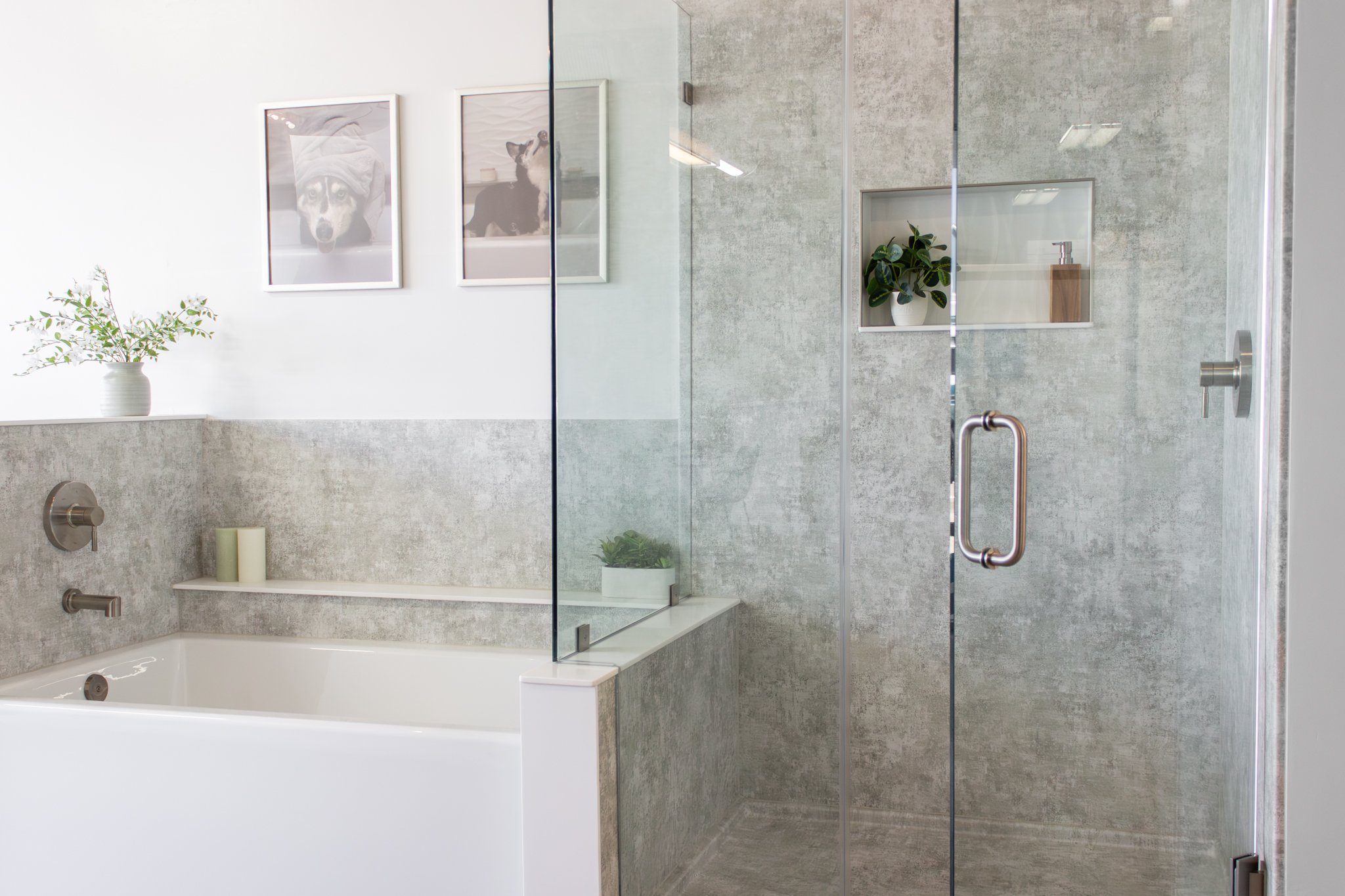
- What Are the Alternatives to Tile and Grout?
Why Is Grout So Hard to Clean?
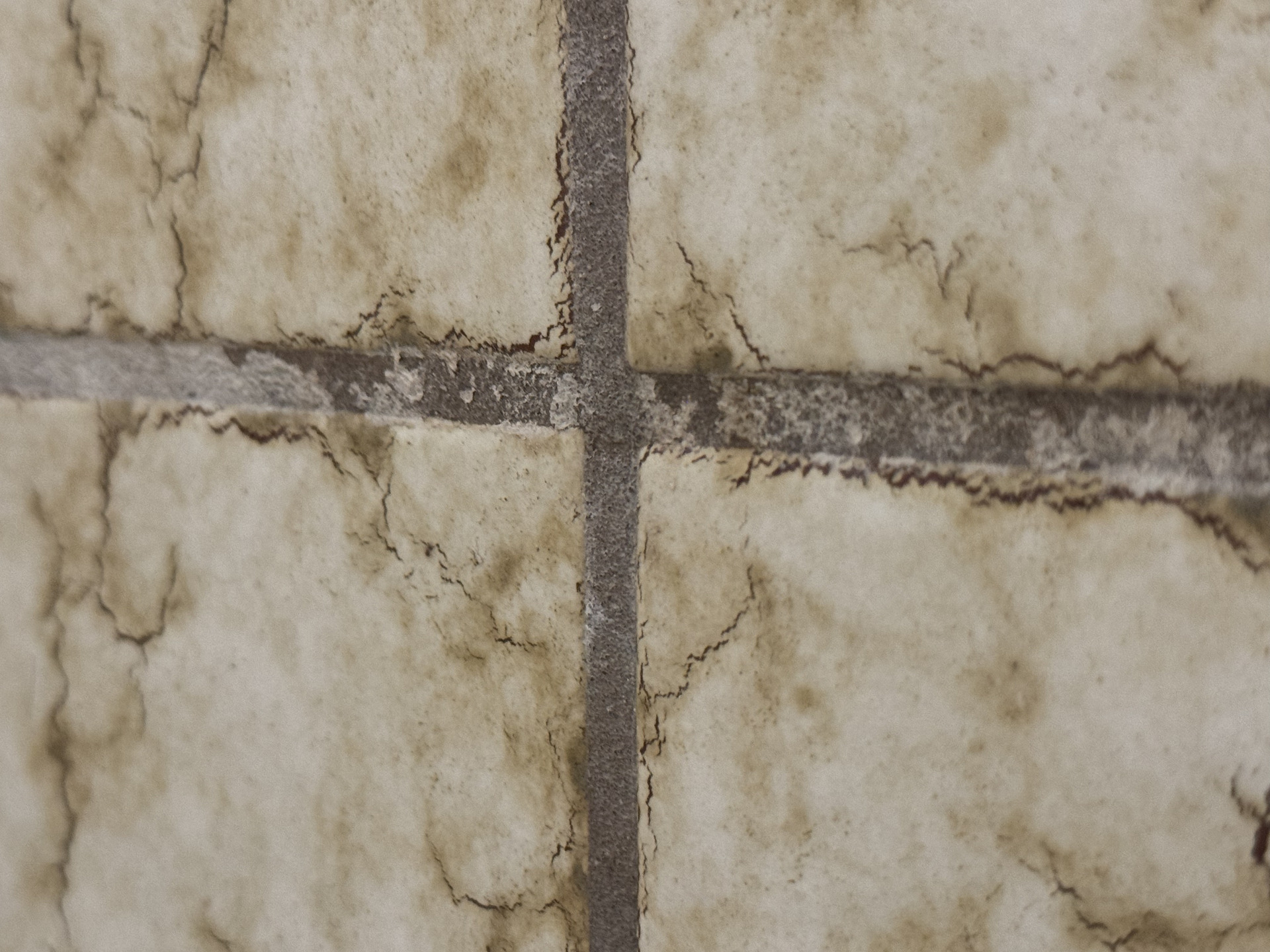
Grout is hard to clean because it’s porous. Most grout is packed sand held together with a bonding agent, though there are unsanded versions. Grout isn’t waterproof on its own; it absorbs water, body oils, bacteria, and soap scum. When moisture gets into the grout and mixes with other waste, it becomes a breeding ground for mold and mildew.
A homeowner’s instinct is to scrub it out by using stiff or abrasive scrubbers, which makes cleaning more difficult over time. They break down the sand that makes up the grout, opening more pores. The more porous the grout becomes, the more it absorbs.
The surface looks unappealing. Eventually, you can have mold thriving from those pores.
Does the Type of Grout Matter In a Shower?
Yes, the type of grout does matter. Different types have their strengths, but none of them solves the maintenance issue in the tub and shower area.
Sanded grout is the most common, used for floor tiles and joints wider than 1/8 of an inch. Unsanded grout is used for narrower joints since it’s made with Portland cement and powdered pigments. Both are still porous and require the same sealing and cleaning routine.
Premium options like epoxy, urethane, and acrylic grout offer more durability and better moisture resistance than standard grout. Epoxy grout is the most durable, using a 2-part formula that hardens into a much tougher surface than sanded or unsanded grout. It is harder to work with and more expensive, but it holds up better over time.
Even the most durable grout options require regular cleaning and resealing in a tub and shower area. Daily exposure to heat, moisture, and cleaning products breaks down any grout surface over time. The type of grout affects how quickly that happens, but it does not change the maintenance requirement.
The only way to eliminate grout maintenance is to choose a material that doesn't require grout.
What Cleaning Mistakes Make Grout Problems Worse?
Grout cleaning mistakes often come down to using abrasive cleaners and the wrong tools.
Abrasive cleansers like Ajax or Bar Keepers Friend dull tile finishes and wear away the grout surface. Grout whiteners and surface coatings only cover the surface. They wear off quickly with regular cleaning. They can temporarily improve the appearance of grout, but they do not fix the underlying problem.
Wire brushes and stiff-bristle scrubbers feel like they are doing the job, but they break down the top layer of grout with every pass. That creates more pitting, more pores, and a surface that gets dirtier faster.
One mistake you don’t want to make is resealing grout before cleaning. Applying sealant over dirty grout traps bacteria, stains, and other materials built up in the pores. Grout needs to be thoroughly cleaned before resealing.
What Is the Best Way to Clean Grout?
For cleaning products, mild liquid cleaners are the safest choice for regular maintenance. If you want a dedicated grout cleaner, Zep makes a product specifically for grout. Before using Zep or any other grout cleaner, read the label carefully and follow all safety instructions. Many grout cleaners contain strong chemicals that require adequate ventilation and protective gear.
A soft-bristle brush provides enough scrubbing power to work through buildup without damaging the grout surface.
How Often Should You Clean and Seal Your Grout?
Grout should be cleaned at least once a week. If you can wipe down or squeegee the tub and shower area after every use, you will reduce buildup and make cleaning much easier.
After cleaning the grout, it should be resealed every 6 months to a year. Not many homeowners remember to reseal their grout, often assuming the seal applied during installation is permanent.
Grout becomes more porous the longer resealing is neglected. For homeowners in Southern California, hard water accelerates this process. Mineral deposits build up quickly and can make even light-colored grout look dingy and foggy.
What Happens When Cleaning Is No Longer Enough?
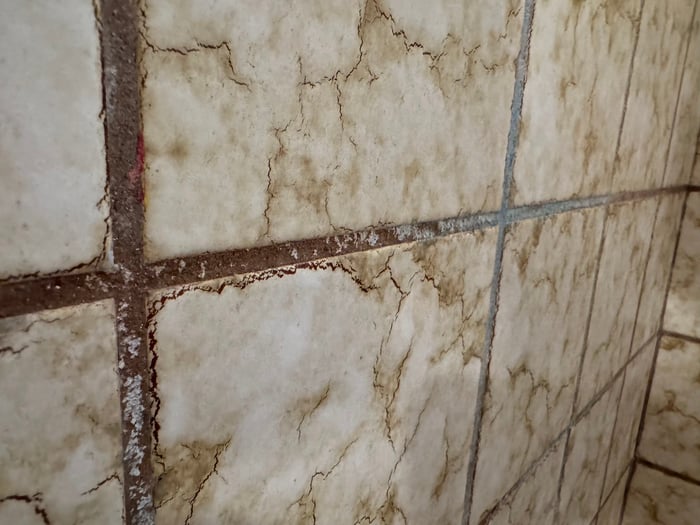
Over time, grout becomes porous enough to allow water to reach the backer board behind the tile. That moisture saturates the backer board over time, and the tile begins to loosen. In older homes, you can sometimes push on the tile and feel it flex. The moisture has been building behind the wall for years.
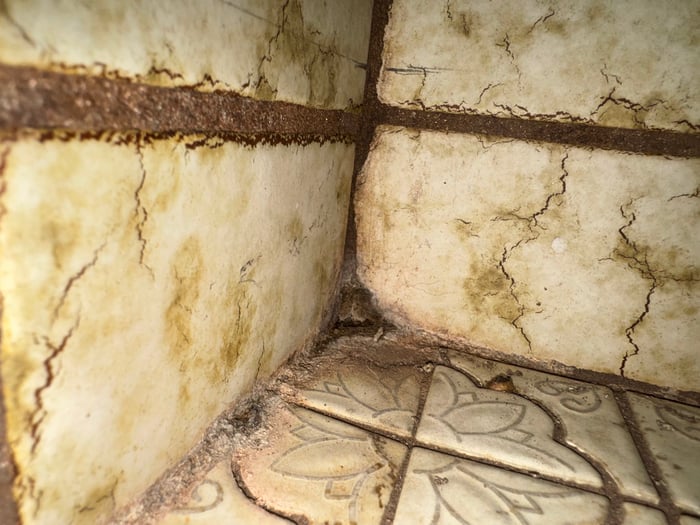
Eventually, mold becomes the bigger problem. Mold needs 3 things to thrive: a food source, moisture, and a dark space. The organic material trapped in porous grout feeds it, the moisture from daily showers sustains it, and the enclosed space keeps light out.
Wiping mold off the surface does not eliminate it. The stronger the chemicals you use to fight mold, the more they break down the grout.
Some homeowners try regrouting as an alternative to a full remodel. A professional will use a rotary tool to grind out the old grout and apply a fresh layer. It is a messy, dusty, time-consuming process. The secondary layer chips more easily than the original. In our experience, most people get less than 18 months out of it before the problems return.
What Are the Alternatives to Tile and Grout?
There are lower-maintenance shower materials worth considering that reduce or eliminate grout lines. Here are shower material options to compare:
|
Material |
Grout Lines |
Maintenance Level |
Notes About the Material |
|
Fiberglass |
None. |
Starts low, but increases over time. |
The gel coat wears down with age, making the surface porous and difficult to clean. |
|
Acrylic Wall Panels |
None. |
Low. |
Acrylic is non-porous, but the seams and joints need occasional maintenance. |
|
Large-Format Tile |
Fewer lines than with standard tile. |
High. |
Grout is still present and requires the same cleaning and resealing. |
|
Slab Porcelain |
None. |
Low. |
Non-porous and durable, but costly and requires a highly skilled installer. |
|
BP-Cor2 |
None. |
Lowest. |
BP-Cor2 is non-porous, flexible, and cleans with a simple wipe-down. Available in a laser-etched tile-look finish where the lines stay completely non-porous. |
When Is It Time To Stop Cleaning Grout?
Grout is hard to clean because it’s packed sand that absorbs water, oils, bacteria, and soap scum. No amount of scrubbing resolves this issue. The wrong tools and cleaners can make cleaning worse over time.
The right cleaning routine and consistent resealing every 6 months to a year can slow the cycle. But if your grout has reached the point where cleaning no longer makes a difference, you might want to consider different shower materials.
If you like the look of tile but don’t want the maintenance that comes with it, read our article that compares traditional tile to modern shower tile.
Have questions about your shower grout or the state of your tub and shower area? Contact Shugarman's Bath and speak with a professional.

Topics:
-1.png?width=1920&height=1080&name=VERSUS%20(1)-1.png)
.jpg?width=1440&height=1080&name=IMG_4896%20(1).jpg)