

What Matters Most
|
No matter how hard you scrub, does your tub or shower never seem to be clean?
Does grime return after you just cleaned?
If you’re dealing with this problem, you’re not alone. You aren’t doing anything wrong, either. The truth is that the material of your tub or shower becomes more difficult to clean over time. Scrubbing harder or using stronger cleaners tends to make the situation worse.
This article will explain why your tub or shower becomes difficult to clean over time, how different materials break down differently, everyday cleaning habits that tend to make things worse, and steps you can take to keep your bathroom cleaner with less effort.
Why is My Tub or Shower So Hard to Clean?
If we had to take a bet, it would probably be because your tub or shower is porous. The surface of the tub has microscopic pores, acting like bowls that collect a whole bunch of waste, like dirt, oils, bacteria, soap residue, sweat, and hard water materials.
Hard water is water that contains high levels of minerals. This will include calcium and magnesium.
The materials occupy space and settle into the pores. Anytime you have an open cavity, something is going to fill it. You can get rid of the grime, but the deeper discoloration stays.
What Materials Affect the Cleanliness of My Tub or Shower?
Different materials in your tub and shower area will affect what happens when you clean your shower. They aren’t all porous, either. Here’s what happens with each of these materials over time.
Tile and Grout
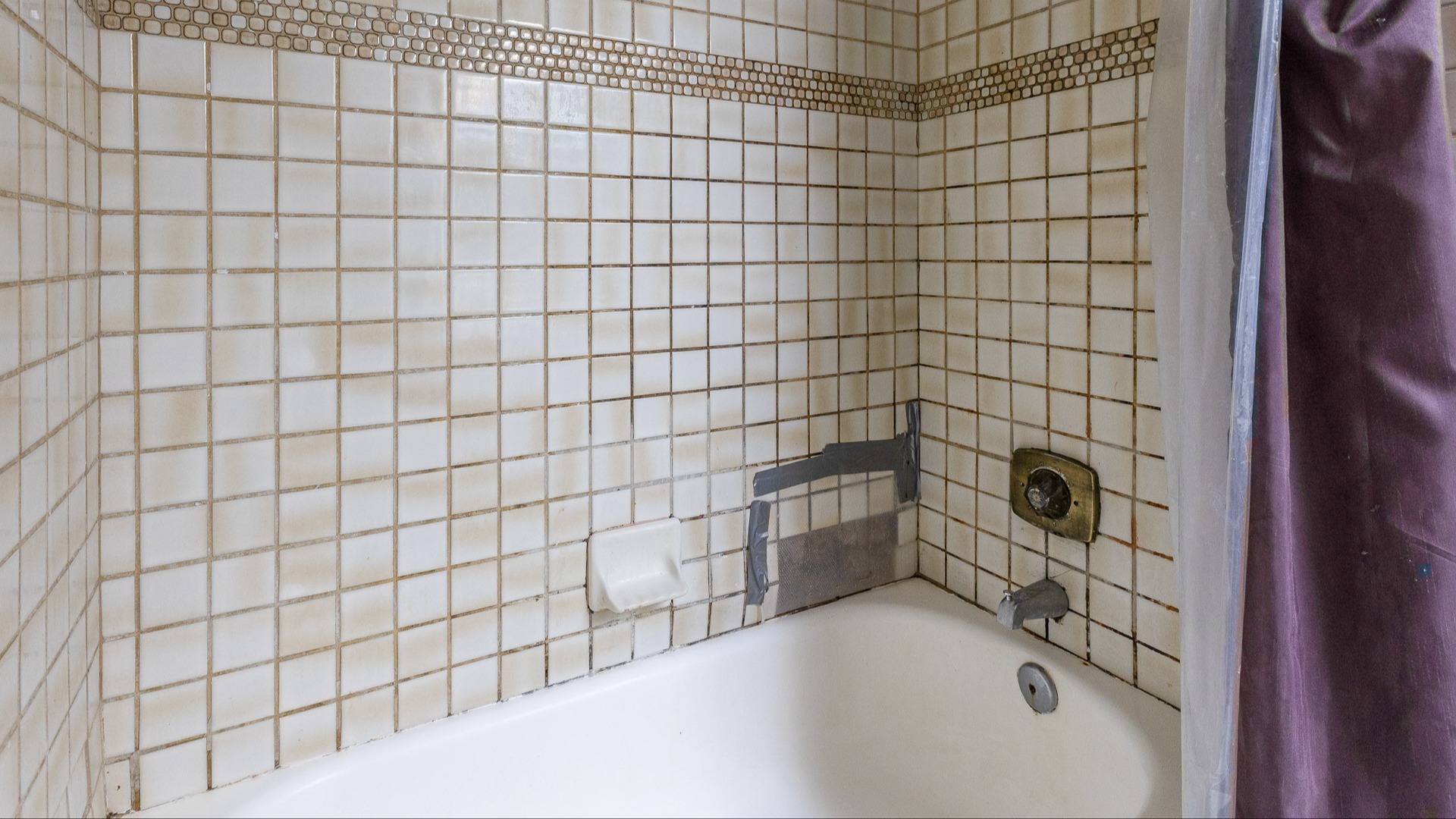
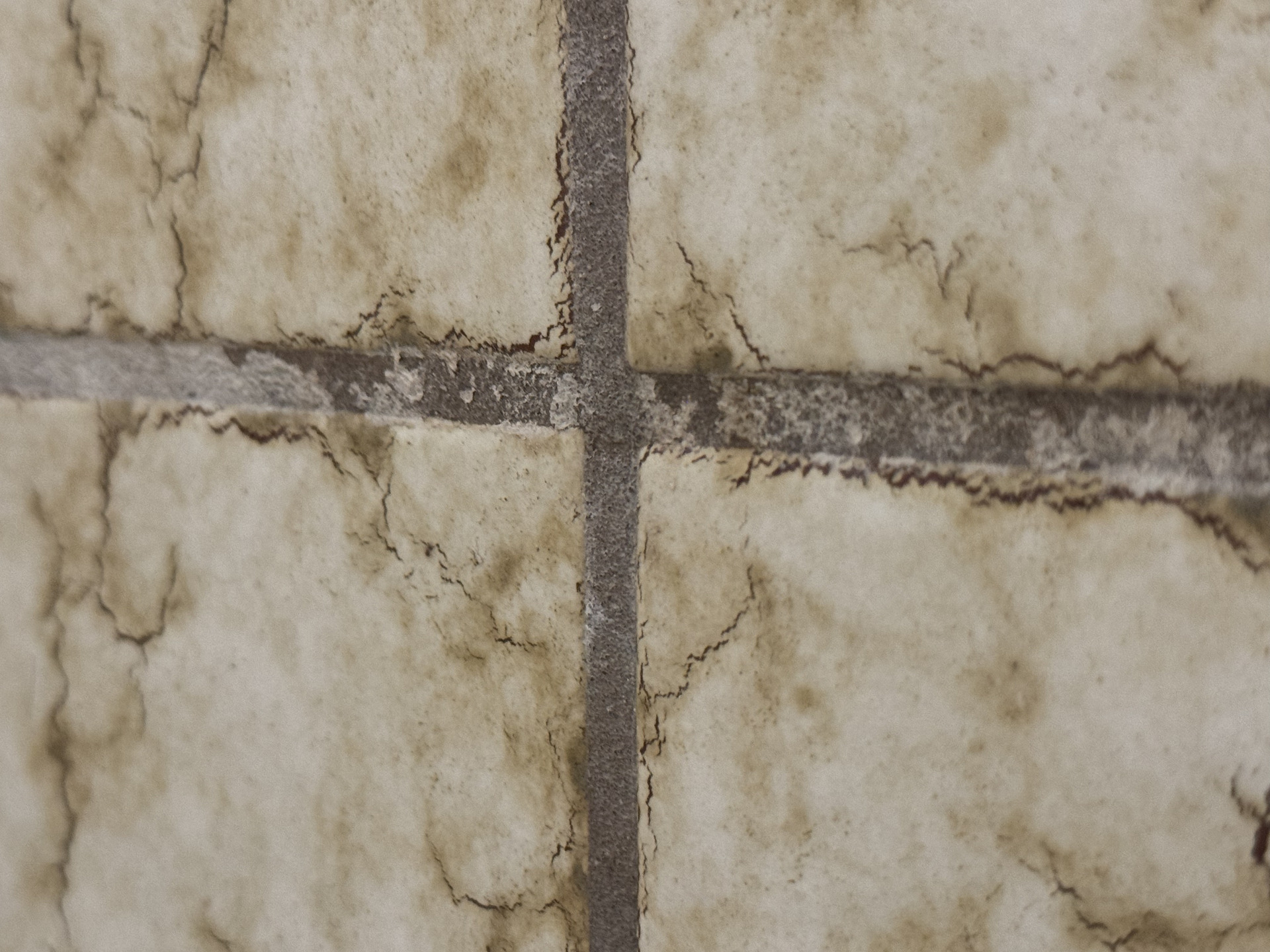
Tile is durable, but it does crack and chip. It typically doesn’t stand up to the change from cold to hot too well when bathing daily. And the grout applied is a sand-based material. This means water is absorbed instead of repelled.
Industry recommendations suggest grout should be resealed annually in daily-use showers. However, it’s rare for homeowners to do this. It’s not exactly a top-of-mind priority.
So what does this all mean? With water being absorbed, it means:
- Mold and biological growth are under the grout.
- Staining that keeps returning even after bleaching
- Water can hide behind the tile
- A dark, damp, low-airflow environment that becomes a breeding ground for bacteria
Deep cleaning doesn’t remove what’s behind the walls.
Fiberglass
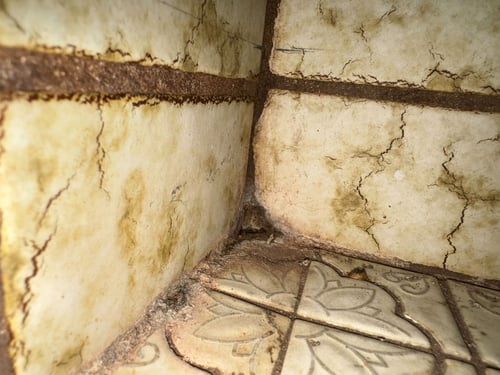
Fiberglass has a porous structural base that’s covered in a thin gel coat.
Here’s what you can expect over time:
- Cleaning erodes the gel coats
- The microscopic pores open up
- The stuff you clean off your body gets in the pores
- Scrubbing tends to make the pores worse.
If you have a fiberglass tub and are feeling confused as to why it still looks dirty after so much cleaning, here is why. In some cases, homeowners start to notice staining in as little as two years. This isn’t a universal rule with fiberglass tubs or showers. However, it seems to be a pattern with our clients, especially when the surface has been scrubbed with abrasive cleaners or exposed to hard water.
Acrylic
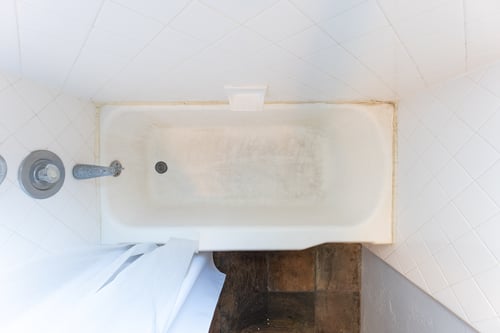
Acrylic is non-porous. However, it does tend to be brittle and less durable compared to higher-grade materials. It’s better at resisting stains compared to fiberglass. That said:
- It can still scratch
- Abrasive materials can dull it
- Harsh chemicals can break down the finish
Acrylic systems often require homeowners to re-caulk corners every five years. The seams are common places for discoloration and biological growth.
Enamel Tubs (Cast Iron or Steel)
Don’t get it twisted: these tubs are incredibly durable, but the enamel can wear down. So you can see:
- Tiny scratches become pores
- Chipping
- Water sits longer
- Black specks or metal can start showing
- Stains settle deep inside worn enamel
Steel tubs tend to have thinner enamel than cast iron, so they deteriorate faster.
Note: Either of these two tubs is porous once the enamel wears off.
How Does Hard Water Make Cleaning Difficult?
Believe it or not, we aren’t talking about ice when we refer to hard water. Hard water, as mentioned earlier, is water with high levels of materials like calcium and magnesium. Compare this to soft water, where there is less of those materials, which means cleaning is generally easier.
So, Why Does Hard Water Matter to Me?
San Diego County and Orange County have hard water. So hard water is going through your pipes (unless you have a soft water system).
When the water dries, materials stay behind. White or chalky spots appear on shower walls, floors, fixtures, and glass doors.
Material residue tends to appear quickly, even after cleaning.
What Cleaning Practices Make My Tub or Shower Dirtier?
There are habits homeowners practice, thinking they will better clean their tub. However, the issues tend to get worse or more frequent.
Abrasive Cleaners Deteriorate Materials
Heavy-duty cleaners like Ajax or Comet tend to scratch enamel, gel coats, and acrylic finishes.
Heavy Scrubbing with Pads or Steel Wool.
Yes, they are designed to remove grime. However, they also remove the protective layer of your tub or shower.
Harsher Chemicals
Like abrasive cleaners, they tend to wear down protective coatings
Water Sitting on Flat Surfaces
Hopefully, there would be good drainage in the tub or shower area. This isn’t always the case. Plus, shower seats, window sills, or shelves can collect water.
With standing water comes bacterial and mold growth.
Forgetting to Rinse After You Shower
A thin layer of soap film stays behind after showering. That layer becomes sticky and acts as a magnet for body oils, dust, and hard-water materials. This can make cleaning harder and/or speed up staining.
Using a shower squeegee on your walls after bathing isn’t a bad idea after every use.
What is the Most Effective Way to Clean My Tub or Shower
Here’s what you can do to maintain what you have without making things worse.
Recommended for fiberglass, tile, acrylic, or enamel:
- Use mild soap and water
- Clean with cleaners like 409, Simple Green, or Fantastik.
- Scrub with non-abrasive sponges or microfiber cloths
- Squeegee shower doors after every use.
Avoid using:
- Powdered cleaners
- Anything gritty
- Ammonia
- Harsh acid cleaners
- Steel wool
As for combating hard water buildup, you can use a mix of:
- ½ cup of distilled white vinegar
- ½ cup of water
- 1-2 tablespoons of dish soap
The distilled white vinegar and water don’t need to be ½ cup each. If the measurements are equal, you’re good. Make sure the amount of dish soap is proportional.
You Can Refinish as a Short-Term Option
Refinishing is a process where a contractor sands down the old surface and applies a new coating. Think of this as the equivalent of painting a fresh layer over the existing tub or shower.
Everything will look better, but refinishing doesn’t fix the underlying issues. Refinishing may last 3-5 years until the coating peels.
Cleaning Your Tub or Shower May Not Be Enough
Sometimes, cleaning isn’t enough. And paying extra money for a temporary fix can only do so much for so long.
It gets to a point where the material is more of the problem than the cleaning. You should remodel your tub or shower.
Remodels Can Be Easier to Clean Long-Term
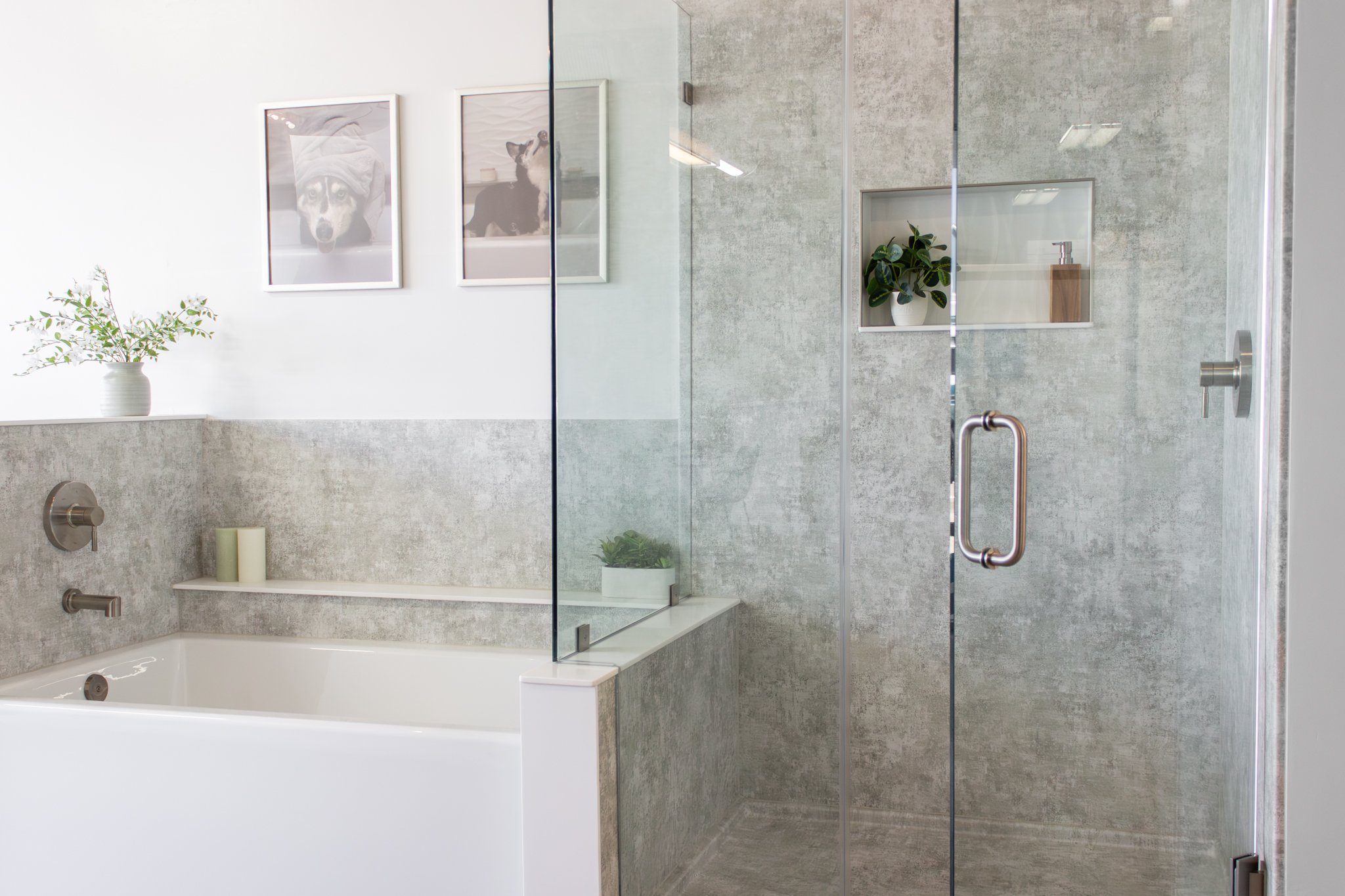
Choose non-porous materials. Shugarman’s Bath uses a material called BP-Cor2, which is non-porous, highly scratch-resistant, and built for long-term durability.
When remodeling, you’ll want to:
- Avoid large flat surfaces
-
- Don’t collect standing water. You always want water to drain to reduce the risk of soap scum, staining, and biological growth. You don’t want excessive pooling, particularly in corners.
- Minimize seams
-
- Every seam or join is a potential place for discoloration or buildup. Fewer seams keep the shower looking cleaner with less effort.
- Choose glass with a protective coating
- Modern coatings help water bead off rather than cling to glass. Reduce hard water spots and keep the door cleaner.
Cleaning Your Tub or Shower Shouldn’t Be Difficult
At this point, you understand that constant scrubbing and heavy-duty cleaners aren’t resolving the bigger issue. Don’t blame your cleaning routine. The materials break down over time.
You came here because of the frustrations of dealing with stains, buildup, or discoloration that just won’t go away. It’s those pesky porous surfaces, worn finishes, and hard water that make your cleaning quest feel impossible.
Next, learn about the benefits of replacing a tub or shower rather than refinishing.
Shugarman’s Bath is here to help homeowners like you feel better about your bathroom. If you have questions about your tub or shower, we would be more than happy to help.

The opinions expressed in the referenced materials are those of the authors only, not necessarily of Shugarman’s Bath. While these referenced materials are useful in answering generalized questions, each bathroom is unique. For a particular question about your tub or shower remodeling project, contact your Shugarman’s Bath consultant.
-1.png?width=1920&height=1080&name=VERSUS%20(1)-1.png)
.jpg?width=1440&height=1080&name=IMG_4896%20(1).jpg)
