
What Matters Most
|
You might smell something musty near the tub or shower, see paint peeling on the walls next to it, notice cracked grout, or see mold growing along the corners or silicone lines. Either way, you might be wondering whether water is getting somewhere it shouldn’t. The difficult part is that you can’t see how water is affecting what’s behind the walls.
Shugarman’s Bath specializes in tub and shower remodeling and completes more than 500 design consultations with homeowners every month. Many of the conversations start with the concern that water is somehow damaging what’s behind the shower walls.
In this article, you’ll learn why waterproofing matters, the warning signs that waterproofing may be failing, where leaks often happen, what contractors commonly get wrong, and what a properly waterproofed tub and shower area should include.
Table of Contents:
- Why Does Waterproofing Matter So Much in the Tub and Shower Area?
- What Are the Warning Signs That Waterproofing Is Failing?
- Where Is Waterproofing Most Likely to Fail?
- What Do Contractors Get Wrong When Waterproofing?
- How Should a Tub and Shower Area Be Properly Waterproofed?
- Do You Think Your Home Has Water Damage?
Why Does Waterproofing Matter So Much in the Tub and Shower Area?
Waterproofing matters in the tub and shower area because it is the most prone to water issues. If it isn’t properly waterproofed, a new shower remodel won't last long. Every time you shower for ten minutes, the area is hit with about 17.2 gallons of water.
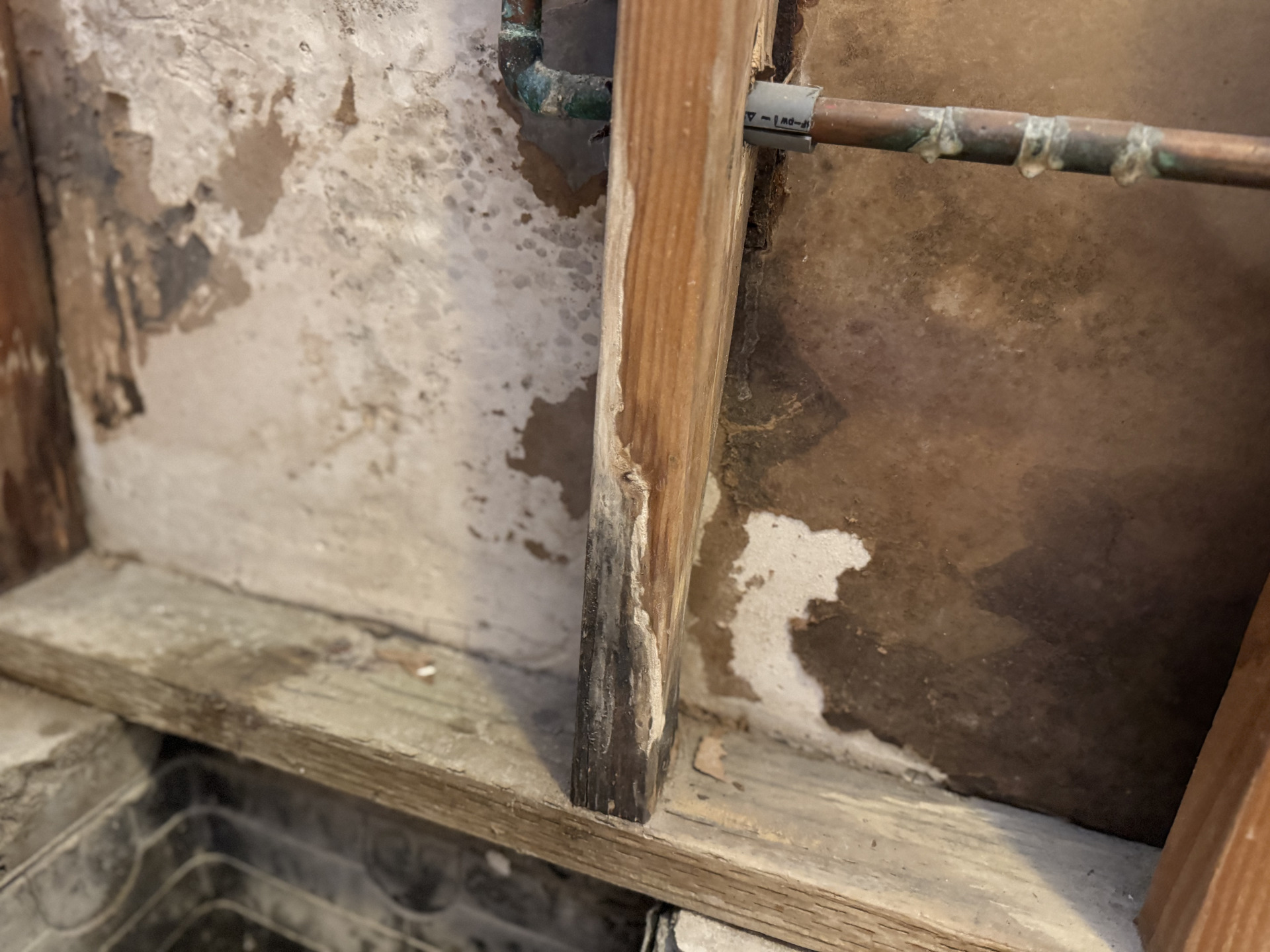
When waterproofing fails, water will find its way behind your walls and under the floor. From there, it can saturate the framing, rot the wood, and allow mold to grow. By the time you notice there’s something wrong, the damage behind the wall is usually much worse.
Many contractors rely on silicone or caulk as the primary defense. Both eventually fail. Silicone eventually dries and cracks, and standard caulk isn’t designed for use in the tub and shower area.
Cutting corners on waterproofing doesn't save money. Eventually, you’ll be doing another remodel. The most expensive remodel is the one you have to do twice.
|
|
|
What Are the Warning Signs That Waterproofing Is Failing?
Many waterproofing problems aren't obvious right away. The warning signs tend to show up long after the damage behind the wall has already happened.
Here’s what to look for:
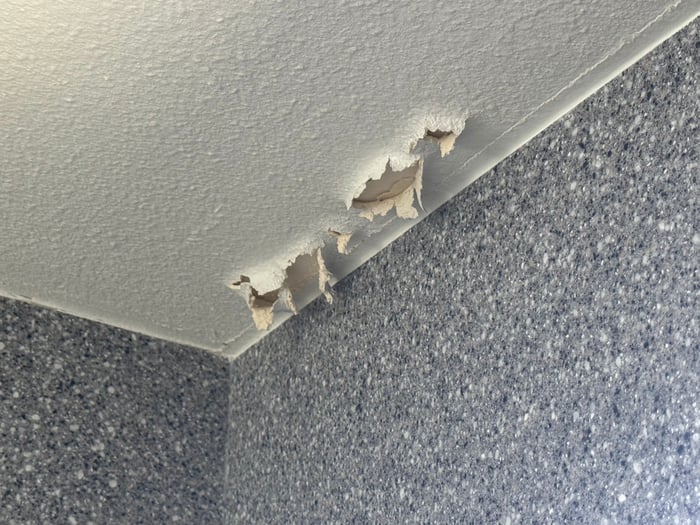
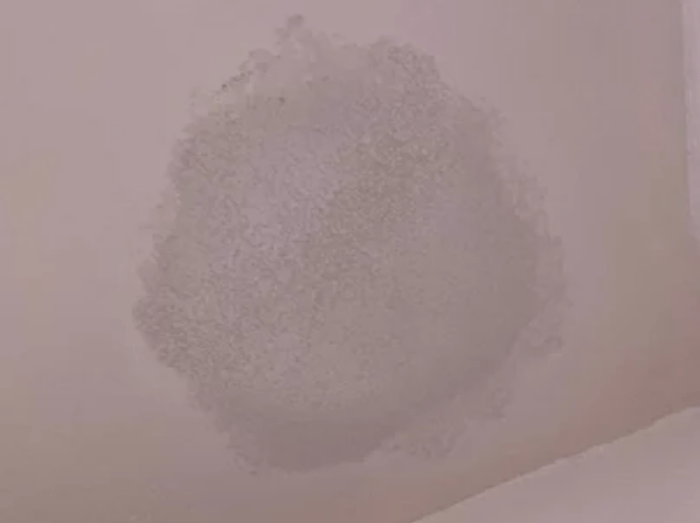
Paint bubbles or peels near the tub and shower area. You might see this on a wall adjacent to your tub and shower area, on the ceiling inside the tub and shower area, or on the ceiling of a room below a second-floor bathroom.
Water is pooling on the bathroom floor outside the tub and shower area. Water might be escaping the space and going somewhere it shouldn't. Over time, water seeps into the subfloor and the wall framing beneath.
A moldy or musty smell. Sometimes this smell sticks around even after a long day of cleaning. Mold or mildew has likely been developing for a while.
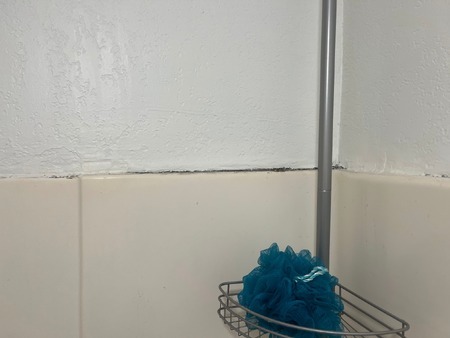
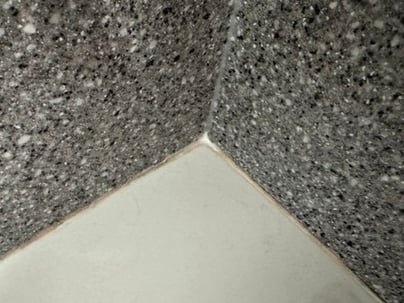
Mold in the corners or along silicone lines. Corners are the first place where waterproofing is likely to fail. If you're seeing mold grow in the same spots consistently, even after cleaning, it has found a food source beneath the surface.
Stucco or exterior paint peeling on the outside wall. When moisture gets behind the backer boards, it can push into your home’s exterior. The waterproofing inside has likely been failing for some time if you see stucco or paint peeling outside.
Water spots on the ceiling. It means the tub and the shower area above it have been losing water long enough to saturate the subfloor and show up on the other side.
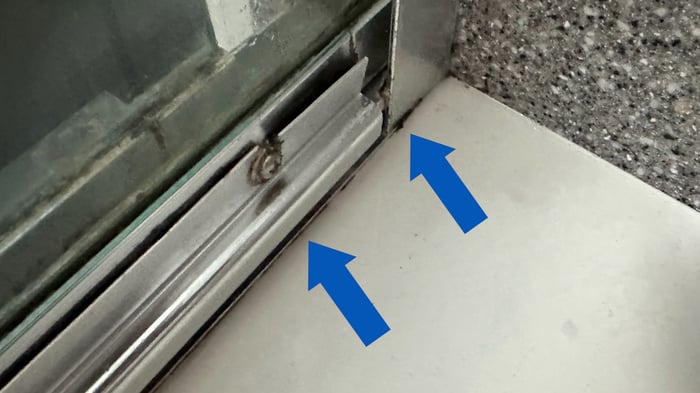
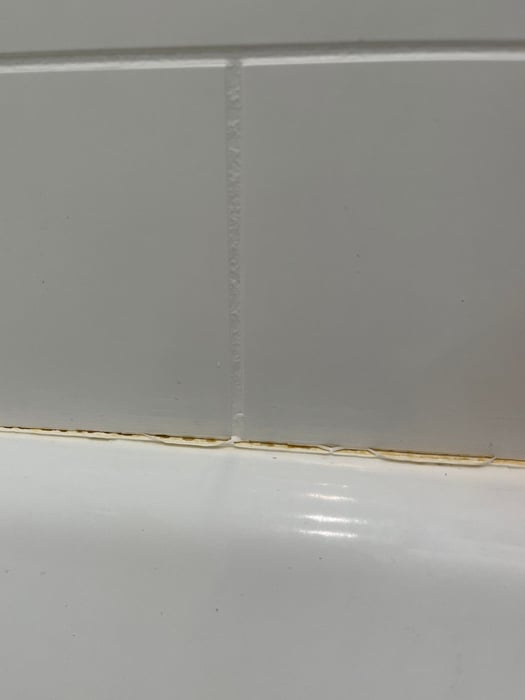
Silicone or caulk is pulling away from the wall. Separating caulking or silicone is an open door that gives water a direct path behind the surface.
Many of these signs overlap with signs that your tub or shower may need a full remodel. For a broader look, read our article on 5 Signs That It's Time for a Tub or Shower Remodel.
Where Is Waterproofing Most Likely to Fail?
Corners. Corners are the most common failure point. Two walls meeting at a corner create a joint that absorbs movement from temperature changes and normal house settling. Some contractors use grout in corners, which will eventually crack. Grout is not built to flex.
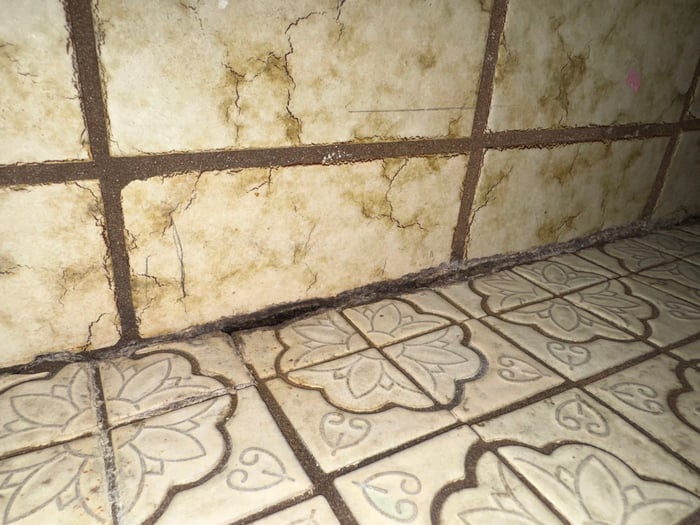
Where the shower pan or bathtub meets the wall. This seam is where two different materials meet. Any gap between them gives water a direct path behind the wall. If it isn't sealed properly, water will seep into that gap every time the shower runs.
Gaps around fixtures. The valve handle, showerhead, soap dish, and grab bars all need to be sealed where they meet the wall surface. Water seeps through any gap in the surface when the shower runs.
Window ledges. Southern California is one of the few places in the United States where a window will be in the tub and shower area. The window ledge is a flat surface where water can sit and soak in. Many window surrounds in homes are built with the same paper-faced drywall used in the rest of the house.
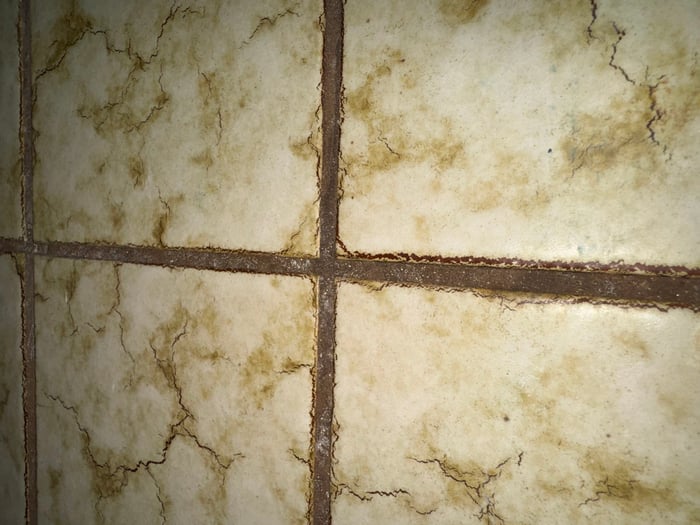
Grout lines. Grout is porous and needs to be resealed once every six months to a year. Every grout line is a small channel that can trap moisture, soap residue, and organic material.
What Do Contractors Get Wrong When Waterproofing?
Here are some parts of waterproofing that contractors also get wrong:
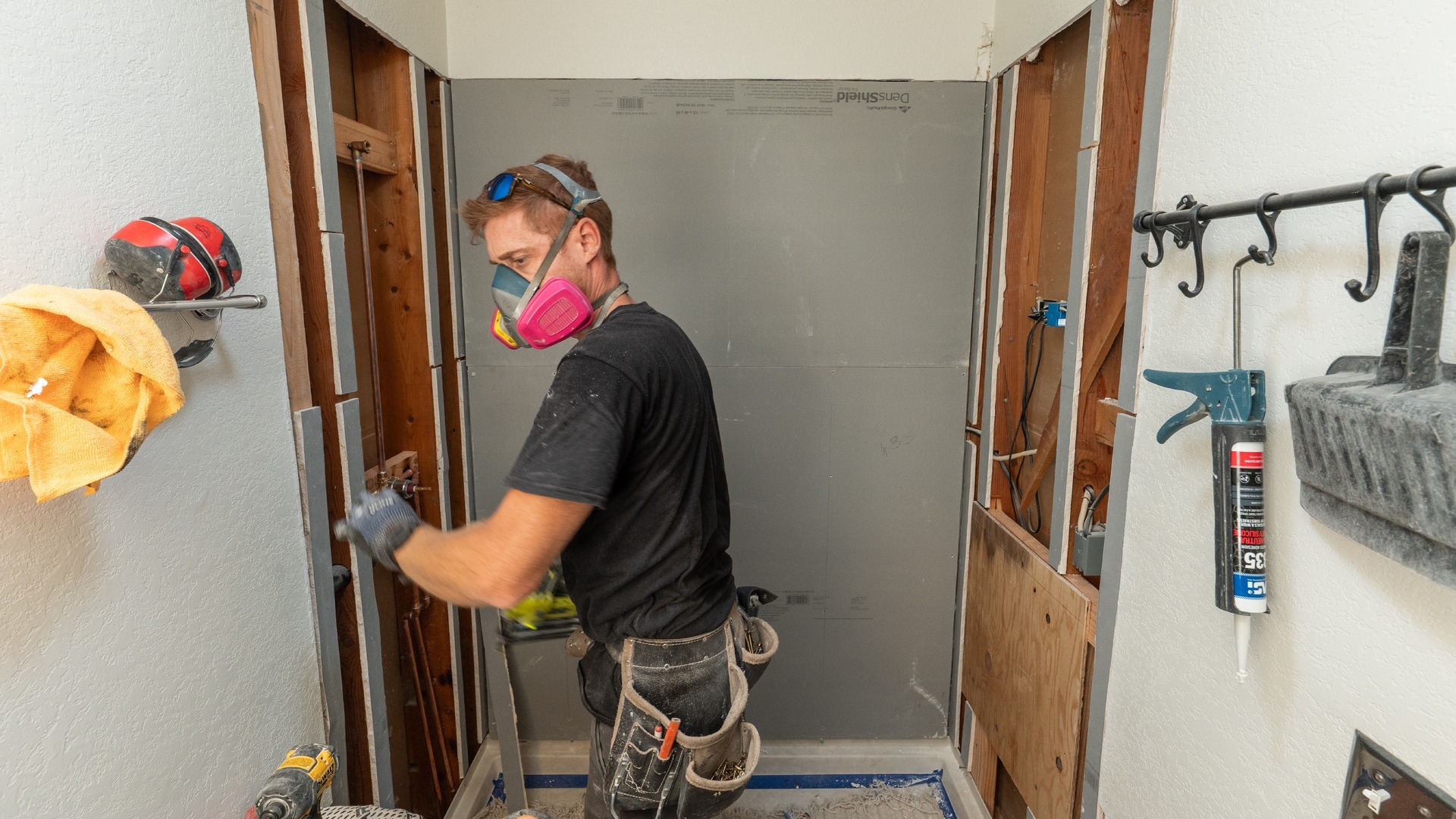
Using paper-faced drywall as a backer. Green board, blue board, and purple board all have organic paper-faced gypsum cores. When the backer board is repeatedly exposed to water, it gets wet, breaks down, and creates a surface where mold can grow.
In 2006, the International Residential Code removed paper-faced gypsum products from the approved list of backer materials for tub and shower areas.
Using cheap silicone or standard caulking as the primary waterproofing. Silicone will eventually dry, crack, or peel away. When it fails, water will get behind the walls. Standard caulking is meant for drier spaces that aren’t repeatedly exposed to water.
Using grout in corners. Because houses shift and temperatures in the tub and shower area fluctuate constantly, grout is likely to crack. Corners should be finished with silicone because it offers greater flexibility.
Leaving gaps around fixtures unsealed. The valve handle, showerhead, soap dish, and grab bars all need to be sealed where they meet the wall surface. A missed gap can cause the same damage as a failed corner seal.
Rushing through high-stress areas. Proper waterproofing takes time because you need to seal seams, treat corners as movement joints, and make sure that no porous material comes into contact with water.
For a more in-depth look at each of these mistakes, read 5 Waterproofing Mistakes by General Contractors in a Shower Remodel.
How Should a Tub and Shower Area Be Properly Waterproofed?
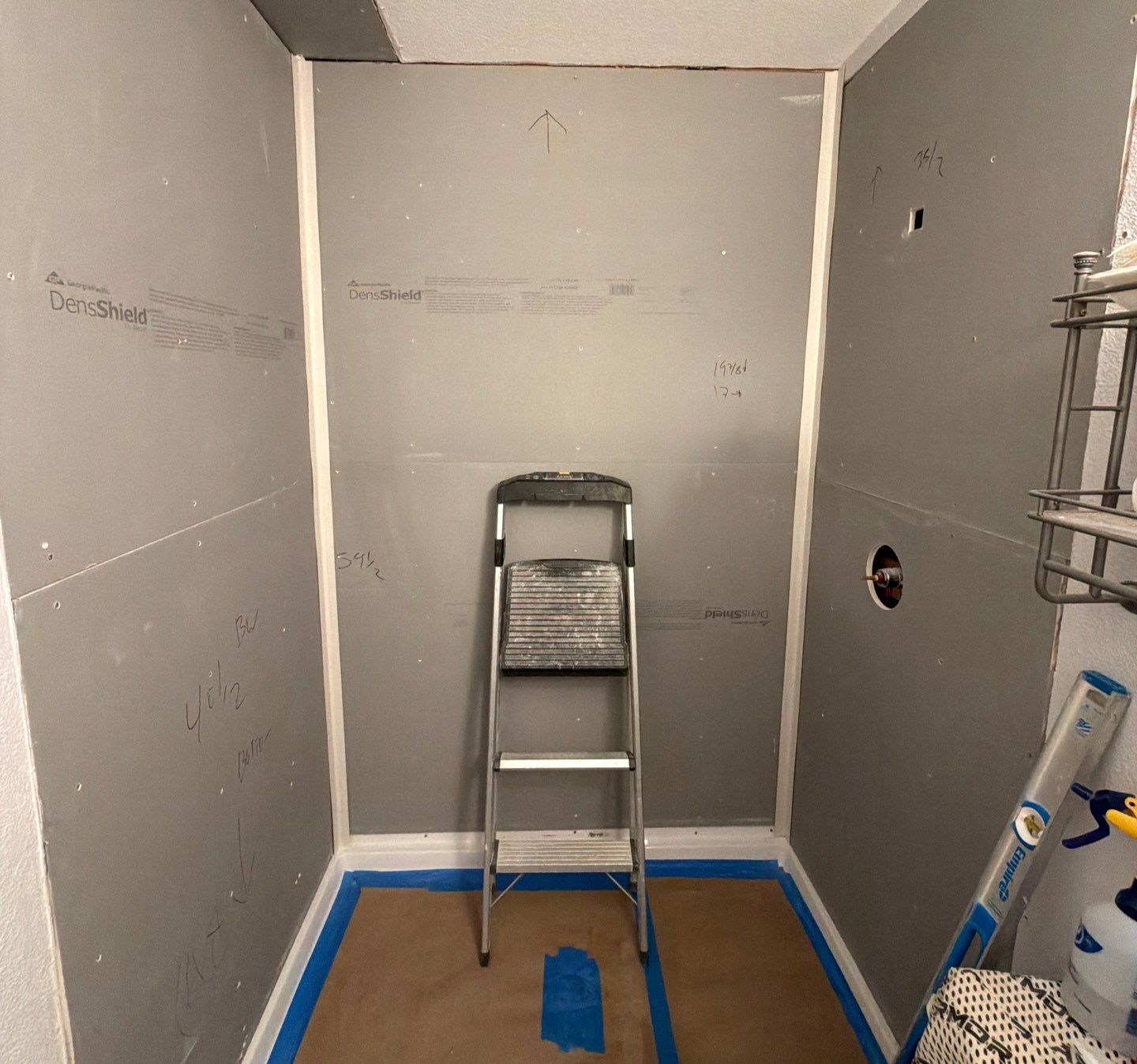
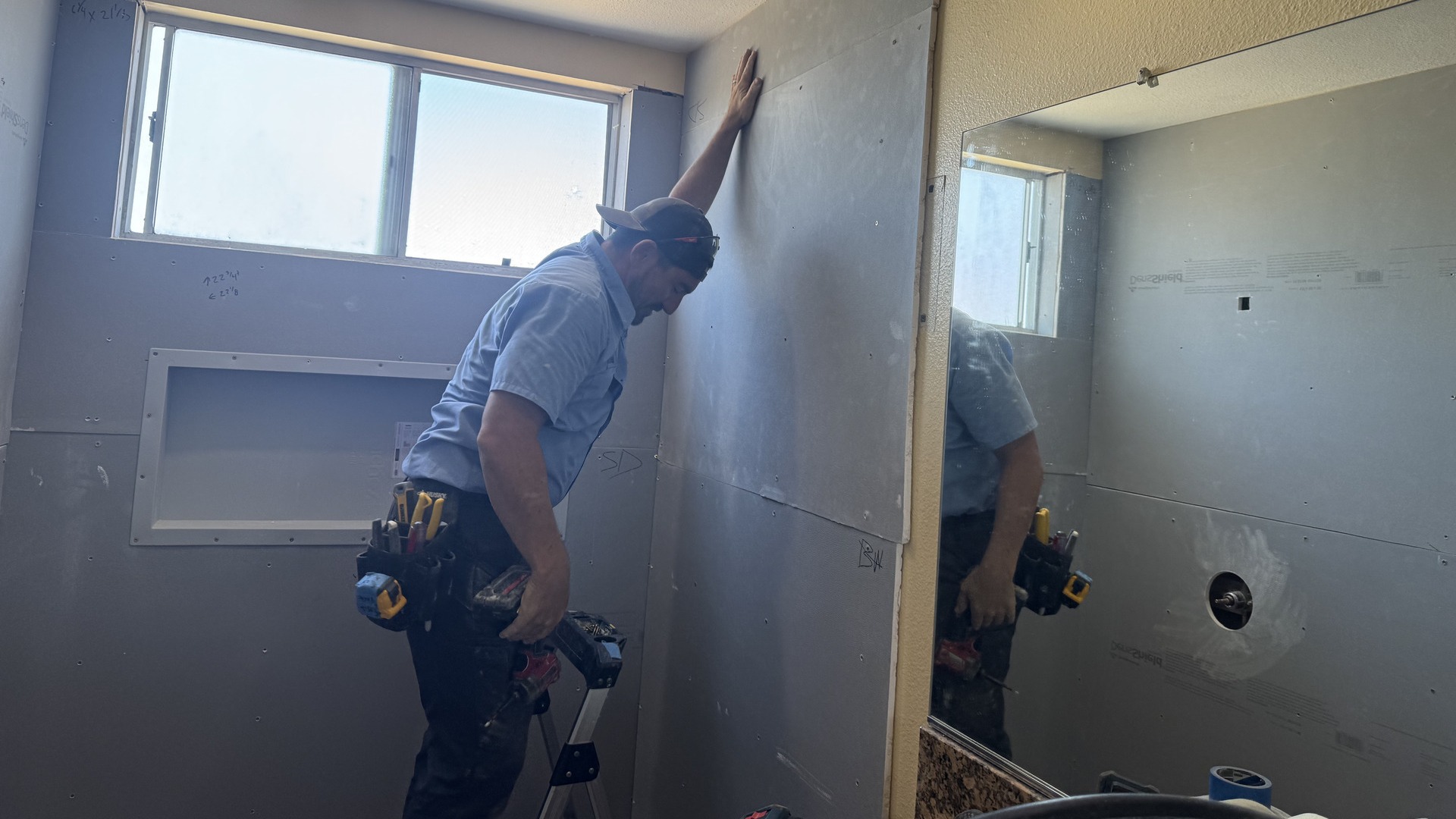
Proper waterproofing starts with the right backer board. From there, every seam needs to be treated before the wall surface goes on. At Shugarman's Bath, that means a flashing strip bonded with an elastomeric adhesive that stays flexible over time.
Silicone is then used along the exposed edges and visible seams to give the finished installation a clean look.
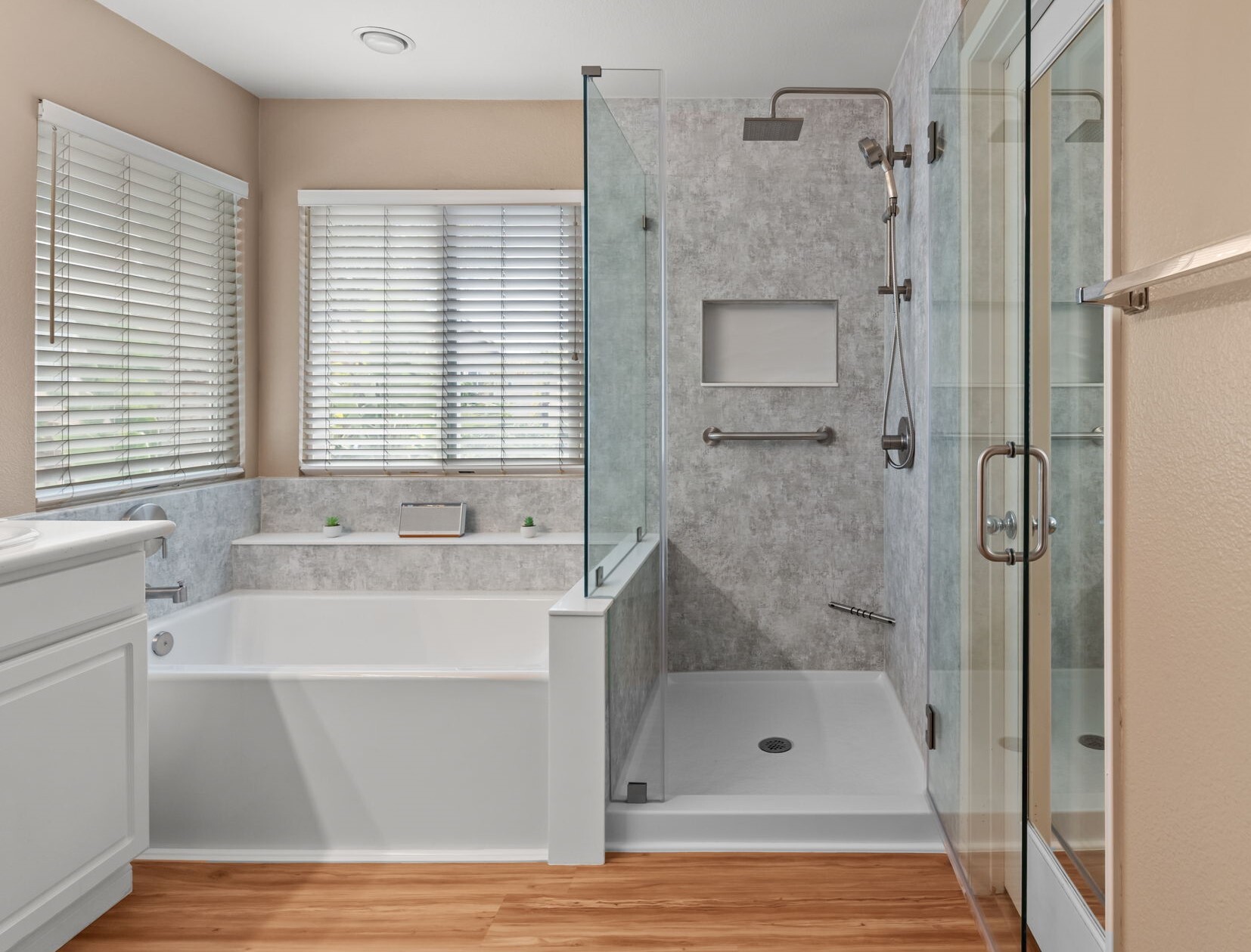
Shugarman’s Bath uses a 4-layer Never Leak system that protects the walls on the surface and the framing behind your walls. The walls themselves are the final layer, added to complete the look once the waterproofing system beneath is already complete.
|
|
|
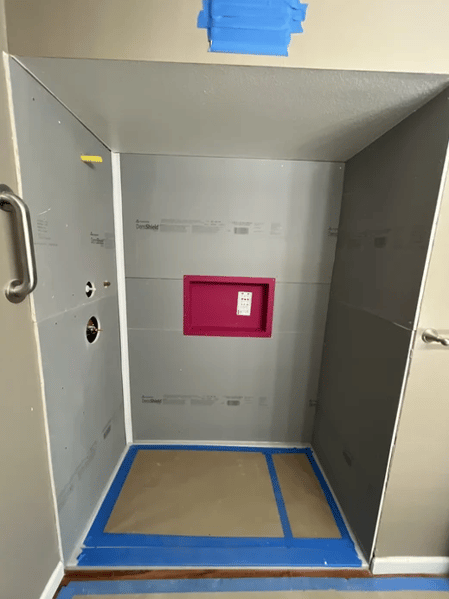
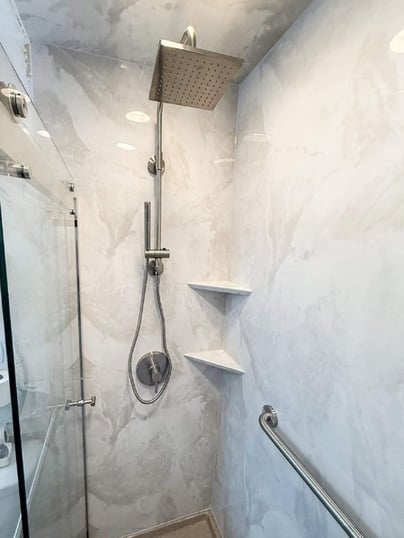
Do You Think Your Home Has Water Damage?
Waterproofing requires the right backer board, sealed seams, protected corners, and a full system built to handle constant water exposure. So long as water can get through gaps and cracks, you are more likely to experience damage to the framing, subfloor, or rooms adjacent to the tub and shower area.
If you’re seeing multiple signs that waterproofing is failing, read our article on signs it’s time for a tub or shower remodel.
Need a professional to check out your waterproofing? Contact Shugarman’s Bath today to see how we can help you and develop solutions for your tub and shower area.

The opinions expressed in the referenced materials are those of the authors only, not necessarily of Shugarman’s Bath. While these referenced materials are useful in answering generalized questions, each bathroom is unique. For a particular question about your tub or shower remodeling project, contact your Shugarman’s Bath consultant.
FAQs on Tub and Shower Remodeling:Q: Does Shugarman's Bath Do Repair Work?No, Shugarman's Bath does not do general repair work. The reason is that repairs are temporary fixes that buy time but do not solve the underlying problem. Most homeowners end up paying for the same repair more than once, or eventually replacing the materials anyway after spending money trying to maintain them. Q: Do you remodel the whole bathroom or just the tub and shower area?We're specialists in the tub and shower area. That's where our focus stays. For other parts of your bathroom, we work with trusted contractors regularly and can refer you to the right people at no extra charge. That referral can save you 10-20% on a larger project. |
.jpg?width=1920&height=1080&name=VERSUS%20(2).jpg)
.jpg?width=1920&height=1080&name=VERSUS%20(1).jpg)