

What Matters Most
|
You might hear the word “change order” and instinctively put up your walls. These mid-project curveballs often mean added costs, delays, or unexpected decisions you weren’t prepared for.
At Shugarman’s Bath, we’ve helped thousands of homeowners remodel their bathrooms with as few surprises as possible. When change orders are initiated, they don’t come as a surprise to the homeowner. Rather, they mainly happen when the homeowner wants to modify their project.
In this article, you’ll learn what a change order is, why it exists in construction contracts, and how homeowners should read and interpret one before approving additional work.
Table of Contents:
- What Is The Definition of a Change Order in Bathroom Remodeling?
- Why Do Change Orders Exist in Construction Projects?
- Why Do Change Orders Come Up in Bathroom Remodels?
- How Are Change Orders Typically Documented?
- How Can Homeowners Reduce the Risk of Change Orders?
- How Should Homeowners Review Change Orders If They Do Happen?
- Why Knowing Change Orders Matters Before Signing a Contract
What Is The Definition of a Change Order in Bathroom Remodeling?
A change order is an amendment to the original construction contract that documents any change to the agreed scope of work, project cost, or schedule.
In simpler terms, a change order is a record of any deviation from the originally promised contract. They help the homeowners and the contractor stay aligned on what’s being done and why.
Why Do Change Orders Exist in Construction Projects?
Construction projects involve many variables that can’t always be evaluated before work begins. Change orders are used to formally account for adjustments as new information becomes available or decisions change.
Change orders create a written record that reflects the updated scope of work. You don’t want a project that relies on verbal agreements or informal conversations. That would be a nightmare for all parties involved. A written agreement ensures that the project continues to align with the revised plan.
In construction, it’s a common saying that the best change order is one that doesn’t happen. Mainly because it creates extra work for the contractor and adds cost or delays for the homeowner.
However, change orders vary in severity. They don’t all come with incredibly high costs or time delays that would make you take more days off work. Change orders can be as small as adding or removing items in a project.
Why Do Change Orders Come Up in Bathroom Remodels?
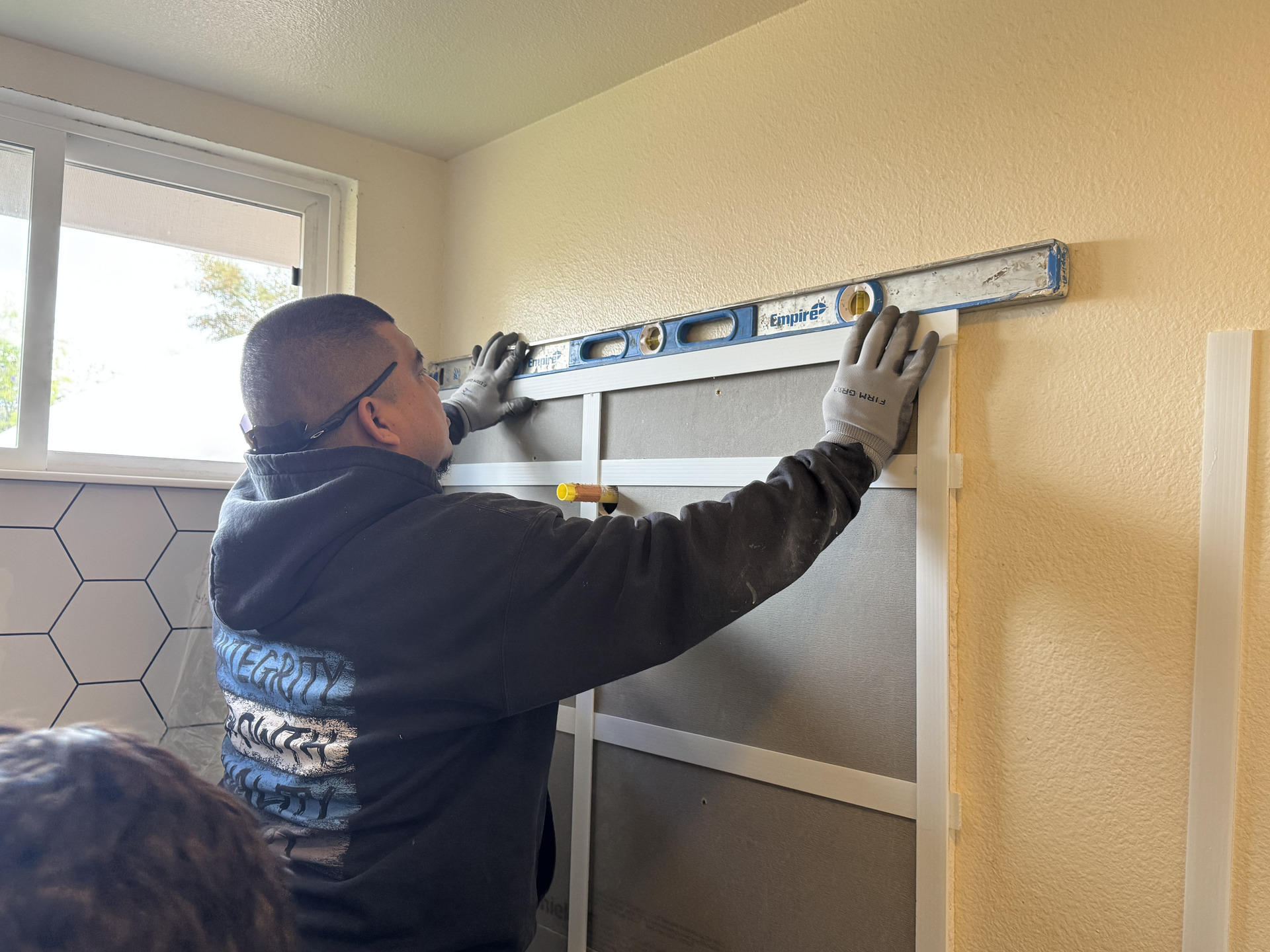
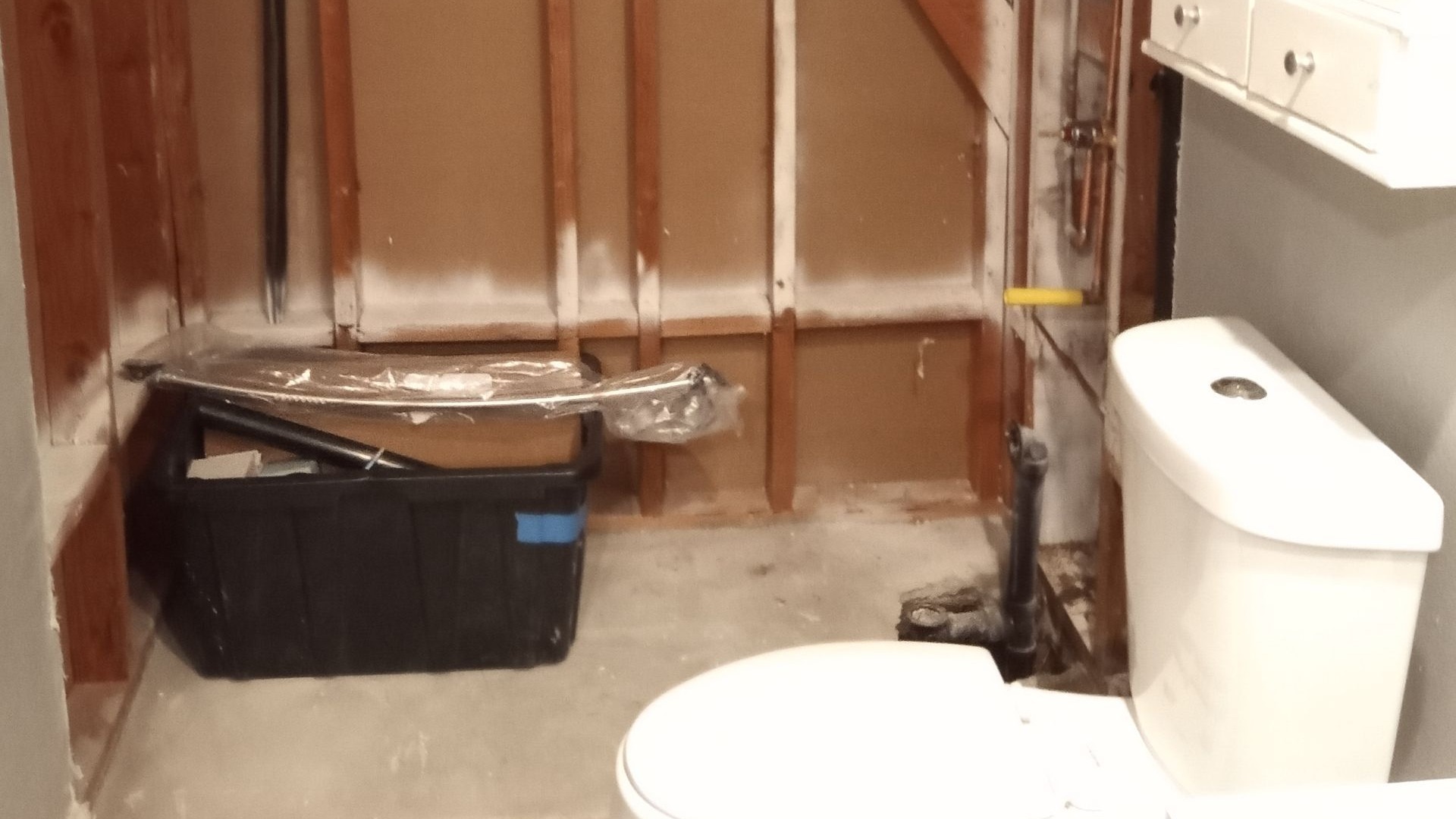
Bathroom remodels involve work that happens behind the walls and under the floor. This includes hidden conditions involving plumbing, waterproofing, and structural elements that aren’t fully evaluated before demolition begins.
Many contractors don’t offer guarantees for what they might find behind your walls. Once they find those problems behind the walls, they then put in a change order to compensate for the additional work. Having a good quality guarantee can help cover these hidden conditions, without taking more from your wallet.
Other change orders will happen when the original plan didn’t clearly define the project’s scope of work. So, missing items in the contract can lead to added costs or delays later.
How are Change Orders Typically Documented?
A proper change order should clearly outline what’s changing, how it affects costs, and whether it impacts the project timeline.
A change order should include:
- A description of what is changing
- How the change affects the total project cost
- Whether the project timeline will be adjusted
- Confirmation that the change has been approved before work continues.
Homeowners should expect change orders to be documented and in writing and approved before any additional work begins. Doing this protects both parties and keeps the remodeling expectations clear.
How Can Homeowners Reduce the Risk of Change Orders?
Homeowners can’t always avoid change orders, but they can be reduced with clear planning during the design consultation process. You want to make sure you’re looking at a detailed scope of work, clear contract language, and have early discussions about what is and isn’t included to set better expectations.
Make sure you’re asking the right questions and that you’re getting detailed answers. If you’re not sure what to ask during your design consultation, download our buyer’s guide.

How Should Homeowners Review Change Orders If They Do Happen?
Take the time to read through the change order carefully before approving any additional work.
Homeowners should confirm:
- What work is being added, removed, or modified
- How the change affects the overall price
- Whether the timeline will shift as a result
If any part of the change order is unclear, ask for clarification before approving. And don’t be afraid to push back if there’s something that concerns you.
Why Knowing Change Orders Matters Before Signing a Contract
Change orders come as a surprise to your wallet or schedule. Even if the best change order is one that doesn’t happen, they aren’t all necessarily bad. Change orders vary in severity.
Ask all the contractors you consult with about how change orders work before you commit to a bathroom remodel. Asking about change orders will help you avoid surprises, protect your budget, and sign a contract with clear expectations.
Make sure you read our article on how to find the right contractor for your tub or shower remodel. That way, you can check to make sure a contractor is qualified to do a project before they step into your home for a consultation.
For any additional information or questions, feel free to contact us at Shugarman’s Bath!

The opinions expressed in the referenced materials are those of the authors only, not necessarily of Shugarman’s Bath. While these referenced materials are useful in answering generalized questions, each bathroom is unique. For a particular question about your tub or shower remodeling project, contact your Shugarman’s Bath consultant.


.png?width=1914&height=1075&name=Screenshot%20(174).png)

.jpg?width=1440&height=1080&name=Bazaart_CF3F9E2C-23B2-4FB0-8B3B-1D470C00D9FE%20(1).jpg)