What Matters Most
|
You're worried that once you sign, the price will creep up once the remodel gets underway. You may not be sure why a company can do that. The reason always comes back to the contract you signed.
Does your contract include everything you were promised? What happens if something goes wrong during your project?
Shugarman's Bath runs more than 500 design consultations every month. We walk homeowners through our contracts in detail and have also reviewed contracts from other companies.
This article will show you why you need to look at your contract before signing. This includes the scope of work, the clauses that shift the costs onto you, warranty information, and how comparing contracts side by side protects you.
Table of Contents:
- Why Do You Need to Read Your Remodeling Contract Before Signing?
- What Should Your Contract Say About the Scope of Work?
- Contract Clauses That Could Cost You More Money
- Why Does a Contractor's Warranty Need to Be in Writing?
- How Can Comparing Multiple Contracts Side by Side Protect You?
Why Do You Need to Read Your Remodeling Contract Before Signing?
You can’t rely only on a contractor's verbal promises. Words spoken won’t hold up if a dispute comes up later. What’s written in your contract is what keeps you protected.
You need to know the scope of work your contractor will do and whether what they tell you matches your contract.
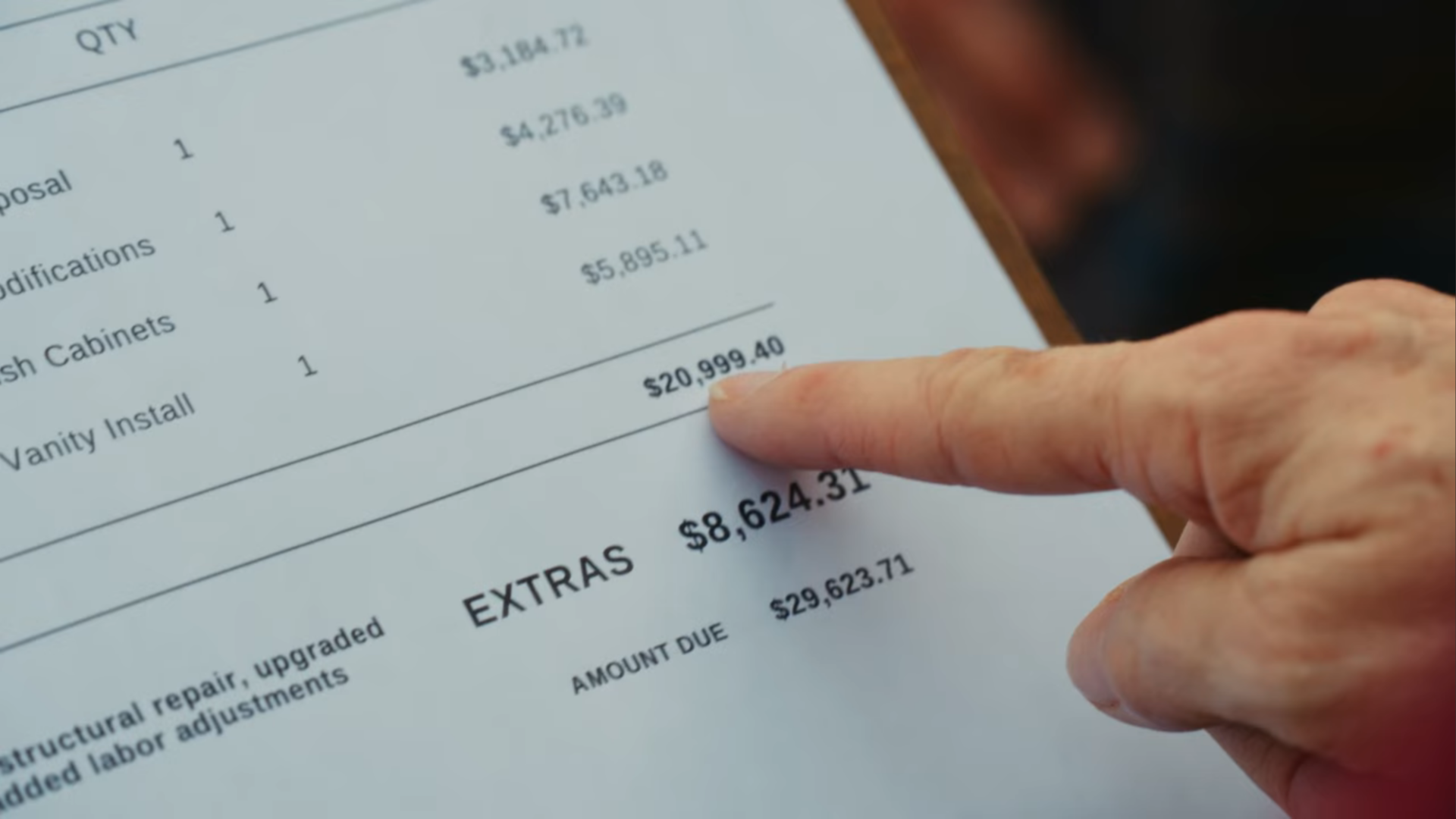
Homeowners are often surprised by a change order, which usually adds cost when the project is underway. Reading contract details closely before you sign helps keep that risk from landing on you.
What Should Your Contract Say About the Scope of Work?
The best contracts have a fixed price and explicitly state what is and isn’t included. If you can’t find that information in writing, ask for it before you sign anything.
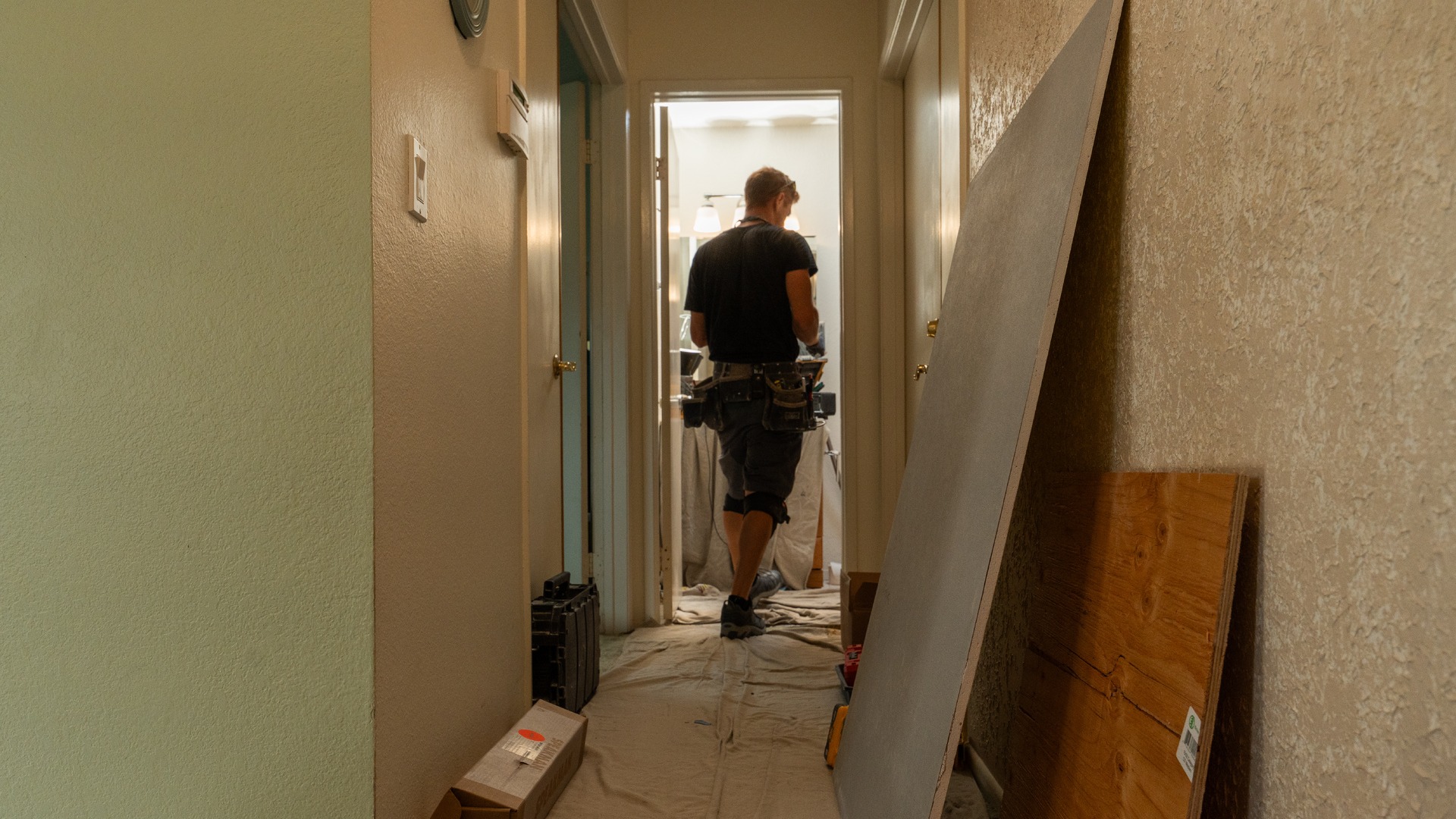
Look for language about how the contractor will handle conditions behind the walls. Many contractors add loopholes that let them issue a change order and charge more for repairs needed behind your walls.
Some contracts cover repairs for problems found during demolition. These may include wood rot, leaking plumbing, and electrical or gas line issues. Shugarman’s Bath covers most repairs behind the tub and shower area walls through our Never Any Extras Guarantee.
Check whether plumbing work is included. Some contracts state the company won't inspect, service, or modify your existing pipes. That means you may need to hire a separate plumber if something needs to change. Otherwise, the remodeler will leave your existing pipes in place, which can put your remodel at risk if they’re in poor condition.
The contract should also say who is responsible if something gets damaged during installation. For example, a plumbing fitting could get damaged during removal, and you might not notice a leak until weeks later. You could be the one financially responsible for that repair instead of the contractor who did your remodel.
Contract Clauses That Could Cost You More Money
Here's what to look for, and what each clause could mean for your project.
|
Clause |
How It Can Impact You |
|
"We are not responsible for any hidden or unforeseen conditions we find." |
You could be charged extra for anything found once demolition starts. |
|
"We are not responsible for inspecting, servicing, or modifying your existing plumbing pipes." |
You may need to hire and pay for a separate plumber mid-project. |
|
"Substantial completion" (full payment due once the contractor says the job is done) |
You could owe the full balance even if you don't think the work is finished. |
|
"We will not be responsible for damage to plumbing in or around the work area." |
A leak caused during the work could become your repair bill. |
|
"We are not responsible for damage caused by leaks during or after installation." |
Water damage from faulty work could fall entirely on you. |
|
Not responsible for mold found or remediated |
You could need to hire a separate mold specialist before work continues. |
|
Manufacturer warranties are the manufacturer's responsibility, not the contractor's |
You'd have to deal directly with the manufacturer if a product fails, not the remodeler. |
|
Warranty voided if a third party touches the work |
Hiring anyone else to repair or service the job could cancel your coverage. |
|
Warranty excludes caulking, sealant, plumbing, fixtures, drains, or doors |
Common failure points may not be covered at all. |
|
No specific length or coverage listed for the labor warranty |
A vague warranty is hard to enforce later. |
|
Warranty voided for skipping recommended maintenance |
Missing a maintenance step could cost you your coverage. |
|
Not responsible for incidental or consequential damage |
Damage outside the immediate work area may not be covered. |
If you see any of these clauses, ask the contractor to explain how it could impact your price and protection before you sign. Read our article on remodeling contract loopholes to watch out for to learn more about each of these clauses.
Why Does a Contractor’s Warranty Need to Be in Writing?
A warranty needs to be in writing so you can enforce it later. If you can’t see specifics, you won’t know what you’re covered for.
Some contracts have the word “lifetime” in their warranties. However, that word has different meanings depending on the contractor. It can mean the lifetime of the materials, how long you own the home, or a single repair before coverage runs out.
You need to know whether your warranty covers materials, labor, or both. Some warranties cover only one or the other, meaning you still have to pay out of pocket for a repair.
You also need to know what voids the warranty. For example, using an unapproved cleaning product or letting a third party do repair work on the original installation can void a warranty.
How Can Comparing Multiple Contracts Side by Side Protect You?
Comparing contracts side by side protects you because contractors rarely handle the same job the same way.
Check whether each price includes both materials and labor. Some contractors only quote for labor and expect you to buy the materials yourself.
Look at whether the contractor and any subcontractors carry an active license and insurance. If anything goes wrong after your remodel, unlicensed work can also cause problems with your homeowners insurance later.
Compare how each contract defines the job as finished. Some contractors decide when the work is done, whether you agree or not. Your contract should confirm that it’s done when you, the homeowner, say so.
Review the terms of each warranty. One contract might cover both materials and labor, while another only covers one. Or they’ll send you to the manufacturer for any necessary repairs.
Finally, check that anything a consultant promised you verbally is written into the contract.
A Strong Contract Starts With Reading the Fine Print
A remodeling contract can feel like a formality for you to sign to move forward. A contract is the one part of the process that should tell you how your remodel will go. Reading your contract line by line is how you catch that gap before it becomes your problem instead of the contractor's.
Now that you know why it’s important for you to look at your remodeling contract, learn how to compare multiple remodeling quotes.
If you have questions about your remodeling contract or general inquiries, contact Shugarman’s Bath today to speak with an expert.

The opinions expressed in the referenced materials are those of the authors only, not necessarily of Shugarman’s Bath. While these referenced materials are useful in answering generalized questions, each bathroom is unique. For a particular question about your tub or shower remodeling project, contact your Shugarman’s Bath consultant.
FAQs About Contracts with Shugarman’s Bath:Q: How do I get my to-the-penny quote?We offer free in-home design consultations with our expert designers. They’ll inspect your bathroom, listen to your frustrations and goals, and then take you through the step-by-step design of your bath or shower space.
You’ll receive your to-the-penny quote at the end of your consultation. Q: What is covered in your lifetime warranty?We cover the cost of materials AND labor in our lifetime warranty. We believe nothing beats peace of mind when it comes to a remodel, and this is how we deliver it to our valued customers. The warranty can transfer to a new owner within three years of your purchase. |