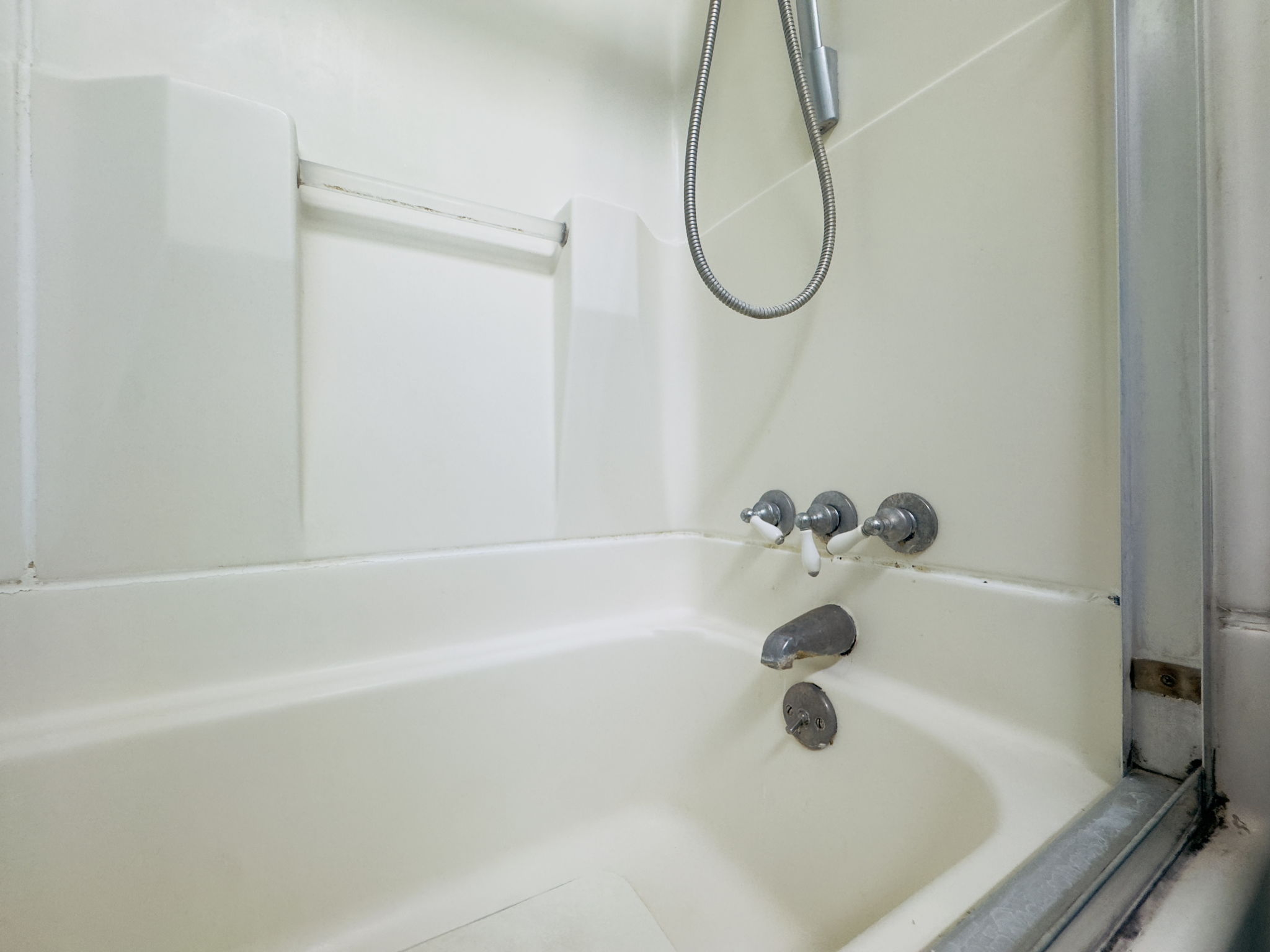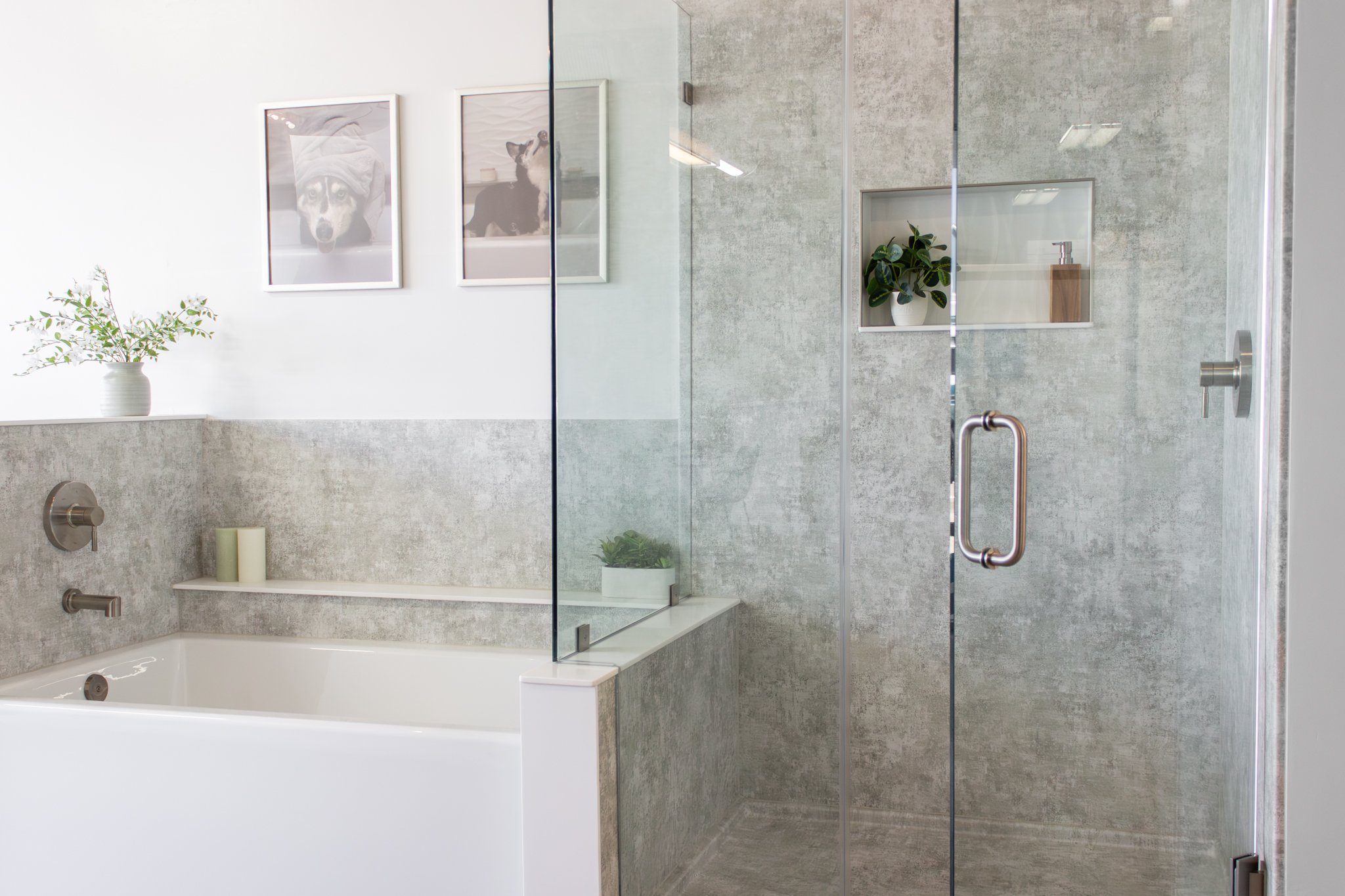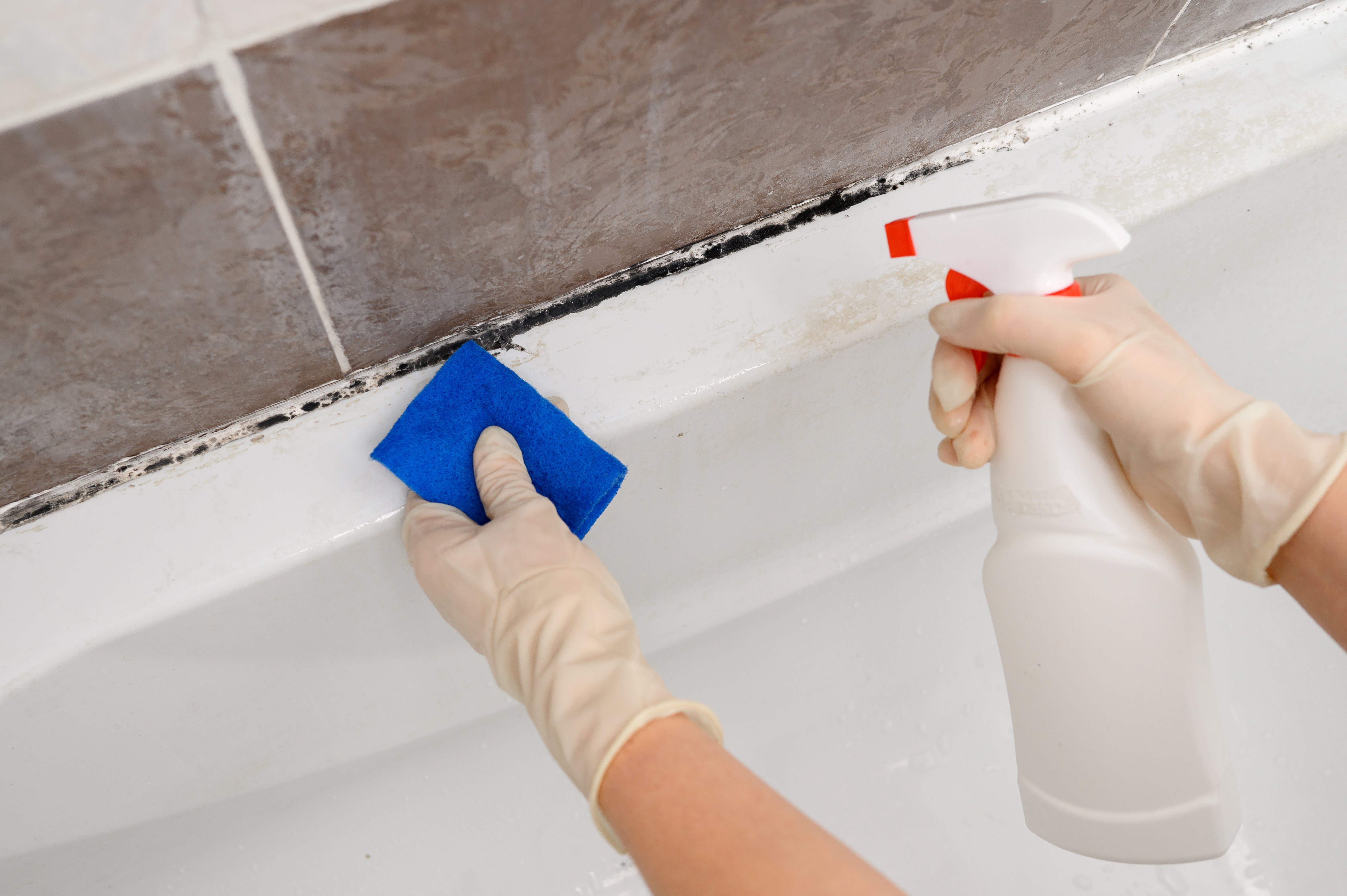

%20(2).png?width=1920&height=1280&name=After%201%20(2)%20(2).png)
What Matters Most
|
Clean and Low-maintenance showers are those that resist moisture and don’t require many repairs.
Materials that resist absorption keep water, soap residue, body oils, minerals, and bacteria on the surface. Higher-maintenance materials that absorb grime and residue, stain easily, and require heavy scrubbing (if they can be cleaned at all).
Materials that break down, crack, pull at seams, or require constant resealing also need repairs over and over. As tub and shower specialists, Shugarman’s Bath has seen the challenges homeowners face with higher-maintenance materials. We’ve heard their frustrations: spending hours cleaning only to see no progress.
In this short article, you’ll learn why some materials are high maintenance over time, how installation affects cleaning and repairs, and what to look for when selecting a shower material.
Table of contents:
- Why Do Some “Easy-To-Clean” Materials Become High-Maintenance Over Time?
- How Does Installation Affect the Cleaning and Repairs of Shower Materials?
- What Should You Look For When Selecting a Shower Material?
Why Do Some "Easy-to-Clean" Materials Become High-Maintenance Over Time?
Many shower materials depend on surface coatings, finishes, or sealants early on. Daily use and repeated cleaning slowly wear those down, exposing the underlying material.
If that material is porous, it absorbs moisture and residue. If it’s rigid or brittle, it might crack or pull at seams as the home shifts and temperatures change. In both cases, you’ll start seeing problems that cleaning alone won’t fix, such as stains that don’t come out, failing seals, or surfaces that need to be repaired, refinished, or replaced.
How Does Installation Affect the Cleaning and Repairs of Shower Materials?
A low-maintenance shower depends on two factors:
- Materials that resist absorption and damage.
- An installation system that prevents water from reaching the structure behind the walls.
Even the best materials make the tub and shower area high-maintenance overall when water gets where it shouldn’t. The entire system must be designed to withstand daily water exposure without failing. This makes cleaning easier and reduces the need for repairs. That’s why you want to work with a contractor who is qualified to do your tub and shower installation.
What Should You Look For When Selecting a Shower Material?
When selecting a material, look for one that continues to perform without constant upkeep, repairs, or surprises over time. Alongside that, work with a contractor who can install the materials correctly. Fewer repairs, stable surfaces, and reliable performance are what make a shower material low-maintenance.
Read our article on the step-by-step process of a tub and shower installation. That way, you’ll understand how your tub or shower is properly installed.
Looking to install higher-quality, low-maintenance shower wall material? Schedule a design consultation with Shugarman’s Bath to see how it would look and work in your tub and shower area.
The opinions expressed in the referenced materials are those of the authors only, not necessarily of Shugarman’s Bath. While these referenced materials are useful in answering generalized questions, each bathroom is unique. For a particular question about your tub or shower remodeling project, contact your Shugarman’s Bath consultant.
FAQs on Tub and Shower Remodeling:Q: What materials do you use for your tub and shower products?Our products are mainly composed of a material called BP-Cor2. It's a high-tech polymer made up of 15% acrylic and 85% ABS, the same material used to make football helmets. It's a step up from traditional tile and standard acrylic. We can laser-etch grout lines into the material to give it the look of tile without the cleaning and maintenance that comes with it. We call it New World Tile. Q: Does Shugarman’s Bath use tile?Shugarman’s Bath doesn’t use conventional tile with grout. We use BP-Cor2 walls that are nonporous and antimicrobial. Grout lines can be laser-etched into the walls to give the look of tile without the extra labor and costs. Q: Does Shugarman's Bath Install Alternatives to Tile?Yes. Instead of conventional tile, Shugarman's Bath installs a modern shower wall system with a non-porous, antimicrobial surface. The grout lines are laser-etched, giving you the look of tile without the upkeep that comes with it. If you want to learn more, read our full breakdown of traditional tile vs. modern shower wall systems. |
.png?width=1920&height=1080&name=VERSUS%20(1).png)
.jpg?width=1920&height=1080&name=VERSUS%20(5).jpg)