
What Matters Most
|
If you’ve noticed the silicone in your shower cracking or separating, you might be wondering what’s really going on in the walls of your tub and shower area. Is the caulking or silicone just old and needs to be replaced? Or is there moisture damage, mold growth, or something more serious going on inside the walls?
At Shugarman’s Bath, we conduct more than 500 design consultations and complete over 150 bath and shower installations per month. As professionals who regularly work inside shower systems, we often see what happens when silicone fails and what it can mean for a home.
In this article, you’ll learn why silicone cracks or pulls apart in showers, where it typically fails first, when it’s simply a maintenance issue, and when it could signal a larger problem behind the wall.
Table of Contents:
- What Causes Silicone to Dry Out or Pull Apart in a Shower?
- Where Does Silicone Usually Fail First in the Tub and Shower Area
- Can Mold Weaken Silicone in a Shower?
- When Is Pulling Apart or Cracking Silicone a Serious Issue?
- Pulling Apart Silicone Signals a Larger Issue
What Causes Silicone to Dry Out or Pull Apart in a Shower?
Many contractors use silicone as part of a primary waterproofing barrier to seal joints in your tub and shower area. Silicone’s job is to stay flexible and help keep water from slipping through those seams. It fills in the small gaps where the shower base meets the walls and where two surfaces come together.
Silicone usually pulls apart because of material quality and daily stress.
Many silicone products sold at big box stores are blends, often containing latex. When latex ages, it can dry out, shrink, and crack. And once it cracks, it starts to pull away from the surface it was sealing.
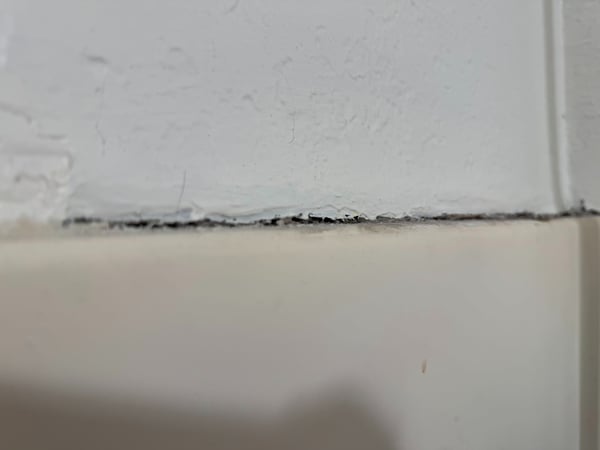
In addition to material quality, your tub and shower area are exposed to daily stress. When you turn the hot water on, the materials are shocked by the temperature change. And when you’re done, everything cools down. Rinse (literally) and repeat.
Also, keep in mind showers go through wet and dry cycles. The area is hit with 17.2 gallons of water per shower. It gets wet, dries out, and then gets wet again.
Finally, homes shift slightly over time. If the silicone has lost its flexibility, it cannot stretch with that movement. Instead, it will crack or pull apart.
When you combine all these factors, you’ll often see the separation along the base or in the corners of your tub and shower area.
Where Does Silicone Usually Fail First in the Tub and Shower Area
Silicone tends to fail where there is the most water and stress. Common failure points include:
- Where the shower base meets the walls
- Lower corners, especially within the first foot above the base
- Inside corners in tile systems
- Around the plumbing on the plumbing wall
- Areas that stay wet the longest
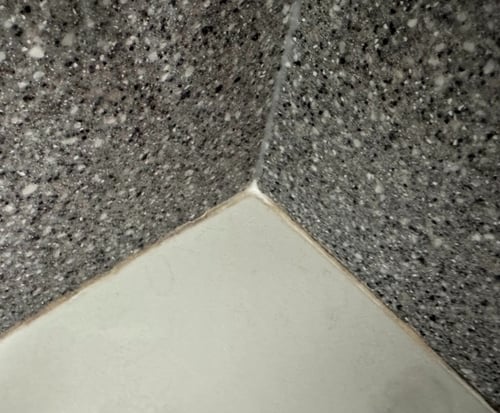
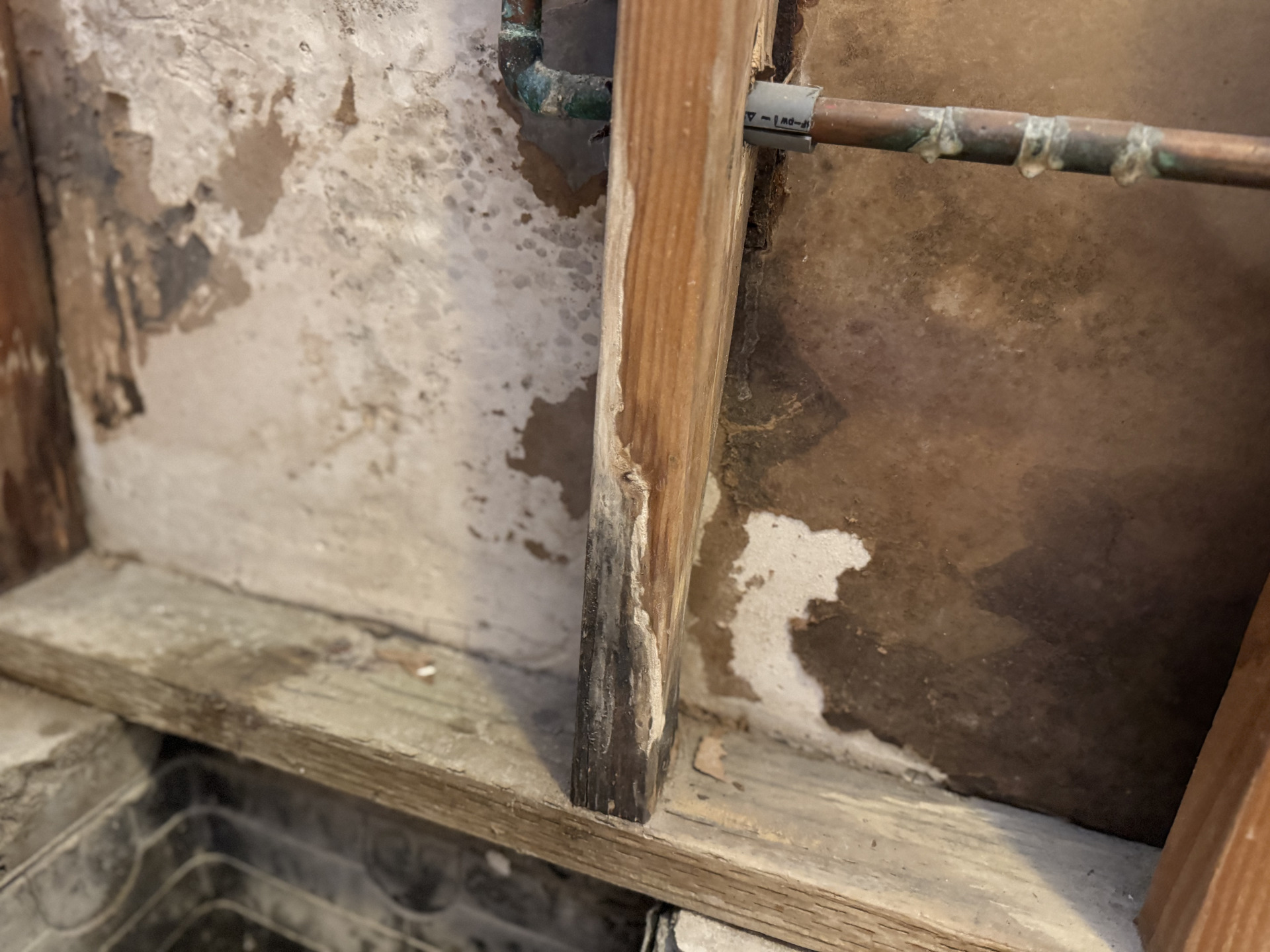
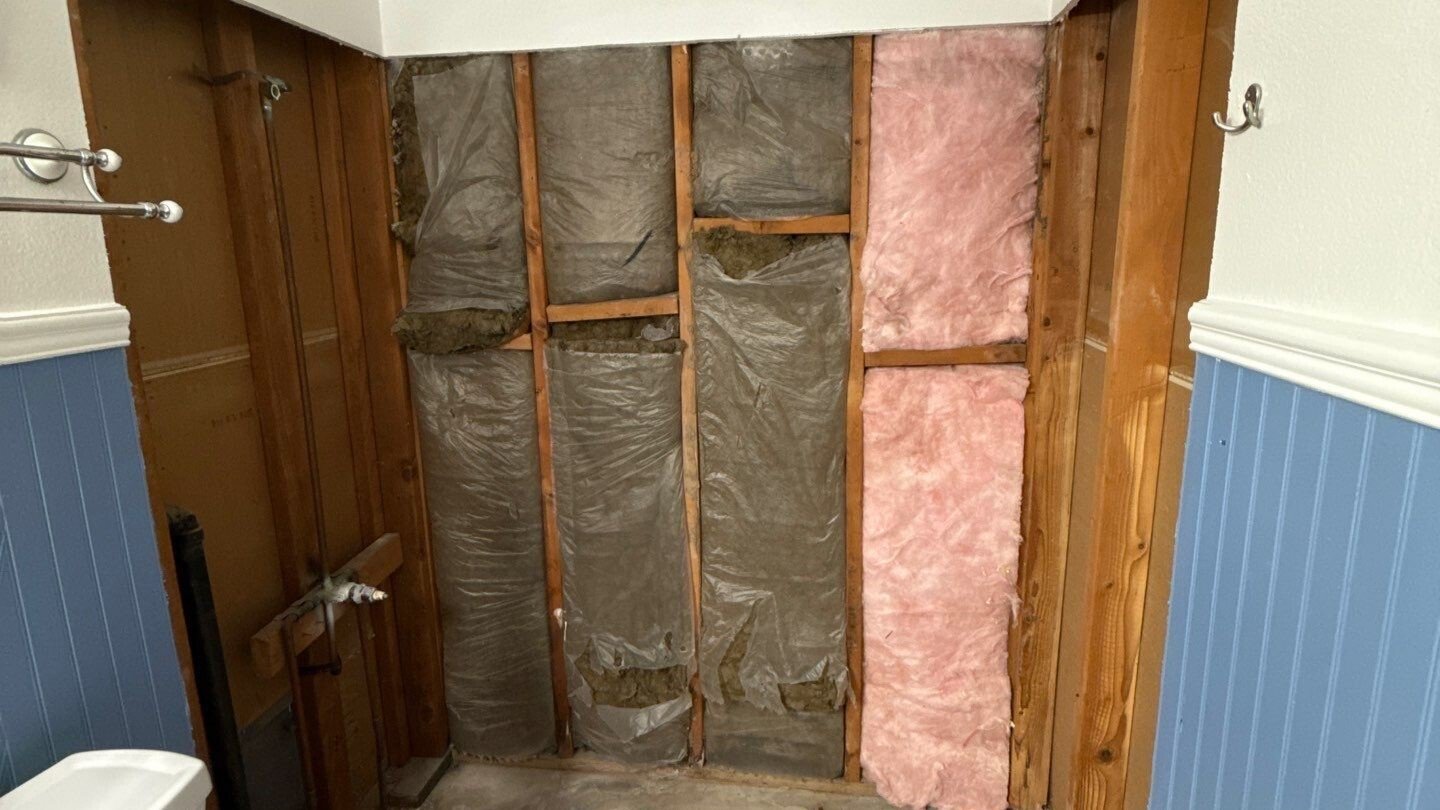
When silicone fails in these areas, water can seep into your walls. Water passing behind the wall may cause mold growth, dry rot, rotting studs, or damage to lower-quality backer boards.
Can Mold Weaken Silicone in a Shower?
Yes, mold can absolutely weaken silicone in a shower. After all, mold only needs three things to grow:
- Moisture
- A food source
- A dark, humid space
To nobody’s surprise, a tub and shower area has plenty of moisture. On top of that, mold needs a food source. This can include skin cells, soap residue, shampoo buildup, and natural body oils. And if/when water gets behind the walls, mold can feed on organic materials like wood or certain backer boards.
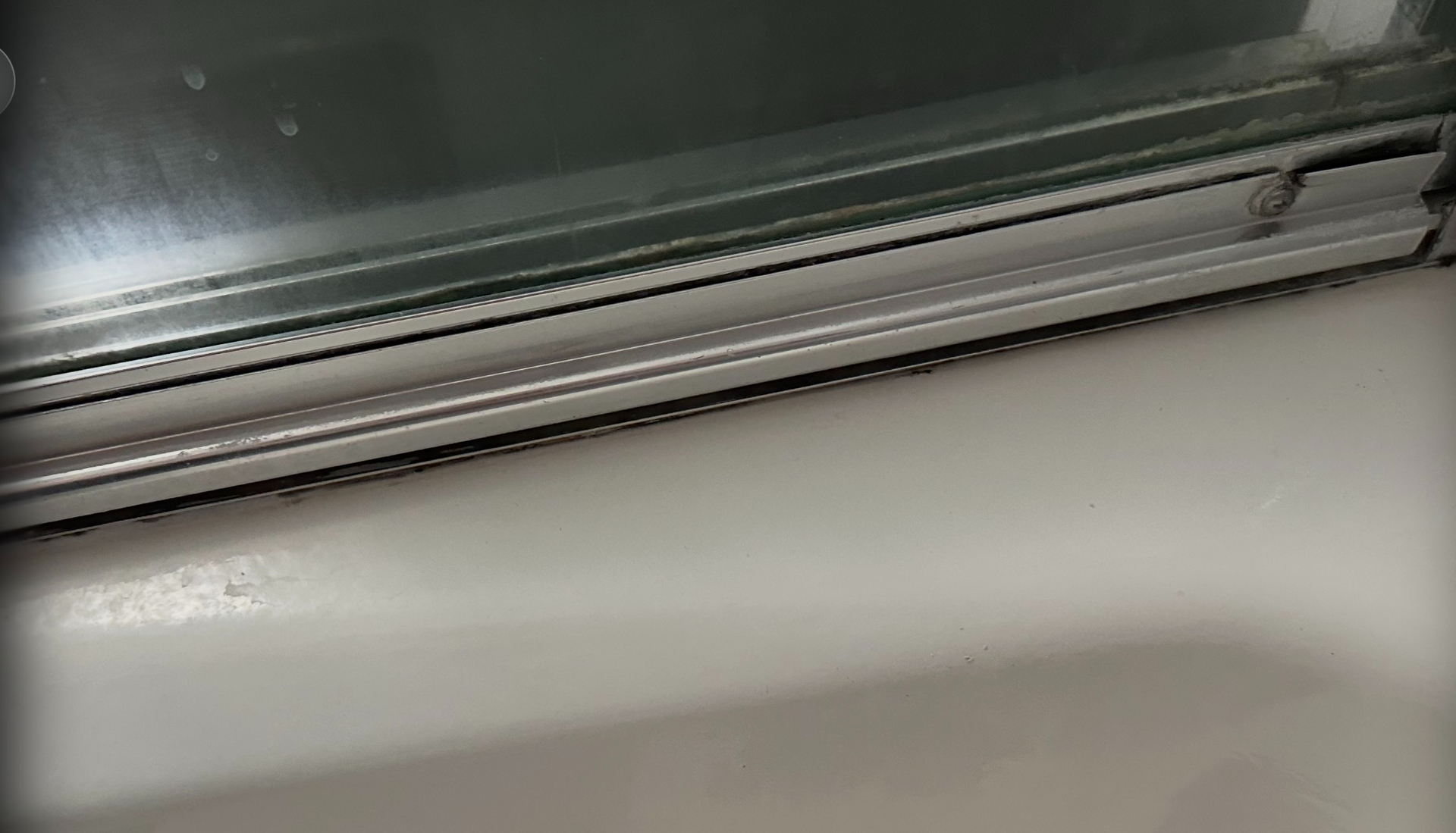
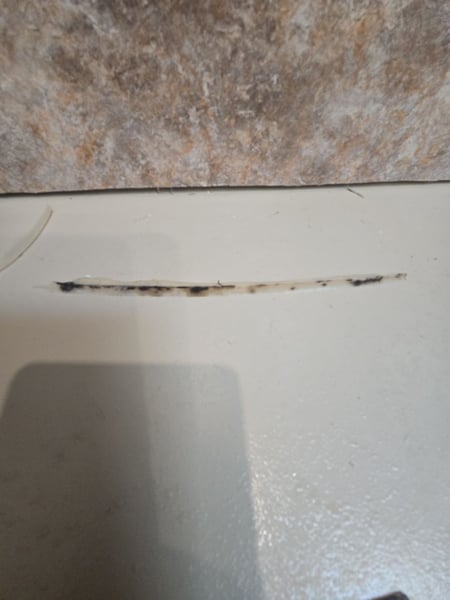
Moisture can collect in the gaps where silicone has cracked, and mold can grow there. As mold spreads, it can further weaken the seal.
If you’re seeing mold along separated silicone, it might mean moisture is getting to places that it shouldn’t, such as behind the walls.
When Is Pulling Apart or Cracking Silicone a Serious Issue?
If silicone keeps pulling apart after being replaced, there may be movement behind the wall. Structural shifting or hidden damage can lead to repeated failures.
Mold or mildew growing in corners where cracked silicone is present can also signal trapped moisture behind your walls.
Loose shower valves can also be a warning sign of a larger issue. Valves moving inside a plumbing wall can cause flexing, stress nearby seams, and pull the silicone in the joints apart (even after replacement).
If you’re concerned about hidden moisture, you can use a moisture meter in the tub and shower area. Ideally, there should be no elevated moisture levels in the area compared to nearby drywall. If readings are higher in the shower area than in the surrounding drywall, water may be getting behind the surface.
Any moisture readings above 10%-12% are cause for concern. Levels around 15-20% are elevated and should be monitored. Check it weekly if you're in this range.
Readings above 20% or higher are where rot and mold risk begin. This typically indicated trapped moisture or an active leak. At that point, we recommend calling a professional.
If moisture is present inside the wall, replacing surface silicone will not fix the bigger issue.
When Pulling Apart Silicone Signals a Larger Issue
Silicone moving apart is usually caused by aging material, daily stress, and normal expansion and contraction. Many products containing latex tend to dry out and crack over time.
In many cases, separated silicone is a simple maintenance issue. But if it continues to crack, mold returns quickly, or moisture readings are elevated, the problem may be under the surface.
When in doubt, investigate the source of the moisture. Repeatedly reapplying silicone won’t always resolve the larger issue.
Next, if you want to better understand how water moves behind walls, read our article on common reasons for tub and shower leaks. That way, you can check whether you have a larger issue in your tub and shower area.
Have additional questions about your shower system? Contact Shugarman’s Bath today!

Topics: